
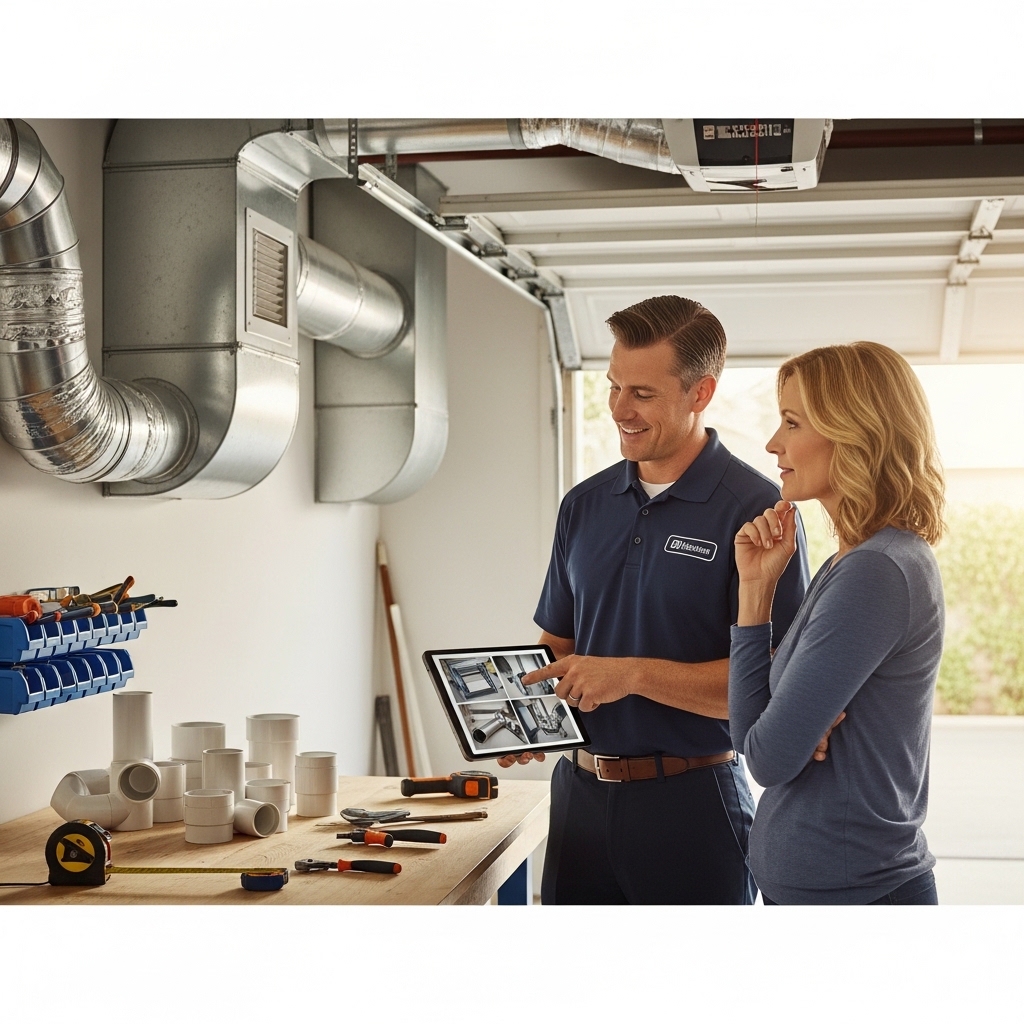
When homeowners in Los Angeles ask about air duct repair cost, what they are really looking for is clarity—what influences the investment, how the day unfolds, and what outcomes to expect once the work is done. Living and working in this city, I have learned that a straight explanation is more useful than a quick figure. LA homes vary widely by age, layout, and access. A 1928 Spanish bungalow in Eagle Rock has different duct realities than a 1990s rebuild in Encino or a new accessory dwelling unit in Mar Vista. That diversity means the “cost” conversation is best framed around scope, access, materials, and long-term benefits. If you are planning a repair, the smartest first step is to arrange a focused evaluation from a local team that can explain the pathway clearly and, when appropriate, perform same-day repairs to stabilize your system. And if you are just getting started, consider reaching out for expert air duct repair so you can get dependable answers and a plan that fits your home.
Why air duct condition matters in Los Angeles
Los Angeles has a unique combination of climate and architecture. We have hot attic spaces in the Valley, coastal moisture near the beach, and hillside homes with complex framing. Ducts run through all of it—attics, crawlspaces, soffits, and mechanical closets. When those ducts leak or kink, you feel it immediately as uneven rooms, increased dust, and systems that seem to run longer without delivering comfort. Left alone, leaks can pull attic air into returns, spread contaminants, and increase wear and tear on your equipment. Repairing the issue promptly protects comfort and helps your system operate the way it was designed to. That is the baseline expectation, and it is the reason a careful diagnosis is always the starting point.
What shapes the scope of an air duct repair
Scope grows out of the story your home tells. During an inspection, we trace the duct routes, check connections at the plenum, examine registers and boots, and look for the patterns that cause hot and cold spots. In older homes, metal trunk lines may have been modified over the years, leaving transitions that rely on aging tapes. Flexible ducts may have been laid over framing that compresses the inner liner. Returns might be framed into walls without a proper liner, allowing air to leak through gaps. Each finding contributes to the plan: re-seal a leaky boot, replace a torn flex section, rebuild a transition, or reinforce supports to reduce sag. The clearest path is always to address the specific causes of air loss and restriction while preserving balance in the system.
Access is a major factor in Los Angeles
It surprises no one who lives here that access shapes the entire day. In some homes, the attic hatch opens directly above a wide hallway. In others, it is tucked inside a closet full of seasonal storage. Crawlspaces can be compact and segmented. We plan around these realities. If we need more time to navigate a tight space safely, we plan that into the schedule. If moving stored items opens a clearer pathway, we discuss that up front. Good access streamlines the work and ensures the repair can be completed cleanly and confidently.
Parking and logistics matter, too. In dense neighborhoods or multi-unit buildings, staging tools and materials requires coordination. We think ahead about elevator access, hallway protections, and quiet hours. These details might not be glamorous, but they are essential for a smooth experience and align with what most homeowners expect from a professional visit in Los Angeles.
Materials and methods that hold up in LA’s climate
Heat and time challenge duct seals. That is why we prefer durable methods: mastic for joints and collars, UL-rated foil tapes where appropriate, and properly sized connectors so clamps secure the inner liner, not just the outer jacket. For replacements, we match diameter and length to maintain the system’s balance. Where a return is framed from panned joists, we may recommend lining or sealing improvements that reduce leakage through gaps. The objective is not only to stop today’s issue but to install a repair that performs through hot summers and cool evenings for years to come.
What to expect during the evaluation
The day begins with a conversation. We ask what you notice—times of day when comfort dips, rooms that always run hotter, vents that blow dusty at startup. Then we put eyes on the system and the ductwork. The inspection is thorough but focused: connections, transitions, boots, supports, and any visible signs of wear. We capture photos so you can see what we see. If the problem is localized and the remedy straightforward, we often perform the repair right away. If the issue suggests a larger pattern, we outline options that prioritize stabilizing comfort now and sequencing any larger improvements on a timeline that makes sense for you.
Talking about the investment without numbers
Because homes differ so much, conversations about investment are most useful when they connect to scope and outcome rather than a generic range. A minor leak at a boot is a different project from a return path that leaks along multiple seams. The first step is to clarify what is necessary, what is recommended, and what would be optional improvements. This framework respects your goals and gives you control over the path forward. It also sets clear expectations: what will be accomplished today, what will be verified at completion, and what, if anything, you might plan for later.
Timeline and communication
We honor the reality of Los Angeles logistics. Arrival windows are set with traffic in mind and updated in real time. During the visit, we describe findings in plain language. If a same-day repair is appropriate, we explain the steps before work begins and show you results at the end. If scheduling a follow-up makes more sense, we coordinate with your calendar and keep you informed throughout. The best experiences come from steady communication and no surprises, and that is exactly how we approach it.
Why an immediate repair can be the smarter decision
Waiting rarely improves a duct problem. Air leaks distribute dust, reduce airflow, and push your system harder than it needs to work. Fixing the issue promptly helps you reclaim comfort and prevents the gradual accumulation of debris in your ducts and on your coil. Fast action is especially helpful in neighborhoods where wildfire smoke or street dust can be drawn into return leaks, a situation that compounds the longer it lasts. That is one reason we keep common materials on the truck: the sooner you stop the leak, the less cleanup and follow-on work you will need later.
LA-specific insights that influence planning
Beyond climate, building styles influence decisions. Some classic LA homes hide trunk lines behind coved ceilings or soffits. Additions often split attics into segmented compartments. Condos have shared walls and HOA guidelines. These conditions require creative but dependable solutions—sometimes a short reroute, a careful rebuild of a transition, or sealing a return path that was improvised decades ago. Experience with this variety helps anticipate challenges and map an efficient path that respects your home and your schedule.
Quality checks at completion
When we finish a repair, we do not just close the hatch. We measure system temperature split, compare airflow at vents relative to one another, and recheck the repaired areas after the system has run. We look at filter placement and condition because a poor filter fit can masquerade as a duct problem. We clean up our work area and leave you with a practical summary of what was done and what to watch for. You should feel the difference in comfort quickly, and you should understand exactly why.
Setting expectations for next steps
Sometimes a repair reveals other opportunities for improvement, like balancing adjustments or a more robust return path. In those cases, we outline options in order of impact. The priority is always stability and comfort now. Any upgrades beyond that are framed around your goals—whether that is quieter operation, improved airflow to a distant room, or better indoor air quality in a home near busy streets. Seeing the full picture can help you plan with confidence.
If you are weighing the best route for your home today, it helps to have a seasoned local team walk through options and provide clear, actionable recommendations. It is perfectly reasonable to start small by addressing the most pressing issue and stage other improvements over time. When you are ready to map that path, connect with a trusted provider and schedule expert professional air duct repair so you can move forward with clarity.
FAQ
What signs tell me I need air duct repair?
Look for rooms that stay stubbornly hot or cold, unusually dusty vents, a return grill that whistles or pulls in odors, and a system that runs longer without delivering comfort. If you recently had roof, insulation, or pest work, it is also smart to check ducts, as access in those projects can loosen connections. A focused inspection will tell the story quickly.
How long does the evaluation and repair typically take?
Simple, localized issues can often be addressed during the first visit in a relatively short window. More complex patterns—like multiple leaks or a difficult access path—take longer. We set expectations clearly when we arrive and keep you updated as we work.
Will you need to access my attic or crawlspace?
Usually, yes. Most ducts in LA run through attics or crawlspaces, and seeing those areas is essential for a reliable diagnosis. We plan for safe access, protect the spaces we pass through, and restore insulation to place when we are finished.
What materials do you use to ensure the repair lasts?
We rely on durable, industry-proven methods: mastic at joints and collars, UL-rated tapes where appropriate, and proper mechanical support. We make sure clamps secure the inner liner of flex duct, not just the outer sleeve. These details matter for long-term performance, especially in hot attics.
Can you work in a condo or HOA community?
Absolutely. We coordinate with building rules, respect quiet hours, and manage logistics like elevator access and parking. Clear communication with management ensures a smooth experience for everyone involved.
Is cleaning part of a repair visit?
Light cleanup around the repair area is standard, but comprehensive duct cleaning is typically a separate service. If a leak has spread dust or odors, we will discuss options and timing once the system is stable.
What if the issue turns out to be bigger than expected?
If a larger pattern emerges, we stabilize immediate issues first and then present a plan for next steps that you can schedule at your convenience. The intent is to restore comfort now and give you control over any additional improvements.
Ready for clarity and comfort
You deserve a clear plan and a home that feels right in every room. If your ductwork is raising questions, let a local expert walk you through options and deliver reliable results. When you are ready to move forward, schedule trusted Los Angeles air duct repair and enjoy the confidence that comes from a thorough, well-executed solution.