
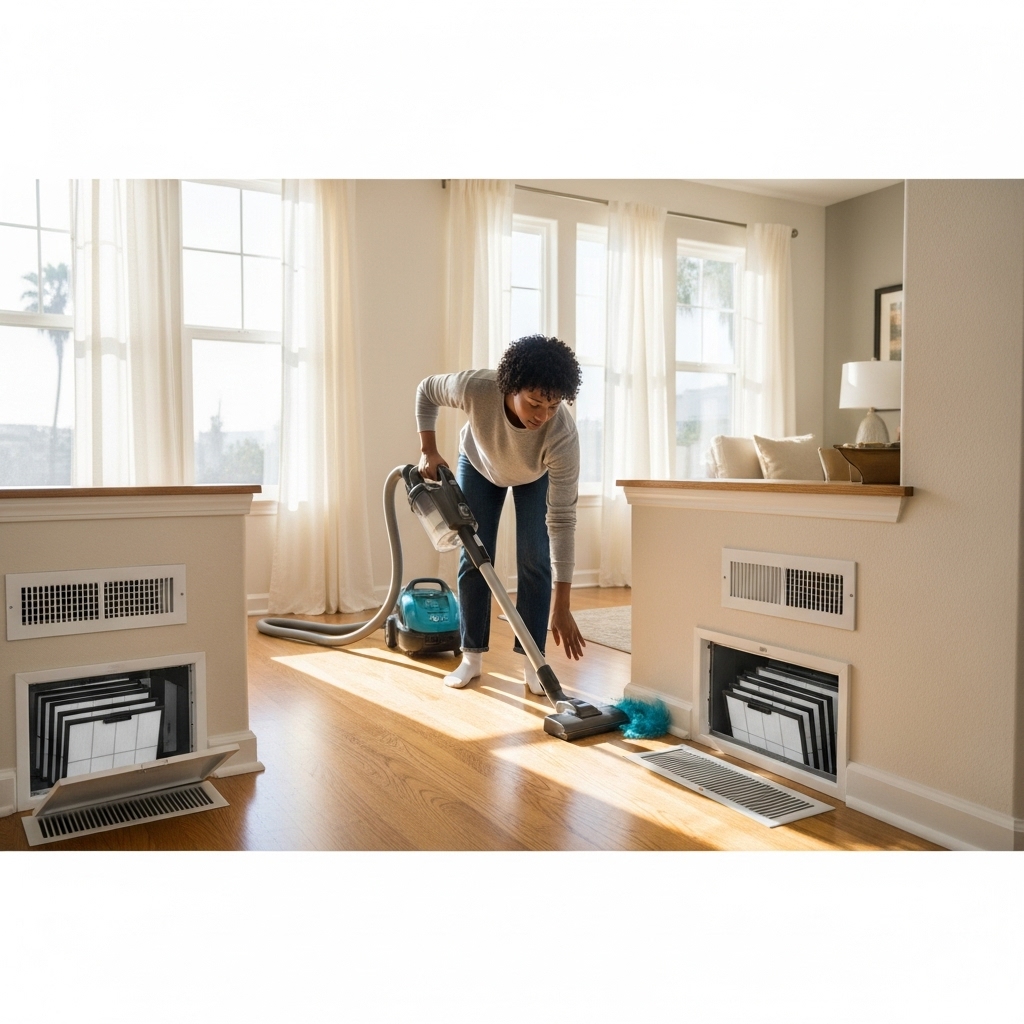
Living comfortably in Los Angeles means treating indoor air like the precious resource it is. From ocean mist drifting into Santa Monica to dry Santa Ana winds pouring over the Valley, our ducts carry the daily story of the city into our homes. Maintenance is less about complicated routines and more about consistent, thoughtful habits that protect airflow, cleanliness, and peace of mind. When neighbors ask how to keep a system feeling fresh between professional visits, I emphasize simple steps tailored to LA life and housing styles. Start with an understanding that care is cumulative; every small action keeps the gains of a thorough air duct cleaning alive month after month.
Know your home’s airflow personality
Every house in this city breathes differently. A hillside home in Mt. Washington might favor the upper rooms, while a single-level place in Mar Vista feels even and calm. Notice which spaces warm up first, which rooms gather more dust, and how your system sounds at startup. These clues make you a better steward. When you share observations with a technician, they can fine-tune recommendations—filter choices, return placement suggestions, or simple register adjustments that smooth the way air travels through your rooms.
Filter habits that match LA realities
Good maintenance starts at the filter. Urban dust, seasonal pollen, and wildfire residue can load a filter faster than you expect. Set a reminder that matches your neighborhood and household size rather than a one-size-fits-all schedule. When you remove a filter, look for uneven discoloration, which can indicate bypass or return issues worth discussing with a pro. A filter that fits snugly and is changed on a realistic cadence helps keep debris out of ducts and reduces strain on the blower and coil.
Keep returns and registers clear
It is easy to treat vents like décor backdrops, but they need open space to do their job. Avoid draping rugs over floor supplies or pushing furniture flush against returns. Give each vent a few inches of breathing room so air can flow and dust does not collect around the grille. During weekly tidying, a quick pass around vents prevents build-up from becoming a steady source of particles that reenter your living spaces.
Watch for moisture and subtle odors
Moisture is a quiet troublemaker. After heavy coastal fog or rain, note any damp smells near returns or mechanical closets. If you sense a faint mustiness or see condensation where it does not belong, that is a signal to investigate. Early attention can prevent minor issues from becoming bigger problems. Pair observation with good ventilation practices—briefly opening windows when outdoor air quality is good and using bathroom fans to clear humidity before it migrates through the home.
Attic and crawlspace awareness
Many LA ducts run through attics or crawlspaces. A quick visual check a few times a year—looking for displaced insulation near ducts, signs of pests, or gaps around penetrations—can preserve the clean conditions inside the system. You do not need to become a contractor; awareness is enough. If something looks out of place, note it and share with your technician during the next visit so they can investigate safely and thoroughly.
Protect the gains after professional service
After a thorough cleaning, your home gets a fresh start. Maintain that momentum by easing up on heavy renovation dust, using entry mats to reduce tracked-in particles, and scheduling big projects with containment in mind. Communication helps, too. If airflow feels different a week after service, reach out to the team that worked in your home. Good providers want to hear your feedback and can suggest simple adjustments that keep everything on track. In the middle of your maintenance journey, remember that consistent air duct cleaning is complemented by everyday habits that keep ducts clean for the long run.
Seasonal rhythms in Los Angeles
Our seasons are subtle but real. Spring blooms can spike pollen, summer heat can push systems nonstop, and fall winds can move dust in surprising waves. Use these rhythms to set gentle reminders: a quick vent check before the first heat wave, a filter review after a windy week, and a short inspection around your mechanical area after the first cool-night heating cycle. Tiny, consistent actions keep your system steady all year.
Communication with your HOA or building
If you live in a condo or loft, coordination is part of maintenance. Keep notes on building rules, elevator reservations, and quiet hours so professional visits go smoothly. Share those details early and keep a simple log of past service dates. A clear record makes future visits faster and gives you confidence when discussing any airflow concerns with building management.
Frequently Asked Questions
Q: How often should I change filters in LA? A: It depends on your neighborhood, household size, and whether you have pets. Rather than a fixed schedule, check more frequently during pollen spikes or after smoky days and adjust your routine based on what you see.
Q: What signs suggest I need a professional visit? A: Persistent dust near vents, uneven temperatures despite normal settings, musty odors, or a blower that sounds like it is working harder than usual are useful signals. A walkthrough can reveal whether a cleaning or minor adjustments will help.
Q: Can I clean vents myself? A: You can safely dust grilles and keep the area around them tidy. Inside-duct work, however, should be handled by trained technicians with proper containment and equipment to avoid pushing debris deeper into the system.
Q: Do open windows help or hurt? A: It depends on outdoor air quality. On clear days, a short airing-out can refresh the space. During high-pollen or smoky periods, keep windows closed and rely on filtration to maintain indoor comfort.
Q: How do pets affect maintenance? A: Pet hair and dander can load filters faster and collect near returns. A slightly more frequent filter routine and mindful grooming can make a noticeable difference.
If you want a maintenance partner who understands LA homes and respects your time, choose a team that offers practical guidance and careful follow-through. Keep your home feeling fresh by scheduling professional air duct cleaning and pairing it with these everyday habits that protect clean, steady airflow.