
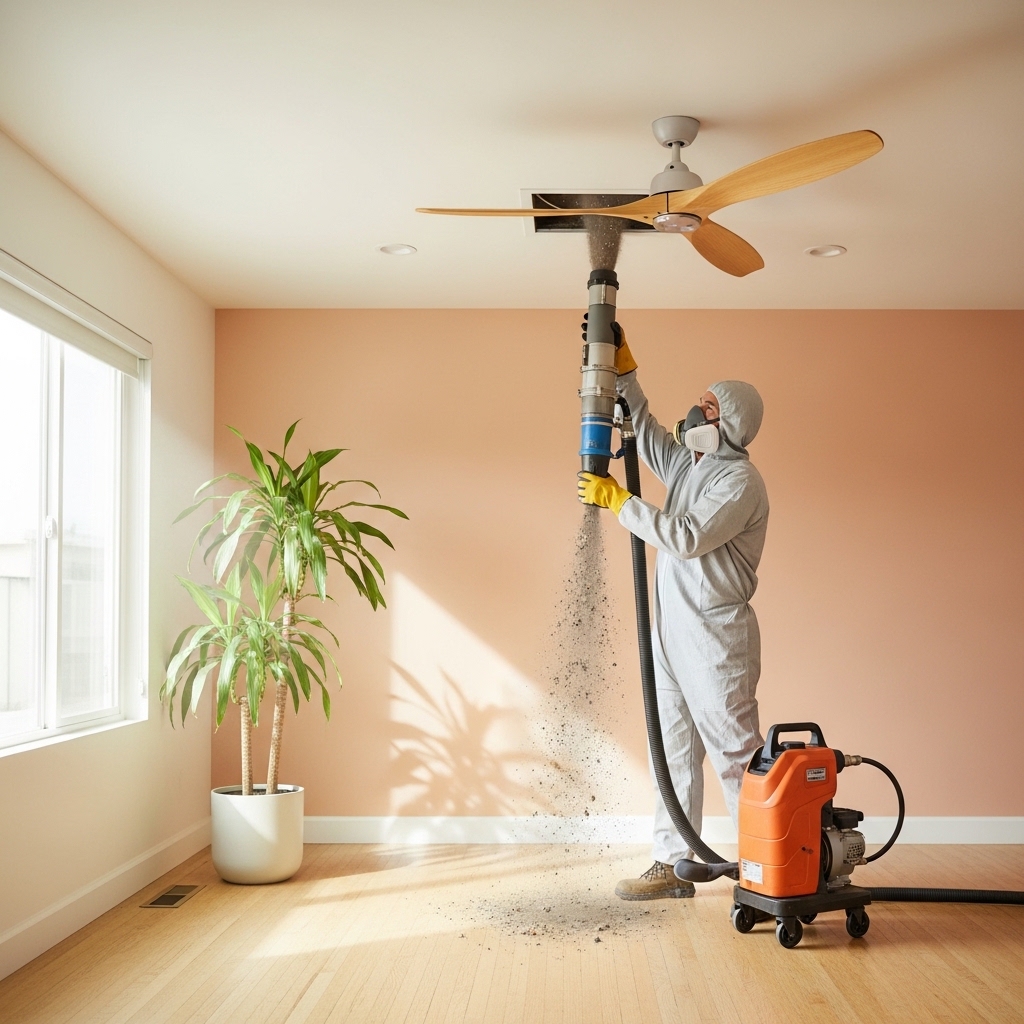
In Los Angeles, air quality and comfort are everyday concerns. We navigate freeway corridors, coastal fog, summer heat, and the occasional surge of wildfire smoke. Your home’s ductwork sits in the middle of all that, moving air through attics and crawlspaces that can collect dust and harbor leaks. When ducts are leaky or dirty, you feel it as uneven temperatures, persistent dust on surfaces, or odors you cannot quite place. That is why pairing air duct repair with smart, targeted cleaning is often the most effective way to reset your home’s comfort and air quality. As someone who spends most days in LA attics and mechanical rooms, I want to show you how a combined approach works, when it makes sense, and what a well-run visit looks like from start to finish. If you are starting to plan your project, it is a good time to schedule professional air duct repair so your system can be sealed and ready for cleaner, more efficient operation.
Why repair and cleaning belong together
Cleaning ducts without addressing leaks is like washing a floor while a window is open to a dust storm. A small return leak can draw attic air into the system, spreading dust and odors throughout your home. Supply leaks waste cooled or heated air in spaces that do not need it and can pull particulates from wall cavities or attics. Repairing the leaks first stabilizes the system, and targeted cleaning then removes the debris that has already traveled through the runs. The result is a cleaner start that lasts because you are not reintroducing contaminants through a compromised return or supply.
Understanding LA’s duct environment
Los Angeles homes are a patchwork of eras and styles. A 1930s Spanish revival might have ducts retrofitted into a low attic with narrow bays. A mid-century ranch in the Valley could have long runs that traverse hot attic spaces. Newer homes may tuck ducts into soffits to streamline ceilings. Each arrangement dictates how we access and clean. In older homes, registers and boots might be slightly out of square, and returns may be framed into walls. We adapt our approach to these conditions so that repairs and cleaning are effective and minimally disruptive.
The repair-first approach
The visit begins with diagnosis. We listen to what you experience—rooms that lag, vents that blow dusty at startup, a return that whistles—and then inspect the duct paths. We look for separated joints, torn flex sections, slipped boots, and transitions at the plenum that were never truly sealed. When we find defects, we address them using durable methods: mastic on seams and collars, UL-rated foil tape where appropriate, and proper strapping and supports. Where a short run is crushed or torn, we replace it with a correctly sized section and ensure bends are smooth to preserve airflow. At registers, we reseal the perimeter so air does not leak into cavities around the opening.
Targeted cleaning that respects your system
With leaks under control, cleaning focuses on removing accumulated dust and debris from the runs and registers. We are careful with older materials and with delicate finishes around registers. The goal is not a one-size-fits-all scrub; it is a targeted removal of contaminants in a way that protects ducts and components. If we see signs of widespread deposition—often the case after a prolonged return leak—we discuss the extent of work and any additional steps to ensure the system is refreshed thoroughly. Cleaning is also an opportunity to check each register and boot for fit and alignment, a small detail that can improve both appearance and performance.
Indoor air quality in the LA context
LA’s outdoor conditions influence indoor air more than we sometimes realize. During high wind events or wildfire smoke episodes, homes with return leaks can draw in odors and fine particulates. Near busy streets, dust can accumulate faster around vents. Sealing the return and supply pathways not only improves comfort but also limits how much outside air sneaks into the system through unintended routes. Once the system is sealed, cleaning helps eliminate what is already there so you start fresh.
What to expect on the day of service
We begin with a walk-through to confirm access points and set expectations. Protective coverings are placed where we work. After repair work is complete, we move through the cleaning steps, paying close attention to returns and high-use registers. We keep you informed of progress and findings, sharing photos so you can see the before and after. When we finish, we verify airflow at multiple vents and confirm that the system’s temperature split is where it should be. We clean the work area and return insulation to place in the attic. You will feel the difference quickly—more even temperatures and cleaner air movement through the home.
Working in attics and crawlspaces safely and efficiently
LA attics can be very hot. We plan arrival windows to take advantage of cooler hours when possible and keep our work efficient and safe. In crawlspaces, we protect surfaces and move carefully to avoid disturbing existing materials. Safety and respect for your home are built into the process. The combination of good planning and clear communication keeps the day predictable and productive.
How this approach changes everyday comfort
After repair and cleaning, most homeowners notice several things right away. Dust levels around vents and on surfaces drop. Rooms that used to lag reach temperature more quickly. Return grills may sound quieter because air is no longer whistling through gaps. The system cycles more normally instead of running long and hard to overcome leakage. Over time, these improvements tend to hold, especially when filters are changed on schedule and attic pathways remain clear.
Maintenance habits that keep ducts cleaner longer
A few simple habits extend the benefits of your repair-and-cleaning visit. Replace filters on schedule and make sure each filter sits square in its frame so air cannot bypass the media. Keep the area around the return grill clear of clutter and fabrics. In attics, avoid storing heavy boxes near duct runs, which can compress or pinch them. If you have renovations planned, let your contractor know where ducts run so they can protect those areas during work. Small habits like these go a long way toward maintaining your home’s comfort.
When a phased plan makes sense
Not every home needs a comprehensive cleaning at the same time as repairs. If dust has not spread widely, we may recommend repairing leaks first and scheduling a lighter cleaning focused on specific runs. Conversely, if a return leak has circulated debris throughout the system, a more thorough cleaning is the smartest path. We tailor the plan to your goals and the conditions we find. The common thread is always the same: seal first, clean second, then verify performance.
If you are feeling stuck deciding how to tackle comfort issues and dust in your home, a combined repair-and-cleaning strategy is often the most efficient route to a real reset. Start with a clear evaluation and a step-by-step plan. When you are ready to take the first step, schedule a visit for professional air duct repair so your system is tight and ready for a cleaner, more comfortable home.
FAQ
How do I know if my ducts need cleaning as well as repair?
Look for dust plumes at startup, persistent film on surfaces near vents, musty or outdoor odors moving through the system, and visible debris inside accessible registers. If you have had a return leak for a while, cleaning is often worthwhile after the leak is sealed. An inspection will clarify the extent of buildup and the smartest level of cleaning.
Can you complete repairs and cleaning in one visit?
Frequently, yes. We plan the day to address leaks first and then proceed with targeted cleaning. The exact timing depends on access, the number of findings, and the size of the system, but many homes can be fully addressed in a single coordinated appointment.
Is cleaning safe for older duct materials?
With careful methods, yes. We adapt techniques to the materials we encounter and avoid aggressive steps that could damage older components. The goal is effective removal of debris while preserving the integrity of the ductwork.
Will this help with odors in my home?
Sealing leaks often reduces odors by preventing unconditioned attic or crawlspace air from entering the system. Cleaning removes existing deposits that can retain smells. While no single step eliminates every odor source in a home, many clients notice a clear improvement after a repair-and-cleaning visit.
Do I need to leave during the service?
Typically, no. We ask for access to the attic hatch, return grills, and registers. You can stay for the walkthrough at the end when we share photos and confirm performance.
What maintenance should I do after the visit?
Change filters on schedule, keep return grills unobstructed, and avoid compressing duct runs with storage in the attic. If you notice changes in room comfort or new noises, reach out for a quick check so small issues do not grow.
Ready for a fresher, more comfortable home
If dust and uneven temperatures have been wearing you down, you are not imagining it—your duct system is likely asking for attention. Take the practical route: seal the leaks that matter, clean what has built up, and verify the results. When you are ready to feel the difference, schedule trusted Los Angeles air duct repair and enjoy a cleaner, steadier home environment.