
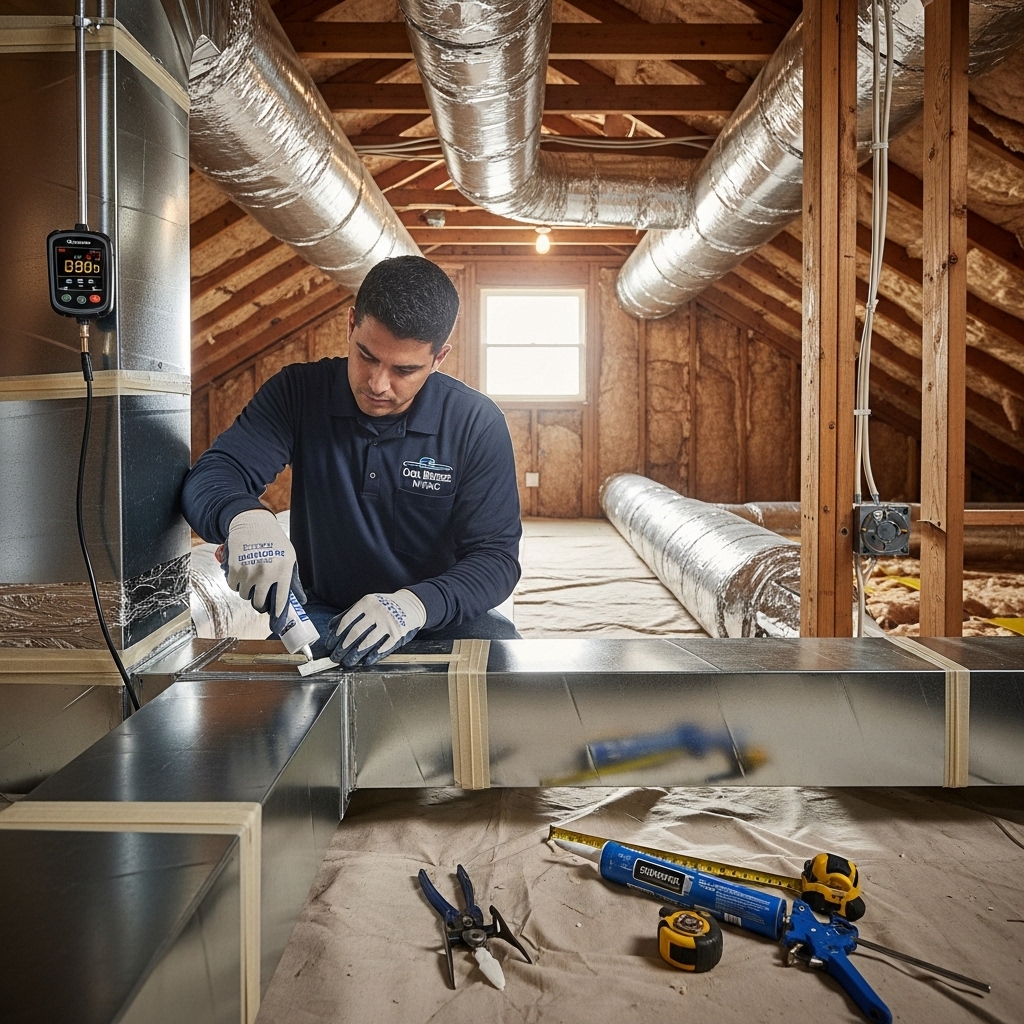
When homeowners in Los Angeles start wondering about air duct repair, the question that inevitably comes up is how the overall investment will be shaped by local realities. In our city, the landscape stretches from beachside bungalows to hillside homes, from mid-century ranches in the Valley to dense infill condos near transit. Each of these settings presents a unique duct story: different attic clearances, varying crawlspace conditions, and a wide range of materials and installation eras. Before we dive into the conditions that influence what you can expect, it helps to understand that the heart of the conversation is not a single number but a combination of building characteristics, system performance goals, and the quality of workmanship. Early on, many homeowners get their bearings by talking with a trusted local professional and exploring what true, code-compliant air duct repair entails in Los Angeles.
Understanding how our microclimates influence comfort is a helpful first step. Along the coast, you might battle salt-laden air that accelerates corrosion on metal components, while inland neighborhoods see prolonged heat that stresses ducts routed through hot attics. In canyon areas, strong winds can drive dust into attics and crawlspaces, which then infiltrates duct leaks. The same single-story stucco house in Westchester may have very different duct needs from a two-story 1920s home in Silver Lake with tight, challenging chases. Because duct systems snake through hidden spaces, the true story of what’s going on is discovered through investigation and testing rather than guesswork.
Age and type of ductwork often play an outsized role. Older homes might still have sections of rigid metal ducting that, if properly sealed and insulated, can serve for decades. Conversely, early-generation flexible duct—especially installations from certain eras—can suffer from degraded outer jackets, separated inner liners, or sagging runs that choke airflow. In Los Angeles, where renovations happen in waves, we frequently see patchwork systems: part original, part upgraded, all connected by field-made transitions. Each junction is a potential leakage point. Evaluating the condition of those connections, the integrity of takeoffs, and the quality of mastic or tape used (if any) becomes central to determining the right scope of work.
Accessibility is another local factor. Many LA homes rely on attic spaces for duct runs, yet not all attics are created equal. Some offer ample headroom with full walk boards, while others are shallow, insulated, and riddled with truss webs that make maneuvering a challenge. Crawlspaces under older craftsman bungalows can be tight, damp in winter months, or congested with legacy plumbing and electrical lines. Limited access increases the time needed for safe, careful work and can require specialized techniques or equipment—especially when protecting finished interiors is a high priority.
Beyond condition and access, system layout matters deeply. A common issue in Los Angeles is the legacy of room additions that were appended to duct systems never designed for the additional load. A den that used to be a patio, or a converted garage studio, might be under-supplied, while the core of the home is over-supplied. Repairing a leak at a trunk line might help, but true comfort sometimes depends on rebalancing airflow, resizing branches, or adding returns. This is where a holistic assessment beats a patchwork fix. It’s also where technicians versed in California energy codes and good airflow design add tremendous value, ensuring the work doesn’t simply plug holes but also aligns with your home’s real-world needs.
Sealing materials and methods are a cornerstone of durable results. We still encounter ducts “sealed” with general-purpose tapes that have long since dried and fluttered off. The preferred approach today involves quality mastics and UL-listed tapes designed for ducts, plus insulation that is continuous and properly secured. When a system is in an unconditioned attic, keeping the duct insulation intact and continuous helps temper the air traveling through those runs, which improves comfort and reduces wasted energy. It’s the kind of detail work that separates cosmetic fixes from professional repairs that hold up through hot Valley summers and cool coastal nights.
Air leakage is only one side of the equation; duct cleanliness and air quality are the other. Dust-laden attics and crawlspaces can introduce particles whenever there are gaps. In neighborhoods near busy thoroughfares, airborne particulates can settle in attics, waiting to be drawn in by negative pressure. When technicians discover evidence of intrusion—such as insulation fibers near registers or unusual dust patterns—they may recommend sealing combined with targeted cleaning and filtration upgrades. This is especially relevant in households with allergies, older adults, or young children. Since Los Angeles homes often keep windows open for much of the year, this interplay between indoor and outdoor air becomes central to a repair strategy.
In hillside homes, gravity and structure complexity can complicate runs, creating kinks or unnecessary bends that impede flow. We also encounter scenarios where duct trunks run over structural beams, forcing tight turns that produce whistling and uneven room temperatures. Repair in these contexts may involve rerouting, not just patching. This is where a combination of field experience and diagnostic tools—like static pressure measurements and airflow readings—helps determine the smartest path forward. Correcting a single pinch point can sometimes improve comfort in multiple rooms, which is always satisfying to see.
Of course, system sizing and equipment condition matter, even if you are focused solely on ducts. An air handler struggling with a choked filter or undersized return can exhibit symptoms that mimic leaks. You may hear more noise, feel weak airflow at registers, or notice long run times without the comfort you expect. A seasoned Los Angeles technician will examine the full path from return grille to supply register. This ensures you address the true cause of discomfort rather than chasing symptoms. It’s not unusual for a home that “needs more cooling” to actually need better duct sealing and balancing.
Permits and code compliance are part of professional practice in our region, especially when the scope expands beyond a simple repair. While not every task requires a permit, aligning with California’s energy standards and local building department expectations is the safest approach. This protects home value and supports long-term performance. The best contractors explain when documentation is appropriate, how inspections work, and why proper duct sealing and insulation are emphasized in our energy code. It’s all aimed at ensuring the system isn’t just working today, but doing so in a way that’s efficient and resilient.
Homeowners frequently ask about the timeline. In a straightforward case—say, sealing accessible seams and correcting a handful of poor connections—work can proceed relatively quickly. When attics are dense, returns are undersized, or multiple branches must be reconfigured, the schedule extends. In occupied homes, protecting finishes, controlling dust, and keeping daily life on track becomes part of the plan. Reputable teams set clear expectations on staging, daily cleanup, and communication so you’re never guessing what’s next.
Another recurring topic is the relationship between duct repair and energy bills. Duct leakage pushes your equipment to run longer, sometimes much longer, for the same comfort. Los Angeles homeowners who cool in late afternoons and early evenings feel this acutely during heat waves. Sealing and balancing can often trim waste while improving how the home actually feels, particularly in rooms furthest from the air handler. It’s one of the reasons why a methodical approach—diagnose, plan, execute—consistently wins out over piecemeal patchwork.
Let’s touch on materials. Flexible ducts are common for their ease of installation and routing. When properly supported and installed, they can perform well. But long unsupported spans, sharp bends, and compression reduce their effectiveness. Rigid metal sections, while more dimensionally stable, need careful sealing at every joint. A quality repair often blends both, using rigid for trunks and well-supported flex for branches, all under a disciplined sealing and insulation regimen. The objective is a quiet, efficient path for conditioned air to reach your rooms without detours or escapes.
Think, too, about return air. Many LA homes are starved for adequate return, especially after upgrades that increase cabinet ESP and installed filtration. If your system “sounds like it’s struggling,” or you feel registers blowing hard in some rooms but not others, the root could be return-side restrictions. Improving returns can dramatically change how a system breathes, reduce noise, and make each supply register more effective. Pair that with sealing and you have a powerful one-two punch for comfort.
In multifamily buildings and condos, coordination with HOA guidelines and building management often enters the picture. Access windows, quiet hours, and protection of common areas factor into planning. The right team helps navigate logistics while safeguarding your unit and neighbors’ peace. Moreover, in denser areas, attic spaces may be minimal, pushing ductwork into soffits and interstitial spaces. Diagnosing and repairing in these environments demands patience and precision.
How do you know when an assessment is warranted? Persistent hot or cold spots, visible dust near registers, musty odors when the system kicks on, or a system that runs longer than you think it should—these are common signals. After wind events or construction nearby, fine debris can move around in attics, finding the slightest path inward. If you’ve recently remodeled, moved walls, or added living space, an evaluation is wise to ensure your ducts still match the home’s new layout and use patterns.
Midway through the process, communication is everything. A clear report that maps out where leakage was found, what corrections were made, and how airflow was improved gives you confidence in the outcome. It also provides a baseline for future maintenance. Work with pros who take the time to document, photograph, and explain. This is where homeowners appreciate partnering with companies that specialize in air duct repair and understand the nuances of Los Angeles homes, from beach cottages to hillside dwellings.
Maintenance after repair is straightforward but important. Filters must be replaced on schedule, registers and grilles kept clean, and attic or crawlspace conditions monitored periodically for pests or moisture. When you keep the peripheral aspects tidy, the sealed and balanced system continues to perform. If you notice new noises, shifting airflow, or a return of dust patterns, a follow-up assessment can catch issues early before they compromise comfort.
Seasonality matters here. During hot spells, duct insulation and sealing are working overtime to keep supply air from picking up attic heat; in cooler months, the roles reverse. Homes with significant daily temperature swings benefit from duct systems that are tight and properly insulated. This steadies indoor conditions and reduces the roller-coaster feel that some Angelenos describe when the marine layer yields to midday sun and then returns in the evening.
Finally, consider the broader value of a thorough air duct repair. It’s not only about comfort today; it’s about protecting your equipment from excessive runtime, safeguarding indoor air quality for your household, and aligning your home with energy-wise practices that are increasingly important in Southern California. When a system is tuned, sealed, and balanced, the home feels more consistent, quieter, and cleaner. Those are outcomes you can sense daily, not just during extreme weather.
Frequently Asked Questions
How do I know if my ducts are the source of uneven room temperatures?
Uneven temperatures often trace back to leakage, undersized or oversized runs, or return restrictions. If the furthest rooms in your home are chronically uncomfortable, or if you notice dust near register edges, it’s a strong sign the duct system needs a professional evaluation. A technician can measure static pressure, assess airflow at registers, and inspect seams and connections to determine whether sealing, rerouting, or balancing is warranted.
My home was remodeled—could the new layout affect duct performance?
Absolutely. Wall removals, additions, and room conversions change how air moves through the building. The original system may have been designed for a different floor plan. After a remodel, reassessing supply and return placement, run lengths, and branch sizes helps ensure your ducts match the new space and usage patterns.
What’s the difference between a quick patch and a comprehensive repair?
A quick patch targets a single visible leak or loose connection. A comprehensive repair surveys the entire system, tests for additional leakage, evaluates airflow balance, and upgrades sealing materials and supports as needed. The latter approach delivers longer-lasting comfort and performance because it addresses root causes, not just symptoms.
Are there specific Los Angeles considerations I should keep in mind?
Yes. Our region’s microclimates, the prevalence of attic and crawlspace runs, and a mix of older housing stock all shape repair strategies. Coastal corrosion, dusty canyon winds, and heat-stressed attics each demand tailored solutions. Local codes also emphasize sealing and insulation to reduce wasted energy, so working with teams familiar with these standards is advantageous.
How does duct repair influence indoor air quality?
Sealing reduces the chance that dusty attic or crawlspace air will be drawn into supply streams. When repairs are paired with proper filtration and adequate returns, you reduce airborne particles and odors, leading to cleaner, more pleasant indoor air. This is particularly helpful for households with allergies or sensitive occupants.
Will I need to leave the home during the work?
Typically, no. Most duct repairs can be done while you stay at home. Professionals will protect living spaces, control dust, and communicate daily plans. If a specific task would be noisy for a short period, they will coordinate with you to minimize disruption.
How often should ducts be reassessed after repairs?
An annual check during routine HVAC service is a good rhythm. Changes in attic conditions, filter maintenance lapses, or minor shifts in supports can alter performance over time. Regular attention keeps the system tuned and prevents small issues from growing.
If you’re ready to make your Los Angeles home more comfortable, cleaner, and efficient, connect with a team that focuses on lasting solutions. Start the conversation today and learn what a thoughtful plan can do for your home. For knowledgeable local service and a clear path forward, reach out to professionals who specialize in air duct repair. And when you are set to take action, schedule an assessment now to map out the best route to a balanced, sealed system that truly supports your lifestyle.
When you want confidence that your ducts are sealed, balanced, and ready for LA’s unique climate, call a trusted local expert to evaluate your system and outline a tailored solution. Book your visit today and take the first step toward quieter, cleaner, more consistent comfort with professional air duct repair.