
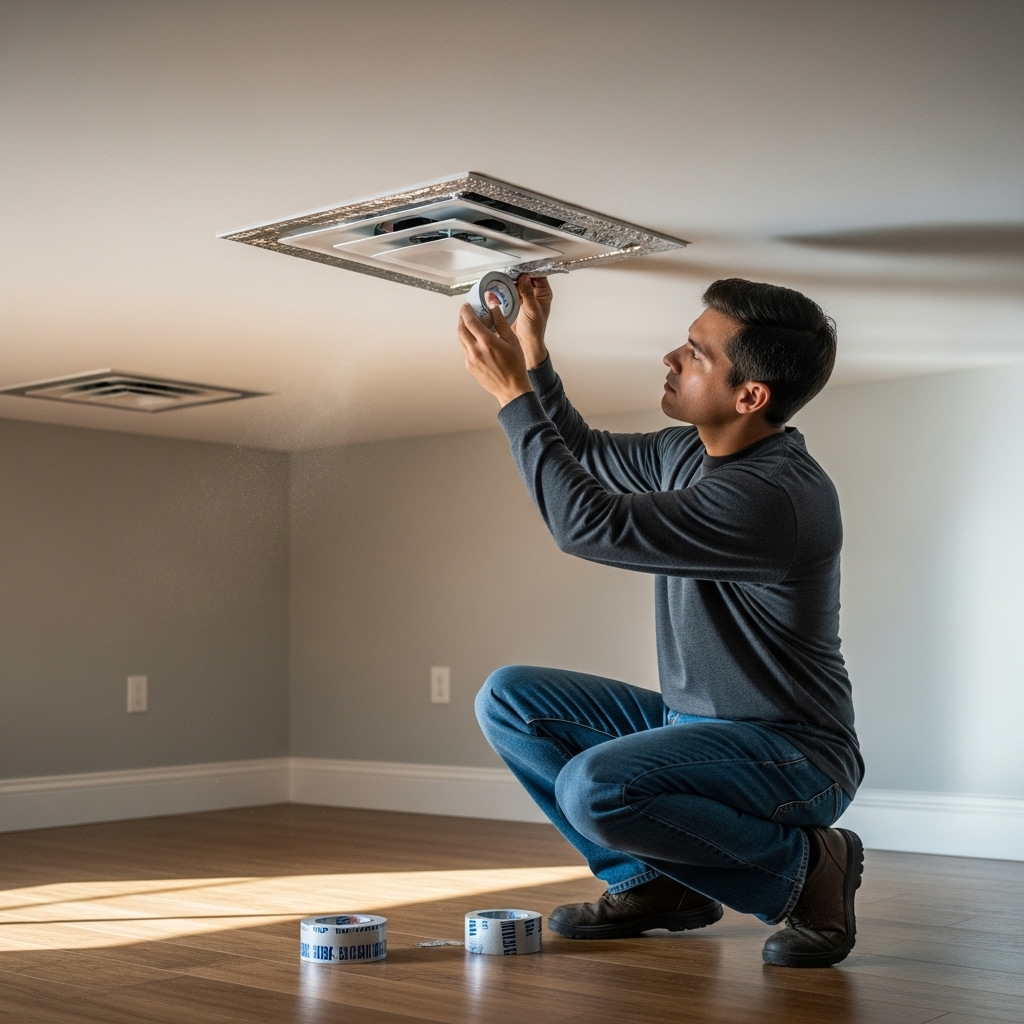
Few things are as frustrating as a drafty room that never seems to match the rest of the house. In Los Angeles, where we experience cool mornings with a marine layer and warm afternoons under clear skies, drafty rooms can feel especially stubborn. You close windows, adjust the thermostat, and shuffle fans, yet the same hallway or bedroom still feels uneasy. More often than not, the root of the problem lies not at the thermostat but in the ductwork and the way air moves through your home. When ducts leak, rooms can be pressurized unevenly, supply air can weaken, and return paths can struggle—creating the sensation of drafts and persistent hot or cold spots. It’s why many homeowners begin their journey toward comfort with a conversation about targeted air duct repair that zeroes in on sealing, balancing, and thoughtful routing.
Drafts are usually a symptom of imbalance. Imagine a bedroom that receives meager supply air while the hallway outside is flooded. Close the door, and the bedroom may go negative, tugging air in through gaps and undercuts. If the return path is inadequate, the system strains, register noise increases, and the room feels restless. Sealing the supply side leaks helps, but without return-side attention, the space may still misbehave. This interplay is fundamental in homes of every size and age across Los Angeles, where duct runs are often hidden in tight attics, soffits, and crawlspaces.
The first step toward calmer rooms is always diagnosis. Experienced technicians measure static pressure, verify airflow at registers, and note pressure differences with doors open and closed. They inspect takeoffs and plenum transitions, looking for poorly sealed seams and out-of-round connections. In attics, they check for flex duct sags, sharp bends, or compression under stored items—common causes of restricted flow. In crawlspaces under older homes, they assess supports and look for tears or crushed sections that throttle delivery. The goal is to build a picture of how air is moving, then correct the issues throttling comfort.
Sealing is both art and science. While generic tapes dry and fail, mastics and UL-rated tapes create durable seals at joints and seams. Correcting a single trunk leak can lift airflow to multiple rooms, and sealing near the plenum often yields outsized gains. But sealing alone is not the whole story. In drafty rooms, technicians frequently improve support spacing to eliminate sags, open up crushed segments, and smooth out tight turns. Where branches are undersized for their runs, resizing or rerouting makes delivery consistent. These refinements reduce pressure spikes that cause registers to hiss and doors to swing unexpectedly.
Los Angeles architecture adds interesting wrinkles. In hillside neighborhoods, ducts may climb and dip with framing, forcing extra bends. Coastal homes face corrosion influences, while hot inland attics put insulation continuity to the test. Many mid-century homes also feature long, low attics with limited headroom. Working in these environments requires patience and precision: protecting insulation from compression, choosing rigid sections where stability helps, and using flexible ducts only where gentle routing is necessary. The hallmark of a professional approach is respect for the building while solving the airflow puzzle.
Return air is the unsung hero in draft control. You can feed a room plenty of supply air, but if it cannot easily give that air back to the system, the room will pressurize when the door is closed and depessurize when it opens. Both conditions feel drafty in different ways. Some homes need dedicated returns added to key rooms, while others benefit from transfer grilles or undercut adjustments paired with sealing elsewhere. The correct solution depends on the house layout, occupant habits, and the system’s overall static pressure.
Indoor air quality often improves as a byproduct of sealing and repair. When ducts leak in attics or crawlspaces, they can draw in dusty, musty air that then travels to living areas. Sealing these pathways and pairing them with appropriate filtration makes rooms smell fresher and feel calmer. If you’ve noticed a faint attic odor when the system starts up or a halo of dust around supply registers, those are invitations to inspect and correct your ductwork.
Consider the daily rhythm of life in LA. Morning marine layer can cool certain rooms faster than others, especially those with more exterior exposure. By afternoon, solar gain hits hard on west-facing spaces. A duct system that’s sealed and balanced helps even out these swings, so you can set the thermostat and trust that interior conditions will follow. The noise profile improves as well. When pressure is right, registers stop whistling and doors quit slamming from invisible pressure differences—a common complaint in homes with draft issues.
Homes with additions or converted spaces frequently need special attention. It’s not unusual to find that a room carved out of a former garage or patio is served by a long, narrow branch that was never sized properly. Correcting that one run—smoothing a bend, increasing diameter, or adding a second branch—can change the character of the room. Duct repair is often a chain of small, intelligent changes that together deliver a big impact.
In dense neighborhoods and multifamily buildings, constraints on access make planning paramount. Licensed professionals coordinate with property managers, respect quiet hours, and protect common spaces. Even with these constraints, the essentials remain the same: seal leakage points, ensure insulation continuity, and achieve a balanced system that delivers comfort without fuss.
Communication and documentation help you follow along. A well-run project provides photos of key connections, shows before-and-after readings at registers, and explains why certain choices—like adding a return or resizing a branch—matter for your specific layout. This clarity builds confidence and gives you a reference for future maintenance.
Maintenance after repair is simple but vital. Replace filters on schedule, keep return grilles clean, and check that attic storage doesn’t compress or crimp flexible duct runs. If you notice changes—new noises, drafts that reappear, or rooms that drift from the rest of the house—a follow-up evaluation can catch issues early and keep your system on track.
Ultimately, solving drafty rooms is about restoring harmony between the supply and return sides, sealing the envelope of the duct system, and respecting the building’s unique structure. The payoff is tangible: smoother room-to-room transitions, a quieter home, and a system that feels like it’s finally working with you rather than against you.
If you are tired of rooms that never feel right, start with a diagnostic-led plan. Ask for airflow measurements, static pressure readings, and a map of key leaks and restrictions. With that information in hand, you can prioritize targeted steps that transform the way your home feels. In Los Angeles, where microclimates test our homes daily, a tuned duct system is the shortest route to eliminating drafts and restoring calm.
As you weigh next steps, consider talking with seasoned local specialists who focus on sealing and balancing rather than quick patches. Their experience across LA’s varied housing stock—from craftsman bungalows to hillside contemporaries—helps them anticipate pitfalls and tailor solutions that fit your home’s structure and your comfort goals. Many households find that this methodical approach solves long-standing problems they once thought were just part of the house’s personality.
Midway through your project, you should expect visible and measurable changes: tighter seams, better-supported runs, and registers that deliver steady, confident airflow. You’ll likely notice doors behaving better, too, opening and closing without the push and pull of unseen pressure differences. That’s the everyday proof that sealing and balancing are working.
If now feels like the right time to give your home the comfort it deserves, begin with a professional assessment. A clear plan that targets sealing, balancing, and strategic reroutes can turn drafty rooms into reliable retreats. To make the process straightforward, connect with a local team experienced in air duct repair and familiar with the unique pressures of Los Angeles living.
Frequently Asked Questions
Why does my room feel drafty even with the windows closed?
Draftiness often results from pressure imbalances caused by duct leaks, undersized runs, or inadequate return paths. When a room can’t give air back to the system easily, it pulls air through gaps and undercuts, creating the sensation of drafts. Sealing and balancing typically resolve this.
Can sealing alone fix a drafty room?
Sealing is powerful, but many draft issues also require attention to return air and branch sizing. A comprehensive plan might include sealing, support corrections, gentle reroutes, or adding a return to achieve steady, comfortable airflow.
How quickly will I notice changes after repairs?
Many homeowners feel improvements immediately: calmer airflow, less register noise, and doors that stop slamming from pressure differences. As weather patterns shift through the day, rooms remain more consistent with the rest of the home.
Is this work disruptive?
Most repairs can be performed while you remain at home. Professionals protect finishes, keep dust controlled, and communicate daily progress. Attic or crawlspace work is carefully staged to minimize inconvenience.
What part of the system is most often overlooked?
Return air. Without adequate return, even well-sealed supply runs can leave rooms feeling off. Improving returns, paired with sealing and proper support, is central to solving drafts and uneven temperatures.
If you’re ready to put drafty rooms behind you, schedule a thorough evaluation with a trusted local team and take practical steps toward a calmer, more consistent home. Start today and experience the difference of methodical sealing, balancing, and professional air duct repair. When you’re set to act, book your visit and enjoy steadier comfort in every season.
Turn frustrating drafts into lasting comfort with help from Los Angeles specialists who know our housing stock and climate. Reach out now to plan your project and feel the everyday improvement delivered by careful, code-aligned air duct repair.