
Los Angeles homeowners have plenty of choices when it comes to home services, but air ducts are one area where the difference between a licensed professional and a generic handyman quickly becomes clear. Duct systems sit at the crossroads of comfort, indoor air quality, and energy use. They’re also deeply intertwined with local codes and California’s energy standards. When you bring in a licensed contractor, you are hiring someone accountable to state requirements, trained in safe work practices in attics and crawlspaces, and prepared to design and execute repairs that last. It’s why, before any work begins, many Angelenos start their research by learning what comprehensive air duct repair looks like in our region.
Licensing in California signals that a contractor has demonstrated knowledge of HVAC principles, safety, and business responsibility. In the field, that translates to technicians who understand static pressure, how to size and route runs, and when to recommend returns or balancing. In Los Angeles, where many homes combine old framing with newer finishes, skilled pros protect your architecture while improving airflow. They prioritize proper sealing with mastics and UL-rated tapes, ensure insulation remains continuous, and verify that your equipment can breathe freely through adequately sized returns. The result is a quieter, more even comfort across rooms—without unnecessary risk to your home’s structure.
Local expertise also matters. From the marine layer at sunrise to scorching Valley afternoons, our microclimates produce daily swings that stress duct systems. Licensed contractors recognize how these conditions impact materials and performance. Along the coast, for instance, corrosion on metal fittings can accelerate. In hillside neighborhoods, duct runs often zigzag through tricky framing, making support and gentle bends essential to avoid whistling or restricted flow. Understanding these patterns helps pros anticipate problems and design repairs that hold up for years.
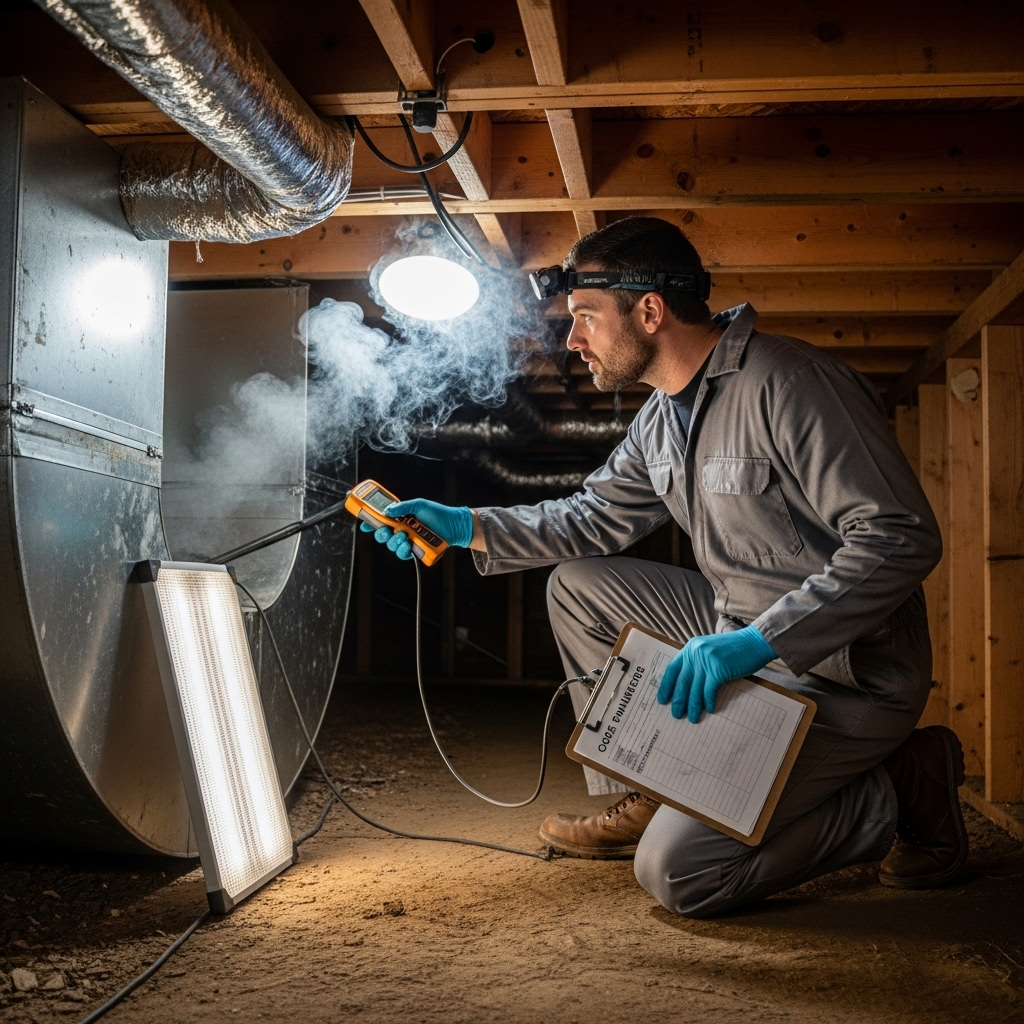
One of the strongest arguments for working with licensed services is the emphasis on diagnostics. Instead of guessing where a system is losing air or why a bedroom runs hot, licensed teams test. They measure static pressure, check airflow at registers, and use smoke or tracer methods to identify leak points. When the repair plan is based on real data, the work targets root causes. That means fewer callbacks, better performance, and a home that genuinely feels more comfortable.
A good repair plan embraces the whole system. Consider return air: many LA homes, especially those upgraded over time, have returns that are too small for modern filtration or higher-efficiency equipment. Licensed contractors recognize that improving return pathways can be just as important as sealing supply runs. They also evaluate plenum transitions, takeoffs, and balancing dampers to ensure air is distributed in line with the home’s layout. The goal is always to deliver comfort quietly and efficiently, not simply to patch the most obvious leak and move on.
Another hallmark of licensed work is respect for safety and cleanliness. Attic and crawlspace repairs may disturb dust, insulation, or old materials. Professionals protect living spaces, use appropriate containment practices, and leave your home tidy at the end of the day. They also know when to pause work and advise additional evaluation—for instance, if they discover materials that warrant special handling. Communication and documentation form part of this ethic, leaving you with a record of what was found and how it was corrected.
Permits and compliance come into play as scope increases. While not every repair requires a permit, licensed contractors know when the building department expects documentation and inspection. This gives you confidence that the work aligns with local standards and preserves value for future buyers who may ask about mechanical improvements. Los Angeles places particular emphasis on energy efficiency and air sealing, reflecting our region’s long-term commitment to reducing waste. Aligning repairs with those expectations ensures a better, more resilient outcome.
In multifamily buildings and condos, licensing brings added benefits. You may need to coordinate with property managers and HOAs, respect quiet hours, and protect common areas. A licensed team navigates logistics without drama, communicates transparently, and understands how to work within the constraints of shared spaces. They plan access, staging, and cleanup to fit your building’s routines, minimizing disruption for neighbors and keeping you on good terms with your community.
Homeowners often ask how a licensed approach translates into everyday comfort. The difference becomes obvious once airflow is balanced and leaks are sealed. Rooms stop fighting each other for supply air, registers sound quieter, and daytime temperature swings feel less extreme. If a space addition or remodel threw your duct system out of balance, a licensed contractor brings design thinking to the repair. They might add a return in a new zone, resize a problematic branch, or smooth tight turns that cause noise. The aim is to make the home feel cohesive again.
For older homes, the path may include a blend of rigid metal and flexible ductwork. Licensed teams use rigid sections where stability and straight runs are possible, then transition to well-supported flexible ducts for branches that weave through framing. Every joint is sealed with appropriate materials, and insulation is made continuous. Supports are spaced to avoid sagging, and bends are gentle to preserve static pressure. It’s the attention to detail that makes performance predictable and durable.
Diagnostic-driven repair also supports better indoor air quality. Leaks in attics or crawlspaces can pull in dust, fibers, and odors. When those pathways are closed and filtration is matched to your equipment’s capabilities, the home feels cleaner. If you’ve ever noticed a musty smell when the system kicks on or a halo of dust around a supply register, it’s a signal to bring in a licensed professional for a comprehensive evaluation. They’ll track the source and correct it methodically.
Communication is another advantage of licensed services. You should expect a clear scope of work, photo documentation of issues, and updates as milestones are reached. If your project involves stages—such as sealing first, then rebalancing airflow—your contractor will explain the sequence and anticipated results. This sets expectations and gives you confidence in each step.
In Los Angeles, a licensed contractor’s familiarity with our construction styles is invaluable. From low-slope roofs with tight attics to raised foundations with limited crawlspace access, they’ve seen the gamut. The solutions they propose are grounded in what works here, not just in theory. For example, they’ll avoid routing flexible ducts across long spans without support, and they’ll protect insulation from compression that would reduce its effectiveness. They’ll also think ahead about serviceability, ensuring future technicians can access key points without tearing into finishes.
Another benefit of this approach is lifecycle thinking. Good repairs protect equipment by reducing excessive runtime and static pressure, which, over time, can extend the useful life of your system. When airflow is smooth, filters do their job, and temperature calls are satisfied efficiently, both comfort and longevity improve. That’s a win-win for day-to-day living and future planning.
Midway through a project, many homeowners appreciate a brief performance check: register readings, static pressure measurements, and visual inspection of key seals. This provides tangible proof that the work is delivering the intended results. It also gives you a snapshot to reference during future maintenance, a benchmark for continued performance.
If you’re navigating conflicting advice, lean on the licensed contractor’s diagnostics. Data-based recommendations prevent unnecessary work and prioritize changes with the biggest impact. When you can see which runs are underperforming and which connections are leaking, decision-making becomes straightforward.
Finally, there’s peace of mind. Knowing your home’s duct system has been assessed and corrected by pros who stand behind their work makes every cooled or heated day feel better. In a city where we juggle busy schedules, this confidence is worth a lot. You’ll hear it in the hush of a quiet supply register and feel it in the consistency of room temperatures across morning, afternoon, and night.
When you’re ready to take the next step, align yourself with experienced local professionals who bring testing, craftsmanship, and code knowledge to the table. Start the process with a conversation about your home, your comfort goals, and the performance issues you’ve noticed. For a clear, methodical path to lasting results, connect with specialists in air duct repair who work in Los Angeles every day.
Frequently Asked Questions
Why is hiring a licensed contractor so important for duct work?
Licensing indicates training, accountability, and familiarity with codes and safe practices. Licensed pros use diagnostics to pinpoint issues, apply correct sealing materials, and design balanced airflow. This produces durable results and protects your home.
Do all duct repairs require permits?
No, not all. The need for permits depends on scope and local rules. A licensed contractor will explain when documentation is appropriate, how inspections work, and why code-aligned sealing and insulation are emphasized in our region.
How does a licensed team diagnose duct problems?
They measure static pressure, verify airflow at registers, inspect seams and takeoffs, and may use smoke or tracer methods to locate leaks. The data guides a targeted repair plan rather than guesswork.
Can licensed repairs improve indoor air quality?
Yes. Sealing reduces pathways that pull dusty attic or crawlspace air into the system. When combined with proper filtration and adequate return air, homes feel cleaner and smell fresher.
What if my home has a mix of old metal duct and newer flex runs?
That’s common in Los Angeles. A licensed contractor will evaluate each section, keep what performs well, and correct or replace what doesn’t. Proper transitions, sealing, support spacing, and insulation continuity are key to success.
Will my daily routine be disrupted?
Professionals plan staging, protect finishes, and keep communication flowing. Most projects allow you to remain at home, with noisy or dusty steps scheduled and contained as needed.
Ready to work with a team that blends diagnostics, craftsmanship, and local know-how? Reach out today, share your comfort goals, and schedule a professional assessment. Take the first step toward a quieter, cleaner, more consistent home with expert air duct repair. When you’re set to move forward, book your visit and feel the difference a licensed approach makes across every room.
If you want confidence from the start and results that last, choose local specialists committed to code-aligned work and clear communication. Contact an expert today and transform the way your home feels with proven, professional air duct repair.