
In Los Angeles, interior wall insulation is one of those upgrades you don’t fully appreciate until you live with it. The difference shows up in quieter bedrooms, steadier temperatures room to room, and HVAC that doesn’t fight quite so hard when the sun leans into one side of the house. Whether you’re renovating a classic Spanish, refreshing a mid-century ranch, or optimizing a contemporary ADU, local expertise in insulation installation makes interior wall upgrades smooth, clean, and tailored to LA living.
Unlike attics, which are mostly about thermal control, interior walls add an acoustic dimension that matters in a city of freeways, helicopters, and lively neighborhoods. They also help with temperature balance between rooms, especially when exposures vary—think a south-facing living room adjacent to a shaded hallway. The right approach respects existing finishes, coordinates with electrical and plumbing runs, and leaves you with walls ready for paint or final surfaces without visible disruption.
Why insulate interior walls?
The primary reasons are sound and comfort. Insulation in interior partitions absorbs airborne noise—voices, music, television—making homes feel calmer and more private. It also buffers temperature differences created by sun exposure or HVAC zoning, which is common in larger LA homes and ADUs. In multi-story houses, interior wall insulation can reduce the transfer of mechanical noise from laundry areas or home theaters to bedrooms and offices.
Interior wall insulation is also an opportunity to address small air pathways that connect rooms and floors. While the exterior shell is the main target for air sealing, managing air movement inside the house contributes to even temperatures and helps HVAC systems perform more predictably.
Materials that work well in Los Angeles
For interior walls, high-density fiberglass batts and dense-pack cellulose are common choices. Batts are effective when framing is regular and cavities are unobstructed; they’re installed carefully around electrical boxes and plumbing to maintain full coverage. Dense-pack cellulose excels in retrofits and irregular cavities, conforming to the space and offering excellent sound absorption. In some specialty cases, spray foam may be used strategically, but for interior partitions, the acoustic benefits of fibrous materials often lead the conversation.
In rooms where moisture is a consideration—bathrooms and laundry areas—the assembly is detailed to maintain drying pathways and avoid trapping moisture. The choice of finish materials, from paint to tile backer, is coordinated to keep the wall system healthy over time.
Installation with minimal disruption
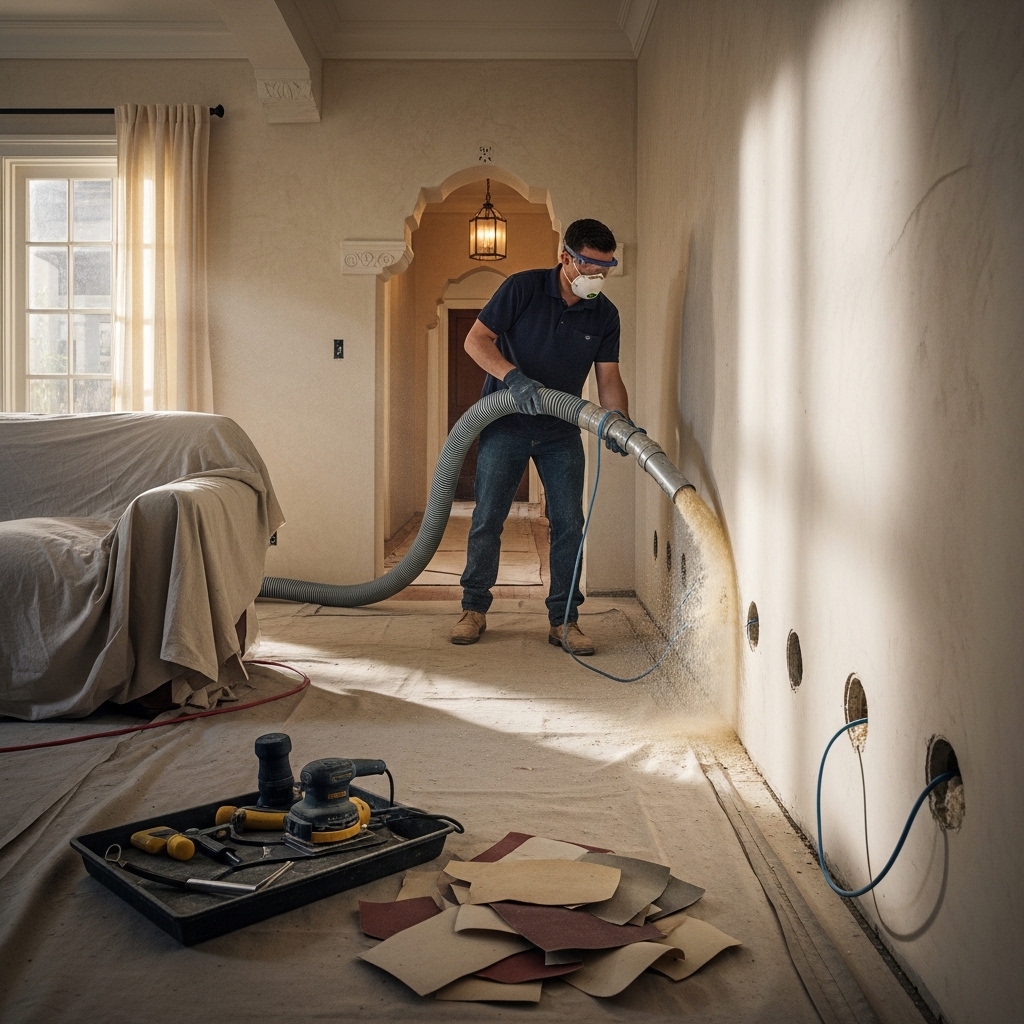
Homeowners often worry about mess and downtime. A professional plan addresses those concerns by sequencing work efficiently. Rooms are prepared with protective coverings, access points are planned to minimize impact, and work proceeds methodically so each space can be returned to service quickly. In many cases, dense-pack techniques allow for small, discreet holes that are later patched flush, leaving surfaces ready for paint.
Communication is central to a smooth experience. You’ll know which rooms are scheduled, how noise will be managed, and what to expect each day. For larger projects, coordination with electricians, plumbers, and HVAC technicians ensures that systems are accessible and any penetrations are sealed appropriately.
Acoustics: designing for quiet
Sound control is part science, part art. Beyond insulation, we consider how walls connect to floors and ceilings, where doors and windows sit, and whether resilient channels or other decoupling strategies make sense during a remodel. Even without structural changes, upgraded insulation can dramatically reduce everyday noise. Bedrooms benefit from calm; home offices gain focus; shared walls with living areas carry fewer distractions.
For LA homeowners near busy streets or under common flight paths, interior wall insulation helps mute the general noise floor, complementing exterior upgrades like better window seals and strategic shading. In media rooms, dense-pack fills cavities uniformly so the wall performs consistently across frequencies, improving both sound isolation and the listening experience inside the room.
Thermal balance inside the home
Interior wall insulation supports a balanced, predictable indoor climate. In homes with split-level layouts or extensive glazing, some rooms heat or cool quickly while others lag behind. Insulating partitions reduces heat bleed between spaces, allowing thermostats and zoning strategies to work more effectively. It’s a subtle shift that shows up in how comfortable the home feels during the shoulder seasons when HVAC runs less often.
Another benefit shows up at night. If you’ve noticed that bedrooms along a hallway feel warmer than the living room after sunset, interior wall insulation can help hold the day’s cool in conditioned spaces and prevent warmer zones from spilling over.
Retrofitting classic LA construction
Many Los Angeles homes feature lath-and-plaster walls, irregular framing, and layers of past remodels. Dense-pack cellulose is well suited for these conditions because it can fill around irregularities and knit into a solid layer within the cavity. Access points are placed strategically—inside closets or behind furniture when possible—and patches are blended to maintain the home’s character. Where batts are appropriate, they’re cut precisely to fit, avoiding compression and gaps that would compromise performance.
Vintage details like picture rails, crown molding, and built-ins can remain undisturbed with careful planning. When we open walls for other reasons—electrical upgrades, plumbing improvements—we coordinate to insulate at the same time to minimize repeat disruption. The result is a cleaner, more efficient home with its historic charm intact.
Coordination with HVAC and ventilation
A quieter, tighter interior raises an important question: how does fresh air flow? In Los Angeles’ mild climate, simple, reliable ventilation strategies are often best. Bathroom fans on timers, a well-ducted range hood, and attention to door undercuts keep air moving where and when you want it. Interior wall insulation supports these systems by limiting unintended airflow through partitions, which helps maintain pressure balance and improves overall comfort.
FAQs
Q: Will insulating interior walls make my home too quiet or “dead”? A: Most homeowners find the result pleasantly calm, not lifeless. We tune materials to the space so voices remain clear while unwanted noise is reduced.
Q: Do you have to remove drywall to insulate? A: Not necessarily. Dense-pack methods allow insulation through small access points that are later patched. Where drywall removal is advantageous—during a larger remodel—we coordinate to insulate before finishes go back on.
Q: Which rooms benefit most? A: Bedrooms, nurseries, home offices, media rooms, and laundry areas are top candidates. Hallways and shared walls with living spaces are also popular choices.
Q: Will insulation help with temperature differences between rooms? A: Yes. By reducing heat transfer across partitions, insulation helps zoning strategies work better and reduces the feeling of hot or cold spots.
Q: How long does installation take? A: Many projects complete in a day or two, depending on scope and access. We plan work to minimize downtime in key rooms.
Make your home calmer and more consistent
If you’re ready to enjoy quieter rooms, steadier temperatures, and a home that feels more private without major renovation, interior wall insulation is a smart step. Let’s talk through your goals, look at your floor plan, and design a tidy, targeted project that respects your style and schedule. When you’re ready, connect with a local team and experience how expert insulation installation can elevate daily life in Los Angeles—from first light to lights out.