
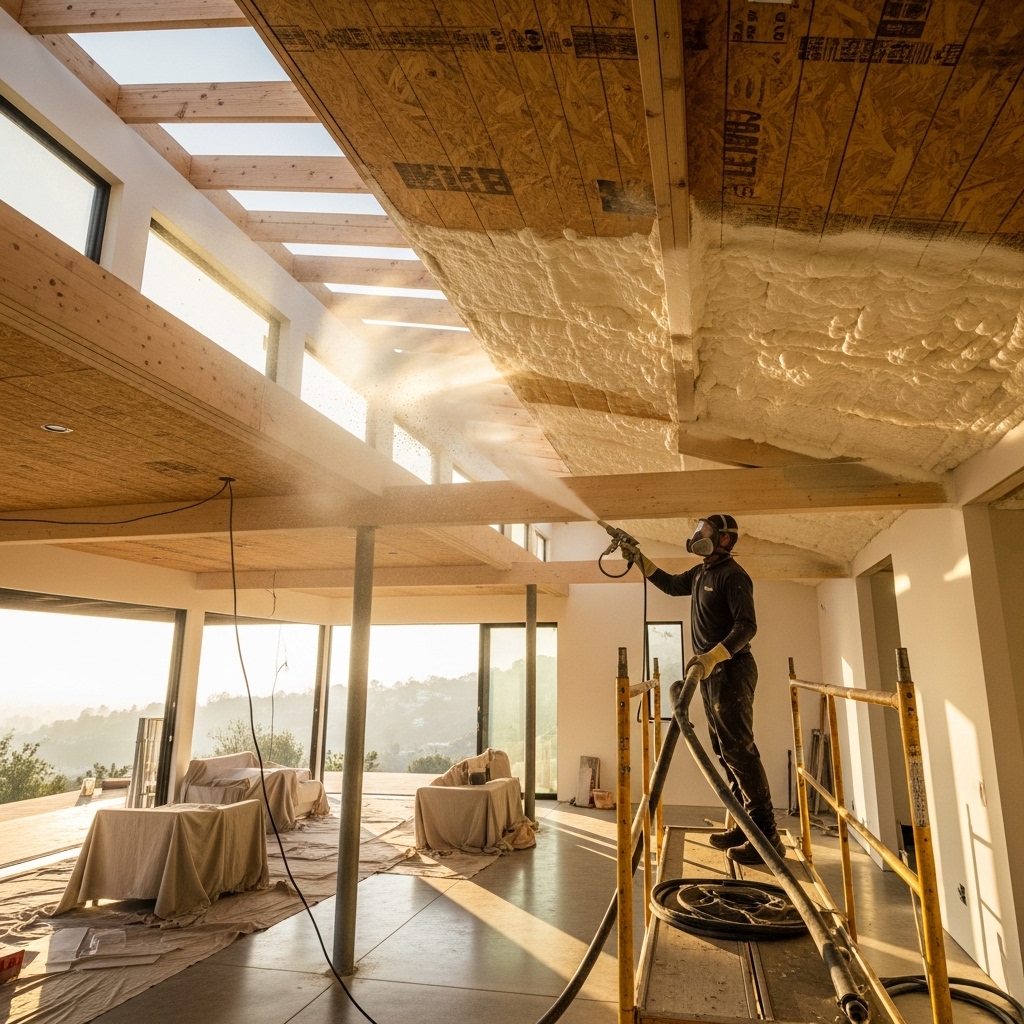
In a city defined by sun, microclimates, and architectural diversity, spray foam insulation has become a go-to solution for homeowners seeking top-tier comfort and control. From hillside moderns to beach bungalows and Valley ranch homes, the ability of spray foam to seal and insulate in one pass offers a performance edge that fits Los Angeles living. If you’ve struggled with hot rooms over the garage, drafty additions, or a home that never seems to hold temperature, professional spray foam insulation installation can be the difference between constant thermostat tinkering and effortless comfort.
Spray foam is unique because it starts as a liquid, expands to fill gaps, and cures into a rigid or semi-rigid material depending on type. That means it can address the two biggest enemies of comfort at once: heat transfer and air leakage. In a climate where afternoon sun can superheat roof assemblies and Santa Ana winds push dusty air through the tiniest cracks, sealing the shell creates quieter, cleaner, and more stable interiors.
Open-cell vs. closed-cell: choosing what fits
Los Angeles homes benefit from both types of spray foam, but they serve different purposes. Open-cell foam is softer and lighter, expanding generously to fill cavities and dampen sound. It’s often used in interior walls or rooflines where acoustic performance and air sealing are paramount. Closed-cell foam is denser, adding structural rigidity and offering a higher R-value per inch. It’s a strong candidate for compact spaces, rim joists, and assemblies where moisture control and thermal power must be maximized.
Local climate and assemblies guide selection. Along the coast, where fog and salt air are everyday realities, closed-cell foam’s low permeability can be useful in targeted locations. Inland, where heat gain is more intense, either foam can perform beautifully when installed correctly and paired with a holistic plan for ventilation and mechanical systems.
Sealing the building envelope in real-world conditions
Air leakage steals comfort and energy, and older homes are especially leaky around top plates, recessed lights, and framing transitions. Spray foam shines in these complex areas because it creates a continuous air barrier as it insulates. That’s a game changer in rooms under vaulted ceilings or over garages, where conventional materials struggle to block airflow. By closing the pathways for hot attic air and outdoor dust, foam helps maintain clean indoor air while making temperature control far more predictable.
In Los Angeles, we often see irregular framing in additions built over the decades. Spray foam handles those quirks gracefully by expanding into tight corners and around obstructions. The result is even coverage that reduces thermal bridging and drafts, which you’ll feel as a quieter, calmer home—especially during wind events or heat waves.
Rooflines, attics, and conditioned space
One of the most transformative uses of spray foam is at the roofline to create an unvented, conditioned attic. By insulating along the roof deck instead of the attic floor, you bring the ductwork and mechanicals into the thermal envelope. That’s a major win in Los Angeles homes with HVAC equipment in the attic, because the system is no longer baking in 140-degree air each summer afternoon. A conditioned attic also reduces dust infiltration and can improve the longevity of stored items and building materials.
When shifting to a conditioned attic, attention to ventilation is key. With the attic now part of the home’s interior, natural venting through soffits and ridge vents is eliminated, so the home’s fresh air must be delivered intentionally through bath fans, kitchen hoods, or balanced systems planned as part of the project. This is where local experience matters—our mild heating season and intense solar exposure call for a tailored strategy that maintains healthy, intentional airflow.
Installation quality makes all the difference
Spray foam is not a one-size-fits-all product; it’s a system that requires precise application. Substrate temperature, humidity, and mixing ratios affect how the foam expands and cures. An experienced crew monitors these variables, adjusts technique on the fly, and confirms coverage and adhesion. The process includes protecting finishes, masking where needed, and establishing clear safety zones. After application, trimming, cleanup, and verification ensure the assembly is sealed properly and ready for any finishes or mechanical work that follows.
We also respect code and safety requirements specific to spray foam. That includes ignition barrier or thermal barrier coatings where required, clearances around heat-producing fixtures, and coordination with electrical and HVAC teams. The end result is a high-performance shell that meets both comfort goals and compliance benchmarks.
Where spray foam makes the biggest impact in LA homes
Think of problem rooms you’ve learned to avoid on hot afternoons or chilly mornings. Over-garage bonus rooms often run 10–15 degrees off the rest of the house due to conduction through the garage ceiling and air leakage at rim joists. Vaulted ceilings with minimal insulation can radiate heat downward well into the evening. Crawl spaces near coastal areas can introduce moisture and odors through unsealed floors. In all of these scenarios, spray foam offers a direct path to control: seal the air, add R-value, and create a consistent interior environment.
Midway through many projects, homeowners begin to notice an unexpected benefit—sound reduction. Open-cell foam in particular absorbs airborne noise, which helps in homes near flight paths, busy arterials, or lively commercial streets. Combined with properly sealed windows and doors, it’s often the difference between a house that feels hectic and one that feels like a retreat.
Pairing foam with thoughtful ventilation
A tighter home is a more comfortable home, but it must be paired with intentional ventilation. In our region, that might be as simple as running quiet bath fans on timers to guarantee fresh air, ensuring range hoods vent outside, and checking that any existing make-up air provisions are maintained. If you’re planning a larger remodel, it’s worth discussing balanced solutions that gently exchange stale indoor air for filtered outdoor air while recovering heat or cool. These systems can be compact and unobtrusive, and they complement the stability that foam brings to the shell.
Planning, phasing, and future upgrades
Spray foam pairs well with a phased approach to home improvements. Once the envelope is sealed, HVAC systems often run less and may even be candidates for downsizing when they’re eventually replaced. Ductwork performance improves because leaks and temperature swings in attics or crawl spaces are reduced. Windows and shading devices become more effective because the interior loads are stabilized. In short, spray foam lays the foundation for long-term efficiency and comfort while giving you the flexibility to plan other upgrades on your timeline.
FAQs
Q: Is spray foam safe for my home? A: When installed by trained professionals who follow product specifications and safety protocols, cured spray foam is an inert building material. The installation phase is controlled with ventilation and access limits, and the space is returned to normal use after curing and cleanup.
Q: Will spray foam make my house too tight? A: A well-sealed home is healthier and more predictable than a leaky one, provided you include intentional ventilation. We evaluate your home’s existing fans and systems and recommend simple solutions to maintain fresh air.
Q: Can I use spray foam in older homes with irregular framing? A: Yes. Foam excels in complex cavities and around obstructions, making it ideal for additions, vaulted ceilings, and areas with lots of penetrations.
Q: How does foam compare to traditional insulation? A: Foam combines air sealing and insulation in one step, which boosts performance. Traditional materials can also perform well when paired with thorough air sealing; the choice comes down to your assemblies and goals.
Q: Will an unvented, conditioned attic cause moisture issues? A: Not when designed and executed properly. The assembly is detailed to manage moisture, and the home’s ventilation strategy is updated to maintain indoor air quality.
Take control of comfort in your Los Angeles home
If you’re ready to eliminate hot spots, quiet outside noise, and create a calm interior that holds temperature day and night, it’s time to talk with a local expert. A short consultation can reveal whether open-cell, closed-cell, or a hybrid approach fits your home, and how to coordinate ventilation and future upgrades. Reach out today to plan a thoughtful project and experience the difference that professional insulation installation brings to everyday life in Los Angeles.