
Long-term rodent protection in Los Angeles is less a one-time project and more a rhythm that must match the city’s own tempo. The neighborhoods shift from dense urban corridors to breezy coastal blocks and high-desert edges, and each environment asks something different of a home’s envelope. As a local who has spent countless hours peering under crawl spaces from South LA to the Valley, I can tell you that persistent success depends on pairing good materials with repeatable habits. If the work after year one looks the same as it did on day one, you are already ahead of the curve. But longevity is about refinement too, adapting to the house’s small changes and to our climate’s familiar cycles. A strong start, anchored by thoughtful rodent proofing, sets the stage for maintenance that feels manageable rather than overwhelming.
Maintenance begins with a map, even if it is only in your head. Visualize every point where the outside could become the inside. Gas and water lines, AC conduits, electrical penetrations, and low wall vents should exist as landmarks you can recall without looking. Mark the attic hatch, the garage side door, the ground-to-stucco seam, and the roof transitions where different materials meet. In an older Spanish or Mission-style home with clay tiles, understand how the curvature of the tiles creates voids at the eaves. In a 1950s ranch with a low-slope roof, focus on roof-to-wall junctures and any old swamp cooler openings that were capped in the past. Keeping these mental notes ensures your routine checks are efficient and meaningful.
Seasonal Cadence and What to Expect
Our seasons are subtle but consequential. In spring, vegetation surges. Ground cover thickens near foundations, and vines make fast progress toward eaves. Trimming back early prevents ladders to the roof and promotes airflow that limits musty conditions in shaded corners. Summer heat is a test of endurance for building seals and for fasteners holding screens in place. Materials expand by day and contract by night, creating micro-movements that can loosen old work. Fall brings the first cool nights and with them the annual push for warm shelter. By winter, the priority shifts to confirming that storms have not lifted flashing or forced water behind siding, which can undermine previous sealing. Plan your inspections to align with these cycles, and you will catch small issues before they invite bigger problems.
The Santa Ana winds deserve special mention. They are notorious for prying up edges, bending metal, and sending debris into gutters and roof valleys. After a wind event, survey the roofline safely from the ground with binoculars if necessary. Look for displaced vents, upturned tile corners, or damaged ridge caps. Then walk the yard. You will often find where branches fell and where screens loosened just enough to create a future opening. Taking ten minutes after a big blow saves hours later on.
Materials That Last and Methods That Matter
Successful long-term exclusion in Los Angeles is often a conversation between durability and compatibility. Mesh gauges should be chosen to stop the smallest expected intruder without blocking designed ventilation. Fasteners should bite into structural material, not merely cling to stucco. High-quality sealants remain flexible and resist UV degradation so they do not crack after a single summer. In garages and at doors, weatherstripping that seals fully while still allowing smooth operation is essential; friction and misalignment are where good intentions go to die. A fresh sweep that drags or a threshold that creates a lip you trip over will not survive busy family routines.
Methods matter just as much as materials. When fitting a screen to a gable vent, for example, create a tensioned frame that distributes stress so a single corner cannot pull free. Around utility lines, backfill gaps with a substrate that discourages chewing before finishing with a clean exterior bead. In attics, support new barriers so they do not rest against wires or compress insulation in ways that reduce thermal performance. Maintenance is what keeps those choices paying dividends year after year.
Documentation: The Unsung Hero of Maintenance
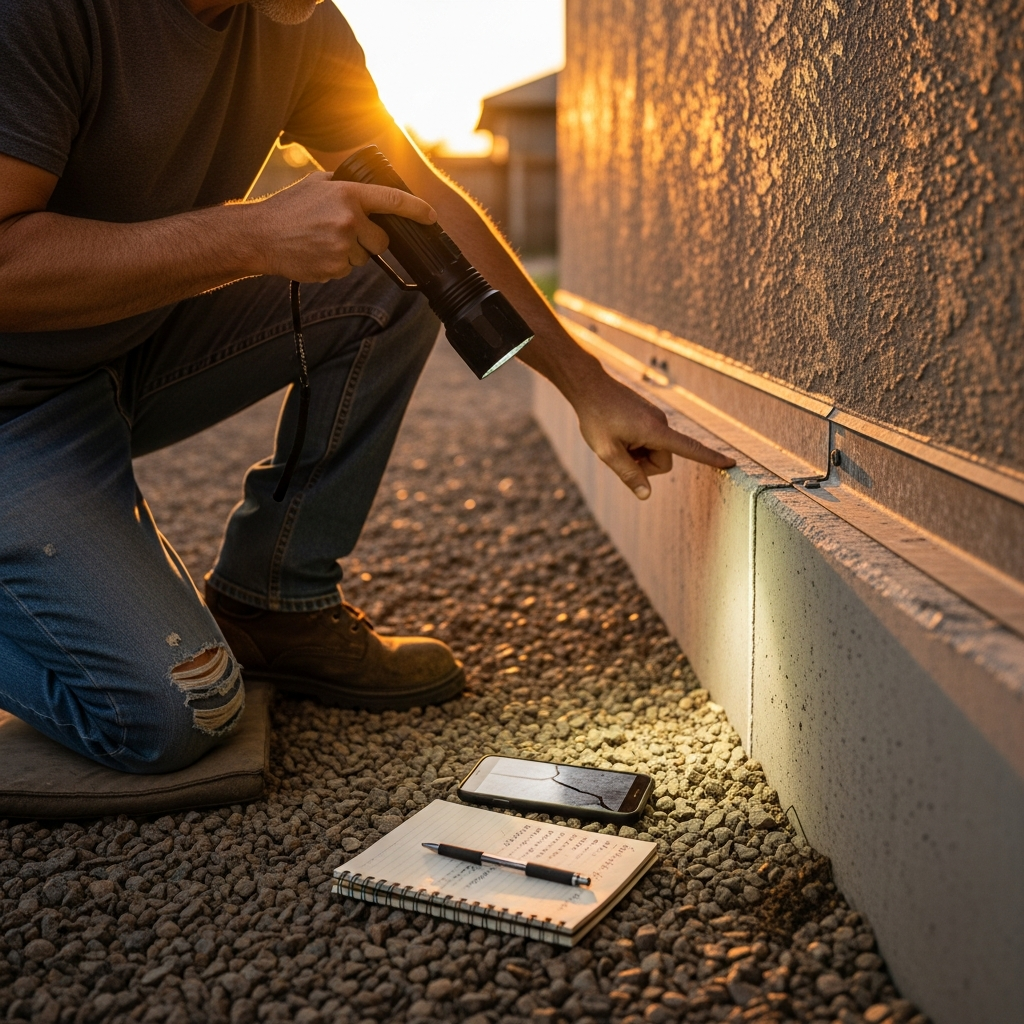
Few homeowners relish record-keeping, but simple documentation pays off. Create a basic log with dates, areas inspected, and any products used. Add photos for context. This helps you notice trends across seasons and highlight recurring weak points. If you ever sell your home, this record demonstrates diligence and can answer buyer questions confidently. For those who prefer digital tools, a folder in your phone labeled House Envelope with subfolders for Roof, Attic, Garage, and Yard will serve you well. Snap before-and-after shots when you refresh a seal or replace a vent cover. Months later, you will not have to guess what you did or where you left off.
Consider labeling less visible areas. A discreet note near an attic hatch or on the back of a garage shelf can remind you when you last checked a tricky penetration. In older homes with layered repairs, these breadcrumbs save time and prevent redundant work. They also help any professional who assists you, allowing the focus to remain on improvements rather than detective work.
Behavioral Cues and Early Warnings
Rodents advertise their presence in consistent ways. In Los Angeles, garages are often multipurpose, holding sports gear, holiday decor, and tools stacked along walls. If you find shredded paper in a corner, especially near the warmth of an interior wall, treat it as a flare in the night sky. In the attic, pathways through insulation look like pressed trails, often running along joists near eaves. Outside, explore the shadowed gap where stucco meets concrete. If you notice greasy smudges or faint rub marks, consider it an invitation to investigate further. The earlier you respond, the less extensive the remediation has to be.
Odor is another signal. A sudden musty scent localized to a cabinet or hallway can indicate a new point of interest for wildlife. Trace it methodically. And listen, especially on quiet nights. Scratches, light scurrying, or the pitter-patter that starts right after sunset are patterns worth acknowledging. Maintenance thrives on attention to these small cues.
Midyear Tune-Ups and The Power of Small Fixes
You do not need a crisis to justify a tune-up. Schedule a midyear session devoted to tightening what time has loosened. Refasten a screen that wobbles. Replace a worn door sweep before it becomes a daylight gap. Clear attic vents of cobwebs and dust that obscure view and airflow. Re-examine the integrity of caulks and backer where utility lines pass; if the material has crusted or separated, clean and reseal. Each of these tasks takes minutes, and together they reinforce the envelope you worked hard to establish.
Midyear is also a good time to revisit how you store attractants. Birdseed, pet food, and pantry staples stored in garages should live in sealed bins, ideally raised slightly off the floor to allow for quick inspection. Reorganize shelves so the lowest levels do not become shadowy havens behind stacked boxes. These changes reduce temptation and make evidence easier to spot.
Working With Professionals Without Losing Ownership
There is a smart way to blend your ongoing stewardship with professional expertise. Think of pros as your structural and building-science consultants. Tap them when custom metalwork is needed at roof penetrations, when you suspect electrical hazards in the attic, or when a difficult access area demands special equipment. Use their assessments to refine your map and your maintenance calendar. When you take ownership of daily and quarterly checks, the specialist’s visit becomes more productive, focused on improvements rather than on discovery.
Partnerships work best when expectations are clear. Ask for a prioritized list of vulnerabilities with explanations tied to your home’s construction. Request photos of before and after, and integrate those into your records. The next season, review that list and see what held, what needs a minor touch-up, and what has aged out of spec. Maintenance done this way compounds in value; each year gets easier because you are building on a stable base.
Adapting to Change: Renovations, Additions, and New Tech
Los Angeles homes evolve. ADUs sprout in backyards, solar panels go up, EV chargers appear, and security systems weave new cables through walls and soffits. Each project is a potential invitation for unwanted guests unless sealed correctly. Make closure part of the job scope from the start. When contractors complete their work, verify that every penetration is finished to the same standard you apply elsewhere. Document it. If something looks improvised or rushed, address it immediately rather than letting it linger. This way, your long-term plan keeps pace with your lifestyle.
Even small updates—replacing a water heater, swapping out exterior lighting, or rerouting a garden hose bib—can create gaps. Walk the exterior after any trade has visited. Fresh caulk should look continuous and well-adhered, and screens should be square, tight, and firmly fastened. If a new device hums or creates warmth, consider whether it now represents an attractant and adjust nearby sealing or storage accordingly.
Frequently Asked Questions
Q: How often should I inspect my home in Los Angeles? A: A light monthly scan and a more detailed quarterly inspection align well with our climate. Add extra checks after major wind or rain.
Q: What are the most commonly forgotten maintenance points? A: Garage side doors, dryer vent terminations, the seam where stucco meets concrete, and capped roof openings from old equipment often get missed.
Q: Do I need to replace all seals every year? A: Not necessarily. High-quality products last, but exposure and movement vary by location. Inspect first, refresh where needed, and track dates so you learn each spot’s rhythm.
Q: Will maintenance interfere with attic ventilation or energy efficiency? A: Done correctly, exclusion preserves designed airflow while reducing drafts and hot spots. Many improvements enhance comfort and efficiency.
Q: Is professional help required for long-term success? A: Not for every task. Many homeowners handle routine checks and minor sealing effectively. Specialists add value for custom metalwork, high access, or electrical adjacency.
Q: What is the best time of year to schedule a deep tune-up? A: Late summer into early fall, before cooler nights arrive, is ideal. Spring is a strong second choice after vegetation growth begins.
Q: How do I know if my maintenance program is working? A: Absence of new evidence—no fresh droppings, no insulation trails, no gnawing—combined with calm, quiet nights is your sign. Photo records make the comparison objective.
Q: What about homes near restaurants or alleys with dumpsters? A: Increase vigilance. Align with neighbors, secure bins, and harden likely approaches to your structure. Community habits amplify your efforts.
Q: Can technology help? A: Simple cameras, moisture sensors, or smart monitors in garages and attics provide alerts that complement physical inspections. They do not replace sealing but they do sharpen your awareness.
Q: How do I bring new family members or tenants into the plan? A: Share the map and the schedule. Explain why certain doors must remain closed and why bins live where they do. Participation builds consistency.
If you are ready to put your plan on a firm footing, align your calendar with the city’s seasons and commit to small, regular checks. If you would like a seasoned eye to validate your progress or identify hidden weak points, reach out for an assessment focused on durable rodent proofing that will stand up to Los Angeles living. The right habits today build a home that feels calm, clean, and protected tomorrow.