
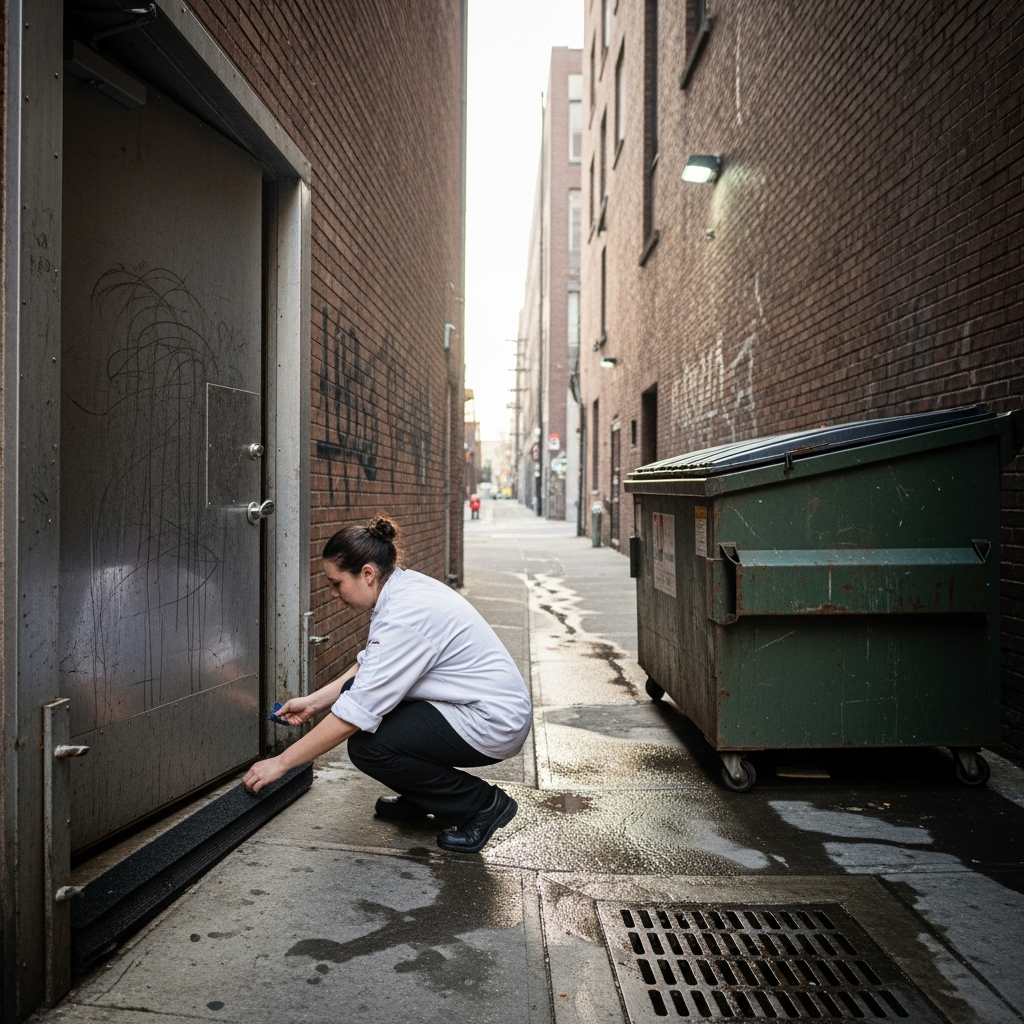
In the restaurant world, reputation is currency. In Los Angeles, where food lovers chase the newest pop-up as eagerly as they return to beloved neighborhood spots, that reputation is built plate by plate and day by day. It can also be undone quickly by a few overlooked details behind the scenes. Kitchens run hot, deliveries flow through alleys, and trash management bumps up against busy service. In that environment, rodents do what they do best: search relentlessly for calories, water, and shelter. Protecting your workspace and your brand means putting the building on your side of the fight. That begins with well-planned rodent proofing and continues with routines that stand up to the pace of a Los Angeles service week.
From Downtown to the Westside, from the Valley to the South Bay, restaurant spaces vary wildly in age and construction. Some occupy century-old brick shells, others sit in modern mixed-use developments, and many live in stand-alone buildings with long-ago additions. Each presents its own pathways. Utility penetrations through CMU walls can be just as problematic as gaps behind stainless panels along the cookline. Inevitably, high heat, constant cleaning, and heavy foot traffic wear down seals and sweeps. When a door closes thousands of times a week, a millimeter’s shift becomes a gap you can see. When a mop sink overflows or a floor drain backs up, moisture invites exploration to exactly where food aromas are strongest.
Health, Compliance, and Guest Experience
Compliance in Los Angeles County is more than a score on the wall. Health inspectors read the story of your operation by walking the same routes a rodent would take. If bins sit ajar in the alley, if floor drains lack tight covers, or if a side door does not seal, the grade reflects it. More importantly, those oversights have a way of reaching the dining room, whether through odors that drift when the HVAC cycles or through the sudden, mortifying appearance of a visitor during service. The point of exclusion is not to chase a letter grade; it is to create a clean, controlled environment where staff can focus on hospitality and craft without distraction.
The guest experience begins the moment someone turns into the parking lot. If the dumpster corral is tidy and the service alley looks organized, confidence rises. If it smells sweet with decay or if bags are stacked haphazardly against the wall, you are already fighting an uphill battle inside. The connection between the back of the house and the front is not theoretical; it is immediate and perceptible to anyone who has worked a dining room during a busy Saturday.
Common Weak Points in Restaurant Buildings
Back doors and delivery bays top the list. Door sweeps soften from constant contact with wet floors and cleaning chemicals. Thresholds wear and sink, and hinges drift out of square. In these conditions, daylight at the corners is a familiar sight. Floor drains and clean-outs are another recurring challenge. If covers sit loosely or if seals have cracked, they become two-way streets for odors and activity. Refrigeration lines, soda system tubing, and electrical conduits often make their way into service areas through punch-outs that someone promised to seal later. Later rarely arrives in a kitchen running at full tilt.
Inside the kitchen, stainless undercounters and equipment stands create voids that gather crumbs and heat. The backs of reach-ins, the void behind the dish machine, and the space under the cookline become warm, shielded pockets where scouting can go unnoticed between services. Meanwhile, the bar area—with its syrup lines, trough drains, and nightly mop-down—can turn into a sticky attractant if covers or seals do not close with conviction.
Integrating Exclusion Into Daily Operations
The most successful restaurants treat building maintenance like mise en place. Before a shift, a line cook checks knives and pans; in the same rhythm, a manager or opener can check door sweeps, alley bins, and drain covers. This is not extra work; it is the work that preserves every other effort. A laminated opening checklist that includes envelope checks becomes as natural as counting down station prep. Closing should include a quick sweep of floors and a confirmation that all food is sealed, that no bins sit ajar, and that no produce boxes rest overnight on the floor where they can wick moisture and invite exploration.
Training transforms outcomes. New hires learn the why, not just the what. When staff understand that a five-second pause to secure a louver or to close a bin prevents hours of cleanup and embarrassment later, buy-in arrives. Assigning specific eyes to specific zones—a bar lead for trough drains, a dishwasher for the mop sink area, a manager for exterior doors—builds ownership and clarity.
Working With the Space You Have
Many Los Angeles restaurants inherit quirks: a hallway that dead-ends into a storage closet added in the 1990s, a skylight that was capped with plywood, or a wall penetrated by a now-retired piece of equipment. These become the odd corners where problems begin. A targeted survey maps every penetration and transition, from the alley door to the rooftop exhaust fans. On the roof, the bases of hoods and make-up air units should sit tight and fully flashed. Cable penetrations for security cameras or communication lines, if left open, invite trouble. In older buildings, masonry patchwork around pipes often shrinks and cracks. Refreshing these details with the right materials and methodically documenting them changes the restaurant’s trajectory.
Inside, the balance between cleanliness and access matters. Stainless panels that cover utility corridors look sleek but can hide voids if not sealed at the edges. Equipment on casters should be moved on a schedule that respects service realities but does not let months pass without a look behind. When maintenance is predictable, surprises disappear, and morale improves because the team is no longer firefighting.
Mid-Run Adjustments and The Pulse of the Week
Restaurants operate on a weekly heartbeat. Deliveries cluster, weekend services intensify, and Mondays often bring deep cleaning. Align exclusion checks with this pulse. Midweek, recheck the alley after trash pickup. Are lids cracked? Did a bag tear and leave residue at the corral’s edge? Before the weekend rush, walk the cookline and the bar to confirm that floor drains close tightly and that door sweeps are intact. After a particularly busy night, set aside five minutes to reset the alley, close any louvers used for extra cooling, and wipe down problem corners that can become sticky attractants.
Documentation supports speed. A simple set of photos for new staff and a chart by the office door that lists vulnerable points keep the team aligned. If everyone knows which corners matter most, the small daily checks stop feeling like nagging and start feeling like part of the craft.
Brand Protection and Team Confidence
No chef wants to talk about rodents, yet every seasoned operator respects the risk. The best reasons to harden the building are the ones guests never see: quiet nights, inspections that feel routine, and a staff that can focus entirely on food and service. Your brand is in every detail—the squeak of a door that does not close, the smell from an alley that drifts in at lunch, the sightline to a clean floor beneath the bar. When your building is on your side, those details work for you.
Restaurants that take this seriously often inspire their neighbors to up their game, and everyone benefits. Shared alleys and shopping centers improve fastest when a few leaders demonstrate how to run a clean, tight operation. It is contagious in the best way, and it makes for a better experience for guests, staff, and the neighborhood.
Frequently Asked Questions
Q: What daily habits make the biggest difference? A: Confirm that back doors seal every time, keep bins closed and away from the wall, secure drain covers, and avoid leaving food or produce boxes on the floor overnight.
Q: How often should a restaurant perform a building check? A: Briefly with each opening and closing, with a focused weekly review that includes the roof, alley, and the voids behind major equipment.
Q: Are older buildings too hard to secure? A: Not at all. They require tailored solutions and sometimes custom metalwork, but a methodical approach closes even stubborn gaps.
Q: Should we rely on traps if we run a tight ship? A: Traps are verification tools and last-resort safeguards. The goal is to prevent entry through sealing, good storage, and disciplined operations.
Q: What is the most overlooked vulnerability? A: Floor drains and clean-outs with loose covers run neck-and-neck with misaligned door sweeps. Rooftop penetrations for cables are a close third.
Q: How do we bring a large team on board? A: Make responsibilities explicit, teach the why, and reinforce with quick spot checks. Celebrate clean inspections the same way you celebrate a sold-out weekend.
Q: Can exclusion improve staff morale? A: Yes. Fewer emergencies mean calmer shifts. When the building supports the work, teams feel pride rather than anxiety about what surprise may appear.
Q: What if we share a dumpster corral with other businesses? A: Coordinate. Agree on standards, report damaged lids promptly, and schedule extra attention after busy weekends or holidays.
Q: How do rooftop systems factor in? A: Hood bases, make-up air units, and cable penetrations need secure flashing and seals. A quarterly roof check prevents many headaches downstairs.
Q: When should we call in a specialist? A: When gaps persist around roof equipment, when electrical adjacency complicates access, or when repeated sightings suggest an unseen pathway.
If your goal is to protect both your kitchen and your reputation, make building health part of the menu. Start with a thorough assessment, address the weak points decisively, and fold the checks into your daily routine. When you want expert eyes on stubborn vulnerabilities or help creating a maintenance plan that suits your service rhythm, schedule professional rodent proofing support. A few targeted improvements now can safeguard years of great service and guest trust.