
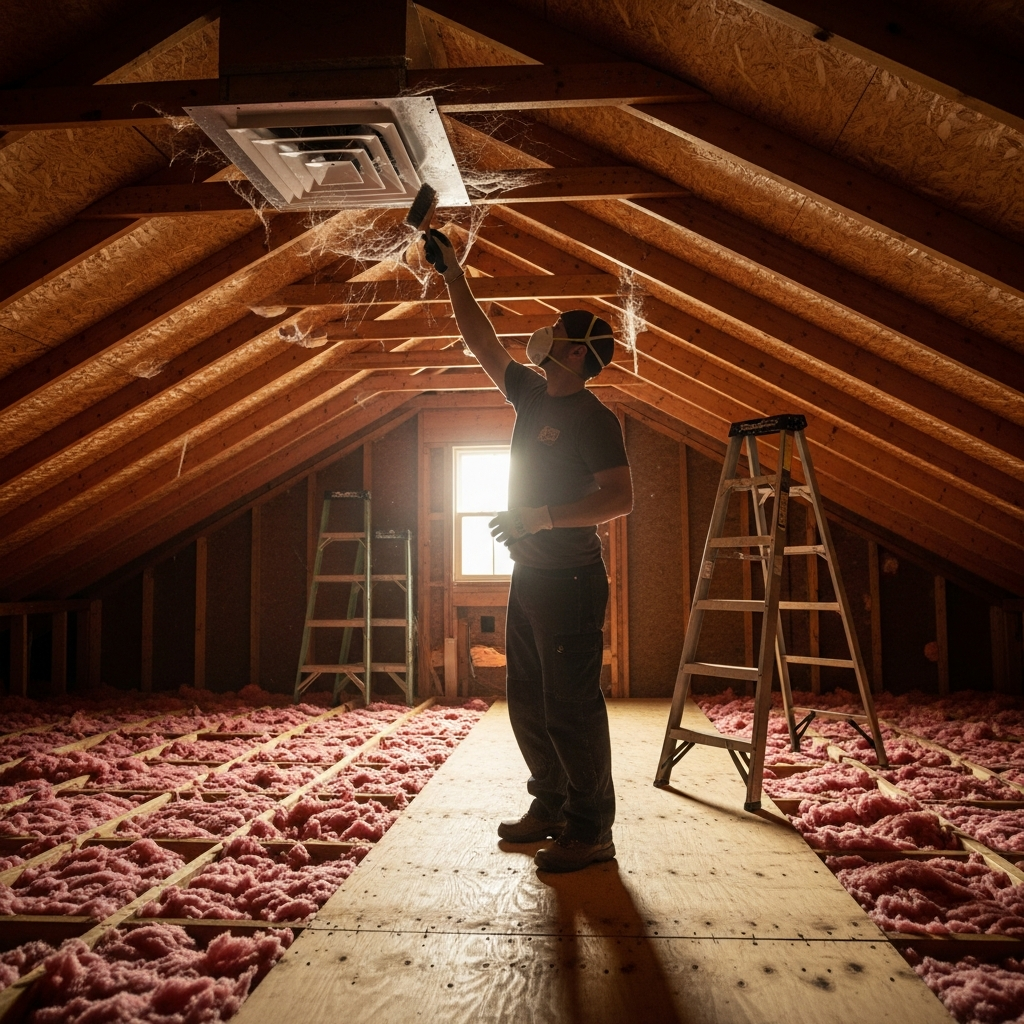
In Los Angeles, an attic is more than storage above the ceiling. It is a buffer against heat, a channel for air, and the point where your home’s shell faces the city’s shifting weather. Because attics sit at this crossroads, they are also where seasonal changes most strongly influence wildlife behavior. If you have ever heard a light patter above the drywall on a summer night or discovered telltale tracks along the eaves in late fall, you have felt how quickly conditions in the attic can draw attention. Preparing for each season—not just reacting to problems as they appear—is what keeps a house quiet, safe, and clean year-round. The process starts with deliberate rodent proofing and continues with small, well-timed adjustments that evolve with the weather.
What makes Los Angeles distinct is not only geography but rhythm. Mornings can be cool along the coast while midday in the Valley roars with heat. Upslope winds pick up in the afternoon, and the occasional Santa Ana event arrives with arid force. Attics ride these swings daily. Materials expand and contract, seals flex, and screens take the brunt of swirling dust. Tile roofs and low-slope asphalt roofs each carry their own vulnerabilities at eaves, vents, and penetrations. Seasonal planning respects these realities by pairing inspections and touch-ups with the calendar, catching weaknesses at the moment they are likeliest to appear.
Spring: Growth, Activity, and Preemptive Checks
By early spring, coastal fog may still linger but inland days stretch warmer. Vegetation responds first, reaching toward gutters and shading roof edges. This is the time to trim back branches and vines that nearly kiss the eaves. In the attic, spring is for visibility. Dust off gable vents, clear cobwebs from around soffit vents, and scan insulation near the perimeter for pressed trails that suggest scouting. If your home saw holiday storage traffic in winter, reorganize now so boxes do not rest tight against vents and to reduce soft nesting material. While you are at it, feel the edges of the attic hatch. If you detect a faint draft or see insulation dust drawn into the living space, tighten the seal. Spring maintenance is light touch, high awareness.
Weather during spring can still surprise. Showers expose minor leaks that might have gone unnoticed in winter’s shorter days. After a rain, look for water staining around penetrations and along the underside of roof decking. These stains often appear near the very places that, if left unattended, also serve as entry points. Addressing them early both preserves the building and blocks the opportunistic exploration that follows moisture.
Summer: Heat, Expansion, and Nighttime Foraging
Summer in Los Angeles breaks attics into two modes: blistering by day and radiating by night. In the Valley, temperatures under the roof can soar. In that environment, seals around vents and penetrations experience daily stress cycles that turn a hairline gap into a visible opening. The fixed hardware that holds screens in place can loosen. At the roof edge, the combination of thermal expansion and dry air can shift tile bird stops or crack brittle caulk. A summer inspection focuses on fasteners and frames, verifying that each screen is tensioned, each flashing sits flat, and each transition from roof to wall remains tight.
Activity patterns shift too. As the attic becomes intolerable during the day, scavengers explore at night and before dawn. If you notice nocturnal noise returning as evenings lengthen, do not wait until fall to inspect. Move stored items back from eaves so you can see pathways in insulation. Confirm that the attic hatch closes firmly; if it sits in a hallway or closet, ensure that surrounding lights and fans do not draw air upward in a way that would spread contaminants in the event of activity. Remember that summer is not only about temperature. Dust and debris buildup can hide clues. A quick vacuum and wipe along common travel routes turns the attic into a readable map for the next visit.
Fall: The Push Indoors
When cooler nights arrive, every warm cavity grows more enticing. This is when your earlier work pays off, but it is also when any oversight becomes glaring. Perform a deliberate, edge-to-center inspection. Start at soffits and gables, testing screens and looking for daylight at corners. Inspect roof jacks and vents; small crescent gaps often appear on the uphill side where flashing meets the roofing. Reassess the attic hatch seal one more time and check nearby recessed lights if they penetrate into the space. In homes where insulation sits unevenly, correct the distribution so there are no cozy hollows near the eaves that encourage nesting.
Fall is a perfect time to review the interface between the attic and the rest of the home. Dryer vents, bathroom exhausts, and kitchen range ducting should terminate with louvers that close completely. If louvers stick open or flap loosely in the breeze, replace or repair them. Many fall incursions begin at these simple, overlooked exits. While you are nearby, confirm that exterior lighting does not sit too close to vent openings, as warmth from a fixture can attract attention to a vulnerable spot.
Winter: Storms, Moisture, and Quiet Confidence
Winter storms in Los Angeles are intermittent but intense enough to challenge even well-maintained attics. Water moves where it can, wind pries at edges, and temperature swings around cold fronts test adhesion. After each significant storm, inspect for fresh staining and listen for drips. A moisture issue near a penetration is a double warning—what admits water may also admit an animal seeking shelter. In particularly wet years, like those influenced by stronger ocean patterns, vigilance pays dividends into spring. Keep attic pathways clear and monitor for any faint odor; a new scent may indicate that a curious visitor tested your defenses.
Because winter daylight is short, make your inspections efficient. Keep a small kit ready: flashlight, gloves, a mask for dust, and a notepad or phone for photos. Snap wide shots of each vent and penetration, and record anything that looks even slightly out of spec. Maintenance simplifies when you can compare images from storm to storm.
Materials and Methods for Attic Longevity
Quality materials reduce repeat work. Use mesh that is fine enough to block small intruders while preserving adequate airflow. Fasten screens into framing rather than only into sheathing or stucco, which can crumble with age. Where utility lines penetrate, back the seal with chew-resistant substrate before finishing with flexible exterior-grade product. At tile roofs, install or refresh bird stops to close curved voids at the eaves. Where asphalt shingles meet vertical walls, ensure step flashing and counter flashing are integrated properly and not treated as cosmetic trim. In the attic, support barriers so they do not sag onto wires or compress insulation, which would compromise energy performance.
Methods matter too. A tight seal around the attic hatch, weatherstripping at pull-down ladders, and a simple gasket beneath trim can halt the subtle exchange of air that draws dust and odors into living spaces. Keep storage minimal at the eaves where inspection needs to remain easy. Label boxes so you can reset the layout after seasonal decor comes down. These small practices make each visit quicker and more revealing.
Mid-Season Pulse Checks
The midpoint of any season is when complacency creeps in. Build a quick pulse check into your calendar about six weeks after your main inspection. In summer, retest fasteners on screens and scan for new dust trails after a heat wave. In fall, look again at louvers and penetrations following the first cold nights. In winter, confirm that storm gusts have not shifted ridge caps or invited water where it does not belong. These brief check-ins catch issues while they are still small and keep the bigger, seasonal work from feeling like a chore.
At the heart of this plan is respect for how homes age. Seals cure, fasteners loosen, and even a well-screened vent can bend if a branch lands just right. The goal is not perfection; it is continuity. When you treat attic care as an ongoing conversation with your home, you will rarely be surprised, and you will rarely need to mount an emergency response.
Attic Health, Air Quality, and Peace of Mind
There is a comforting synergy when attics are sealed thoughtfully and ventilated properly. Dust stays where it belongs, conditioned air remains inside the living space, and the home feels steady across seasons. Families sleep better when the soundscape is quiet and uninterrupted, and allergies often improve as stored items stay cleaner. These are bonuses that arrive alongside the primary goal of keeping wildlife out.
Peace of mind also comes from knowing when to ask for help. High roof work, custom metal screening at vents or jacks, and electrical adjacency are tasks best handled by experienced pros. A good partnership starts with clear expectations and ends with a refined plan you can maintain confidently through the year. When an expert tunes their approach to your home’s construction and to Los Angeles weather, the result is protection that lasts and routines that feel manageable.
Frequently Asked Questions
Q: How often should I inspect my attic in Los Angeles? A: At least quarterly, with extra checks after major wind or rain. Seasonal shifts are when materials move and screens loosen.
Q: Are tile roofs more vulnerable than shingle roofs? A: They are vulnerable in different ways. Tile eaves create curved voids that need bird stops, while shingle roofs require careful attention to flashing at roof-to-wall transitions.
Q: Do attic fans help with wildlife issues? A: Fans manage heat but do not stop entry. Exclusion and sealing at vents and penetrations are the decisive steps. Fans can complement comfort once entry points are closed.
Q: What are the earliest signs of activity? A: Pressed insulation trails near eaves, faint rub marks at vent frames, and nighttime sounds that repeat after dusk are common early warnings.
Q: Can I perform seasonal maintenance myself? A: Much of it, yes. Visual inspections, light cleaning, and basic sealing are within reach for many homeowners. Leave high access and electrical adjacency to trained pros.
Q: Will sealing reduce attic ventilation? A: Not when done correctly. Proper mesh allows airflow while blocking entry. The goal is to maintain designed ventilation, not to close it off.
Q: How does rain influence attic vulnerabilities? A: Water reveals weak spots at penetrations and can widen small gaps. After storms, new stains or odors are cues to reinspect closely.
Q: Should I move stored items out of the attic entirely? A: Not necessarily. Keep storage organized, avoid piling soft materials near eaves, and leave clear sightlines to vents and penetrations for easy inspection.
Q: What if I only hear noise for a few nights? A: Do not rely on hope. A brief scouting visit may precede a more committed return. Inspect promptly so you are not caught off guard later.
Q: When is the best time to schedule professional help? A: Late summer or early fall is ideal, but any time you notice signs of activity or after a major weather event is a smart moment to bring in expertise.
If your goal is a steady, quiet home through every season, align your attic care with Los Angeles weather and your family’s routines. When you are ready to put a lasting plan in place, start with a focused assessment and follow through with targeted rodent proofing that treats your attic as the protective heart of the house. A few smart steps now set you up for restful nights and confident living, season after season.