
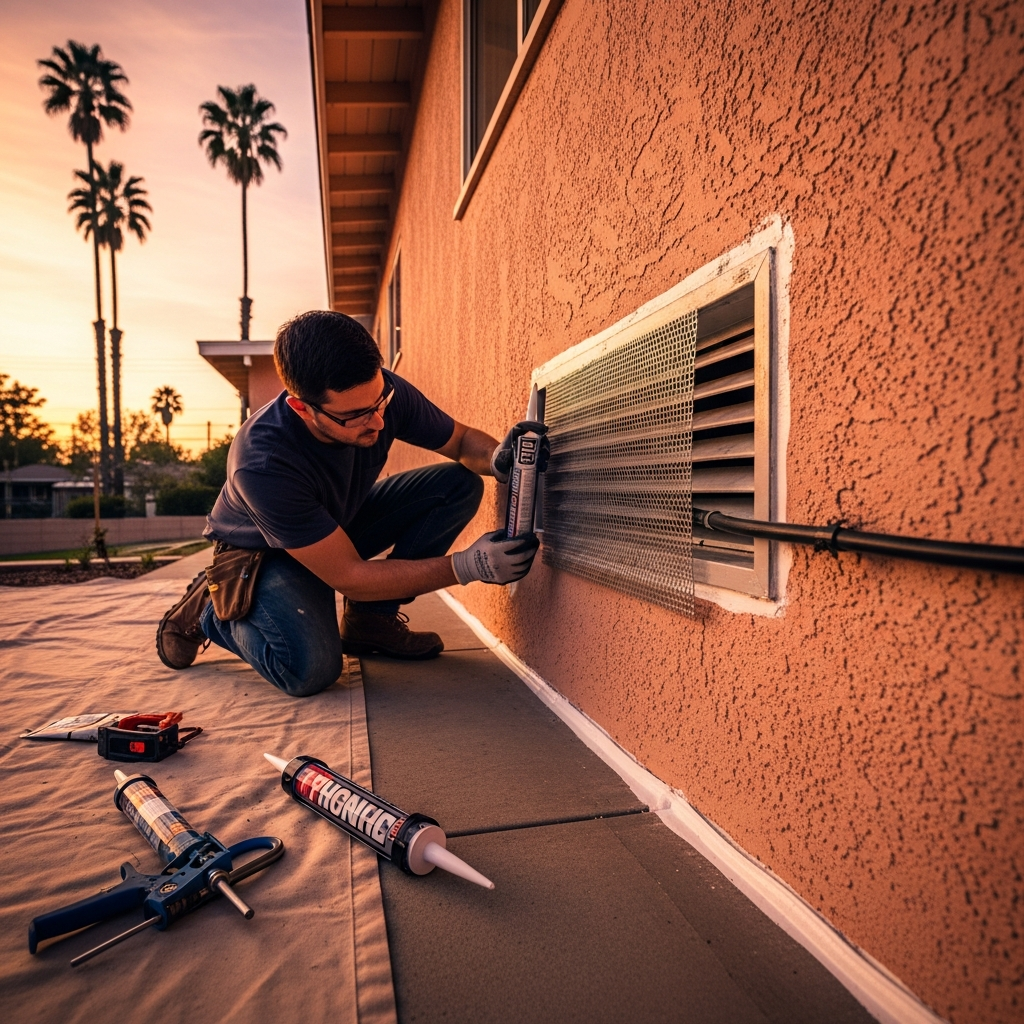
Ask anyone who has owned a home in Los Angeles for more than a few seasons, and you will hear a familiar story. It often starts with a small noise behind the walls at night, a whisper of activity in the attic after the last sunset glow fades over the Santa Monica Mountains. In our city of microclimates and varied architecture, from 1920s Spanish bungalows in Mid-City to modern hillside builds in the Hollywood Hills, rodents look for the same things we do: warmth, shelter, and access. The difference is that they are tireless scouts, testing every unsealed weep screed, every gap around a utility line, and every loose vent screen. This is why thoughtful, preventive rodent proofing matters so much for Los Angeles homes. It is not simply a reaction to a problem after it appears; it is a careful alignment of building science, neighborhood knowledge, and daily habits that together protect your living space.
Having worked in neighborhoods as different as Silver Lake and Porter Ranch, I have seen how hyperlocal factors shape rodent pressure. Houses near mature palm-lined streets accumulate heavy frond litter that creates ideal harborage. Homes near canyons deal with wildlife corridors that deliver curious animals right to the roofline. Closer to the coast, salty air ages metal screens faster, while inland heat expands and contracts framing, subtly widening gaps season after season. Rodents exploit these nuances with a persistence that surprises many residents, and by the time you notice gnaw marks, droppings, or insulation trails, the stage has already been set for a broader incursion. Recognizing these risks early is the core of protecting both the people inside and the structure itself.
The Los Angeles Context: Climate, Construction, and Opportunity
Los Angeles is not a single climate. One day can bring foggy mornings in Venice, dry breezes in Pasadena, and canyon winds in Studio City. These shifts stress building envelopes. Stucco hairline cracks widen incrementally, wooden fascia boards warp, and attic ventilation battles heat that can peak far above outdoor air temperature. Meanwhile, many older homes retain original features like clay barrel tiles or accessible crawl spaces. Seismic events and soil settlement can also open small seams around slab edges and foundation vents. Rodents need just a fraction of an inch to pass through, and a vigilant mouse or rat will spend hours investigating a home’s perimeter for precisely that chance.
Construction details become the pivotal difference between a home that invites pests and one that quietly says no. In Los Angeles, we commonly see utility penetrations for split-system condensers and fiber-optic lines routed through exterior walls; if the sealant around those lines dries and cracks, it becomes a perfect runway. Attic gable vents can rust or the screens can bend out of shape when an earlier repair was done in a hurry. Garage doors, often the most-used entry point for families, tend to sit slightly out of square after years of use, leaving a quarter-inch of daylight along the bottom seal at one corner. Each of these features seems small, but together they map the blueprint of opportunity for a determined rodent.
Health, Safety, and the Hidden Costs of Waiting
When homeowners hear about rodents, they often think first about the ick factor. But the health dimension is more serious than many realize. Contaminants in droppings, nesting material, and urine can aerosolize when you access a storage space or when central air kicks on after a long warm day. Pets explore these spaces naturally; a curious cat or dog can bring material back onto carpets and bedding. And if you have children crawling, playing, or sharing toys, the margin for error narrows quickly. Proactive sealing and sanitation stop this chain before it begins.
There is also the matter of fire safety. In a city where so many of us rely on complex electrical systems to power home offices, media rooms, and EV chargers, the hazards posed by gnawing are not theoretical. Rodents’ teeth grow constantly, prompting them to chew through flexible conduit or low-voltage lines in attics and crawl spaces. A simple arc in a hidden junction can have outsized consequences. Early intervention that closes entry paths, improves storage practices, and reinspects critical areas after weather events is an investment in preventing scenarios no homeowner wants to face.
Beyond Traps: A Whole-Home Strategy
The temptation to set a few traps and call it done is understandable, especially during a busy workweek. But in Los Angeles, where neighborhoods blend apartments, ADUs, and single-family homes into tight grids, spot treatments create islands of temporary relief surrounded by a sea of alternative shelter. A comprehensive strategy combines careful exclusion—screening, sealing, and reinforcing—with inspection habits and environmental adjustments. Think of it as tuning your home to the city’s rhythm. After a Santa Ana wind event, check for lifted roof edges or displaced vent screens. Following the first big rain of the season, walk the perimeter and inspect weep screeds and foundation vents for erosion or debris buildup. In spring, reduce dense ground cover along the foundation where it meets the stucco, and in summer, organize attic storage to minimize soft nesting material.
Responsible maintenance is part craft and part choreography. Sealing a gas line penetration demands a different product than reinforcing a roof jack or fitting a custom screen over a gable vent. Many Los Angeles homes benefit from upgrades that also improve comfort, such as tightening the attic envelope and improving insulation while keeping ventilation pathways legal and clear. These details matter in our climate, where energy efficiency and pest resistance work hand in hand. As you refine the exterior, pay equal attention to what attracts activity. Unsealed birdseed, pet food, and green bins stored against warm walls create a scent map that is easy for wildlife to follow.
Neighborhood Nuances and Real-World Scenarios
Every part of the city writes its own story. In the older craftsman pockets of Highland Park, raised foundations offer inviting crawl space access unless vents are meshed with the right gauge and fasteners. In Westchester, the combination of sea air and airline-adjacent activity imposes a different wear pattern on hardware and door sweeps. Eastside hillsides often have deck substructures that are rarely inspected, yet provide elevated cover and pathways to rooflines. I have seen homes that looked tight from ground level but revealed half-inch openings around B-vent flashings just large enough for a rat to nose through when wind pressure lifted a cap.
It is also common to see seasonal behavior patterns. When high heat stretches into September, attics become unbearable during the day, pushing nighttime foraging. In colder snaps, rodents pursue insulation’s warmth and the heat plume from dryer vents and water heater closets. After heavy rains, burrows may flood, sending activity toward garages and side yards. Knowing these patterns helps time your inspections and prioritize improvements across the year.
The Middle Mile: Sustaining Protection Over Time
Initial exclusion work is a critical first step, but homes breathe and shift. Caulks cure, metal expands, wood settles, and families change how they use space. A midyear review, especially before the first fall cold front, pays dividends. This is a good checkpoint to evaluate door sweeps, attic hatch seals, and any newly installed lines for solar, security, or internet upgrades that introduced fresh penetrations. It is also a natural moment to revisit storage habits, refresh sanitation in garage corners, and confirm that trash and green bins close securely despite wear. As routines settle, weave a moment for inspection into your monthly yard work or AC filter change. That is where the discipline of effective rodent proofing becomes part of ordinary home care rather than an emergency task.
Keeping records might sound tedious, but a phone folder with quick snapshots of key spots can be a powerful tool. Photograph the area behind your refrigerator where the water line enters, the garage side door threshold, the exterior gas meter line as it penetrates the wall, and the attic gable vents. Compare those images a few times a year. You will notice subtle differences that may otherwise escape daily attention. If you store luggage or holiday decor in the attic, make a habit of inspecting boxes before returning them so you do not unwittingly ferry material that could attract nesting.
Safety, Sustainability, and Peace of Mind
Angelenos care deeply about the environment they call home. Humane, preventive exclusion reduces the need for reactive measures that can spill into the broader ecosystem. It channels effort into building performance and personal habits—both of which make the home more comfortable and resilient. Sealed envelopes maintain indoor temperatures more consistently, keeping families safer during heat waves and reducing strain on HVAC systems. Clean, organized storage areas reduce dust, allergens, and hiding places for household pests of all kinds. The result is not only a quieter, cleaner home but one where routine maintenance translates into long-term confidence.
Another aspect of peace of mind is community. Neighbors in denser areas benefit when more homes secure attractants and close off shelter opportunities. Conversations at block parties or online forums often reveal shared patterns, such as a particular alley with unsecured dumpsters or a stretch of aging fences that create throughways. Coordinating improvements across a few homes can produce tangible, rapid results, and it builds relationships that make any neighborhood stronger and safer.
When to Act and What to Watch
It is never too early to perform a self-audit. If you hear unusual nighttime activity, find chew marks on soft plastics in the garage, or notice trails in insulation near eaves, make time for a methodical walk-through. Examine baseboards in closets that back to exterior walls, feel for drafts around attic access hatches, and gently tug at exterior vent covers to ensure they are fastened into structural material, not just stucco. Look closely at the interface between concrete and stucco where the weep screed sits; this thin seam is a favorite route. If you have ivy or dense vines climbing walls, trace them from soil to eaves and consider trimming back to reduce ladders to the roof.
In the kitchen, inspect under sinks where plumbing lines penetrate cabinetry. Foam sealants that looked crisp five years ago can pull away just enough to invite trouble. In the laundry area, check the dryer vent termination; loose louvers become easy doors for exploration. And in any part of the house with access doors—garage side entries, backyard utility closets, or beneath-deck storage—verify the weatherstripping sits flush and the thresholds do not bow.
Frequently Asked Questions
Q: How do I know if noise in the attic is from rodents or from settling and wind? A: Time of day and pattern are good clues. Repetitive scurrying or scratching after dusk that pauses and returns often indicates activity. Settling tends to produce single thumps or creaks during temperature swings. A brief flashlight inspection around eaves and insulation, looking for defined runways or droppings, can confirm your suspicion.
Q: I sealed gaps last year. Why would I need to revisit them? A: Materials move. Sun exposure, moisture, and daily thermal cycling change tolerances. Sealants age and separate, rodents probe, and any new penetration for utilities creates openings that did not exist during your last round of work.
Q: Are attic fans or new insulation enough to stop rodents? A: Comfort upgrades are excellent but serve different purposes. Fans and insulation regulate heat and airflow; they do not block entry. Exclusion focuses on physical barriers and meticulous sealing at likely points. Done together, they create a safer, more efficient home.
Q: Do palm trees or fruit trees make infestations inevitable? A: Not inevitable, but they are factors. Fallen fruit, fronds, and dense canopy create shelter and food. With consistent yard maintenance and a sealed building envelope, trees can be enjoyed without undue risk.
Q: Is it safe to do the work myself? A: Many tasks—inspecting, tidying storage, identifying gaps—are within reach for homeowners. Work at heights, custom metal screening, or tasks near electrical components may be better handled by trained pros. Prioritize safety and do not hesitate to ask for help with challenging elements.
Q: What if I share walls or a fence line with neighbors? A: Collaboration helps. Share observations, align trash storage habits, and consider synchronized improvements like sealing fence gaps or trimming vegetation that creates travel lanes along property lines.
Q: How long does it take to see results after exclusion? A: Often immediately, provided all primary entry points are addressed. Residual activity may persist briefly as animals attempt to return, but the absence of new evidence—fresh droppings, gnaw marks, or insulation trails—signals success.
Q: Will sealing affect ventilation or moisture management? A: Proper exclusion respects building science. Vents remain functional with correct mesh and secure fastening. The goal is to eliminate access while preserving designed airflow paths.
Q: Are there seasons when I should be especially vigilant in Los Angeles? A: The shoulder seasons—late summer into fall, and late winter into spring—tend to drive movement as temperatures change. After major wind or rain events, add an extra inspection.
Q: What signs suggest I should call in a specialist right away? A: Live sightings during daylight, strong odors from enclosed spaces, or evidence of gnawing on wiring are all signals to seek immediate assistance.
If you are ready to reclaim your home’s quiet and comfort, make your next step a deliberate one. Start with a simple inspection, shore up the obvious gaps, and ask for expert support where the work requires custom materials or specialized access. For homeowners who want a trusted partner in the process, schedule a conversation about comprehensive rodent proofing and see how a few well-executed improvements can produce lasting calm in your Los Angeles home.