
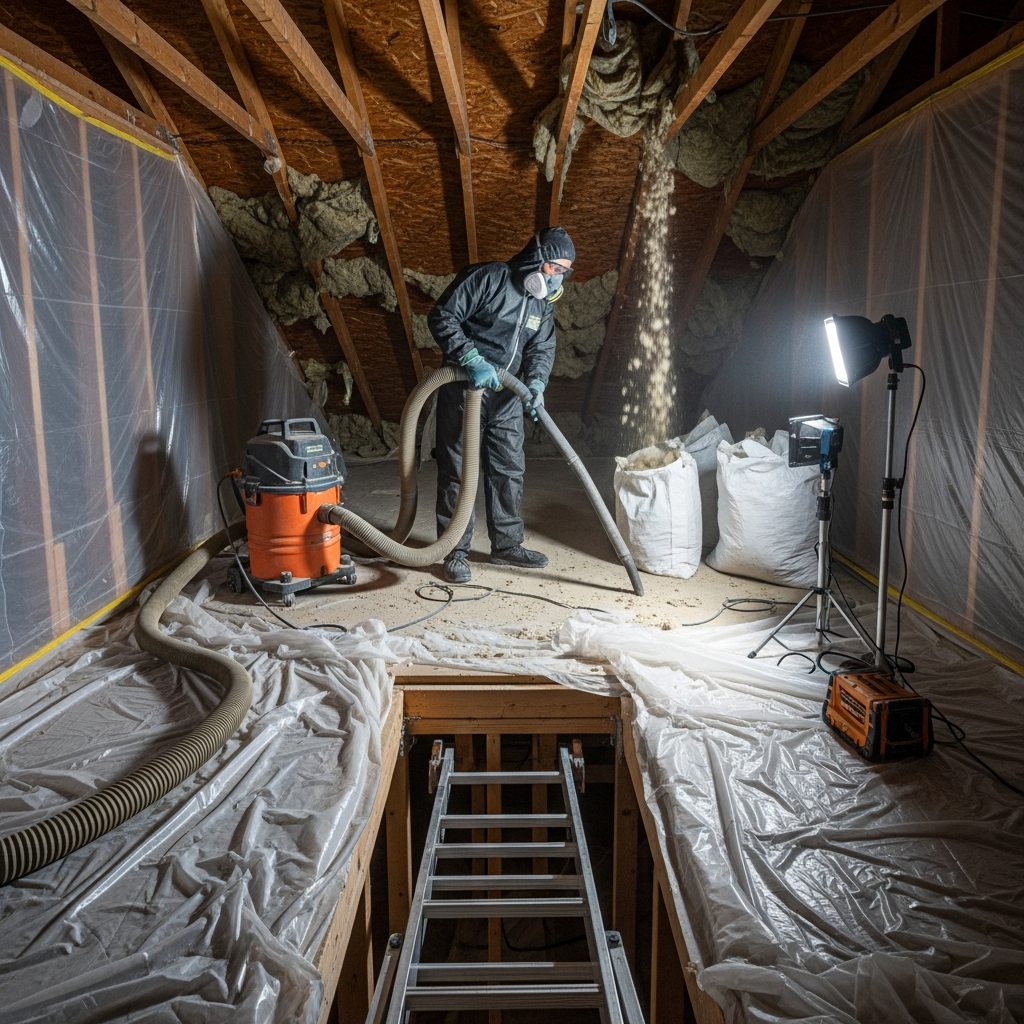
In Los Angeles, attic insulation removal is the quiet, often unseen step that sets up everything else. Whether you’ve discovered rodent activity, smoke residue from a nearby fire, or simply decades of settled material that no longer does its job, starting fresh can transform both comfort and air quality. Because LA homes span craftsman bungalows, mid-century ranches, hillside contemporaries, and everything in between, the path to a clean attic varies. The best results come from careful sequencing: contain, remove, seal, and then rebuild the thermal boundary. When done right, the attic becomes a healthier, more predictable part of your home.
Homeowners often ask how timing and project scope relate to the size and layout of the house. The short answer is that access, level of contamination, and the attic’s architecture matter as much as square footage. A small bungalow with tight trusses and heavy debris can take longer than a larger home with clear pathways. The long answer requires a walk through the space, a look at ventilation, and a plan that respects the home’s structure while aiming for a clean, safe result.
Insulation removal is not simply about vacuuming out old material. We inspect for signs of moisture movement, check that bath fans terminate properly, and identify open chases or wall cavities that allow air to rush between living space and attic. We also document electrical conditions, from older wiring that needs clearance to recessed lights that require protective covers. These details shape the plan and ensure that the attic will be ready for sealing and new insulation without lingering issues.
When Removal Makes Sense
There are a handful of clear signals that removal is the right call. If the attic smells musty or shows signs of rodent activity, cleaning the space thoroughly is essential before adding new insulation. If the existing material is uneven, dirty, or compacted, topping it off can trap debris and leave gaps that undermine performance. After nearby wildfires or heavy smoke events, residues can cling to old insulation and continue to affect indoor air quality; removal gives you a fresh start. Finally, if you plan to relocate ducts or upgrade electrical systems, clearing the attic allows trades to work safely and helps you avoid patchwork results.
In Los Angeles, we also consider microclimate. Coastal homes sometimes see damp mornings that make older, dusty insulation feel clammy and stale. Inland, hot attics can accelerate the breakdown of materials that have already seen decades of service. In both cases, removal lets us reset the attic to a clean baseline, seal the boundary to modern standards, and install new insulation that meets current performance goals.
Sequencing: The Key to a Clean Result
Removal projects succeed or fail on sequencing. We begin by protecting living areas, laying floor protection, and sealing off the work zone as needed. Next comes safe bagging and vacuum extraction of old insulation, moving carefully to avoid stirring debris into the home. With the attic clear, we inspect again, this time with full visibility of joists, top plates, and penetrations. Air sealing happens now—at can lights, around fan housings, along top plates, and at chases—so the new insulation will perform as designed. Finally, we install baffles at the eaves to preserve ventilation, lay safe platforms for service areas, and complete the insulation to the target level.
That sequence—contain, remove, seal, ventilate, insulate—protects your home from start to finish. Each step builds on the last, and missing a step often leads to callbacks or uneven results. In hillside homes with narrow access, we adapt containment and staging to reduce trips through living areas. In larger homes with ample space, we stage strategically so crews can move quickly without sacrificing care.
Access and Architecture
Attic access is one of the silent cost drivers. A wide hatch or staircase makes removal and reinstallation smoother, while a tight scuttle slows everything, from hose movement to debris bagging. Roof geometry matters as well: multiple valleys, dormers, and skylight wells create pockets where old insulation settles in layers, requiring careful extraction. Homes with vaulted sections or knee walls sometimes hide small attic zones that need separate attention. A thorough inspection ensures those areas aren’t left behind, keeping the attic consistent end to end.
We also look for changes made over the years—additions, skylights, new bath fans—that can leave behind transition zones. Those areas often have different insulation types or unexpected voids. During removal, we bring the entire attic to a clean, even baseline. Doing so simplifies air sealing and produces a result that performs uniformly once new insulation is installed.
Health, Cleanliness, and Peace of Mind
Cleanliness is a major benefit of removal. Old material often carries dust, allergens, and odors that don’t belong in the living space. By removing debris and sealing penetrations, we reduce pathways for particulates and outdoor pollutants. For families dealing with allergies or sensitive respiratory systems, this can feel like a breath of fresh air—literally. Even if you don’t notice a smell now, the difference after a thorough cleanup is striking: the house feels calmer, less dusty, and more predictable day to day.
Another advantage is the chance to catch small issues before they grow. During removal, we sometimes discover bathroom fans venting into the attic rather than outdoors, or gaps around flues and chimneys that were hidden under old material. Addressing those details while the attic is open prevents future problems and gives you confidence that the new insulation will remain clean and effective.
Coordination With Other Projects
Insulation removal pairs naturally with other upgrades. If an HVAC replacement is on your calendar, clearing the attic first gives technicians room to work and keeps new ducts pristine. If you’re planning a reroof, we coordinate so roof and attic crews aren’t stepping on each other’s toes. Electrical work benefits too: with the attic clear, electricians can upgrade fixtures and wiring with full visibility, and we can install proper covers and clearances around can lights afterward.
Scheduling also interacts with seasons. Late spring and early fall are favorable windows in Los Angeles, as they prepare your home for the heat of summer and the cooler mornings of winter. That said, our mild climate allows removal and reinstallation to proceed year-round with appropriate protection and ventilation. The key is a plan that respects your home’s routine and minimizes disruption.
From Clean Attic to Comfortable Home
Once removal is complete and the attic is sealed, the transformation is swift. With new insulation in place, the house quiets down: street noise softens, rooms hold temperature longer, and afternoons don’t creep warm. It’s a shift you feel in everyday moments—cooking dinner without the kitchen warming up, waking to a consistent temperature across bedrooms, and settling into evenings that are serene rather than drafty. The payoff is not just energy performance; it’s quality of life.
Because every home is different, the decision to remove and restart is made case by case. Compact bungalows with heavy debris, mid-century homes with mixed materials, and large houses with complex rooflines all see strong results from thoughtful removal. The common thread is discipline: careful containment, thorough cleanout, and precise sealing before the new blanket goes down.
What Shapes Scope Without Talking Numbers
Even without discussing prices, we can map the main drivers that influence scope and schedule. Access dictates speed. The degree of contamination—dust, droppings, smoke residue—determines how extensive cleaning and disposal must be. The attic’s architecture influences how easily crews can reach every corner. The choice of new insulation and the target R-value shape the final steps of installation. And, of course, coordination with other trades can compress or extend the timeline depending on what else is underway in your home.
One overlooked factor is the number of penetrations through the ceiling: recessed lights, fan housings, plumbing stacks, and chases. Each requires sealing and, in some cases, protective covers or clearances. In homes with many fixtures, that detail work can be significant, but it’s also where the long-term performance gains are won. A well-sealed attic stays cleaner, keeps conditioned air where it belongs, and helps your home ride through temperature swings with fewer drafts.
The Los Angeles Lens
Our city’s microclimates inform every attic decision. Coastal homeowners contend with damp mornings and salty air; inland residents manage heat that lingers after sunset. Hillside neighborhoods add wind and shifting exposures. Removal creates an opportunity to tailor the attic to these realities: preserve ventilation paths, choose materials that perform reliably across conditions, and ensure the boundary between living space and attic is clean and continuous. That’s the Los Angeles advantage—designing for the way we actually live.
For many families, the goal is not just a cleaner attic but a more comfortable, resilient home. A well-executed removal followed by a careful reinstallation supports HVAC equipment, reduces noise, and helps the home maintain its calm even when the weather outside changes quickly. It’s one of those behind-the-scenes projects that quietly improves daily life.
FAQ
How do I know if my attic insulation should be removed?
Signs include strong odors, evidence of rodents, visible dust and debris mixed with insulation, uneven or compressed coverage, and residues from smoke events. An inspection can confirm whether topping off is feasible or whether a fresh start will deliver better results.
Can I stay in my home during removal?
Yes, in most cases. Crews set up containment, protect walkways, and manage ventilation to keep living areas clean. Clear communication and staging minimize disruption, and daily cleanup keeps the project on track.
Is removal always followed by new insulation?
Yes. The goal of removal is to prepare for superior air sealing and a consistent, modern insulation layer. We seal penetrations, install baffles for ventilation, and then insulate to the target level so your home benefits immediately.
Will removal address odors from smoke or pests?
Proper removal significantly reduces odors by taking out contaminated material and sealing air pathways that carry smells into living spaces. In cases of heavy contamination, additional cleaning or remediation steps may be included before insulation is reinstalled.
When is the best time to schedule attic insulation removal in LA?
Late spring and early fall align well with seasonal comfort goals, but removal can be performed year-round with the right protections. The best time is when you can coordinate related work—HVAC, electrical, or roofing—for a smooth, efficient project.
If your attic is due for a reset and you want a clear plan from cleanout to completion, let’s schedule a walkthrough and map the steps. For Los Angeles homeowners seeking a thorough, craft-first approach to attic insulation—from removal to rebuild—reach out and start the conversation today.