
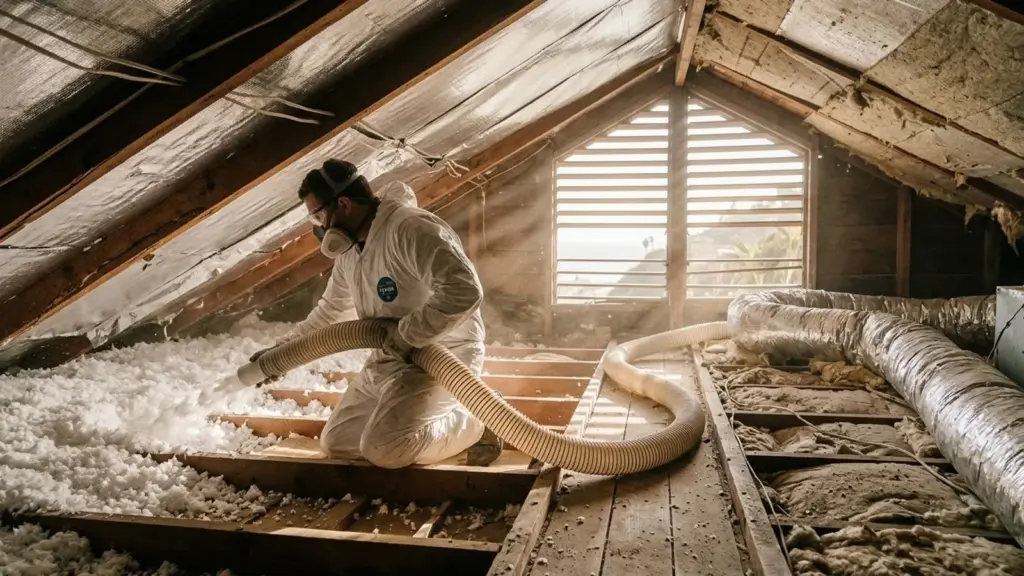
Attic Insulation in Los Angeles and Malibu: How to Tell When It’s Time to Replace
Coastal homes live a strange double life. Mornings roll in damp and gray off the Pacific, afternoons bake the roof deck, and the attic absorbs both. If you’re weighing attic insulation in Los Angeles, especially near the water in Malibu or the Westside, the real question usually isn’t whether you have insulation. It’s whether what you have still works. This guide walks through the signs, the causes, and the decision.
Coastal attics don’t fail the way inland attics do
Most insulation advice is written for places with brutal winters. That’s not our problem here.
In Malibu, Pacific Palisades, Santa Monica and the hillside neighborhoods of West LA, the attic deals with a steady cycle of moist marine air followed by sun-driven heat. That cycle is quieter than a snowstorm. It’s also relentless, and it wears insulation down in ways homeowners rarely notice until comfort or air quality slips.
The marine layer moves into your attic
Vented attics are designed to breathe. Along the coast, that means they breathe in humid air on many mornings and evenings. When that moisture meets a cooler surface, like the underside of the roof sheathing on an overcast night, it can condense. Fiberglass batts and loose-fill materials that get damp over and over tend to lose loft. Flattened insulation traps less still air, and still air is the whole point.
Heat swings stress the attic, not just the roof
On a clear afternoon, the attic can get far hotter than the rooms below. That heat pushes down through thin or compressed insulation and straight into bedrooms. Then the temperature drops after sunset. Repeated expansion, contraction, and drying out of the materials up there takes a toll on seals, ductwork connections, and the insulation itself.
Older homes started with less
Plenty of coastal LA homes were built decades ago, when attic insulation levels were far lower than what’s typically recommended now. Some have had a layer added since. Others still carry the original material, now settled, dusty, and patchy. If your home falls in that group, our older home retrofit guide covers the history in more detail.
Signs of failing attic insulation you can spot from inside the house
You don’t need to climb into the attic to start the diagnosis. Your house usually tells you first.
Rooms that never agree with the thermostat
An upstairs bedroom that stays warm into the night while the hallway feels fine is a classic clue. So is a room that feels chilly on foggy mornings even with the heat running. Uneven temperatures often point to gaps, thin spots, or areas where insulation has been pushed aside during past repairs or cable runs.
Your HVAC runs longer than it used to
If the system seems to cycle constantly, or energy bills creep upward without a change in habits, the attic deserves a look. Insulation that has lost effectiveness lets conditioned air’s work leak away. Ducts running through a hot, poorly insulated attic make it worse.
Dust, odors, and drafts
More dust than usual settling near ceiling vents, a musty smell after a damp week, or a draft around recessed lights can all trace back to the attic. Many homeowners notice the air feels fresher once old, contaminated material is removed and the attic is sealed properly. We’d never call that a health fix. It’s simply a cleaner space above your ceiling.
What we actually find when we open coastal attics
Here’s the uncomfortable truth: the insulation is often the least surprising thing up there.
When the LA Attic Pro team inspects attics around Malibu and Los Angeles, the insulation problem is frequently tangled up with something else. Rodents, moisture, crushed ducts, and open air leaks all show up together. That’s why a replacement decision should start with a real inspection, not a quick top-off.
Compressed, matted, or wet material
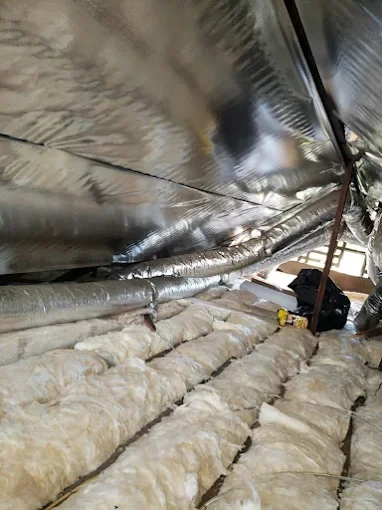
Look for insulation that’s packed flat, clumped, or discolored. Water stains on the drywall below or dark patches in the insulation suggest past moisture. Material that’s been wet repeatedly usually doesn’t spring back, so adding more on top just buries the problem.
Rodent damage and contamination
Canyon and hillside homes see plenty of rodent activity. Tunnels through insulation, droppings, nesting material, and chewed duct wrap are common findings. Contaminated insulation generally needs to come out before anything new goes in, and entry points need sealing, or the new layer becomes the next nest.
Air leaks hiding under the insulation
Insulation works by trapping still air. Gaps around recessed lights, plumbing chases, top plates, and wiring holes let air move right past it. Fresh insulation laid over open leaks won’t deliver the comfort you’re paying for. Sealing those penetrations first is one of the most overlooked steps in any retrofit.
Repair, top off, or full attic insulation replacement?
Not every attic needs a full tear-out. Some do. The table below lays out the conditions we see most and the approach that usually fits each one.
| Attic condition | Typical approach | Why |
|---|---|---|
| Clean, dry insulation that’s simply too thin | Add blown-in insulation on top after air sealing | Existing material still performs; it just needs more depth |
| Small patches disturbed by past work | Spot repair and level out | The rest of the attic is sound |
| Rodent droppings, nests, or urine staining | Remove, sanitize, rodent-proof, then reinstall | New material over contamination keeps the odor and the problem |
| Repeated moisture damage or matted batts | Remove and replace after addressing the moisture source | Damp, flattened insulation has lost much of its value |
| Damaged or leaky ducts in the attic | Repair or replace ducts before insulating | Insulating around a leaking duct buries a known problem |
When adding on top is fine
If the existing material is dry, clean, and evenly spread, blown-in insulation retrofitting over it can be an efficient upgrade. The key words are clean and dry. We still recommend sealing air leaks first.
When everything has to go
Contamination and moisture damage change the math. In those attics, our insulation removal and replacement service starts with vacuuming out the old material, sanitizing, and closing up entry points before new insulation goes in. It’s more work up front. It’s also the only approach that resets the attic.
Ducts are part of the decision
Many LA homes run their ductwork through the attic. If ducts are crushed, disconnected, or poorly sealed, fixing them comes before insulation. Otherwise you’re insulating around a leak you’ll have to dig back into later.
How a blown-in insulation retrofit usually goes
If you want it handled correctly the first time, consider professional air duct repair – attic insulation . in Malibu, CA 90265 Los Angeles County.
Homeowners often expect a multi-day mess. Most retrofits are more contained than that.
Step-by-step overview
- Inspection. A technician checks insulation depth and condition, looks for rodent activity, moisture, duct issues, and air leaks, and photographs what’s there.
- Protection. Floors and the path to the attic access get covered.
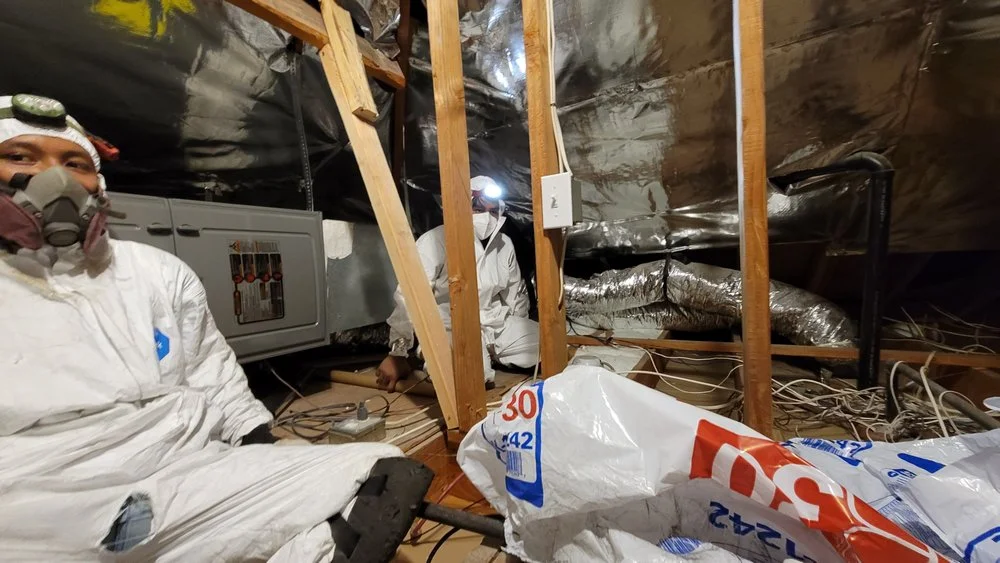
- Removal (if needed). Old or contaminated insulation is pulled out with a high-powered vacuum and bagged.
- Sanitizing and rodent-proofing (if needed). Affected areas are cleaned and entry points sealed.
- Air sealing. Gaps at top plates, plumbing chases, and light fixtures are closed.
- Installation. New insulation is blown in to an even, consistent depth, keeping vents and fixture clearances in mind.
- Walkthrough. You see photos of the finished attic and get an explanation of what was done.
How long it takes
A straightforward top-off on a typical single-family home is often finished within a day. Removal, sanitation, and duct work add time. Your inspection should give you a clear schedule before anything starts.
Permits and requirements
Rules around insulation, ventilation, and energy upgrades vary by city and county. Malibu, the City of Los Angeles, and unincorporated areas can differ. Check with your local building department or ask your installer what applies to your address.
The cost conversation, without the guesswork
We won’t throw out numbers here. Every attic is different, and a figure without an inspection is just a guess.
What drives the price
The biggest factors are attic size, how easy it is to access, whether old material has to be removed, contamination level, the amount of air sealing needed, the insulation type, and whether ductwork needs attention. A low-slope attic with tight crawl space takes longer than a roomy one.
How to compare quotes fairly
Ask each installer to spell out the target depth or R-value, whether air sealing is included, how removal and disposal are handled, and whether rodent-proofing is part of the scope. Quotes that look very different often cover very different work. Line them up item by item.
Rebates and utility programs
Utility and local energy programs sometimes offer incentives for insulation upgrades. They change often. Check with your utility provider for what’s currently available.
Simple things you can check this weekend
You can learn a lot safely, without crawling across joists.
Look from the hatch
Open the attic access and use a flashlight from the ladder. Can you see the tops of the ceiling joists? If so, the insulation is likely thin. Note any dark stains, droppings, or flattened areas. Don’t walk out onto the attic floor; stepping between joists can go through the ceiling.
Check the ceiling and vents below
Water stains, cracks near fixtures, and dust streaks around supply registers are worth photographing. They help an inspector focus quickly.
Change your HVAC filter
It’s easy, and a filter that clogs fast can hint at dust or leaky ducts in the attic. Anything involving electrical, gas, or structural work belongs with a licensed professional.
Frequently asked questions
How long does attic insulation last in coastal LA?
It depends on the material and conditions. Clean, dry insulation can last many years, but moisture, rodents, and disturbance shorten its useful life considerably.
Can I just add new insulation over the old?
Sometimes. If the old material is dry and uncontaminated, a top-off can work. If it’s wet, matted, or has rodent waste, it should come out first.
Is blown-in or batt insulation better for older Malibu homes?
Blown-in material fills around irregular framing, wiring, and obstructions well, which is why it’s common in retrofits. An inspection determines what fits your attic.
Does attic insulation in Malibu need to handle moisture differently?
Ventilation and air sealing matter a lot near the coast. Insulation should be installed so vents stay clear and humid air has fewer paths into the attic.
Will new insulation fix my high energy bills?
It can help, especially paired with air sealing and duct repair. Results vary by home, HVAC condition, and how you use the space.
Do you work outside Malibu?
Yes. LA Attic Pro serves Malibu and surrounding Los Angeles County communities. Contact us to confirm your address.
The short version
Coastal attics wear out quietly. Hot rooms, rising bills, musty smells, and signs of rodents are your cues to look closer, and the fix only works when moisture, leaks, ducts, and contamination are handled alongside the insulation itself. If something feels off in your Malibu or Los Angeles home, book your attic insulation inspection with LA Attic Pro and we’ll show you exactly what’s up there before recommending a thing.