
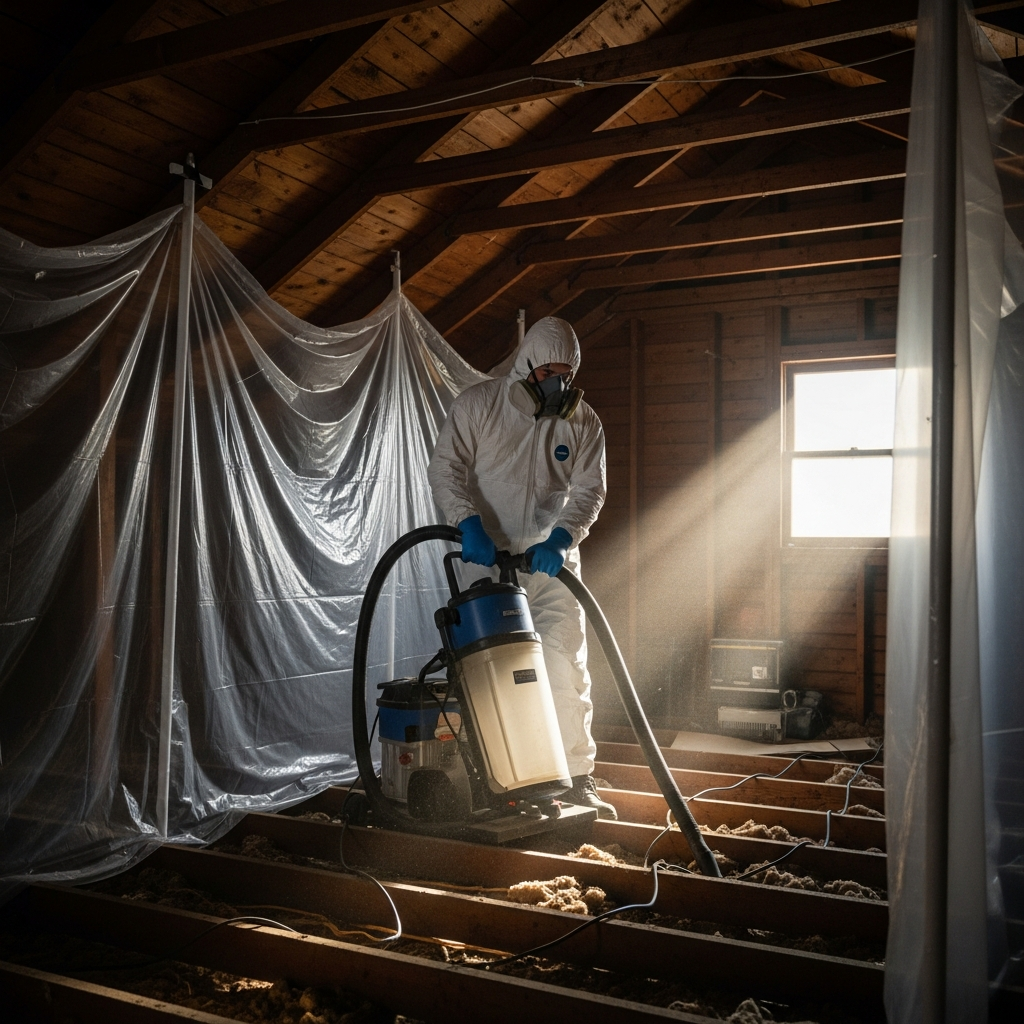
In Los Angeles, where dense neighborhoods share fences with canyons, warehouses border creative studios, and hundred-year-old bungalows sit beside new construction, certified rodent sanitation is more than cleanup—it is restoration of health, structure, and peace of mind. As a local who has stepped into attics perfumed by eucalyptus and, less poetically, sullied by rodent droppings after a Santa Ana wind event, I can tell you that the difference between a quick sweep and a certified sanitation service shows up in your air quality, your long-term protection, and your ability to sleep at night. The work is precise, methodical, and deeply rooted in standards that protect families, pets, and properties. When people ask what to look for, I always start with the fundamentals: meticulous hazard assessment, containment, HEPA filtration, careful removal of contaminated materials, and full documentation. Those are the hallmarks you want when you choose professional rodent sanitation in Los Angeles.
Certification matters here because our city’s built environment is uniquely challenging. From Spanish Revival homes with clay-tile roofs to low-slope mid-century structures, access points differ, and so do the surfaces that need decontamination. In older homes of neighborhoods like Highland Park or Hancock Park, lathe-and-plaster walls and traditional crawlspaces require gentle, thorough treatment to avoid disturbing fragile materials. In the Valley, long attic runs with radiant barriers and elaborate HVAC trunks demand different containment strategies. A certified team understands these variations and makes decisions you can trust, documenting every step so that the remediation is not just effective but verifiable.
What “Certified” Really Means In Practice
Certification in rodent sanitation refers to training, testing, and adherence to protocols that protect technicians and occupants alike. Proper certification indicates proficiency with bloodborne pathogen standards, safe handling of biohazards, and familiarity with EPA-registered disinfectants and their required dwell times. In Los Angeles, it also implies sensitivity to local code expectations and regional environmental realities—our aridity, heat waves, and seasonal rains all influence odor persistence, microbial activity, and the stability of insulation materials. A certified crew builds a process around those variables: they survey for hazards, set up controlled access, use negative-air strategies if needed, and calibrate their approach to the space, whether that is a tight crawlspace or a vaulted attic decked with decades of stored belongings.
Onsite, you will see a sequence that looks deceptively simple but relies on training. First comes a thorough assessment, including identification of rodent pathways, nesting sites, and moisture sources. Then trained hands establish containment to prevent cross-contamination as materials are removed. HEPA vacuums capture fine particulates; disinfectants are applied with attention to proper coverage and dwell time; and contaminated insulation, gnawed vapor barriers, and affected debris are bagged for compliant disposal. Afterwards, sealing and exclusion close the loop, denying re-entry. Documentation—the photos, notes, and final report—tells the story of your property’s return to safety.
Health And Indoor Air Quality Considerations
Anyone who has opened an attic hatch and been met with an earthy, ammonia-like odor understands that rodent activity lingers in the air. Certified rodent sanitation targets precisely those lingering risks. It is not only about aesthetics; it is about aerosols, bacteria, and allergens. When droppings and urine crystallize, vibrations from foot traffic or an HVAC system can send particulates into shared airflow. Proper HEPA vacuuming and carefully applied disinfectants reduce that burden. Certified providers tailor their approach to your HVAC configuration, shutting down air handlers if necessary and protecting return-air pathways so that the cleanup does not inadvertently push contaminants deeper into your home or business.
In coastal microclimates like Venice or San Pedro, humidity may intensify odors and slow dry-down after sanitation. Inland, the heat of a Valley summer can accelerate off-gassing from contaminated materials. The point is that a certified team doesn’t rely on a one-size-fits-all script. They adapt methods to the rhythm of the city’s microclimates, ensuring that the finish line is not just a clean surface, but cleaner breathing.
Materials, Equipment, And Methods You Should Expect
Reliable sanitation relies on equipment that captures, not redistributes, contaminants. HEPA vacuums with sealed housings and genuine HEPA filters are a must. For disinfectants, EPA-registered solutions are chosen for efficacy against the types of pathogens associated with rodent activity, and they are applied with care for surface compatibility—unfinished rafters accept fluids differently than painted drywall, and vapor barriers demand another touch. In some attics, foggers or misting devices are used to reach complex geometries around joists and ducts; in others, careful manual application provides the best control. The point is control: the right amount, the right contact time, the right cleanup, and the right disposal.
Personal protective equipment is nonnegotiable. Full-coverage respirators or filtered masks, gloves, and protective suits are signs that the team is taking your space, and their own safety, seriously. Waste handling and transportation must respect local rules; labeled, sealed bags and careful route planning reduce the chance of accidental release or exposure. Ask your provider to describe their PPE and disposal protocols; certified teams will answer confidently and consistently.
Los Angeles Structures And Common Rodent Pathways
Across the city, rodents exploit gradients and gaps: rooflines, foundation vents, utility penetrations, and intersections of stucco with wood trim. On hillside properties around Silver Lake or Mt. Washington, the understructure includes stilted areas and complex crawls where droppings collect behind support members and wiring. In flatland areas, older vent screens may have corroded, and attic access panels in closets sometimes leak air, creating scent trails that draw curious rodents. Certified sanitation goes hand in hand with exclusion: a cleaned space is the ideal stage for precise sealing because every trail is now visible, and fresh materials make future incursions easier to detect.
Another common Los Angeles reality is the mixed-use building with commercial at grade and residential above. In those buildings, rodent migration can flow through shared chases. Certified technicians know to survey beyond the obvious room, mapping a broader picture so that sanitation solves the whole story, not just a single chapter.
The Difference Between Cleanup And Restoration
It is tempting to think of rodent sanitation as a simple sweep, but the reason certified services matter is restoration. Odors are neutralized, not masked. Materials are either salvaged safely or replaced with clear rationale. HVAC ductwork, if contaminated, is evaluated separately, and registers are protected during the project. The attic or crawlspace emerges not just debris-free, but healthier, with reduced allergen load and improved conditions for anyone who might need to access the space in the future—technicians, inspectors, or the next owner of the home.
That restoration mindset includes visual clarity. For example, removing contaminated insulation and reinstalling clean, right-sized insulation brings energy performance benefits alongside health protection. In Los Angeles, where heat and cool loads vary sharply across microclimates, that upgrade often pays dividends in comfort. But the catalyst is sanitation: you cannot optimize a space layered in contamination.
Choosing A Certified Provider: What To Ask
Begin with training and protocols. Ask how their technicians are certified and what standards guide their work. Request a description of their containment strategy for your specific property type. Inquire about the disinfectants and their dwell times, HEPA specifications, and the approach to waste disposal. Solid providers will offer sample reports or a checklist of deliverables—photos before, during, and after; identification of access points; confirmation of sealing work; and post-job guidance for prevention.
Communication is another subtle signal. In a city where schedules are packed, you want a team that sets clear expectations, arrives prepared, and works respectfully in occupied spaces. Certified providers understand how to work discreetly in multifamily buildings, coordinating with property managers and neighbors without broadcasting sensitive issues. They also respect pets and kids—their entry and exit times, where containment sits, and how to secure tools are all part of a professional rhythm.
Mid-Project Adjustments And Documentation
In the course of a job, surprises happen: a hidden nest behind a knee wall, a section of duct insulation more contaminated than expected, or a historic detail that requires a gentler touch. Certified teams document these discoveries and explain the implications. That log becomes the map you keep for your property record, helpful for future inspections or transactions. In Los Angeles’s dynamic real estate market, clean, clear documentation is a quiet advantage.
It is also common to pair sanitation with minor repairs or upgrades identified during the process. With the right partner, you can address exclusion gaps, add new vent screens, install door sweeps, or adjust attic hatches while the space is open and clean. Coordinating these steps mid-project is efficient and supports long-term protection. If you are evaluating providers, look for those who integrate sanitation with prevention in a transparent, report-backed manner. In the middle of your planning, it can help to revisit the core promise of certified rodent sanitation: verifiable health protection backed by method, not guesswork.
Aftercare, Prevention, And Monitoring
Once sanitation wraps, the focus turns to staying clean. A good team offers guidance on food storage, green bin placement, yard trimming near rooflines, and regular inspection intervals. In neighborhoods with mature trees and overhead utility lines, trimming back from structures reduces runway access. Around foundations, ensuring that soil or mulch doesn’t rise to the siding protects against covert gaps. Indoors, attention to pantry storage and pet feeding routines helps remove attractants. None of these steps are dramatic; together, they keep your newly sanitized space in good condition.
Some clients opt for monitoring: sealed points are tracked, and any new signs are investigated quickly. In multi-unit buildings, a shared plan avoids missteps where one unit’s actions undercut another’s. The goal is not paranoia—it is calm vigilance. When sanitation is done right, the air seems lighter, and maintenance becomes reasonable, not reactive.
Special Considerations For Attics And Crawlspaces
Attics store history—old holiday decor, forgotten books, the occasional relic from a prior owner. Crawlspaces store the city’s heartbeat—plumbing, electrical, and the fragrance of our dry soil. Each carries unique sanitation demands. In attics, careful staging prevents tracked contamination into living areas; ladders, tarps, and shoe changes matter. In crawlspaces, clear communication keeps occupants informed while technicians work in tight quarters. Certified providers choreograph these details so well you barely notice the complexity. What you do notice is the relief that follows thorough decontamination and sealing.
In areas near the foothills or the river valleys, wildlife corridors intensify rodent pressure. Sanitation in those contexts is a beginning and a boundary—done properly, it resets the interior environment and gives exclusion work a clean slate. From there, seasonal checks and quick responses to any new noise or trace keep you ahead of the curve.
Frequently Asked Questions
How long does certified rodent sanitation typically take in a Los Angeles home?
Timelines vary with property size, accessibility, and the extent of contamination. A small, straightforward attic might be completed within a day, while larger properties, complex crawlspaces, or buildings with multiple affected zones can take longer. A certified provider will outline a timeline after inspection and update you if new conditions emerge during work.
Will sanitation eliminate odors completely?
Proper sanitation targets the sources—droppings, urine crystals, nesting materials—and treats nearby surfaces where residues linger. Most clients experience a substantial reduction or elimination of odors. In spaces with deeply absorbed contamination, additional ventilation or targeted odor neutralization may be recommended to reach full resolution.
Is it safe to remain in the home during sanitation?
In many cases, yes, especially when containment is properly established and work zones are isolated from living areas. However, certain phases, such as insulation removal or heavy HEPA vacuuming, may be more comfortable to schedule when occupants are out. Your provider should explain how they will protect shared air and how movement through the home will be managed.
What happens to contaminated insulation and debris?
Certified teams bag and seal contaminated materials and transport them according to local regulations. Proper labeling and routing reduce the chance of accidental exposure, and disposal receipts or documentation may be provided with the final report for your records.
Can sanitation be combined with rodent proofing?
It should be. Sanitation without exclusion is a reset without a lock on the door. The ideal approach pairs thorough cleanup with sealing of access points and installation of protective screens or sweeps, reducing the likelihood of recurrence.
What if we discover issues behind walls or in shared chases?
When sanitation uncovers concealed activity, a certified team will explain options, which may include limited access openings or coordination with other trades for safe exposure and remediation. The key is transparency—knowing what was found and how it will be resolved.
Final Steps And How To Move Forward
If you are ready to reclaim your space and breathe easier, start with a professional inspection and insist on certified methods from assessment to disposal. Clear communication, HEPA-backed cleaning, and methodical sealing are the pillars of a lasting result. For a team that treats your property like its own and follows the highest standards for rodent sanitation in Los Angeles, reach out today and schedule your visit. The sooner you begin, the sooner your home or workspace will feel like itself again.