
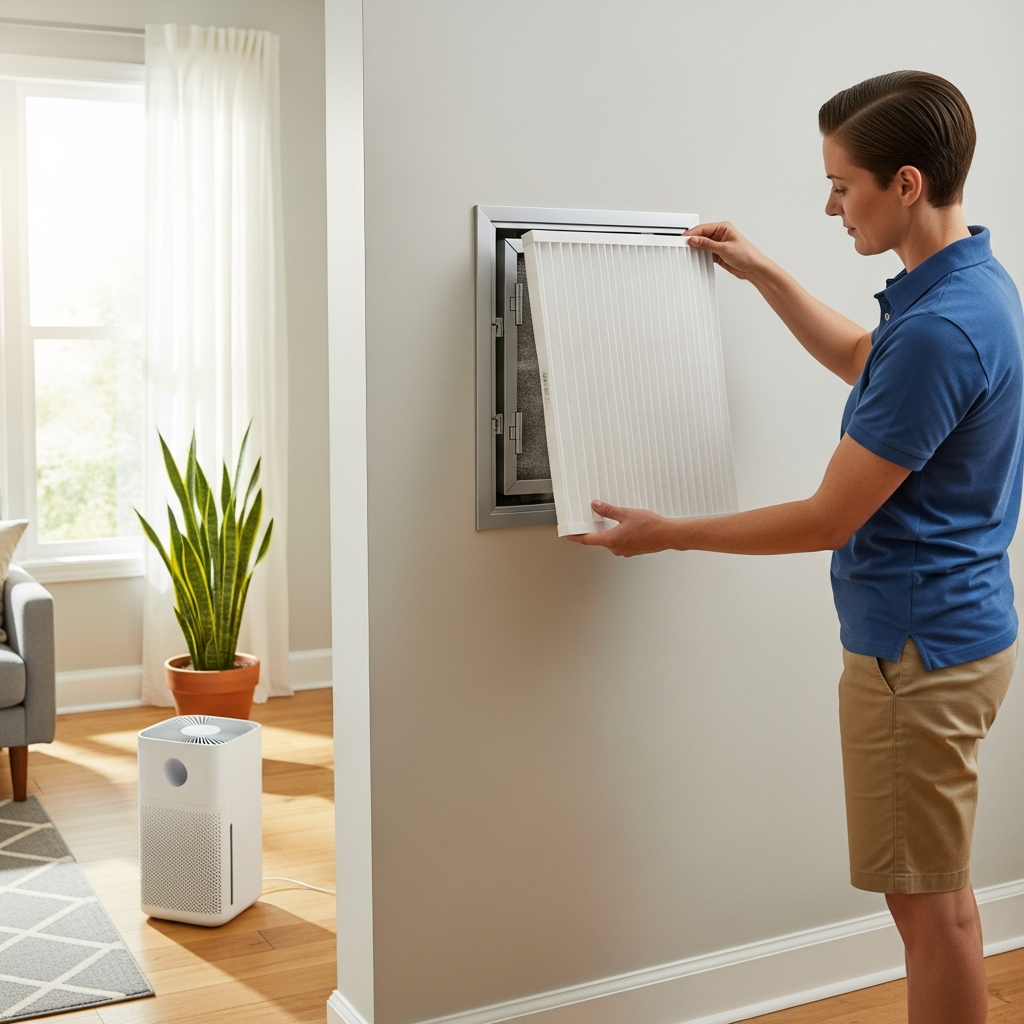
Once your Los Angeles home has new ductwork, the way you care for it shapes everyday comfort just as much as the installation did. Good maintenance habits keep airflow smooth, noise levels low, and indoor air fresh—through coastal fog, dry Santa Ana winds, and warm valley afternoons. With a few practical routines, your system will remain a quiet partner to daily life, serving bedrooms that need restful nights, home offices that demand calm work hours, and living rooms that fill with light without overheating.
Start with airflow awareness. Returns are the lungs of the system, and they need room to breathe. Keep furniture, drapes, or art from blocking them, and check that return grilles are clean. Supply registers should also remain unobstructed so air can travel without strain. If a rug, plant, or bookshelf crept into the path over time, move it a few inches and notice how quickly rooms regain their balance.
Filters sit at the front line of indoor air quality. After a replacement project, your ducts are sealed and clean, and the right filter maintains that standard. Develop a cadence that fits your household—more frequent checks in busy seasons, or whenever construction dust, wildfire smoke, or pollen is in the air. If you notice surfaces near registers collecting dust or a slight haze catching sunlight in late afternoon, inspect the filter and make sure it is seated properly with no gaps.
Pay attention to sound. A healthy system hums softly and consistently. If a register begins to whistle, a damper may have shifted, a grille might be partially closed, or an object could be interrupting the flow. Sometimes an elbow or transition can vibrate against framing after a season of temperature swings. These are simple fixes when caught early. Take a slow walk around during peak operation, listen carefully, and note anything unusual to share with a technician.
Seasonal checkups help your system adapt to Los Angeles’ rhythms. Before the warmest months, confirm that bedroom and living room branches are balanced for afternoons when the sun is strongest. As autumn approaches, and especially during smoke-prone periods, revisit filter condition and ensure returns are spotless. A brief professional inspection each season verifies that seals, supports, and damper positions remain as intended after months of expansion, contraction, and daily use.
Dust management in attics and crawl spaces also pays dividends. Even sealed ducts benefit from a clean surrounding environment. If you store boxes or holiday decorations in the attic, keep them away from runs and supports. Avoid dragging items across insulated ducts, and resist cutting new access points without guidance. If a project requires work near ductwork—adding lighting, running cables, or framing—coordinate with a professional to protect the system and preserve airflow.
Keep an eye on temperature patterns room by room. In many Los Angeles homes, solar exposure varies widely. If a west-facing den gets toasty late in the day while a shaded bedroom stays cool, consider slight adjustments to register direction or damper settings. These small tweaks maintain balance without dramatic changes. Record settings after you find a sweet spot so seasonal adjustments are easy to reproduce.
Cleanliness at the registers and returns is a gentle, ongoing task. Wipe grilles periodically with a soft cloth and mild cleaner. If you remove a grille to clean it thoroughly, reinstall it carefully so the seal around the boot remains snug. This simple habit prevents dust recirculation and helps the system run quietly, especially in rooms where you notice late-day sunbeams catching particles in the air.
In families with allergies or asthma, vigilance around filtration and sealing is particularly important. Discuss filter type with your technician and confirm that the return path is air-tight so the system doesn’t pull from dusty cavities. If you notice a musty odor or a sudden dust uptick, schedule an inspection. Early intervention prevents small issues from worsening and supports consistently cleaner air.
For homes in hillside or earthquake-prone areas, check visible supports and strapping annually. While professional installations include secure hardware, it’s wise to glance at accessible runs after any noticeable tremor. If something looks out of place—loose hangers, shifted insulation, or a register that no longer sits flush—call for a quick evaluation. The earlier a small adjustment is made, the less likely you are to hear rattles or feel performance dips later.
Watch for changes near renovations or furniture moves. If you open a wall, add a built-in, or rearrange a room, airflow may shift. Monitors, printers, and other heat sources in a home office can also influence comfort. A slight damper adjustment or a different register angle can re-balance the space without drama. For bigger changes—like a new room or a loft conversion—consult a pro to keep the whole-home picture in equilibrium.
Documentation helps you stay consistent. Keep a simple sketch of the trunk and branches, mark damper positions that worked well in summer and winter, and store photos from the final walkthrough after installation. This tiny bit of record-keeping makes tune-ups faster and lets you answer questions quickly if you switch service providers or plan a remodel.
Quiet operation is a sign that your ductwork is at ease. If you suddenly hear fluttering or a new rush at a certain register, take note of timing and conditions. Did it begin after a heat wave, a windy night, or a furniture shuffle? Observations like these give technicians a head start, turning a visit into a straightforward fine-tuning instead of a hunt for clues.
Consider the envelope that surrounds your ductwork. Insulation in the attic, air sealing at top plates and penetrations, and effective shading on south- and west-facing windows all support even temperatures. When the building shell helps, the ducts can do their job with less effort. The synergy is most obvious in rooms that used to swing wildly through the day but now hold steady from morning into evening.
Be thoughtful about access. If you plan to store items in the attic, leave clear paths for service and avoid compressing insulation. Never hang objects from duct supports or straps. If you need new access points for other trades, coordinate so that framing and finishing preserve duct integrity. These small considerations protect both performance and safety.
When smoke events or dusty conditions arise, step up your attention temporarily. Check filters more often, gently clean returns and registers, and limit the opening of windows on the most challenging days. Once conditions ease, return to your regular schedule. This flexible approach keeps indoor air clearer without adding unnecessary chores.
For busy households, schedule reminders for filter checks and seasonal inspections. Attach a small label near the return with the filter type and check dates, or set recurring notes on your phone. Consistency is more important than perfection; even if you’re a week or two late now and then, staying engaged with the system pays off over time.
If you share your home with pets, keep an eye on fur buildup around registers and returns. Regular grooming helps, and a quick wipe of grilles between filter changes keeps air moving smoothly. If you notice unusual odors after long periods with windows closed, mention it during a checkup so the technician can confirm seals and suggest any helpful tweaks.
As your family’s routines change—new baby, home office expansion, older kids moving out—revisit airflow priorities. Slight damper adjustments can refocus comfort where it matters most without overhauling the layout. This is one of the strengths of a well-designed system: it can flex with your life while maintaining the calm, even feel you value.
Finally, partner with local professionals who treat your home with care. Clear communication, photos from inspections, and patient explanations build confidence. If you’re exploring a tune-up now, or you simply want a second look at damper settings and register choices, consider connecting with specialists in air duct replacement who understand Los Angeles’ microclimates, building styles, and neighborhood nuances.
How often should I change filters in Los Angeles?
Filter schedules depend on household activity, pets, and local conditions. During periods of smoke or heavy pollen, check more frequently. Aim for a regular cadence you can sustain, and make sure filters sit snugly with no gaps that would allow bypass air around the media.
What are signs my new ducts need attention?
Listen for new whistles or rattles, look for dust collecting around registers, and watch for rooms that drift warmer or cooler than usual. Any sudden change merits a quick check. Early adjustments protect quiet operation and keep conditions steady.
Can I adjust dampers and registers myself?
Light adjustments are fine. Note original positions, make small changes, and give the system time to respond. If results are inconsistent or noise increases, revert to your notes and call a professional for guidance. Balanced systems respond best to subtle shifts instead of drastic moves.
Will these habits improve indoor air quality?
Yes. Clean filters, sealed returns, and unobstructed flow reduce airborne particles and stale air recirculation. During dusty or smoky periods, extra attention to filters and grilles helps keep the air fresher, especially in bedrooms and living rooms.
Do I need seasonal professional inspections?
Brief seasonal visits are helpful. Technicians can confirm damper positions, inspect supports and seals, and offer suggestions based on recent weather patterns. These checkups are short, focused, and pay off in quieter operation and more even temperatures.
What should I document after installation?
Keep a simple diagram of trunk and branches, photos of key connections, and notes on damper settings that work in summer and winter. This small portfolio makes service efficient and supports any future remodels that touch mechanical spaces.
If you want your new ducts to deliver years of effortless comfort, build a maintenance rhythm that suits your life and work with professionals who know Los Angeles homes inside and out. For friendly guidance, seasonal tune-ups, or a fresh look at airflow balance, reach out to local experts in air duct replacement. With steady care and clear communication, your home will stay calm, quiet, and comfortable across seasons.