
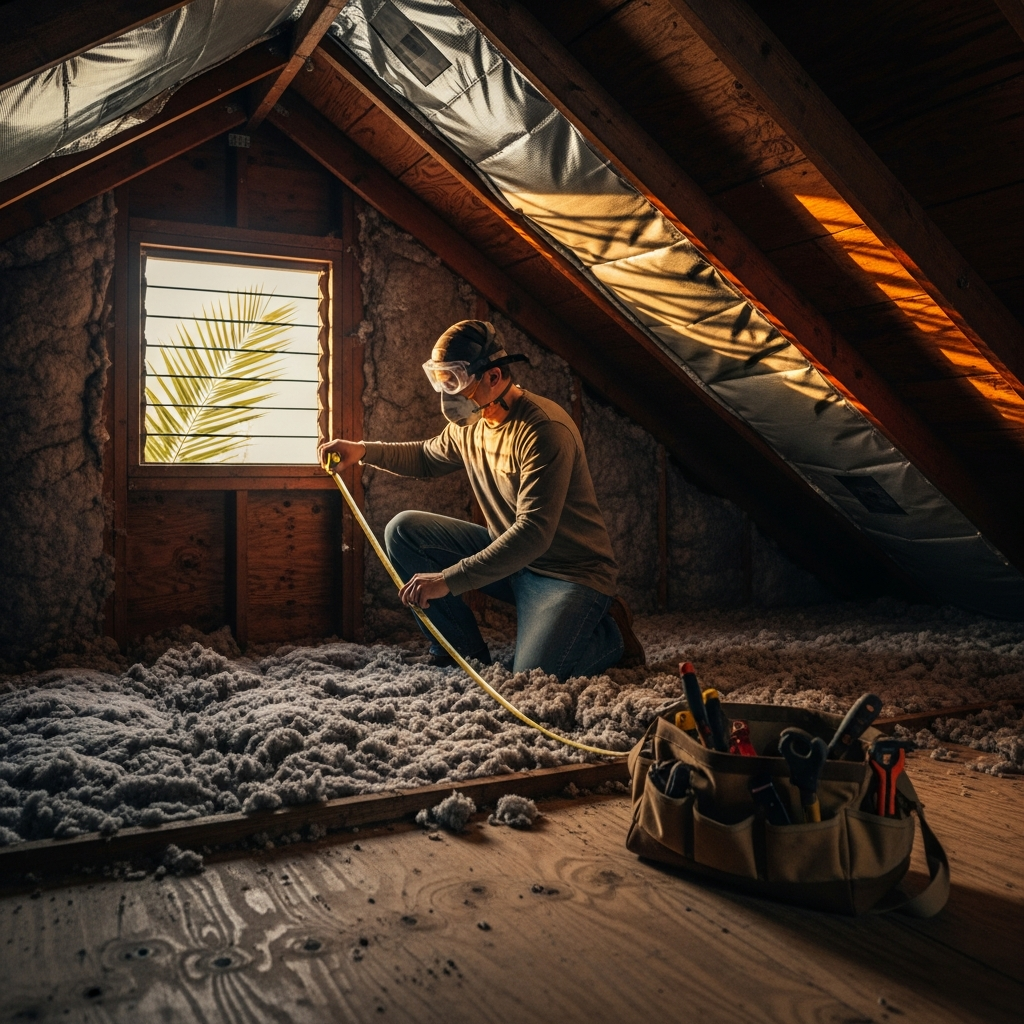
On the hottest days in Los Angeles, the kind that bake the sidewalks and send heat shimmering above the 101, you can practically feel the city’s rooftops radiating. I have spent years peering into attics from Venice to Highland Park, and the same truth always greets me when summer arrives early and stays late: a well-insulated attic is one of the most powerful tools a homeowner has for comfort, resilience, and protecting the life of their home. In neighborhoods where heat lingers into the evening and peak energy demand strains the grid, putting careful thought into attic insulation pays you back in calmer rooms, quieter air conditioners, and steadier indoor temperatures that don’t see-saw every time the sun ducks behind a palm frond.
When I talk with homeowners about upgrades, I usually start with the role the attic plays in Los Angeles homes specifically. Our Mediterranean climate, coastal breezes, marine layers, and inland heat pockets interact with roofs in a very local way. The attic is often a buffer zone that either stops heat at the roofline, or, if poorly insulated, funnels it straight into your living spaces. Getting your attic insulation dialed in means the peak heat of the afternoon does not cascade into dinner time, and the early morning cool is preserved a bit longer before the day warms up.
Why the attic becomes a heat engine
Los Angeles sun sends a steady stream of radiant energy onto dark, heat-absorbing roofs. Shingles or tiles heat up, and the roof deck becomes a hot plate. Without sufficient insulation, that heat travels by conduction through the deck and framing, by convection as attic air warms and circulates, and by radiation as the underside of the roof beams and decking glow with absorbed energy. The temperature in an uninsulated or under-insulated attic can soar far beyond the outdoor air temperature, often turning the rooms below into reluctant heat sinks by late afternoon.
This effect is magnified where architecture has low-slope roofs, minimal overhangs, or expansive sun exposure. Think post-war bungalows in the Valley, Spanish revivals in Mid City, or hillside homes with broad, sun-drenched roof planes. Even near the ocean, where breezes temper the highs, a day of uninterrupted sun bakes a roof enough to nudge indoor temperatures up several degrees if the attic isn’t protected. That is why people often notice the upstairs bedrooms are hardest to cool and slowest to settle at night—the attic has spent hours compiling heat, and now releases it into the rooms below.
How proper insulation changes the summer story
Attic insulation acts like a dam in a river of heat. Instead of allowing warmth to flow into your living spaces, insulation resists that movement, reducing the rate at which heat penetrates and buying your home precious time. In practical terms, this means a cooler interior during the late afternoon and evening, fewer long cycles from your air conditioner, and a more even temperature from room to room. You will also notice that surfaces in the home—walls, ceilings, even furniture—don’t accumulate that “stored heat” feel. Everything stabilizes, making comfort less dependent on blasting cold air and more on retaining the cool you’ve already paid to generate in the morning.
There is also a protective effect for your building materials. By keeping attic temperatures lower, you reduce the thermal stress on the roof deck and framing, which can help limit expansion and contraction over the years. Skylight wells and recessed lighting cans, which often become unwitting chimneys of heat, stay cooler and less prone to heat-related wear. Your ductwork, frequently routed through the attic in Los Angeles homes, experiences gentler conditions, so the air inside those ducts does not pick up as much heat before reaching your rooms.
The comfort you can feel room by room
On the ground, homeowners often describe the change after an attic insulation upgrade in simple, relatable terms. The upstairs hallway that used to feel “toasty” at 5 p.m. now registers as merely warm. Bedrooms beneath a south-facing roof are sleepable again without cranking the thermostat. The AC cycles are quieter because they are shorter and less frantic. And if you happen to have a home office tucked into a converted attic area, you will notice the afternoon slump turning into normal working conditions, not a battle with heat glare and sweating electronics.
What surprises many people is how much sound insulation improves at the same time. Fibrous materials like cellulose and fiberglass help absorb outdoor noise, muting traffic echoes, helicopter passes, and even the hum of pool pumps and leaf blowers. On summer nights, when windows are open to catch whatever breeze sails by, that extra bit of acoustic calm can transform how your home feels.
Choosing materials suited for Los Angeles summers
We have a handful of reliable options for attics in our region. Blown-in fiberglass is common for its cost-effectiveness, consistent coverage, and resistance to settling over time. Dense-pack cellulose, made largely from recycled paper, offers superb coverage around odd framing and helps dampen sound; it performs well in our dry-summer climate. Mineral wool, spun from basalt or industrial slag, brings natural fire resistance—a consideration in canyons and wildland-urban interface areas. Spray foam can be used in specific assemblies when converting the attic to conditioned space, though it requires careful planning and ventilation strategy.
No matter the material, the target is performance appropriate to code and your home’s design. In many Southern California situations, achieving around R-38 or higher in the attic is a common benchmark, but the right level depends on the house, the roof assembly, and any constraints like storage platforms or low-clearance eaves. What matters just as much as the advertised R-value is the quality of installation: consistent depth, no voids, proper baffles to maintain ventilation at the eaves, and diligent protection of recessed lighting and flues.
As a local, I also consider how materials behave through coastal fog, marine layers, and the dust that drifts in from drier inland breezes. Insulation that can maintain loft, resist pests when paired with air sealing, and avoid trapping moisture is critical. When a project calls for it, I coordinate with roofers to time upgrades such that both the rooftop and attic work in harmony, preventing disruptions in summer when cooling is valuable.
Air sealing: the unsung partner to insulation
Insulation resists heat flow, but air sealing stops the movement of hot air itself. Every recessed can, plumbing stack, wire penetration, and top-plate gap is a potential route for attic air to dive straight into your home. On a hot day, that air can be 30 or 40 degrees warmer than your target indoor temperature. Sealing those pathways with appropriate materials—fire-safe covers for cans, foam or caulk at penetrations, and rigid blocking at chases—means your insulation does not have to fight a constant breeze of hot air sneaking through the ceiling.
Proper air sealing also helps indoor air quality. Attics can host dust, roofing particles, and pollutants that have no business entering your living spaces. By buttoning up the penetrations, you keep your interior cleaner and reduce the allergic irritants that hot, dry days can stir up. You also set the stage for mechanical ventilation to work as intended in the rest of the house, ensuring that fresh air comes from where you choose, not from a dusty attic.
At about the midpoint of many projects, I like to pause and review with homeowners why the combination of quality air sealing and improved attic insulation is such a multiplier. The two together form a cap on heat and a block on unconditioned air, allowing everything else in the home—windows, shading, even interior finishes—to operate in a calmer, more predictable environment. It is a bit like tuning a guitar; once the strings are right, every chord rings clearer.
Ventilation that supports, not undermines, performance
Attic ventilation is not about pulling your conditioned air outside; it is about controlling the temperature and humidity of the attic itself. In Los Angeles, balanced soffit and ridge or high gable vents allow hot air to escape before it loads the entire attic with heat. Baffles, sometimes called chutes, hold the insulation back from the eaves to preserve airflow. The key is balance. Too little ventilation and heat accumulates; too much or poorly placed ventilation can create drafts that disturb insulation or, in rare cases, drive unwanted air through leaks into the home. When insulation and ventilation are tuned together, the attic stays cooler, the roof assembly is happier, and your ceilings remain the calm, protective layer they should be.
Real-world results across Los Angeles neighborhoods
In a 1930s Spanish in Silver Lake, shallow eaves and original plaster ceilings meant the rooms baked by late afternoon. Blown-in cellulose to R-44, combined with methodical air sealing around a maze of old wiring penetrations, made an immediate difference. The owners described the change as moving from “living under a griddle” to “living under a shade tree.” In the San Fernando Valley, a post-war ranch with ductwork in a sweltering attic saw a big uptick in cooling performance once the ducts were sealed and buried in new insulation. Supply air reached rooms a few degrees cooler, and the system cycled in shorter, more effective bursts.
On the Westside, where coastal fog can make mornings cool even in July, insulation helps preserve that morning chill well into the day. Homes there benefit from a softer temperature curve; AC starts later and runs less aggressively, yet the home stays pleasantly steady by evening. Across all these cases, the theme repeats: insulation is not a gadget you notice once and forget, but a consistent comfort partner you feel, every hot day, in every corner of the house.
Longevity, maintenance, and peace of mind
People sometimes ask how often they should “service” their insulation. The truth is, good materials installed well need very little attention. What they do need is an occasional glance during seasonal chores. Peek into the attic to ensure no one has stepped and compressed pathways, that storage items have not been shoved across the insulation like a snowplow, and that there are no signs of pests. If you run new wiring or add recessed lights, confirm the work preserved your air sealing and insulation depth. If a roof leak occurs—and in our rare but sometimes dramatic winter storms that can happen—address it promptly and check whether any insulation needs to be dried, fluffed, or replaced.
As summers in Los Angeles trend hotter and heat waves arrive earlier, the value of a properly insulated attic only grows. It is an investment not just in cooler rooms today, but in a home that can better ride out energy peaks, power interruptions, and the small thermal stresses that accumulate over years. When combined with shading, smart thermostats, and well-sealed windows, attic insulation becomes part of a broader comfort strategy that keeps your home hospitable even when the city shimmers with heat.
Preparing for tomorrow’s heat
Climate projections point to more frequent extreme heat days. Whether you live in a canyon that traps warmth, a flat in a dense neighborhood with heat-reflecting hardscapes, or a breezy coastal street that still warms by afternoon, future-proofing your home makes sense. Insulation is one of the least intrusive upgrades with one of the largest daily comfort dividends. It does its work quietly, does not ask for much maintenance, and can be tailored to your existing architecture without tearing the home apart.
When you stand in your hallway in late July and realize the evening air is just as calm as the morning, that is insulation at work. The furniture no longer radiates yesterday’s heat, the upstairs feels friendly again, and even the dog sprawls on the rug instead of searching out the tile. Los Angeles may sizzle outside, but inside, your home can hold a different rhythm—cooler, steadier, and graciously insulated from the city’s summer extremes.
Frequently Asked Questions
Q: What R-value should I target for a Los Angeles attic?
A: Many homes do well targeting around R-38 or higher, but the right level depends on your roof design, available space, and whether you plan any storage or mechanicals in the attic. A professional assessment will look at depth, ventilation, and air sealing to recommend a specific level.
Q: Do I need to remove old insulation before adding new?
A: Not always. If the existing insulation is dry, clean, and free of contamination, topping it up can be fine. If there are signs of moisture, pests, or suspect materials, removal and cleanup come first. The decision hinges on condition as much as on depth.
Q: Will attic insulation make my AC run less?
A: Typically yes. By reducing heat gain, your system cycles less often and for shorter durations. You may also notice cooler supply temperatures if your ducts run through a less extreme attic environment.
Q: What about radiant barriers—do I need one?
A: Radiant barriers can be useful in specific assemblies, especially where the roof deck gets intense sun. They are most effective when paired with adequate insulation and proper ventilation, not as a substitute.
Q: Can insulation help with indoor air quality?
A: Indirectly, yes. When combined with solid air sealing, insulation reduces the movement of attic air, which can carry dust and pollutants, into living spaces. The result is a cleaner, more controlled indoor environment.
Q: How long does installation take?
A: Most attic projects finish in a day or two, depending on preparation, air sealing needs, and access. Coordinating with any electrical or roofing work can influence scheduling.
Q: Will insulation help in the mild seasons too?
A: Absolutely. It moderates temperature swings year-round, preserving cool mornings in spring and fall and reducing overnight heat loss in winter.
If you are ready to feel the difference on the next heat wave, connect with a local team that knows how Los Angeles roofs respond to summer sun and how to tune an attic for lasting comfort. The right plan blends air sealing, balanced ventilation, and properly specified materials so your home stays calm even when the city broils. Start by exploring options for upgraded attic insulation, and take the first step toward cooler rooms, quieter AC cycles, and a summer that feels more like a breeze than a battle.