
Why Air Leaks Are the Hidden Enemy of Attic Insulation in Los Angeles
Most Los Angeles homeowners assume that once new insulation goes in, their energy bills will drop and their comfort will improve. That assumption is only half right. Without addressing the air bypasses that riddle most older attic assemblies, even a freshly installed R-38 blanket of fiberglass or blown cellulose can underperform by a wide margin. This guide breaks down exactly how those leaks work, why Southern California’s climate makes them worse, and what a proper attic insulation service actually looks like from start to finish.
What an Air Bypass Actually Does to Your Insulation
Insulation Resists Heat Transfer; Air Bypasses Carry It
Insulation works by trapping tiny pockets of still air inside its matrix of fibers or foam cells. The operative word is still. The moment air starts moving through or around the insulation layer, those pockets are disrupted and the thermal resistance (R-value) drops. An air bypass is any gap, crack, or penetration that allows conditioned indoor air to escape into the attic or allows hot attic air to pour into the living space. Common culprits include:
- Open top plates where interior partition walls meet the attic floor
- Gaps around recessed light cans (especially older non-IC-rated fixtures)
- Plumbing and electrical penetrations that were never sealed
- Pull-down attic stair frames with no insulation box or weatherstripping
- Gaps at the junction between the attic floor and exterior walls
Each of these openings creates a path for convective airflow. Hot attic air flows in; cool conditioned air flows out. The insulation sitting right above those gaps is essentially being short-circuited.
The Stack Effect in a Los Angeles Context
Thermal stack effect is the tendency of warm air to rise and escape through the upper portions of a building while drawing replacement air in through lower openings. In colder climates, this is primarily a winter problem. In Los Angeles, the dynamic runs almost year-round in a different direction: attic temperatures routinely reach 130°F to 140°F on summer afternoons, creating a strong pressure gradient that pushes superheated air down through every unsealed gap into the living space below. Your air conditioner then has to overcome not just the conductive heat load through the insulation, but also the direct infiltration of hot attic air.
Measured R-Value vs. Effective R-Value
Insulation manufacturers rate their products under laboratory conditions with no air movement. In the field, air leakage can reduce the effective thermal performance of a fiberglass batt assembly by a meaningful amount, particularly at the edges and penetrations where installation is least precise. A well-sealed attic assembly with a moderate R-value will almost always outperform a higher-rated assembly installed over unsealed bypasses. This is why experienced attic insulation contractors treat air sealing as a prerequisite, not an optional add-on.
Southern California’s Climate Makes This Problem Worse Than Most
The Long Cooling Season Compounds Every Leak
Much of the insulation guidance published nationally assumes a heating-dominated climate. Los Angeles is the opposite. The cooling season stretches from roughly late spring through early fall, and even winter afternoons can push attic temperatures well above ambient. That means any air bypass in an LA attic is actively working against your comfort and your energy budget for the majority of the year, not just a few months. A bypass that might be a minor nuisance in a milder climate becomes a persistent drain here.
Wildfire Smoke and Particulate Infiltration
Unsealed attic bypasses are not only a thermal problem in the Los Angeles region. During wildfire events, which have become a recurring seasonal reality across Southern California, those same gaps allow smoke and fine particulates to migrate from the attic into the living space. A well-sealed attic assembly reduces that infiltration pathway. This is not a medical claim, but it is a practical reason why air sealing has value beyond energy performance alone.
Title 24 and California’s Energy Code Expectations
California’s Title 24 energy code sets requirements for insulation R-values and, increasingly, for air barrier continuity in residential construction. Requirements vary by climate zone and project type, so always confirm specifics with a licensed contractor or your local building department. The broader point is that California has recognized air sealing as an integral part of building performance, not a luxury upgrade. Homes built before modern code versions often have attic assemblies that fall short of current standards on both counts.
The Anatomy of a Proper Attic Insulation Installation
Step One: Inspection and Bypass Mapping
A thorough attic insulation installation begins before a single bag of material is opened. A qualified technician should walk the attic floor (or inspect it thoroughly from the hatch if access is limited) and document every penetration, every open top plate, and every fixture that represents a potential bypass. In many Los Angeles-area homes, this inspection turns up dozens of unsealed penetrations that the original builder never addressed. Some contractors use a blower door test to quantify total air leakage before and after the project, which gives homeowners a concrete measure of improvement.
Step Two: Air Sealing Before Insulation Goes In
This sequencing matters. Sealing bypasses after insulation is installed is far less effective because you cannot see or access the penetrations beneath the insulation blanket. The right approach is to seal first, then insulate. Common sealing materials include:
- Two-part spray polyurethane foam for larger gaps and open top plates
- Acoustical sealant or fire-rated caulk for smaller penetrations around wiring and pipes
- Sheet metal or rigid foam board with foam edges for larger openings like dropped soffits
- Weatherstripped, insulated boxes over recessed light cans where replacement with airtight fixtures is not part of the scope
Each of these materials has appropriate applications. A contractor who skips this step and goes straight to blowing in insulation is leaving significant performance on the table.
Step Three: Insulation Selection and Installation Depth
Once the attic is sealed, the insulation material and depth are selected based on the climate zone and the existing conditions. For most of the Los Angeles basin and surrounding areas like Ventura County, current recommendations point to a minimum R-value that substantially exceeds what was standard practice in homes built before the 1990s. Common material choices include:
| Material | R-Value per Inch (approx.) | Best Use Case | Key Consideration |
|---|---|---|---|
| Blown Fiberglass | 2.2 to 2.7 | Open attic floors, topping off existing insulation | Settles slightly over time; confirm settled depth meets target R-value |
| Blown Cellulose | 3.2 to 3.8 | Open attic floors, good for irregular joist bays | Higher density helps resist air movement; moisture management important |
| Fiberglass Batts | 2.9 to 3.8 | Between rafters in cathedral or knee-wall assemblies | Fit quality is critical; gaps at edges dramatically reduce performance |
| Spray Polyurethane Foam (closed-cell) | 6.0 to 7.0 | Unvented roof assemblies, rim joists, targeted sealing | Higher material cost; creates both air barrier and insulation in one layer |
The right choice depends on your specific attic configuration, existing material, and budget priorities. An experienced attic insulation contractor will assess all of these factors before recommending a material.
Signs Your Current Attic Insulation Is Losing the Battle
Comfort Clues Inside the House
You do not need a blower door test to suspect a problem. Certain patterns inside the house point clearly toward attic air leakage. Rooms directly below the attic that feel noticeably hotter than the rest of the house in summer are a classic indicator. Ceilings that feel warm to the touch on a hot afternoon suggest heat is conducting and convecting through the assembly above. If your HVAC system runs almost continuously on hot days without ever quite reaching the thermostat setpoint, attic air leakage is a likely contributor alongside duct issues.
Visual Clues in the Attic Itself
Discoloration in insulation is one of the most telling signs of air movement. When air flows through fiberglass, it deposits airborne dust and particles in a visible pattern. Streaks or dark staining in the insulation around light fixtures, along top plates, or near penetrations indicate that air has been moving through those spots for years. Compressed or matted insulation that has lost its loft has also lost a significant portion of its R-value, regardless of how thick it appears.
Energy Bill Patterns
A home with significant attic air leakage typically shows disproportionately high cooling costs relative to the square footage and the age of the HVAC equipment. If your energy bills seem out of proportion with your neighbors in similar-sized homes, the attic assembly is worth a professional inspection. LA Attic Pro serves homeowners across the Los Angeles area and Ventura County who are seeing exactly this pattern and want a concrete diagnosis before committing to any work.
Why Skipping Air Sealing Is a Costly Mistake
Here is the counterintuitive reality: adding more insulation on top of an unsealed attic assembly often produces disappointing results. Homeowners who have done this report that their comfort improved only marginally, and their energy bills barely moved. The reason is straightforward. If the dominant heat transfer mechanism is convective (air moving through bypasses), adding more resistive insulation does not address the root cause. You are solving the wrong problem.
The Interaction Between Insulation and Duct Systems
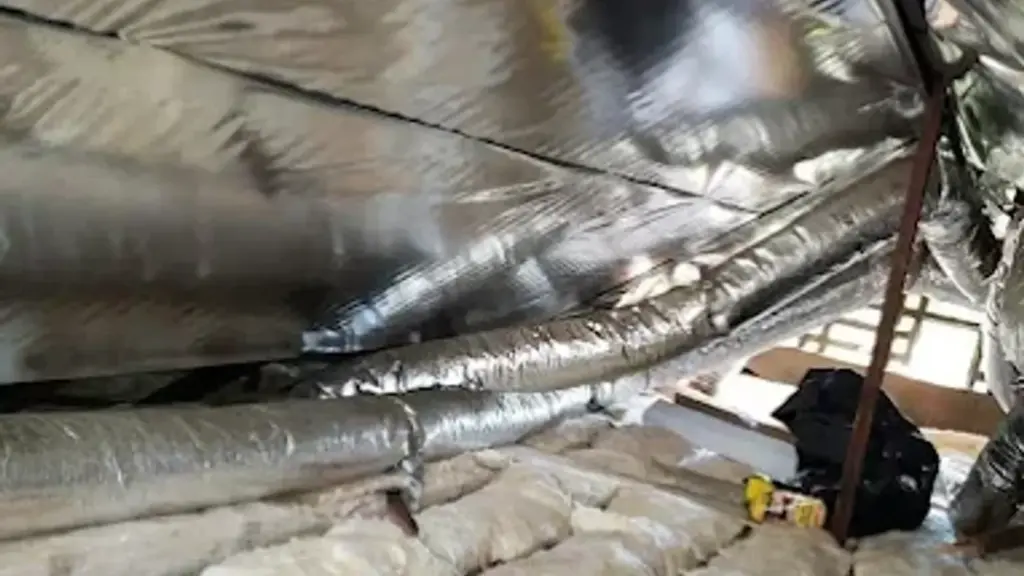
Many Los Angeles homes have HVAC ducts running through the attic. When those ducts are surrounded by superheated attic air, they lose conditioned air to the surrounding heat even before it reaches the living space. A well-sealed and well-insulated attic reduces the temperature differential that the ducts have to fight against. This is why a comprehensive attic insulation service that addresses both the thermal envelope and the air barrier tends to produce better outcomes than treating insulation as a standalone upgrade.
Moisture Dynamics in a Sealed Assembly
A common concern is that sealing an attic too tightly will trap moisture. This is worth taking seriously, but the solution is proper design, not leaving bypasses open. A vented attic assembly with sealed top plates and penetrations still allows the attic space itself to breathe through soffit and ridge vents. The goal of air sealing at the attic floor level is to separate the conditioned living space from the unconditioned attic, not to seal the attic from the exterior. A knowledgeable contractor will design the assembly so that ventilation paths remain clear and functional.
What to Expect from a Professional Attic Insulation Service in Los Angeles
The Inspection Process
A professional visit from LA Attic Pro begins with a thorough attic inspection, not a sales pitch. The technician will assess the current insulation depth and condition, identify visible bypasses and penetrations, check for signs of rodent activity or moisture damage that would need to be addressed before new insulation goes in, and evaluate the existing ventilation configuration. This baseline assessment shapes every recommendation that follows.
Removal vs. Topping Off
Not every attic requires a full insulation removal before new material is added. If the existing insulation is clean, dry, and free of contamination, adding new material on top is often appropriate. However, if there is evidence of rodent infestation, mold, moisture damage, or heavily compacted old insulation that would impede air sealing access, removal is the better starting point. LA Attic Pro offers both insulation removal and new installation as part of a complete service, so the scope can be tailored to what the attic actually needs.
Timeline and Disruption
For most single-family homes in the Los Angeles area, a combined air sealing and insulation installation project takes one day. Larger homes or projects that include removal will typically require a full day or extend into a second. The attic access point is the primary work area, so disruption to the living space is minimal. The house remains occupied throughout in almost all cases.
Frequently Asked Questions
Does air sealing make a meaningful difference if I already have insulation in my attic?
Yes, often significantly. If your existing insulation was installed without addressing bypasses, sealing those gaps can improve the effective thermal performance of the assembly even without adding more insulation material. The two measures work together, but air sealing addresses a fundamentally different heat transfer mechanism than adding R-value does.
How do I know if my attic insulation meets current standards for the Los Angeles area?
The most reliable way is a professional inspection that measures actual installed depth and assesses material condition. California’s Title 24 energy code specifies minimum R-values by climate zone, and many older LA-area homes fall short of current minimums. A licensed attic insulation contractor can tell you where you stand and what would be needed to bring the assembly up to current performance expectations.
Can I add insulation myself without sealing bypasses first?
You can, but the results will likely disappoint. Adding blown insulation over unsealed penetrations simply buries the bypasses rather than closing them. Air will continue to move through the gaps, and you will have spent money on material that is not performing at its rated value. Proper sequencing, seal first then insulate, is not optional if you want the project to deliver real results.
What is the difference between a vented and an unvented attic assembly?
A vented attic has soffit and ridge vents that allow outside air to circulate through the attic space, keeping it close to outdoor temperature. Insulation sits at the attic floor level. An unvented (hot roof) assembly places insulation at the roof deck level and brings the attic into the conditioned envelope of the house. Both approaches can work well when properly designed. Most existing Los Angeles homes have vented assemblies, and the air sealing work described in this article applies to that configuration.
Does attic insulation work help with noise as well as temperature?
Blown cellulose and dense-pack fiberglass both provide some acoustic dampening in addition to thermal resistance. Homeowners in areas with significant aircraft or street noise sometimes notice a modest improvement in sound transmission after a new insulation installation. It is a secondary benefit rather than the primary purpose, but worth knowing.
How often does attic insulation need to be replaced?
Properly installed insulation in a clean, dry attic can last for decades without replacement. The triggers for replacement are typically contamination (rodent activity, moisture intrusion, or fire smoke), significant settling that has reduced depth below target levels, or the discovery of an older material like vermiculite that warrants removal for safety reasons. A periodic inspection every several years is the best way to catch developing issues before they require a full replacement.
Conclusion
Air leaks and attic insulation are inseparable issues for Los Angeles homeowners. Addressing one without the other leaves real performance and comfort on the table, particularly in a climate where the attic can function as an oven for months at a time. If your home has older insulation, rooms that never quite cool down, or energy bills that seem higher than they should be, a professional inspection is the logical first step. Schedule your attic insulation inspection with LA Attic Pro and get a clear picture of what your attic assembly is actually doing, and what it could be doing instead.