
In Los Angeles, the way air moves through a home matters more than most people realize. Warm Santa Ana winds, cool marine layers that crawl in from the coast, and long, sunlit afternoons all influence how an HVAC system breathes. When residents start thinking seriously about air duct replacement, the conversation naturally turns to planning, priorities, and the smartest path forward for comfort and energy performance. As a local who has spent years inside attics, crawl spaces, and mechanical rooms from Highland Park to Venice, I’ve seen how thoughtful design and careful craftsmanship transform the daily feel of a home. Early in that journey, many homeowners research options, compare approaches, and look for a trustworthy team. If you are in that exploration phase, it helps to study the essentials of air duct replacement through a Los Angeles lens, where climate, building age, and neighborhood styles all shape decisions.
Every home develops its own rhythm of airflow. In many classic Los Angeles bungalows, supply runs were added across decades, and returns weren’t always sized with precision. In hillside properties, ducts may snake through tight joist bays or chase spaces built during mid-century remodels, making access a little more challenging. Meanwhile, in newer construction, systems often focus on efficiency but may not fully account for room-by-room usage patterns or the way the sun hits specific elevations. Understanding these realities will help you make sense of what a replacement project should address, and which upgrades genuinely improve comfort and indoor air quality.
Before any work begins, a professional evaluation is invaluable. A thorough assessment usually looks at the existing duct path, checks for air leakage, measures static pressure, and considers insulation in the attic or crawl space. Just as importantly, it identifies rooms that are chronically too warm or too cool and notes any hot spots caused by solar exposure. When you align duct design with daily living patterns—home offices that run computers all day, bedrooms that need even temperatures overnight, or dens where the family gathers—you build a system that feels intuitive. This local approach accounts for everything from Malibu fog to Valley heat, with a keen eye on building codes and best practices.
Material choice is another critical layer. In our market, you’ll commonly see rigid metal ducts, duct board trunks, and high-quality flex. Each has a role. Rigid metal shines for durability and predictable airflow, especially on longer runs. Flex is versatile for connections and tight transitions. Whatever materials are selected, the details matter: straight runs where possible, gentle sweeping bends instead of sharp turns, and secure supports that keep ducts from sagging. Proper sealing, especially at joints and boots, is essential to reduce leakage and avoid drawing dusty attic air into the system.
Insulation practices are central to comfortable living here. Many older attics are poorly insulated, and even newer ones can suffer from gaps around can lights, access hatches, or chase penetrations. When you replace ducts, you have a perfect opportunity to upgrade insulation around them and in the surrounding envelope. Sealing top plates, stabilizing the thermal boundary, and managing attic ventilation contribute as much to day-to-day comfort as the equipment itself. When insulation strategies and duct design support each other, you can maintain even temperatures in rooms that historically ran hot in the afternoon or chilly near daybreak.
Code compliance in Los Angeles and broader California shapes the technical side of replacement. Energy standards prioritize duct sealing, insulation levels, and verified system performance. Many homeowners are surprised to learn that these standards aren’t just red tape—they serve real comfort and air quality outcomes. An accurately sized return, sufficient supply registers, and measured airflow give your equipment the chance to operate smoothly without strain. When these elements come together, the difference is noticeable in quieter operation, more even temperatures, and cleaner air.
Indoor air quality deserves special attention, especially with wildfire smoke seasons that can drift across the basin. Ductwork that is clean, sealed, and properly filtered helps your home resist outdoor pollutants. If you or a loved one deals with allergies or asthma, capturing particles before they mingle with indoor spaces can make a significant day-to-day difference. Thoughtful placement of returns, appropriate filter media, and disciplined sealing around boots and registers help ensure that lofted dust from an attic or crawl space stays out of the air you breathe.
Access is one of the most underestimated considerations in our local housing stock. In many Los Angeles neighborhoods, attics are shallow, and crawl spaces can be tight. Navigating these areas safely and methodically is part of a professional’s craft. Planning the sequence of removal and installation, protecting living areas from debris, and preserving architectural details matter in a city where many homes tell a story through their design. Good crews are meticulous about drop cloths, containment, and cleanup, and they communicate clearly so that you always know what’s happening in your home.
Another topic that surfaces in conversation is system balance. You want supplies and returns to work together so that rooms receive the right amount of conditioned air. Balancing dampers, register selection, and grille placement all influence results. In a typical Los Angeles floor plan, family rooms open to kitchens, and hallways link clusters of bedrooms. Air has to move across those spaces efficiently, with sufficient return capacity to guide it back to the air handler. Small adjustments—like redirecting a supply, changing a grille type, or increasing return size—often deliver outsized improvements in comfort.
Because the city encompasses microclimates, it’s wise to consider solar orientation and window types during planning. South- and west-facing rooms can overheat on bright days, while shaded rooms may lag behind during cool mornings. Your duct strategy can compensate by nudging more airflow to the sun-exposed zones during peak hours and easing up where shade dominates. Paired with proper shading, window treatments, and envelope upgrades, these adjustments contribute to the gentle, even feel that makes a home restful year-round.
In the middle of any project, communication between homeowner and contractor makes all the difference. Progress updates, photos of key stages, and clarity around any discoveries—like an unexpected framing member, an inaccessible cavity, or old materials hidden behind a chase—keep everyone aligned. Many Los Angeles homes have lived several architectural lives, and you don’t want surprises. A steady rhythm of updates builds trust and ensures you land on the best final configuration. If you need guidance at this point in your own planning, a seasoned local crew experienced in air duct replacement can help map the priorities with a careful eye for neighborhood norms and code requirements.
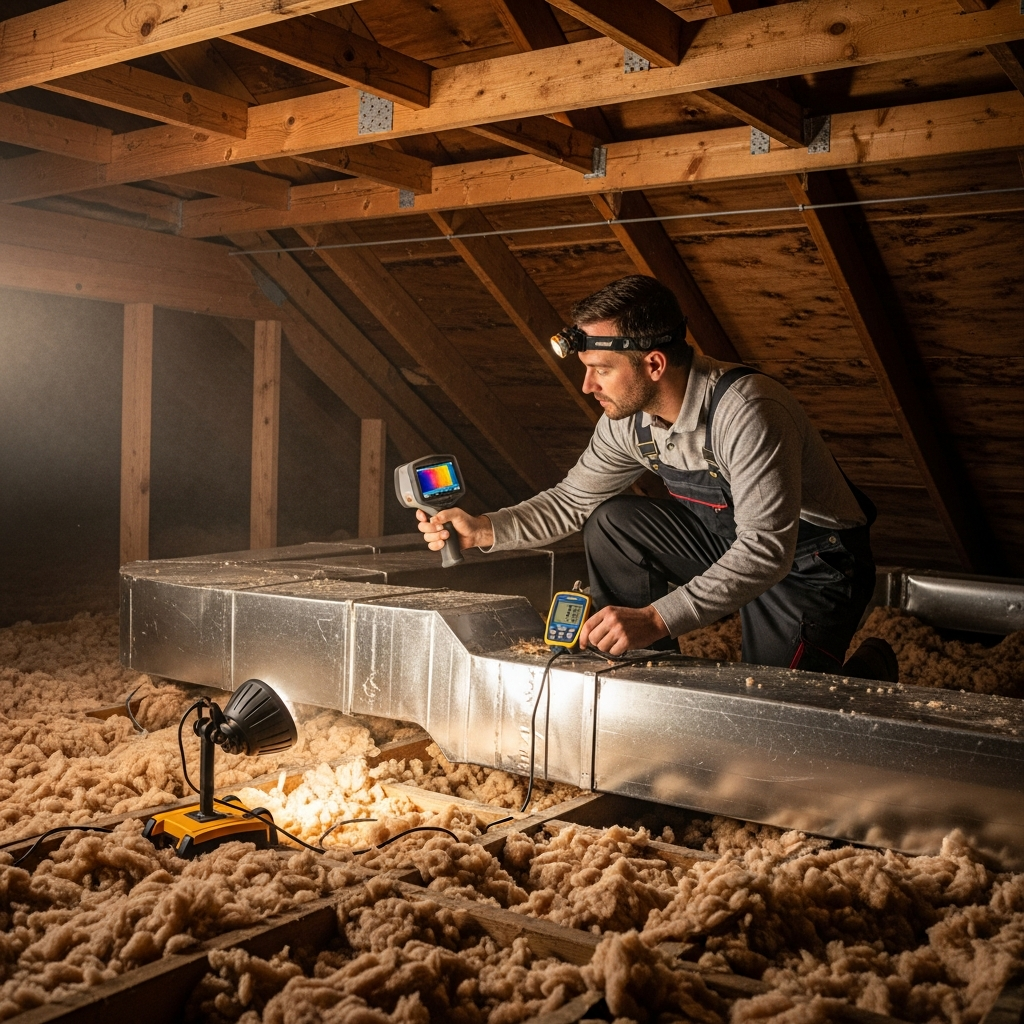
Testing and verification come near the end of the work. Airflow measurements, static pressure readings, and thermal imaging can reveal how well the system is behaving. You want consistent readings across supply branches, steady return performance, and ducts that hold their seal without measurable leakage. Verifying these outcomes serves as a snapshot of system health that you can compare against in future tune-ups. It also makes the already-visible improvements—quieter operation and more even room temperatures—quantifiable.
Homeowners often ask about project timing. Each home is unique, depending on access, complexity, and the need for complementary tasks like envelope air sealing or minor carpentry to restore a chase. The most effective teams plan staging so that your daily life is impacted as little as possible. Protective barriers around work zones and a clear strategy for moving materials in and out preserve your home’s calm. If you have a newborn, pets, or special scheduling needs, mention them early so that every step—from removal to final testing—fits comfortably around your routines.
After replacement, operating habits matter. Maintaining filters on a regular schedule, keeping returns unobstructed, and paying attention to unusual sounds or airflow shifts will extend the life of your system. If you ever notice a sudden temperature imbalance, a fluttering vent noise, or dust where it shouldn’t be, reach out promptly. Small issues are easiest to address when caught early. Pair that attentiveness with seasonal checkups, and you’ll enjoy steady comfort even when the Santa Anas kick up or the marine layer lingers through noon.
There’s also the question of materials longevity and resilience. In areas with seismic activity, securing ducts with proper straps and hardware is not just a best practice—it’s peace of mind. In homes susceptible to pests, tight sealing and screened vents discourage unwelcome visitors. And in remodeling contexts, planning ahead for future access—such as leaving room in a chase or marking inspection panels—saves time and disruption if you add a bedroom or convert a garage later on.
Many households take the opportunity to fine-tune zoning or add smart controls when replacing ducts. While not every home benefits from full zoning, strategic adjustments can help. A simple example is creating a more responsive path to bedrooms so that nights are restful without over-conditioning the rest of the home. Similarly, if you have a home studio or office with unusual hours, dedicated airflow planning can maintain comfort while the rest of the home stays steady.
For those sensitive to sound, duct design can prioritize quiet operation. Smooth transitions, proper branch sizing, and careful register choices reduce turbulence. Lining certain sections or employing strategic layout changes can also soften the rush of air. That’s especially valuable in reading nooks, nurseries, or rooms where you record audio. When a system is tuned for quiet, it fades into the background, leaving you with a tranquil living space.
Looking ahead, think about documentation. Request photos of completed work, notes on damper locations, and a simple diagram of the new layout. This record becomes a friendly map for future service, making it easier to diagnose changes or plan for upgrades down the line. It’s a small step that pays dividends when you eventually remodel a kitchen, pop the top, or convert an attic into living space.
Finally, remember that a home is more than its mechanical systems. Ductwork interacts with everything else—windows, insulation, air sealing, and shading. When these pieces complement each other, the result is comfort that feels effortless. It’s the difference between rooms fighting the sun and rooms embracing it, between equipment struggling and equipment cruising. In Los Angeles, where architecture spans Craftsman bungalows, Spanish Revival charmers, and glassy mid-century gems, tailoring airflow completes the picture each style paints.
How do I know my home is ready for new ductwork?
Common signs include rooms that never feel quite right, persistent dust around supply registers, or noticeable temperature differences between floors. If your system is noisy, if vents feel weak in far rooms, or if you see deteriorated insulation and loose connections in the attic, it’s time for a professional evaluation. A local expert will measure airflow, look for leakage, and consider layout changes that better match your home’s architecture and daily usage.
What materials are typically used in Los Angeles homes?
You’ll see a thoughtful mix of rigid metal, duct board for trunks, and high-quality flex for final connections or tight spaces. The best choice depends on run length, access, and desired performance. Rigid sections provide stable airflow and durability, while flex is ideal for gentle transitions when space is constrained. Whichever route you take, meticulous sealing and proper support are nonnegotiable for clean, efficient operation.
Will new ducts improve indoor air quality?
Yes, when they are properly sealed and paired with appropriate filtration. By reducing leakage, you limit the mixing of dusty attic or crawl space air with your living areas. Smart return placement and the right filter media capture particles before they circulate. In a region that can see wildfire smoke, a sealed, well-balanced system is a powerful ally in keeping indoor air cleaner and more comfortable.
How long does a typical project take?
Timing depends on complexity, access, and any complementary work such as insulation improvements or chase repairs. A thorough team will outline steps in advance, keep you updated during each phase, and test performance at the end. With good planning, your daily routine remains as undisturbed as possible, and you gain peace of mind knowing the details were handled carefully.
Do I need to leave my home during the work?
Usually you can remain at home, especially when crews set up containment, protect pathways, and sequence the project to minimize disruption. If you have specific concerns—young children, pets, home offices that require quiet—share them early. Skilled professionals adapt their workflow to your schedule and communicate about any brief noisy moments or times when access is needed.
What maintenance should I plan after replacement?
Keep filters on a dependable schedule, make sure returns stay clear of furniture, and listen for any unusual changes in airflow. A quick check at the start of each season is a smart habit, especially before peak heat or during smoke-prone periods. Periodic professional inspections help verify that dampers, connections, and seals are performing as intended.
Will this help with hot or cold spots in my home?
That’s one of the most noticeable benefits when the design is handled well. By right-sizing returns, adjusting supply paths, and fine-tuning register types, a replacement project can dramatically even out temperatures. The key is a design that accounts for solar exposure, room usage, and the way your particular home moves air from one space to another.
What about documentation and future access?
Ask your contractor for photos, a simple diagram of the new layout, and notes on damper locations. Future service becomes faster and cleaner when everyone knows where things are and how they were intended to operate. This record also helps if you remodel or add living space later, since it provides a starting map for expansions or alterations.
If you’re ready to take the next step toward a more comfortable Los Angeles home, choose a team that treats design, sealing, testing, and cleanliness with equal respect. Clear communication, attention to architecture, and pride in craftsmanship will show in every room once the work is complete. To speak with local professionals and map an approach tailored to your space, reach out to experts in air duct replacement who understand our neighborhoods, our climate, and the small details that set great work apart. Your home will breathe easier—and so will you.