
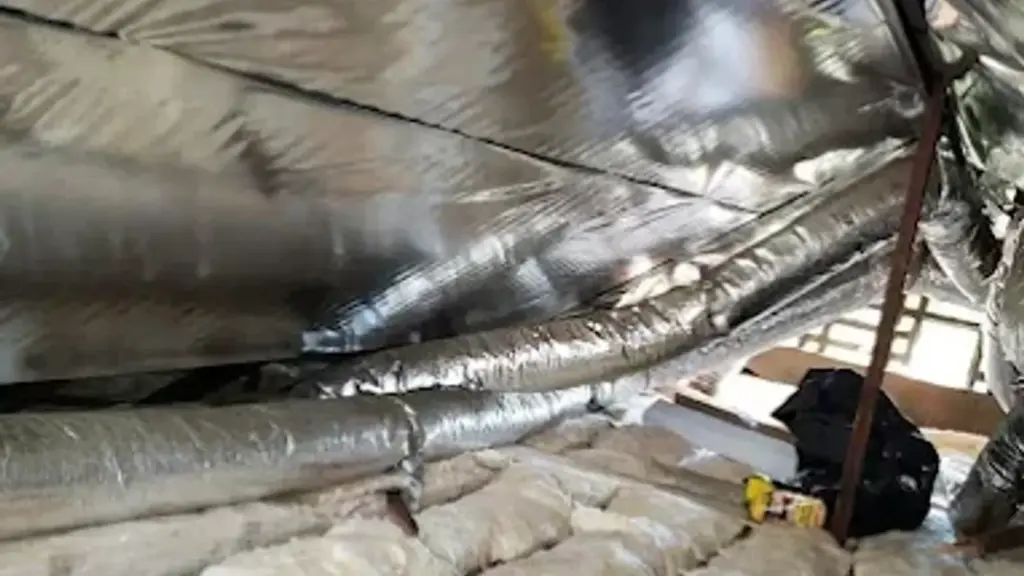
Attic Duct Replacement in Los Angeles: Why Airflow Gaps Ruin New Insulation
You invest in fresh attic insulation, the crew finishes the job, and your energy bills barely budge. Frustrating, but not mysterious. The culprit is usually sitting right above your ceiling: a leaking duct system quietly pumping conditioned air into your attic instead of your living room. For Los Angeles homeowners, understanding how duct integrity connects to insulation performance can mean the difference between real comfort and a very expensive disappointment.
The Hidden Relationship Between Ducts and Insulation
How Insulation Actually Works
Attic insulation does not generate cold or heat. It slows the transfer of thermal energy by trapping still air within its fibers or cells. Fiberglass batts, blown cellulose, and spray foam all rely on this same principle: minimize air movement, minimize heat transfer. The moment air starts moving through or around the insulation layer, that thermal resistance collapses.
This is why the sequence of work matters so much. Sealing air pathways before laying new material is standard practice precisely because insulation sitting on top of an unsealed attic floor performs far below its rated R-value.
What a Leaking Duct System Does to That Equation
Flex duct, rigid sheet metal, and older duct board all develop gaps over time. Connections pull loose at collar fittings. Tape dries out and falls away. Rodent activity, which is common in Los Angeles attics, can puncture or dislodge sections entirely. When those gaps exist, your air handler pressurizes the duct system and a portion of that conditioned air escapes directly into the attic cavity.
That escaped air does two damaging things simultaneously. First, it reduces the volume of conditioned air reaching your rooms, so your system runs longer cycles to hit the thermostat setpoint. Second, it creates pressure differentials that pull unconditioned attic air back into the living space through other gaps, effectively bypassing your insulation layer entirely. Fresh insulation cannot compensate for that kind of dynamic air movement.
The Attic Environment in Southern California
Los Angeles attics routinely reach extreme temperatures during summer months. That heat stress accelerates the degradation of duct materials, particularly the flexible plastic liners inside flex duct assemblies and the adhesive backing on duct tape. Homes built in the 1970s through 1990s often have original duct systems that were never designed to last this long under those conditions. Ventura County and the broader LA metro area share this same aging housing stock problem.
Signs Your Ducts Need Evaluation Before You Insulate
Uneven Room Temperatures
One bedroom is always warmer than the rest of the house. A hallway feels stuffy while the adjacent room is comfortable. These patterns often point directly to duct leakage or a disconnected run rather than an insulation problem. Adding more insulation over a duct system with these issues will not resolve the temperature imbalance, because the root cause is airflow, not thermal resistance.
A thorough attic inspection before any insulation work should include a visual check of every accessible duct run, every collar connection, and every flex duct elbow. At LA Attic Pro, this evaluation is part of our process because skipping it leads to callbacks and disappointed homeowners.
Visible Duct Damage or Rodent Evidence
Rodent activity in Los Angeles attics is not rare. Rats and mice chew through flex duct liners to nest inside the insulated jacket, which is warm and protected. If a previous attic inspection or insulation removal revealed rodent droppings, nesting material, or entry points, assume the duct system needs a close look before new material goes in. Sealing the attic and laying fresh insulation over a compromised duct run just buries the problem.
Other visible signs include duct sections that have pulled away from their collar fittings, sections resting on the attic floor rather than properly supported, or sections with visible tears or compression damage from foot traffic during past service visits.
High Utility Bills Despite Previous Insulation Work
This is the pattern that brings many homeowners to us. A previous contractor added insulation, but energy costs remained stubbornly high. When we pull back the insulation layer during a removal job, we frequently find duct runs that were never addressed. The insulation was doing its job, but the duct system was working against it the entire time.
If your bills have not responded to insulation upgrades the way you expected, air duct repair or full duct replacement may be the missing piece of the puzzle.
Repair vs. Full Replacement: Making the Right Call
When Targeted Repairs Are Sufficient
Not every duct system needs to be replaced. If the duct layout is sound, the main trunk lines are intact, and the leakage is concentrated at a few collar connections or a short section of damaged flex duct, targeted repairs using proper mastic sealant and UL 181-rated tape can restore system integrity at a fraction of the cost of full replacement. Mastic, the gray or white paste applied with a brush, is the industry-preferred sealant for duct connections because it remains flexible and does not dry out and crack the way standard tape does.
A good evaluation will identify whether the leakage is localized or systemic. Localized leakage at accessible fittings is a repair candidate. Systemic leakage across an aging duct network, particularly one with original materials from the 1970s or 1980s, usually argues for replacement.
When Full Attic Duct Replacement Makes More Sense
Several factors shift the decision toward a complete duct replacement rather than patching:
- Age of the system. Flex duct has a practical service life. Systems beyond 20-25 years often have degraded inner liners, collapsed sections, and multiple simultaneous failure points that make piecemeal repair impractical.
- Rodent damage throughout. When rodents have nested in multiple duct runs, the contamination and structural damage are typically too widespread for targeted repair.
- Undersized or poorly designed layout. If the original duct layout was never properly sized for the home’s square footage, replacing it is an opportunity to correct the design rather than perpetuate its inefficiencies.
- Combining with insulation installation. When a homeowner is already investing in full insulation removal and reinstallation, the attic is clear and accessible. That is the lowest-cost moment to replace ducts because the labor overlap is significant.
The Sequencing Question: Ducts First, Then Insulation
This is non-negotiable from a practical standpoint. Duct work requires attic access and often requires a technician to move through the space. Laying new blown-in insulation before completing duct work means either disturbing the fresh insulation or, worse, leaving duct connections unaddressed because access becomes too difficult. The correct sequence is always: inspect, seal or replace ducts, air seal the attic floor, then install new insulation.
At LA Attic Pro, we coordinate this sequence intentionally so that the insulation installation is the final step, not an afterthought layered over unresolved problems.
What a Proper Duct Evaluation Looks Like
Visual Inspection of All Accessible Runs
A thorough evaluation begins with a physical walkthrough of the attic. Every flex duct run should be traced from the plenum or trunk line to its register boot. The technician checks that each connection is secure, that no sections have pulled loose or collapsed, and that the duct is properly supported off the attic floor. Ducts resting on the floor or sharply kinked at elbows restrict airflow even when they are not leaking.
In Los Angeles homes, attic access can be tight and the attic floor may be covered in existing insulation. This is one reason why combining an insulation removal project with a duct evaluation is efficient: once the old insulation is cleared, the full duct layout becomes visible and accessible in a way it rarely is during a standalone service call.
Identifying Air Sealing Needs Alongside Duct Work
Duct leakage and attic air sealing are related but distinct problems. Duct leakage is conditioned air escaping the distribution system. Attic air sealing addresses gaps in the thermal envelope itself: recessed light cans, top plates, plumbing chases, and electrical penetrations that allow unconditioned air to move between the attic and the living space.
Both need to be addressed before new insulation goes in. A home that gets duct replacement but skips air sealing will still underperform because the insulation layer is being bypassed through envelope gaps. Conversely, a home that gets air sealing but ignores a leaking duct system is still losing conditioned air into the attic cavity. The two interventions work together.
Documentation and Scope Definition
Before any work begins, a clear scope document should identify which duct sections require replacement, which can be repaired, and what air sealing locations need to be addressed. This protects the homeowner and ensures the crew arriving to do the work is aligned on what was agreed. Vague scopes lead to missed items and disputes after the job is complete.
Insulation Performance by the Numbers: A Comparison
| Scenario | Duct Condition | Air Sealing | Expected Insulation Effectiveness |
|---|---|---|---|
| New insulation only | Leaking, unaddressed | None | Well below rated R-value; minimal comfort improvement |
| New insulation + air sealing | Leaking, unaddressed | Complete | Moderate improvement; duct losses still present |
| Duct repair + new insulation | Repaired at key points | Partial | Good improvement; some residual losses possible |
| Full duct replacement + air sealing + new insulation | New, fully sealed | Complete | Full rated R-value performance; maximum comfort and efficiency |
The table above is not meant to suggest the most expensive option is always necessary. It illustrates that each layer of the system affects the others, and that skipping steps has compounding consequences.
Why Los Angeles Homes Face This Problem More Than Most
The Age of the Housing Stock
A large portion of the residential housing in the greater Los Angeles area, including Ventura County communities, was built between 1950 and 1990. Homes from that era were built before modern energy codes required duct sealing or insulation levels comparable to current Title 24 standards. The duct systems installed in those homes were often flex duct with basic tape connections, no mastic, and no pressure testing. Forty years of thermal cycling in hot attics has not been kind to those materials.
Pest Pressure
Southern California’s mild winters mean rodent populations remain active year-round. Roof rats in particular are adept at entering attic spaces and are known to damage insulation and duct systems. LA Attic Pro handles rodent sanitation and rodent proofing as part of a comprehensive attic restoration, because addressing duct and insulation work without resolving an active pest problem simply delays the next round of damage.
The Cost of Doing It Twice
Homeowners who insulate first and discover duct problems later face a difficult situation. Accessing and replacing ducts after new blown-in insulation has been installed means disturbing that insulation, potentially requiring partial removal and reinstallation. The labor cost of doing the job in the wrong sequence can be substantially higher than doing it correctly the first time. This is the practical argument for a comprehensive evaluation before any attic insulation installation begins.
What to Ask Before Hiring an Attic Contractor in Los Angeles
Questions About Scope and Sequencing
Before signing any contract for attic insulation installation in the Los Angeles area, ask the contractor directly: will you inspect the duct system before laying new insulation? Will air sealing be addressed? What is the plan if you find duct damage during the project? A contractor who cannot answer these questions clearly, or who treats duct evaluation as an upsell rather than a standard step, may not be set up to deliver a complete result.
Questions About Materials and Methods
For duct work specifically, ask whether connections will be sealed with mastic or UL 181-rated tape. Ask whether flex duct will be properly supported and whether duct sizing will be verified against the home’s load. For insulation, ask what R-value is being installed and whether it meets current California Title 24 requirements for your climate zone. These are not trick questions; they are basic indicators of whether the contractor is doing the job properly.
Questions About Cleanup and Containment
Attic work generates significant dust and debris, particularly during insulation removal. Ask how the work area will be protected, how debris will be removed, and whether the crew will seal off the attic access point from the living space during the project. A thorough attic cleaning before new insulation goes in is part of a proper restoration, not an optional add-on.
Frequently Asked Questions
How do I know if my attic ducts are leaking?
Common signs include rooms that never reach the thermostat setpoint, unusually high utility bills, and visible gaps or disconnected sections when you look into the attic. A professional inspection is the most reliable way to assess leakage, particularly for ducts buried under existing insulation.
Can I just repair a few sections instead of replacing everything?
Yes, targeted repairs with mastic sealant are appropriate when leakage is localized and the overall duct system is structurally sound. A thorough evaluation will identify whether your situation calls for spot repairs or full replacement. Age, rodent damage, and the extent of leakage are the main factors.
Does duct replacement qualify for any rebates in California?
Rebate programs through utilities and state agencies do exist for duct sealing and replacement work, but eligibility requirements and available amounts change over time. Check directly with your utility provider and the California Energy Commission for current offerings. Your contractor should also be familiar with what is available in your area.
How long does attic duct replacement take?
For a typical single-story home in the Los Angeles area, a full duct replacement combined with insulation work is generally completed within one to two days, depending on the size of the home and the complexity of the existing layout. Larger homes or those with difficult attic access may take longer.
What R-value should my attic insulation be in Los Angeles?
California’s Title 24 energy code specifies minimum R-values that vary by climate zone. Most of the greater Los Angeles area falls into zones where R-38 is the baseline for attic insulation, though some areas call for higher values. A licensed contractor should confirm the requirement for your specific location before the job begins.
Will replacing ducts improve my indoor air quality?
Sealing a leaking duct system reduces the amount of unconditioned attic air, which can carry dust, particulates, and other contaminants, that gets pulled into your living space. Homeowners often notice the air feels fresher and cleaner after duct work and attic restoration are completed, though results vary by home.
Conclusion
New insulation is only as effective as the system it works within. Leaking ducts, unsealed attic floors, and aging flex duct assemblies can quietly undermine an otherwise solid insulation investment, and Los Angeles homes are particularly susceptible given the age of the regional housing stock and year-round pest pressure. Getting the evaluation right before the first bag of insulation goes in is not optional; it is the whole job. If you are ready to find out what your attic actually needs, schedule your attic inspection with LA Attic Pro today and get a clear picture before committing to any scope of work.