
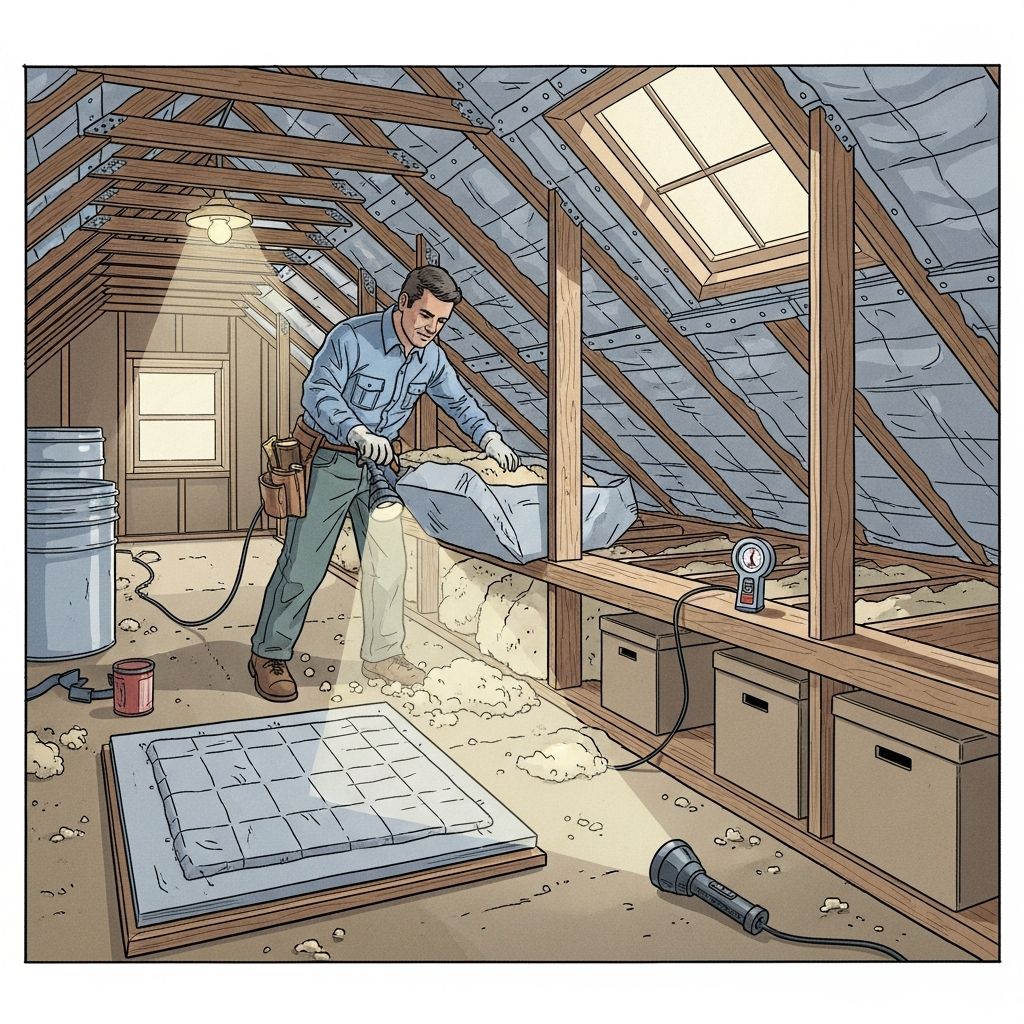
Attic insulation is one of those home upgrades that should fade into the background and keep working quietly for years. In Los Angeles, where our climate swings from marine layer mornings to blistering Valley afternoons and occasional winter storms, that quiet performance depends on basic maintenance. The good news is that upkeep isn’t complicated. With a seasonal eye on the attic, you protect comfort, preserve energy savings, and extend the life of your HVAC and roof. As someone who has trekked through attics from Venice to Van Nuys, I’ve seen how a little attention goes a long way—and how neglect can undo the best installations. When you understand what to watch for, modern attic insulation becomes a reliable partner for the life of your home.
Think of the attic as a system: insulation slows heat flow, ventilation carries away moisture and excess heat, and air sealing prevents leaks that bypass the thermal layer. Maintenance is simply the art of keeping those parts cooperating. Over time, wind can shift loose-fill at the eaves, roof work can disturb coverage, pests can compromise corners, and humidity spikes can leave subtle signs that deserve attention. A quick, smart checkup a couple of times a year—and after major weather—keeps minor issues from turning into persistent comfort problems.
Start With Safety and a Clear View
Before any attic visit, gather basics: bright flashlight or headlamp, dust mask, knee pads or a plank for walking joists, and a camera or phone to document conditions. Stay on walkable surfaces or joists to avoid damaging ceilings below. If your attic lacks safe access, make a note to address the hatch—good weatherstripping, insulation on the lid, and a tight fit are small investments that pay constant dividends in comfort and cleanliness below.
Once you’re in, look for the big picture first. Is insulation coverage even? Can you see top plates of walls or areas thinner than the rest? Are baffles intact at the eaves to protect airflow? Snap photos of any irregularities. That visual baseline becomes your reference over time and helps you spot changes quickly during future checkups.
The Tell-Tale Signs of Disturbance
Los Angeles attics reveal their stories in small ways. Wind-wash at the eaves leaves scalloped edges in loose-fill, lowering effectiveness just where heat and air love to sneak through. Footprints from roofers or cable installers show where coverage may be matted or missing entirely. Dark streaks on wood near roof penetrations can indicate minor leaks that show up only after winter rain. Any of these call for targeted fixes: raking insulation back into place, adding depth to thin zones, installing or repairing baffles, and sealing gaps before topping up.
Pay attention to light leaks too. If daylight shines around plumbing stacks, chimneys, or the attic hatch, air is moving there as well. Sealing those gaps with appropriate fire-safe materials where needed helps your insulation perform to its rating rather than fighting drafts it was never meant to stop alone.
Moisture, Mold, and the Marine Layer
We don’t live in a swamp, but the Pacific reminds us who’s boss. On cool nights after warm days, moisture can condense on the wrong surfaces in a poorly balanced attic. Look for rusty nail tips, faint white mineral traces, or a musty smell. These are early warnings that ventilation isn’t doing its job or that bathroom fans may be venting into the attic rather than outdoors. Addressing the source—rerouting fans, preserving soffit airflow, adding or clearing ridge or roof vents—protects the insulation from clumping and preserves the roof deck’s health.
If you see actual mold, pause and consult a pro to determine scope and cause before proceeding. Small, localized issues can often be solved by improving airflow and removing affected material; larger problems deserve a thorough moisture and ventilation plan so they don’t return.
Wildfire Smoke, Dust, and Air Quality
In recent years, Southern California has endured smoke events that push fine particulates into every crevice. Attics can accumulate a layer of dust that slowly filters down through recessed lights, chases, and the attic hatch. Maintenance here means doubling down on air sealing: gasket older recessed lights with IC-rated, airtight fixtures when you can, weatherstrip the hatch, and seal visible top-plate gaps. These steps not only improve indoor air quality but also boost the perceived performance of your insulation by stopping convection currents that bypass it.
After major wind or smoke events, a quick attic inspection and a light raking to re-level disturbed loose-fill returns the attic to steady-state quickly. Think of it like smoothing the mulch in a garden after a storm; neatness matters for coverage and airflow.
Pests: Prevention Beats Cleanup
Rodents are drawn to warmth and quiet nooks. Telltale signs include small droppings, tunneling in loose-fill, or shredded paper near eaves. If you find evidence, act promptly. Seal exterior entry points, repair gnawed screens at gable or roof vents, and consider traps or professional removal. After remediation, remove contaminated insulation in affected areas and deodorize before topping up. Leaving odor or oils in place can invite repeat visits, and disturbed insulation will never perform as intended until it’s restored.
Birds sometimes enter through damaged vents, particularly in older roofs. Replacing or repairing screens and ensuring vent caps are intact keeps visitors out while preserving airflow your attic relies on for temperature and moisture balance.
Protecting the Attic Hatch
The attic hatch is a surprising source of heat loss and gain. A lightweight, unsealed lid radiates heat down into hallways on summer afternoons and leaks warmth upward on winter nights. Add weatherstripping, insulate the lid with rigid foam, and ensure a snug latch. If you use the hatch often, consider a simple insulated cover that lifts easily and reseals cleanly. Each time you open the hatch, be mindful of not crushing nearby loose-fill; a small frame or curb around the opening can protect the surrounding insulation from being kicked aside.
Over time, the hatch frame can loosen and warp. A quick seasonal check ensures it continues to close tight, preserving the integrity of your thermal boundary at one of its most vulnerable spots.
Ductwork and Mechanical Friends Overhead
Many L.A. homes run ducts through the attic. Maintenance means verifying that duct insulation is intact, seams are sealed, and supports prevent sagging. If you notice condensation drips or dust streaking around joints, that’s a sign of leakage. Simple fixes—mastic at seams, upgraded jackets, straighter runs—return cooled or heated air to your rooms at the right temperature, helping the attic insulation do its job without being undermined by losses in transit.
While you’re there, glance at bath fan ducts and kitchen hood runs to confirm they terminate outdoors, not into the attic. Venting moisture or cooking byproducts into the space above your insulation invites condensation and odor problems you don’t want.
When to Top Up and When to Reset
Loose-fill insulation can be topped up when it’s clean, dry, and evenly spread. If you see large areas of matting, contamination from pests, or moisture damage, a reset may be wiser. Removing compromised sections, air sealing thoroughly, and then blowing in a uniform blanket produces the performance you expect and prevents burying issues that resurface later. Topping up is best viewed as the final step after leaks are sealed, baffles are clear, and mechanicals are in good shape.
For batts that have slumped or gone missing, re-level the field. Replace missing pieces, align them snugly without compression, and cut neatly around obstacles. Where batts meet odd cavities, consider dense-pack or rigid foam strategies to create continuity. The goal is a smooth, unbroken blanket that speaks the same thermal language across the entire attic.
Radiant Barriers and Reflective Surfaces
In high-solar-gain attics, radiant barriers can help keep attic air temperatures in check, especially during late-afternoon peaks. Maintenance is minimal: make sure dust hasn’t caked the reflective surface and that panels remain secure. A light brush or vacuuming with care is usually sufficient. If you see sections peeling or gaps opening near ridges, reattach them so they continue to reflect heat rather than absorb it.
As always, the barrier complements insulation; it doesn’t replace it. Think of it as sunglasses for your roof—useful in bright conditions but not a substitute for the sunscreen of proper R-value on the attic floor or within the roof assembly.
Seasonal Rhythm for Los Angeles Homes
In spring, check for moisture after winter rains, assess coverage at eaves, and tune up the attic hatch. In summer, focus on ventilation paths and re-leveling any areas wind has sculpted. Fall is a good time to inspect ducts before heating season and to verify that bathroom fans are venting properly. In winter, look for signs of condensation during cool nights and confirm that your living spaces below feel draft-free along baseboards—a silent indicator that top leaks are under control.
After major projects—roofing, solar, or electrical work—schedule a quick attic walk. Contractors do their best, but it’s easy for coverage to get kicked aside. A 10-minute re-level can preserve the investment you’ve already made in your attic.
What Good Maintenance Feels Like Indoors
Steady bedrooms under the roofline, a living room that doesn’t heat up right when guests arrive, and an AC that doesn’t roar into overdrive at sunset—these are signs the attic is in tune. You’ll also notice less dust on upstairs surfaces after windy days and a quieter backdrop overall because insulation that’s intact and evenly distributed softens outdoor noise.
Perhaps the most telling sign is how little you think about it. When the attic is maintained, your home simply behaves—no ritual of morning window gymnastics or late-night fan scavenger hunts. Comfort becomes predictable, and energy use follows suit.
Frequently Asked Questions
How often should I inspect my attic insulation? Twice a year is a solid rule of thumb—once before summer heat and once after winter rains. Add a quick check after roof work, major wind events, or any time you notice a sudden change in comfort or unusual sounds from the attic.
What’s the easiest maintenance win?
Weatherstrip and insulate the attic hatch, then verify that soffit baffles are intact and clear. These two steps protect your thermal boundary at a common weak spot and preserve the airflow that keeps the attic dry and temperate.
Can I DIY re-leveling and small top-ups?
Many homeowners can safely rake loose-fill back into place and add modest depth in small areas, provided the attic has safe access and you avoid burying non-IC-rated fixtures. Larger projects, contamination, or electrical concerns are best handled by pros who can ensure the assembly is safe and continuous.
What if I find signs of moisture or mold?
Pause and diagnose. Confirm bathroom fans exhaust outdoors, check ventilation balance, and look for roof leaks. Small, localized issues can be remediated and airflow improved; widespread mold calls for a professional moisture and ventilation plan before adding or adjusting insulation.
Will topping up insulation make my home stuffy?
No. Insulation slows heat flow; stuffiness comes from poor ventilation or humidity control. By sealing leaks and preserving balanced attic airflow, you typically experience fresher indoor air and more even temperatures after a top-up.
How do wildfire smoke and dust affect my attic?
Smoke events can deposit fine particulates in the attic, which then migrate through gaps. After such events, recheck seals around fixtures and the hatch, consider upgrading to airtight, IC-rated recessed lights, and re-level disturbed insulation. These steps maintain indoor air quality and keep insulation performing well.
When should I consider a full reset instead of a top-up?
If insulation is contaminated by pests, shows signs of widespread moisture damage, or if you uncover extensive air leaks or unsafe electrical conditions, a reset is smarter. Remove compromised material, seal thoroughly, and then install a uniform, well-detailed blanket so the assembly performs as intended.
Ready to Keep Your Attic Performing Year-Round?
If you’re noticing rooms under the roof getting too warm at sunset or winter mornings that feel chillier than they should, a quick attic check may be all it takes to restore balance. Maintenance is about protecting the investment you’ve already made and keeping small issues small.
Work with local pros when you need help diagnosing tricky signs—moisture traces, electrical questions, or ventilation mismatches—and handle the easy wins right away: seal the hatch, clear the baffles, and re-level the blanket. Your reward is a home that feels steady through marine layer mornings, hot Valley afternoons, and every season in between.
To explore tune-ups, top-ups, or a thoughtful reset, learn how well-planned attic insulation maintenance keeps Los Angeles homes calm, comfortable, and efficient in every kind of weather we get.