
The Everyday Reality of Rodents in Los Angeles
If you have lived in Los Angeles for any length of time, you know this city has a rhythm all its own. We move between ocean breezes and canyon winds, from historic bungalows to glassy hillside homes, all threaded together by neighborhoods where citrus trees, bougainvillea, and tall palms thrive. In that lush, urban patchwork, rodents thrive too. Roof rats find shaded runs along power lines and overhanging branches, mice slip beneath garage doors and through tiny service penetrations, and Norway rats establish themselves in older sewer-adjacent corridors. This is not a sign that a home is unkempt; it is a reality of a dense, sun-warmed metropolis surrounded by natural habitat. That is why thoughtful, proactive rodent proofing matters for Los Angeles homes of every shape and era.
When I talk with homeowners from Highland Park to Westchester, from Valley Village to Mar Vista, I hear the same story: a scratching overhead at dusk, a faint smell in the attic, seed shells turning up in the corners of a storage shelf. The signs start small, but if you wait, they often escalate. The truth is, rodents are determined, agile, and relentlessly opportunistic. They do not need an open door; a gap the width of a pencil can be a green light for a mouse, and roof rats only need a thumb-sized weakness to breach a soffit or screen. In a city where remodeling is constant and utilities are frequently updated, opportunities multiply each time a line is run, a vent is swapped, or a stucco patch cracks after a hot, dry spell.
How Rodents Find Their Way In
In the Los Angeles housing landscape, the pathways are familiar. On Spanish-style homes with curved clay tiles, rodents often slip under eaves where tile meets fascia, or through gnawed screen vents at gables. In classic Craftsman bungalows, the crawlspace can be a gateway if foundation vents are loose, corroded, or missing, and where old wooden lattice has gaps at grade. In mid-century ranch homes, utility lines for HVAC and water heaters commonly leave small, unsealed entry points where conduit meets stucco. Even newer construction can fall prey where foam expansion around pipes deteriorates in the sun, or where ridge vents were never screened with rodent-grade mesh.
Once inside, rodents do what they have always done: they explore. They mark paths with scent, map out food and water sources, and carve nesting pockets in places you rarely see—think insulation voids behind knee walls, the shadowed edges of attic decking, or the dusty corner behind a built-in. They do not start by chewing electrical lines, but given time and the need to keep their teeth worn, gnawing becomes inevitable. That is the moment a nuisance slides into a hazard, as wires, PEX lines, and even gas appliance ignition harnesses become targets.
Health, Safety, and Property Risks
Most homeowners first think of noise and mess, but the risks run deeper. Droppings and urine contaminate insulation and stored belongings, leading to odors that can be stubborn to remove and unhealthy to breathe, particularly for those with allergies or asthma. Rodents vector pathogens and parasites, and though encounters are typically indirect, the combination of contamination and nesting materials can degrade indoor air quality. On the safety front, gnawed wiring is not a hypothetical scenario; any electrician who services older LA neighborhoods can share stories of junction boxes filled with debris, frayed Romex with chew marks, or compromised low-voltage lines triggering HVAC faults. Left unchecked, those problems migrate from attic to living spaces as odors permeate drywall and as rodents probe down wall chases to the kitchen pantry.
Property health matters too. Insulation matted by burrowing loses R-value, raising cooling demands during our long sunlit afternoons. Duct liners get torn and leak conditioned air into the attic, reducing efficiency and comfort room by room. In crawlspaces, vapor barriers get shredded, and rats can undermine soil at foundation grade, creating unsightly and unsanitary conditions that attract more pests. This cascade of effects is why a comprehensive, prevention-first mindset beats sporadic reaction every time.
The Los Angeles Housing Landscape and Its Vulnerabilities
Walk a block in Los Feliz or Echo Park and you will see the story of a century of growth. Balloon-framed homes stand beside bolted-and-braced retrofits, and ADUs have filled out deep lots from Van Nuys to Culver City. Each era brought different building practices, and each practice came with signature gaps: generous attic vents without hardware cloth, dog doors that warp with afternoon heat, garage-to-house fire doors that never quite latch on their vinyl sweeps, and weep screeds on stucco that chip or split along the driveway where sprinklers overshoot. Add in mature landscaping—ivy against stucco, ficus hedges pressed to fences, fruit trees along side yards—and you have a living ladder network that rodents use with ease. The more we invest in curb appeal, the more pathways we accidentally provide.
Hillside homes add another layer. Stilted decks and open under-structures create natural overhangs where animals feel protected. Utility chases built to snake around posts often leave daylight cracks at soffits and beam pockets. During Santa Ana wind events, loose screens and warped flashing get lifted or rattled, and within days a new gnaw hole appears. If you have ever found what looks like gravel below a fascia board, you have probably found the fallout of a rat’s exploratory chew. That is the moment to act, not later.
Why Prevention Beats Reaction
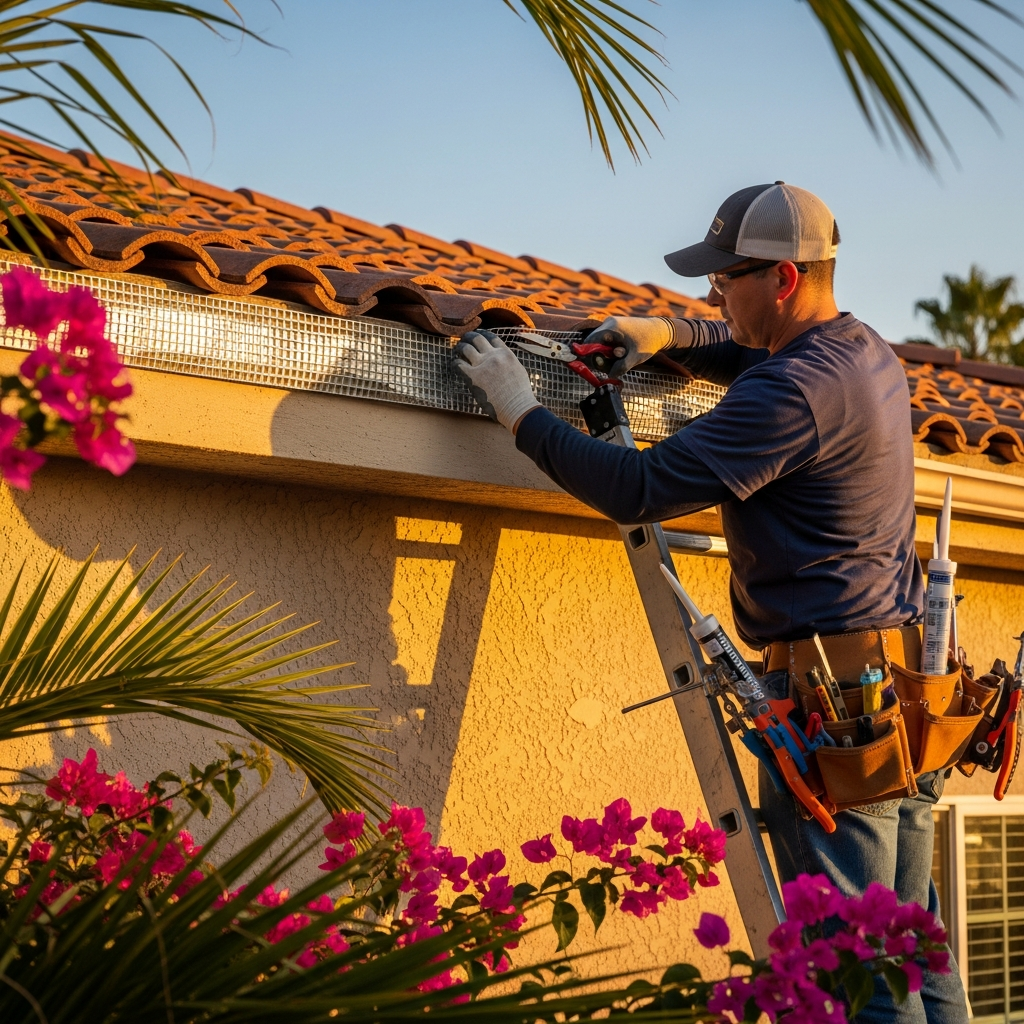
From a practical standpoint, trapping after an infestation has taken hold is like bailing water after you have already taken on a wave. It is an essential phase, but it is not the fix. The fix is sealing, screening, and reinforcing every feasible gap while removing the conditions that draw animals in. That includes trimming back branches and palm fronds that touch the roofline, replacing light-duty vent screens with rodent-grade wire mesh, installing gnaw-proof door sweeps at garage and side doors, and sealing utility penetrations with materials that stand up to teeth and time. Done right, this work quietly changes the message your home sends at dusk. Instead of welcoming, it becomes indifferent—uninteresting to a passing scout rat that would rather move along the alley to easier pickings.
Prevention also respects the realities of California ecology and regulation. Blanket poisoning is not only risky to pets and neighborhood raptors; California has tightened restrictions on second-generation anticoagulants because of their documented impact on wildlife. Exclusion-first strategies align with modern, responsible urban stewardship: remove attractants, block access, resolve the interior population humanely, and verify that sanitary conditions are restored. Over time, that approach is not just more ethical; it is more durable and predictable for homeowners who want stable, comfortable living without constant surprises.
Professional Strategies That Work
The heart of effective rodent control in LA is a detailed inspection. A seasoned technician knows the city’s architectural patterns, the tricks that turn up again and again. They will look along the roofline for lifted tiles and chewed corners, scan for daylight at attic gable vents, and trace utility lines to the exact points where a stucco patch or escutcheon plate fails tight. They will test garage door sweeps and spot those tiny, triangular voids where slab meets jamb. They will photograph droppings, grease rubs, and chew marks so you can see what they see. Then they build a plan that prioritizes exterior hardening and interior sanitation in that order, backed up with carefully placed traps to resolve current activity.
Materials matter. Wire mesh must be of a gauge that resists chewing; spray foam alone is a short-lived invitation. Concrete patch or metal-backed sealant is often the right call where stucco meets utilities, and galvanized hardware cloth secured with pan-head screws sits invisibly behind vent louvers without spoiling the home’s look. In attics, new insulation should never go down over contamination; first, the old, soiled sections are removed and disposed of properly, then sanitized, and only then is clean insulation installed to restore thermal performance. This blend of building science and pest biology is where an expert shines, and it is the reason diligent rodent proofing feels less like a pest service and more like a home upgrade.
Seasonal Patterns in Los Angeles
Rodent pressure in LA ebbs and flows with our seasons, subtle though they may be. After the first real rain, activity often spikes as animals seek dry shelter. During hot, still weeks in late summer and early fall, roof rats move along cooler nighttime routes, often concentrating near irrigated landscaping. Winter brings the quiet creaks of settling roofs and more pronounced nighttime foraging when pantries and pet food bowls are most tempting. Santa Ana wind events shake things loose: a bent ridge vent here, a lifted soffit corner there. Each change is small, but the impact adds up. Timing your exterior hardening before those seasonal shifts—especially ahead of the first rains and before peak summer heat—can spare you the scramble of urgent interior trapping later.
A Neighborhood Perspective
Neighborhoods behave like ecosystems. If a few properties on a block keep fruit trees overhanging alleys with fallen oranges or figs, rodents are rewarded for sticking around. If dumpsters at the nearby strip mall are chronically overfilled, rats will stabilize in the area and probe houses block by block. The goal is not to lecture neighbors; it is to coordinate. A friendly conversation about trimming, better trash storage, and closing gaps can make a whole street feel calmer at night. In my experience, the homes that stay quiet longest are the ones that combine thorough sealing with small, sustainable routines: pet food in sealed bins, trash lids secured, compost done carefully, and periodic visual checks along the roofline after wind.
Choosing the Right Partner
Homeowners often ask me how to judge a good service provider. Look for respect for your home’s architecture and a willingness to explain what they find. Ask how they handle sanitation of contaminated insulation, what mesh and fasteners they use at vents, and how they will verify closure quality after the work is complete. Expect them to schedule a follow-up to confirm silence and seal integrity, not just set traps and disappear. The right partner treats your home as a system and your peace of mind as the point of the project. In a city as varied as ours, experience across stucco, siding, and tile matters as much as a sharp eye and steady hands, and a team that specializes in comprehensive rodent proofing will be ready with answers before you ask the questions.
What to Expect from a Thorough Visit
A robust service visit begins with a walk-around and attic or crawlspace assessment. You will likely see photos of rub marks along a conduit, a lifted shingle where a branch scuffed, or a dime-sized daylight sliver under a garage door seal. A proposal should spell out each closure point, the materials to be used, and the plan for interior resolution. On installation day, technicians move deliberately: vent screens first, utility holes next, then door sweeps and any roofline reinforcements. Traps are placed where they will be most effective and least intrusive, and sanitation follows once the home is quiet. Before leaving, a good team will review every closure and show you progress images so you understand exactly what changed and why it matters.
Afterward, you should expect a quieter home. If a noise pops up, the follow-up is where adjustments are made—maybe a branch grew faster than expected and touched the eave again, or a previously hidden gap revealed itself once the main routes were closed. That is part of the process. A home is alive, especially in Los Angeles where the sun, wind, and occasional rain shape materials over time. Commitment to rechecking and minor touch-ups when needed is a hallmark of professional care.
Environmentally Smart and Humane Practices
Modern rodent management in California leans into humane, environmentally safe methods. Exclusion-first means you are not endlessly relying on poisons that can harm pets or predators like owls and hawks. Snap traps and sealed, tamper-resistant devices address interior populations without scattering risk across a yard. Sanitation products are chosen to neutralize odor-causing bacteria while respecting indoor air quality. When insulation is replaced, it is done with dust suppression and careful bagging, protecting living spaces from exposure. These are not extras; they are the baseline for responsible work in our city.
There is also a design dimension. When you invest in clean, durable screens and discrete closures, you preserve the character of your home. The best work vanishes visually: galvanized mesh tucked under louvered vents, custom metal flashing that seems like it was always part of the roofline, escutcheons that sit tight and flush. In the same way a well-executed paint job or invisible stucco patch lifts a house, proper rodent exclusion subtly upgrades the envelope. You feel the difference every time you step inside and breathe comfortably.
Long-Term Peace of Mind
If there is a theme that ties together decades of work in Los Angeles homes, it is that peace of mind comes from predictability. When you know your attic is clean, your vents are tight, and your doors and conduits are sealed with the right materials, every creak and breeze at night carries less doubt. You sleep. You store holiday decorations without dread, and you do not jump at the sound of a scuffle on the roof after a raccoon ambles by. Good exclusion lowers the volume of worry in a busy city and lets you enjoy the reasons you moved here in the first place: the light, the gardens, the hum of neighborhood life that happens outside, not inside your walls.
Frequently Asked Questions
Q: What are the most common rodents in Los Angeles homes?
A: Roof rats (often called palm rats), house mice, and Norway rats are the primary culprits. Roof rats tend to favor higher elevations—attics, rooflines, and hedges—while Norway rats stay lower, frequenting crawlspaces and ground-level utility paths. Mice are opportunists and will exploit tiny openings anywhere they find them.
Q: How small of a gap can a rodent use to enter?
A: Mice can slip through openings as small as a pencil’s diameter, and rats can use gaps roughly the size of a thumb. That is why attention to detail is everything: a tidy-looking vent with a small tear or a slight utility gap is all it takes.
Q: Are poisons necessary to solve a rodent issue?
A: In most residential scenarios, no. Exclusion-first strategies—sealing entry points, improving sanitation, and using traps strategically—resolve the problem without the collateral risks of poisons. This approach aligns with California’s push to protect local wildlife from secondary poisoning.
Q: How long does professional exclusion take?
A: It depends on the home’s size and complexity, but many projects are completed in a day or two, followed by a monitoring period to ensure the home is quiet. The key is quality: precise closures and thoughtful follow-up make results last.
Q: Will I need to replace attic insulation?
A: Only if contamination is significant. A proper assessment will document where insulation is soiled and whether removal and replacement are warranted. When insulation is replaced, sanitation and odor neutralization precede installation so that the attic is fresh before new material goes in.
Q: What can I do to support long-term success?
A: Keep branches off the roofline, store pet food in sealed containers, maintain tight-fitting door sweeps, and glance up at vents after wind events. These small habits complement professional work and keep pressure low on your property.
Protect Your Los Angeles Home Today
If signs of activity have you on edge—or if you simply want the confidence that comes from a fortified home—reach out to a local team that understands our city’s architecture, climate, and rhythms. Schedule a careful inspection, ask to see photos of vulnerabilities, and expect a plan that blends sealing, sanitation, and humane resolution. The sooner you act, the faster your home returns to quiet. Start with proven, comprehensive rodent proofing and enjoy the comfort of a cleaner, healthier Los Angeles home.