
Step outside on a mild Los Angeles morning and you can smell citrus blossoms, damp earth from overnight marine layers, and a faint hint of eucalyptus from the urban canopy that shades so many streets. Our climate shapes how we live here, and it also shapes how pests and wildlife behave around our homes. In neighborhoods from Highland Park to Westchester, from hillside bungalows to valley ranches with generous yards, a recurring, often underappreciated theme is what happens after rodents have made their way through: the sanitation that restores health, comfort, and peace of mind. Proper rodent sanitation is not just about tidiness; it is a structured process that removes contaminants, neutralizes odors, and helps prevent future incursions in our uniquely Southern Californian environment.
As a local, I have seen how quickly a small roof rat foray into an attic turns into a household concern. The Santa Ana winds can drive dust and dander into every little crack; warm evenings encourage open windows; and older vent designs on many stucco homes give rodents cozy routes to nesting materials. After an exclusion or trapping effort, what matters next is cleaning with purpose. Rodent sanitation addresses droppings, urine, nesting materials, and the microfilm of contaminants that can settle on insulation, duct exteriors, and stored items. The result is a home that smells better, feels healthier, and supports the kind of indoor air quality Angelenos expect after we have done the right thing to stop an infestation.
Why sanitation is different from simple cleaning
In a sunlit Los Angeles kitchen, wiping a counter will remove visible smudges, but it does not address residues that may carry bacteria or proteins that trigger allergies. Sanitation focuses on health outcomes. That means controlled removal of contaminated materials, HEPA vacuuming to capture particulates that conventional vacuums recirculate, and targeted application of appropriate disinfectants according to label directions. It is not about masking odors with fragrance; it is about eliminating the biological sources of those odors so that fresh air feels truly fresh.
Because of our climate, insulation in attics often remains dry for years, making it a comfortable nesting site that traps odors. If you have ever opened an attic hatch in Los Feliz and been greeted by an acrid smell, you know how stubborn that can be. The benefit of a proper sanitation job is that it removes the residue that keeps odors alive and ensures that any remaining structural wood or ducts are addressed in a way that will not bring the smell back on the next warm day.
Benefits you can feel, see, and breathe
Ask anyone who has tried sleeping in a bedroom below a contaminated attic: after sanitation, sleep comes easier. The most immediate benefit is air quality. Rodent droppings and urine can dry into particles that become airborne. With HEPA filtration during cleanup, those particles are captured rather than redistributed. That means fewer sneeze-inducing mornings and fewer unexplained odors that linger even after a deep clean.
There is also a clear benefit to your home’s finishes and systems. Rodent trails can leave greasy rub marks along joists and insulation batts. During sanitation, those marks are treated and the insulating layer is evaluated for removal or restoration. If you have flex ducting for central air, it is inspected externally for signs of contamination so that air you condition is not passing over soiled surfaces. Over time, that translates to a more efficient HVAC system and a living space that truly reflects the care you put into it.
For families, especially those with small children or elders, these benefits are not abstract. Hard-surfaced play areas remain clean longer, kitchens feel safer, and laundry rooms no longer harbor that musty note that used to come and go. It is the kind of everyday comfort that adds up, the same way a well-tuned car makes the 405 less daunting and a shaded porch makes summer evenings more enjoyable.
The local context: Los Angeles homes and microclimates
Across Los Angeles, architecture and microclimate intersect. Craftsman houses in Pasadena might have generous attic spaces with knee walls; Spanish Revival homes in Hancock Park often include clay tile roofs with nooks and soffits that are charming to us and hospitable to roof rats; postwar ranch homes in the Valley can feature long, low attic runs with aging insulation. Each of these structures benefits from a tailored sanitation plan that respects materials and access points. On the coast, salty air can corrode metal screens faster than inland, so sanitation is often paired with small touch-ups that remove rust and grime before sealing out new intruders. In hillside neighborhoods, gravity and slope complicate crawlspace access, and sanitation needs to include containment methods that keep dust from settling into lower rooms.
Because many Los Angeles homes have been upgraded over time—adding recessed lighting, new plumbing lines, and whole-house fans—there may be penetrations through top plates and subfloors that double as dust highways. A well-executed sanitation will include a map of those pathways. While sanitation is not the same as exclusion, seeing how dust and contaminants move during cleanup can inspire smart, simple sealing later, boosting the long-term benefits.
Health assurances that matter
From a health standpoint, the benefits of rodent sanitation are straightforward: it reduces exposure to bacteria, parasites, and allergens associated with rodent activity. In our city, where many of us spend long stretches indoors during heat waves or poor air quality days, the indoor environment matters. Thorough sanitation minimizes the chance of contaminants becoming airborne each time you open an attic hatch or access a storage closet. It complements the medical advice local pediatricians and allergists give by removing a household trigger that otherwise stays invisible.
One often-overlooked benefit is peace of mind. After an infestation, families sometimes continue to hear phantom scurries or imagine new odors simply because the memory is fresh. When sanitation is comprehensive—when the evidence is removed, surfaces are cleaned, and odors truly dissipate—those anxieties fade. Guests remark on how clean the home smells, and homeowners feel proud rather than tentative when they show the place to friends or potential buyers.
Odor control that lasts
Los Angeles attics and crawlspaces can cook under summer sun. Heat amplifies odor. A key benefit of proper sanitation is durable odor control. That comes from removing or treating the materials that hold smells: urine-stained insulation, paper-based nests, and dust-coated rafters. Enzymatic cleaners and disinfectants that are appropriate for the surface type are applied with care, and then venting strategies are used to let the space dry thoroughly. The next warm spell should not bring back the old smell if sanitation has addressed the source rather than covering it up.
Inside living areas, odor control also restores appetite and comfort. No one wants to sauté garlic in a kitchen where a faint animal note lingers near the pantry. After sanitation, especially in homes where rodents had found their way behind refrigerators or under stoves, cooking and eating become pleasant again. For Angelenos who entertain—a backyard grill in Mar Vista, a dining nook in Echo Park—this makes a real difference in how we use our homes.
Protecting materials and investments
Homes here are often personal works of art. You see original built-ins, refinished hardwoods, vintage tile, and carefully chosen furnishings. Rodent sanitation protects those investments by removing corrosive residues and reducing moisture that can warp wood or stain plaster. In attics where blown-in cellulose has trapped odors, replacement after sanitation helps preserve the roof deck and rafters. In crawlspaces where soil meets wood, cleaning and then allowing proper drying conditions reduces the risk of later mustiness or mildew.
Even for mechanical systems, benefits stack up. Exterior condensers stay cleaner when nearby nesting materials are removed; under-house plumbing stays accessible when contaminated debris is cleared; and the simple act of HEPA vacuuming joist bays keeps future service visits cleaner and faster. It is like resetting the space to a baseline that supports all the other good work you do to maintain a home in a place where sun, wind, and occasional heavy rains all leave their mark.
What the process feels like for homeowners
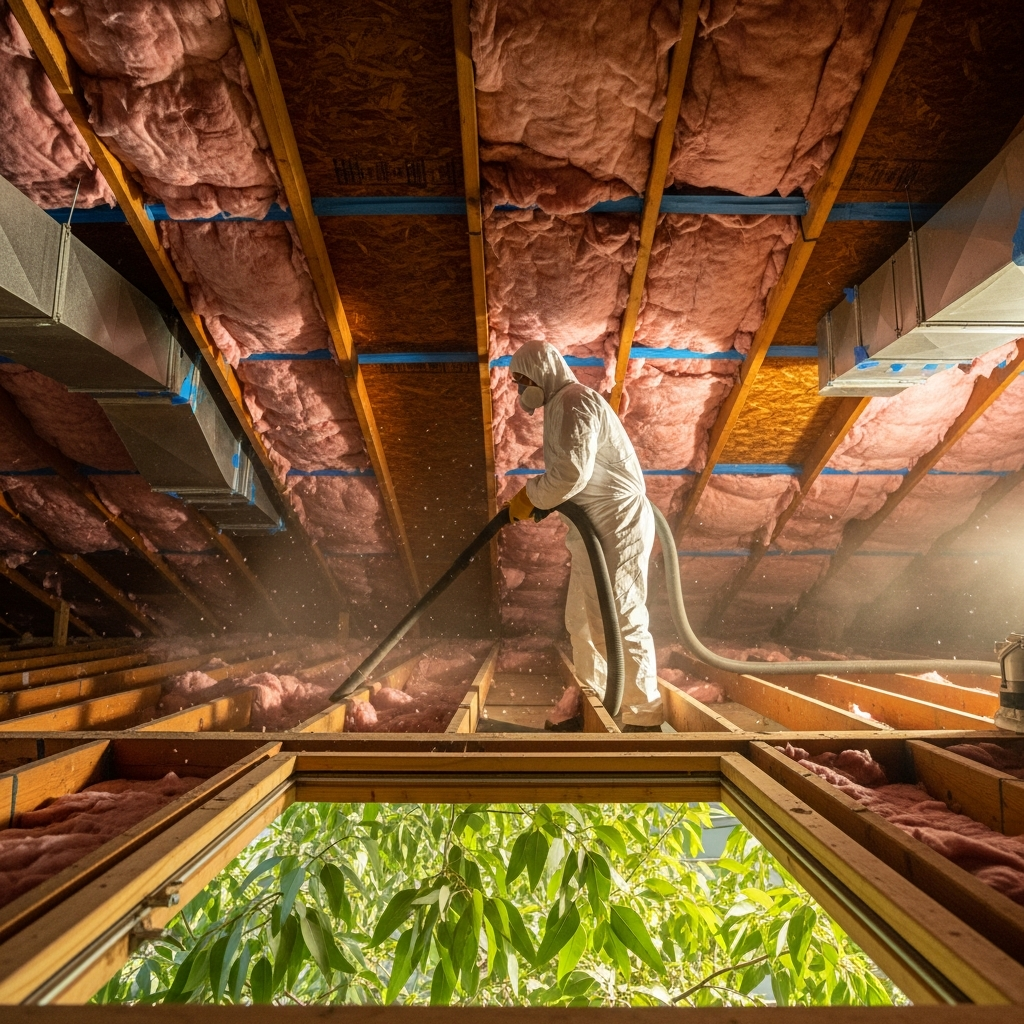
A professional sanitation project in Los Angeles is scheduled around traffic, school pickups, and the realities of dense neighborhoods. Good crews arrive with containment materials that respect your furnishings and your neighbors. They establish negative air where needed, move methodically, and show you what they are finding so that you understand exactly what is being removed and why. Midway through, you might notice the air in adjacent rooms feels crisper. That is the benefit beginning to show itself even before the project wraps up.
During many mid-job walk-throughs, homeowners ask how to keep the home in good shape after the cleanup. The answer is always practical: maintain exterior vegetation to reduce harborage, keep yard waste bins closed, fix gaps around utility lines, and pair future maintenance with occasional checkups. In other words, let the sanitation be the reset, then do the little things right. If the project also revealed a few small penetrations to be sealed later, that becomes a natural next step.
Somewhere in the middle of a thorough attic cleanup, after the worst debris has been HEPA-vacuumed and bagged, the immediate change in smell can be striking. That is when it helps to remember why the work matters in a city where warm evenings keep windows open. With fewer particulates and fresher air moving through vents, entire routines feel better. In that moment, you see the real-world value of dedicated rodent sanitation carrying through to sleep, appetite, and even how long you want to linger over coffee at the kitchen table.
Neighbors, pets, and the wider environment
Sanitation also benefits the block. When one home removes contaminated nesting materials and seals up food sources, nearby homes experience fewer curious visits from rodents. Trash day goes more smoothly because the alley behind your property does not smell like a snack bar. For pet owners, a clean crawlspace and garage mean curious dogs are less likely to nose into something they should not. Cats that explore side yards do not brush against soiled materials. It is a quieter, cleaner equilibrium that fits the way Angelenos like to live outdoors.
When benefits extend to property value
In a competitive real estate market, documentation matters. After sanitation, having before-and-after photos and notes about what was removed, what was disinfected, and what was improved can reassure buyers and appraisers. More importantly, it reassures you. You know your home is clean, that the air feels right, and that maintenance going forward is simplified. If you decide to finish an attic for storage or convert a garage to an office, you do so on a healthier, better-smelling foundation.
Frequently asked questions
How is rodent sanitation different from exclusion or trapping?
Exclusion keeps rodents out by sealing entry points, and trapping removes active animals. Sanitation is what restores the space after that. It removes droppings, urine, and nesting materials; cleans surfaces with HEPA vacuuming and appropriate disinfectants; addresses lingering odors; and improves indoor air quality so the space is safe to use again.
Will I need to replace my attic insulation?
It depends on the level and distribution of contamination. Light surface contamination may be addressed with HEPA vacuuming and targeted treatment. Heavy, widespread contamination or urine saturation often calls for removal and replacement. A thorough inspection helps determine the most cost-effective path to a clean, healthy result.
Is it safe to stay home during sanitation?
With proper containment, ventilation, and professional methods, most homeowners can remain in the house, though you might prefer to be out during the noisiest phases. Crews use negative air, seal work zones, and select products in line with label directions so that living areas remain comfortable and safe.
How long do the odor benefits last?
If the source materials are removed and surfaces are properly treated and dried, odor relief is long lasting. Lasting results also depend on prevention: keeping entry points sealed and food sources managed. When sanitation is paired with smart home habits, those fresh-air mornings become the new normal.
Can I handle rodent sanitation myself?
Small, contained cleanups are sometimes manageable with proper protective equipment and careful technique, but most attic and crawlspace projects are safer and more effective when handled by trained professionals equipped with HEPA filtration, containment, and the right disinfectants. A pro can complete the work faster and with less risk of spreading contaminants.
What is the best season for rodent sanitation in Los Angeles?
Any time is workable, but many homeowners prefer spring and fall. Spring removes the remnants of winter nesting and sets the home up for summer ventilation, while fall cleans and tightens things up before holiday cooking and houseguests. In emergencies, schedule as soon as exclusion is complete.
When you are ready to reset your home’s air, comfort, and confidence, talk with a local team that understands our microclimates, building styles, and daily rhythms. If you want that fresh, quiet feeling to return quickly and stay, choose proven rodent sanitation and let your Los Angeles home breathe the way it should. Your rooms will feel lighter, your attic will smell cleaner, and your days will unfold with the ease that comes from knowing the job was done right.