
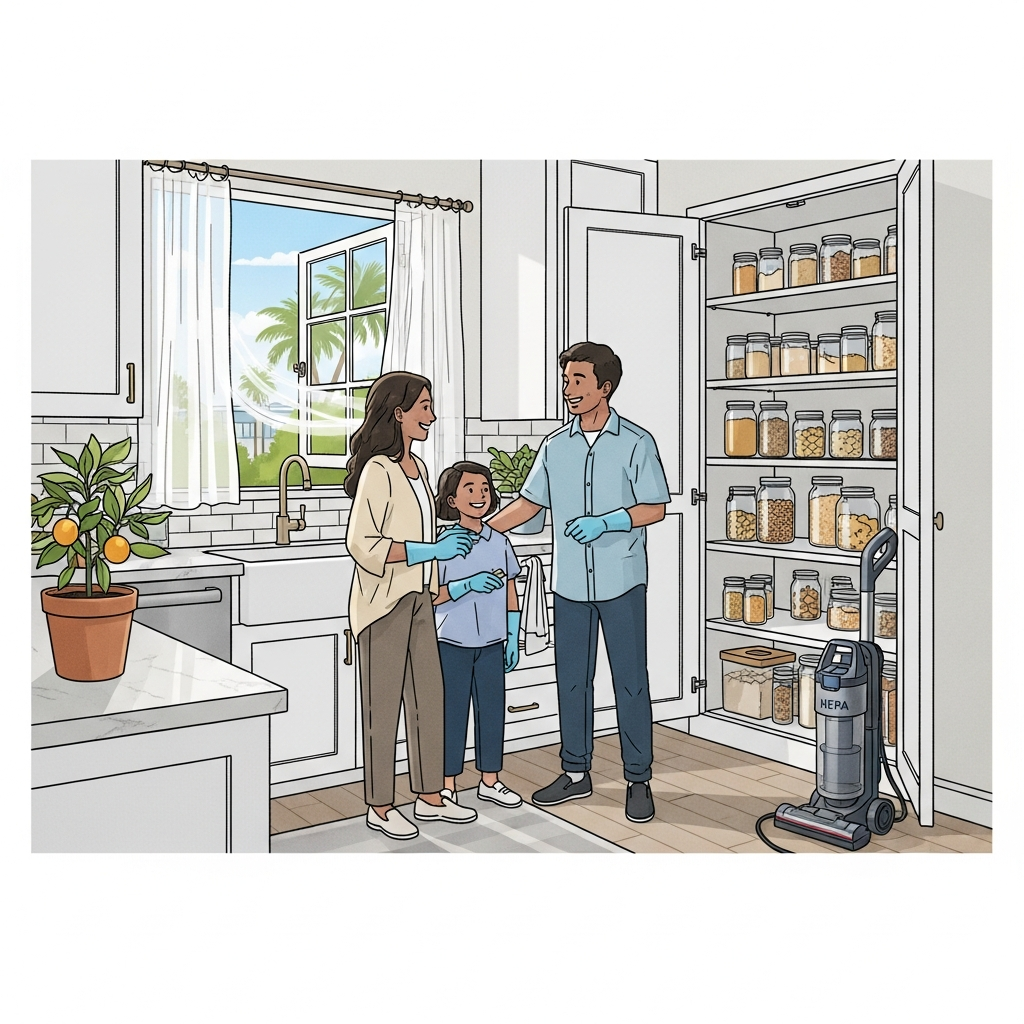
Los Angeles is a city of courtyards and balconies, palm fronds rustling over block walls, and backyard citrus that scents whole neighborhoods as evening cools. It is also a city where the line between indoor and outdoor living is unusually thin. That openness brings delight—and, at times, exposure. When rodents have entered a home, what they leave behind is not merely unpleasant; it is a health concern. This is why rodent sanitation is a public health matter as much as a home maintenance task in Los Angeles, a place where warm breezes and open windows can carry particles from attics, garages, and crawlspaces into the rooms where we sleep and gather.
As a local professional who has seen countless post-infestation spaces from Venice to Eagle Rock, I can say that meaningful health protection begins when sanitation starts. It is not enough to trap a few animals or patch a hole at the eave. Droppings, urine, and nests are reservoirs for bacteria, allergens, and parasites. In our dry climate, these materials can remain intact for months, then become airborne when disturbed—by HVAC cycles, attic access, or even a brisk afternoon wind that presses a ridge vent. Addressing them is an act of care for everyone who shares the space, from toddlers who play on floors to elders with more sensitive airways.
The real risks behind the mess
Rodent contamination can foster bacteria such as Salmonella, spread through surfaces that later come into contact with food preparation. Leptospira bacteria can persist in moist areas around plumbing or in low points of a crawlspace. Fleas that ride in on rodent hosts may carry pathogens associated with murine typhus, a diagnosis that Southern California clinicians recognize during certain seasons. While not every contaminated area harbors these risks, sanitation reduces the probability of exposure by removing the materials and conditions that allow them to persist.
In addition to pathogens, there is the issue of allergens. Proteins in rodent urine and dander can trigger symptoms for people with asthma or allergies—a meaningful concern for Los Angeles families who already contend with outdoor air quality fluctuations, wildland fire smoke, and Santa Ana-driven dust. By removing and neutralizing these residues with HEPA vacuuming and appropriate disinfectants, sanitation supports healthier breathing at home, something that matters on hot days when we keep the house closed and the AC running.
Why Los Angeles homes are uniquely exposed
Our housing stock is wonderfully diverse: Spanish Revival with decorative vents, Craftsman with generous attic volumes, mid-century post-and-beam in the hills, and compact bungalows that have been lovingly updated over decades. Many of these designs include roof and foundation vents, soffits, and utility chases that, if not maintained, offer rodents entry. Once inside, the dryness of attics encourages nesting, and the warmth that lingers into evening carries scent and particles through the building shell. That is the local recipe that turns a small infestation into a household health question unless sanitation follows quickly.
Then there is the human factor that defines LA living. We cook with big flavors; we host; we keep fruit bowls full when backyard trees are heavy with lemons, avocados, or figs. Kitchens are social, garages hold gear for beach days and hikes, and patios pull us outdoors late into the night. Sanitation reduces the unseen residue in these adjacent spaces so the rhythms we love do not come with unnecessary health compromises.
From visible debris to microscopic control
Effective sanitation operates from the macro to the micro. Crews start by removing contaminated nesting materials and bulk droppings, bagging them to prevent the spread of particles. Then, using HEPA filtration, they vacuum dust from joists, top plates, and duct exteriors so that fine particulates are captured. After that, treated surfaces are disinfected according to label guidance, ensuring contact time for efficacy. This sequence matters. If you skip HEPA filtration, for example, a standard vacuum can aerosolize particles, pushing the very material you want to control deeper into the home’s air.
In kitchens, pantries, and laundry rooms, sanitation includes careful wiping of shelves and hidden gaps where food dust collects. In garages, it might mean pulling storage bins and addressing the dusty ledges behind them. In crawlspaces, the work may include dampening, careful removal, and controlled ventilation so that debris does not ride up into the living areas. Throughout, documentation helps homeowners see what was there and what is now gone, which is essential for confidence and for future maintenance.
How sanitation complements medical advice
Pediatricians and allergists in Los Angeles often recommend controlling indoor allergens and maintaining clean, well-ventilated homes. Sanitation is the practical path to those outcomes when rodents have been present. By removing reservoirs of allergens and bacteria, the home becomes a safer backdrop for daily life. Parents of young children notice fewer unexplained sniffles after a thorough cleanup; older adults report that musty triggers fade; and anyone who spends long hours working from home feels the difference by late afternoon when stale air might otherwise have set in.
Sanitation also helps prevent cross-contamination. It is common for families to clean visible areas but leave attics or crawlspaces for later. Unfortunately, dust and residues migrate. Each time the HVAC cycles, warm or cool air flows across the outer skin of ducts and picks up notes of what is nearby. Proper sanitation breaks that cycle by addressing those peripheral zones, not just the spaces we see every hour of the day.
Middle-of-the-home moments: where health is won
There is a point during every good project when the air begins to smell neutral again, and you realize that your morning coffee tastes cleaner because the kitchen no longer competes with a faint odor from above. That is the turning point where sanitation shifts from concept to lived experience. It is also where the habits that keep a home healthy take root: sealing cereal containers, managing pet food, trimming fruit trees, and keeping lids on bins. Pairing those habits with ongoing attention to rodent sanitation ensures that health-protective benefits become part of the home’s baseline rather than a once-a-year event.
Role of prevention, education, and community
Public health is community work, and rodent sanitation plays its part. On blocks where neighbors secure waste, manage vegetation, and clean out shared alleys, infestations are less frequent and cleanup is easier. Property managers who educate tenants about food storage, laundry room etiquette, and maintenance reporting see fewer issues. Homeowners who share what they learned about contaminants after a cleanup help demystify the subject, making it easier for others to take action.
Schools, daycare centers, and community facilities benefit from the same principles. When these spaces deal with rodent incursions, a rapid sanitation response protects the most vulnerable populations. Even in small spaces, like office break rooms or storage closets, wiping away visible mess without addressing the hidden residue is a missed opportunity. HEPA filtration and targeted disinfecting make the air better for everyone who walks through the door.
The Los Angeles rhythm of scheduling and follow-through
Life here moves to a particular beat. Morning commutes, afternoon practices, late dinners, and weekend hikes fill our calendars. Good sanitation fits that beat. Crews plan around school pickups and evening quiet hours, minimize disruption, and keep you informed so you can keep living your life. The investment of a day or two pays back in the comfort of every day that follows—nights without odd smells, mornings without surprise dust on a windowsill, and months of easier breathing for those most sensitive to indoor air quality.
What you should expect from a professional cleanup
Transparency, containment, and care. A solid team will explain their plan, seal work zones, run air scrubbers with HEPA filters, and respect the architecture that makes your home special. They will show you what they remove and why. They will not rely on heavy perfumes to mask an issue; they will address the source. The goal is to leave behind a home that feels like it did before rodents ever appeared, with a subtle confidence that you can sense as soon as you walk in from the driveway or step in from the garden.
Frequently asked questions
What health issues are most associated with rodent contamination?
The main concerns are bacteria that can spread through surfaces and food areas, allergens that aggravate asthma and seasonal sensitivities, and parasites that may accompany rodent hosts. While risk varies by situation, removing contaminated materials and disinfecting surfaces meaningfully reduces potential exposure in everyday life.
Does sanitation help if I already completed trapping and exclusion?
Yes. Trapping and exclusion stop the source of new contamination. Sanitation removes what is already present so that odors, allergens, and bacteria are not left behind. All three steps together produce the healthiest outcome and the best long-term results.
Will my home smell different after sanitation?
Most homeowners notice a neutral, cleaner scent once contaminated materials are removed and surfaces have dried. The change can be striking in attics and crawlspaces, and that improvement often carries into living areas, especially during heat waves when smells tend to travel.
Is there a safer way to clean than using strong chemicals?
Professionals select disinfectants and cleaners that are effective and appropriate for the materials being treated, then apply them according to label instructions for safety and performance. Many products are formulated for low odor and low residue while still delivering the necessary sanitation benefits.
How quickly should sanitation happen after I discover a problem?
As soon as practical after exclusion or trapping is underway. The longer contaminated materials sit, the more time they have to dry into dust or wick into porous surfaces. Timely sanitation prevents spread, reduces odors, and restores healthy conditions sooner.
If you are ready to make your home’s air feel noticeably cleaner and your living spaces calmer and safer, connect with a local team that treats sanitation as essential health care for the house. Choose proven rodent sanitation methods, and give your Los Angeles home—and everyone in it—the healthy, comfortable backdrop it deserves.