
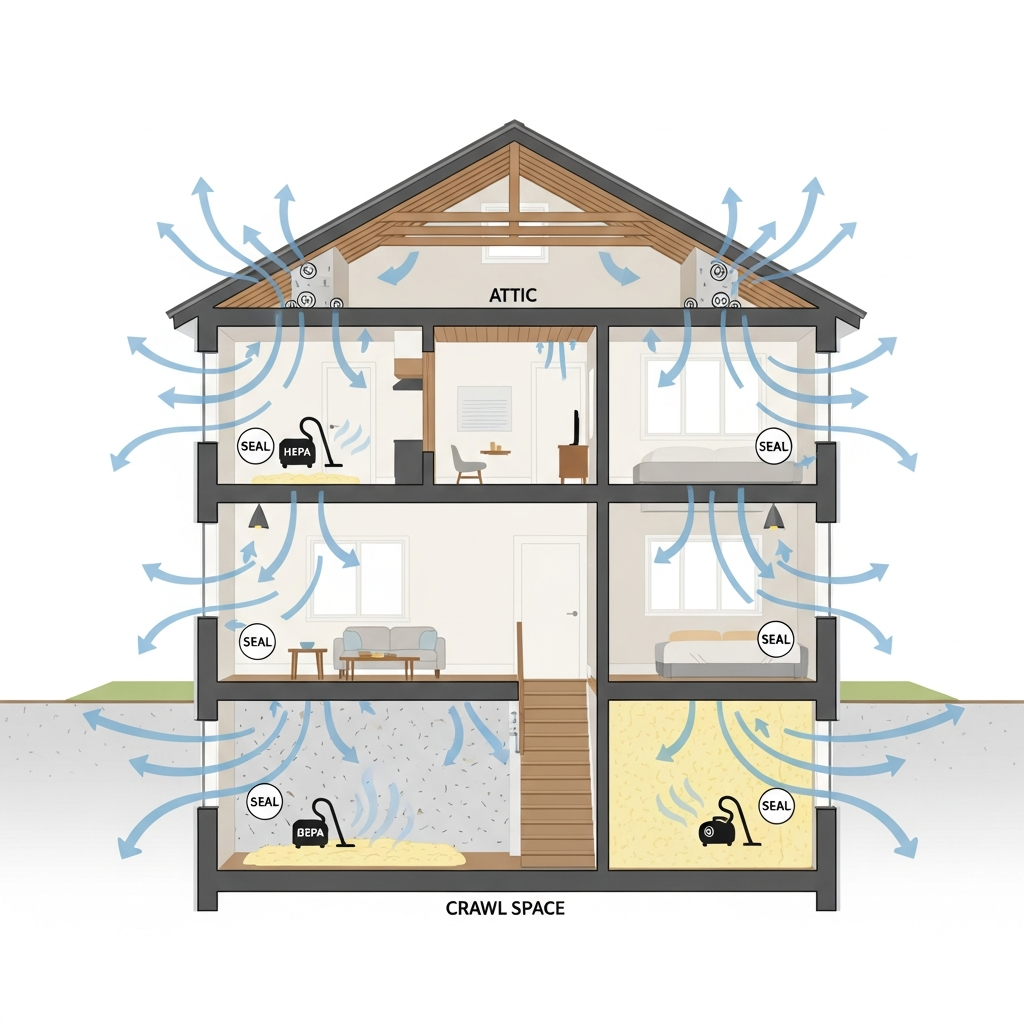
Guidelines for rodent sanitation in Los Angeles homes must reflect the city’s neighborhoods, building styles, and climate. From hillside cottages in Eagle Rock and Mount Washington to beach bungalows in the South Bay and mid-century homes across the Valley, each property breathes differently. Effective sanitation respects those differences while following a consistent logic: remove contamination, clean and disinfect safely, neutralize odors at the source, and restore airflow so living spaces feel natural again. As someone who has worked in attics, crawl spaces, garages, and utility rooms across LA, I’ve seen how a disciplined, human-centered approach turns worry into relief.
Before any tools come out, start with a map of your home. Where did activity occur? How does air move from attics and crawl spaces into bedrooms and living rooms? Which channels—can lights, utility chases, gaps around pipes—might carry dust or odors? Putting the home on a mental blueprint sets the stage for a targeted, efficient cleanup. And at the outset, remember that professional rodent sanitation is the bridge between solving the pest issue and feeling fully at ease indoors again.
Attic-specific considerations
Attics in Los Angeles are as varied as the streets below them. Some are open and walkable, others tight and dusty, still others segmented by low-flying trusses. When contamination is present, the first step is careful removal of soiled materials. HEPA-filtered vacuuming captures fine particulates, and a hospital-grade disinfectant step treats residues. If wood members show deep staining, a sealing or encapsulation coat can tame long-term odors and prevent re-emission during hot afternoons. Afterward, thoughtfully reinstalling insulation restores comfort, helps dampen noise, and stabilizes temperatures, particularly important in our summer heat and cooler desert-influenced nights.
Crawl spaces and subfloors
Raised foundations are common in older LA homes and in hillside neighborhoods. These crawl spaces can trap moisture and hold odors that travel upward through tiny imperfections. Sanitation here requires patience: remove contaminated debris, vacuum and treat surfaces, and verify that vents and vapor conditions are supportive of a clean, neutral baseline. If evidence of travel exists around penetrations, sealing accessible gaps after treatment reduces air migration and discourages future exploration.
Garages, sheds, and storage rooms
Because they are transitional spaces, garages and sheds often receive less attention until an odor or sighting pushes them to the forefront. Organizing and staging items so sanitation can proceed without spreading contamination is essential. Shelving, corners behind appliances, and the gaps at garage doors are frequent hotspots. After cleanup, simple door sweeps and brush seals become unsung heroes, keeping dust and visitors from drifting in.
Odor control: source first, scent later
True odor resolution starts with removal. Masking smells with perfumes or intense deodorizers can amplify discomfort and rarely addresses the cause. Once waste is removed and surfaces disinfected, apply targeted neutralizers designed for organic residues. In porous framing that has absorbed contamination over time, a sealing coat may be warranted. Ventilation and a fresh HVAC filter help bring the space back to its own quiet equilibrium.
Health-conscious practices at home
Sanitation is a health practice as much as a cleaning task. Plan for HEPA filtration, controlled debris routes, and floor protection through living areas. If you or a family member has respiratory sensitivities, discuss ventilation periods and room-by-room sequencing so you can stay comfortable during the process. Pets should be secured, and cherished items moved or covered to avoid incidental exposure. With clear communication, most families remain at home throughout, resuming normal routines by day’s end.
Aftercare routines that reinforce the reset
Once the cleanup is complete, simple, sustainable habits prevent backsliding. Keep exterior bins tightly closed and positioned a modest distance from entries, bring pet food indoors at night, and trim vegetation that creates convenient highways to roofs and attic vents. Indoors, keep under-sink areas tidy and dry, reduce clutter in laundry and utility rooms, and glance into rarely visited corners during regular cleanups. These choices cost little in time and have an outsized effect on long-term comfort.
Coordination with landlords and HOAs
For those in apartments, condos, or communities with shared responsibility, success depends on coordination. Work with property managers and HOA boards to schedule sanitation, document conditions, and agree on aftercare. Shared walls, chases, and trash rooms require that everyone plays their part. A well-documented plan reduces friction and keeps neighbors aligned on the small practices—like broom-clean trash enclosures and prompt reporting—that uphold the reset.
When is a targeted cleanup enough?
If sanitation needs are confined—say, a small area in a garage or a limited attic corner—targeted cleanup can be both efficient and sufficient. But when contamination spans insulation bays, crosses rooms, or lingers in HVAC-adjacent areas, a comprehensive approach is prudent. The guiding idea is to follow the path of air and residues, not merely the densest patch of evidence, so that unseen reservoirs don’t continue to seed odors or irritants.
Why local experience matters in LA homes
Local experience becomes a shortcut to better decisions. A technician who has worked through marine layers on the Westside knows to extend drying times. Someone familiar with canyon homes understands access constraints and staging. Teams who regularly tackle Valley summers plan around attic heat to maintain safe pacing and optimal treatment performance. These small, local lessons add up to a smoother, more reliable outcome.
Homeowners sometimes ask whether to pair sanitation with other improvements. If you plan to add insulation, improve ventilation, or upgrade filtration, the sanitation window is ideal. Once surfaces are clean and odor-neutral, upgrades integrate naturally, making the home more efficient and comfortable while protecting the fresh baseline you’ve just achieved. At this stage, professional rodent sanitation serves as the foundation upon which all other improvements succeed.
Frequently Asked Questions
Can I handle sanitation myself?
For very small, localized incidents, careful DIY cleaning may suffice. However, where insulation, crawl spaces, or multiple rooms are affected, specialized equipment and methods ensure thorough removal and safe containment. A professional assessment clarifies what’s appropriate and what could risk spreading contamination.
How long should I ventilate after sanitation?
Ventilation periods vary with season and scope. Many homes feel settled within hours, especially with fresh HVAC filters and windows open as conditions allow. In humid or cool marine layers, a bit more time helps. Your technician will advise based on the day’s work and your home’s airflow.
Will sealing gaps alone solve the problem?
Sealing accessible penetrations is important but not a substitute for sanitation. If residues remain, odors and allergens can persist, and attraction cues may linger. Exclusion and sanitation work best together: one prevents entry, the other removes the reasons to return.
What about belongings stored in affected areas?
Non-porous items can often be cleaned and retained. Porous, heavily soiled items may be safer to discard. We document conditions and discuss options so decisions are informed and comfortable for you.
How do I keep the results lasting?
Combine tidy habits, routine inspections, and timely filter changes with quick action if signs reappear. A small check-in months later can verify that airflow remains neutral and that prevention steps are still working as intended.
Guidelines become real when they align with your home and daily life. If you want a plan tailored to your layout, your routines, and your comfort, we’re ready to help you put these principles into practice. Start the conversation and reclaim a calm, healthy indoor environment—schedule trusted rodent sanitation for your LA home today.