
Los Angeles has a way of turning the everyday into something a little bigger, a little faster, and a lot more complex. The same goes for rodent issues. In our neighborhoods—from Echo Park and Silver Lake to the South Bay, the San Fernando Valley, and pockets of the Westside—rodents adapt quickly to our climate, our architecture, and even our rhythms. When an infestation shifts from a nuisance into a health concern, the right sanitation response can make all the difference. As a local specialist, I’ve seen how the most effective solutions respect the unique character of each home or business, coordinate with city and county expectations, and restore normalcy with methods that are thorough, safe, and discreet.
When people ask what “sanitation” really means in this context, I tell them it’s the essential reset after the rodents are excluded or controlled. It’s the process of removing waste, decontaminating affected materials, addressing odors, and restoring the indoor environment so you can live and work comfortably again. Early on, I also remind clients that properly executed rodent sanitation is as much about protecting long-term health as it is about cleaning up the mess that’s visible today.
Why sanitation matters more in Los Angeles
Rodent waste is more than an eyesore. In a Mediterranean climate like ours—warm, dry summers and mild, sometimes damp winters—droppings and urine deposits can persist, break down, and aerosolize. HVAC systems can carry particulates through ductwork, and one must consider attics, crawl spaces, and wall voids as potential reservoirs. In older Spanish-style bungalows or post-war ranch houses, it’s common to find layered insulation that has trapped contamination from multiple seasons. In converted lofts and mixed-use buildings from Downtown to Koreatown, service shafts and shared utility chases can create complex spread patterns. The goal of sound sanitation is to interrupt those patterns decisively and prevent re-exposure.
Understanding the local environment and building stock
Los Angeles isn’t one building type; it’s a mosaic. Hillside homes in Mount Washington and Glassell Park have delicate crawl spaces and steep access points. Beach-area properties face salt air and humidity that exacerbate odor retention. Mid-century homes in the Valley often have spacious attics with loose-fill insulation that can conceal widespread contamination. Commercial footprints—from boutique shops on Abbott Kinney to production spaces in North Hollywood—bring their own ventilation paths and compliance needs. Knowing how airflow, attic geometry, and utility layouts influence contamination travel is fundamental to planning a targeted sanitation approach that avoids unnecessary demolition while still achieving a reliable reset.
What a thorough sanitation process looks like
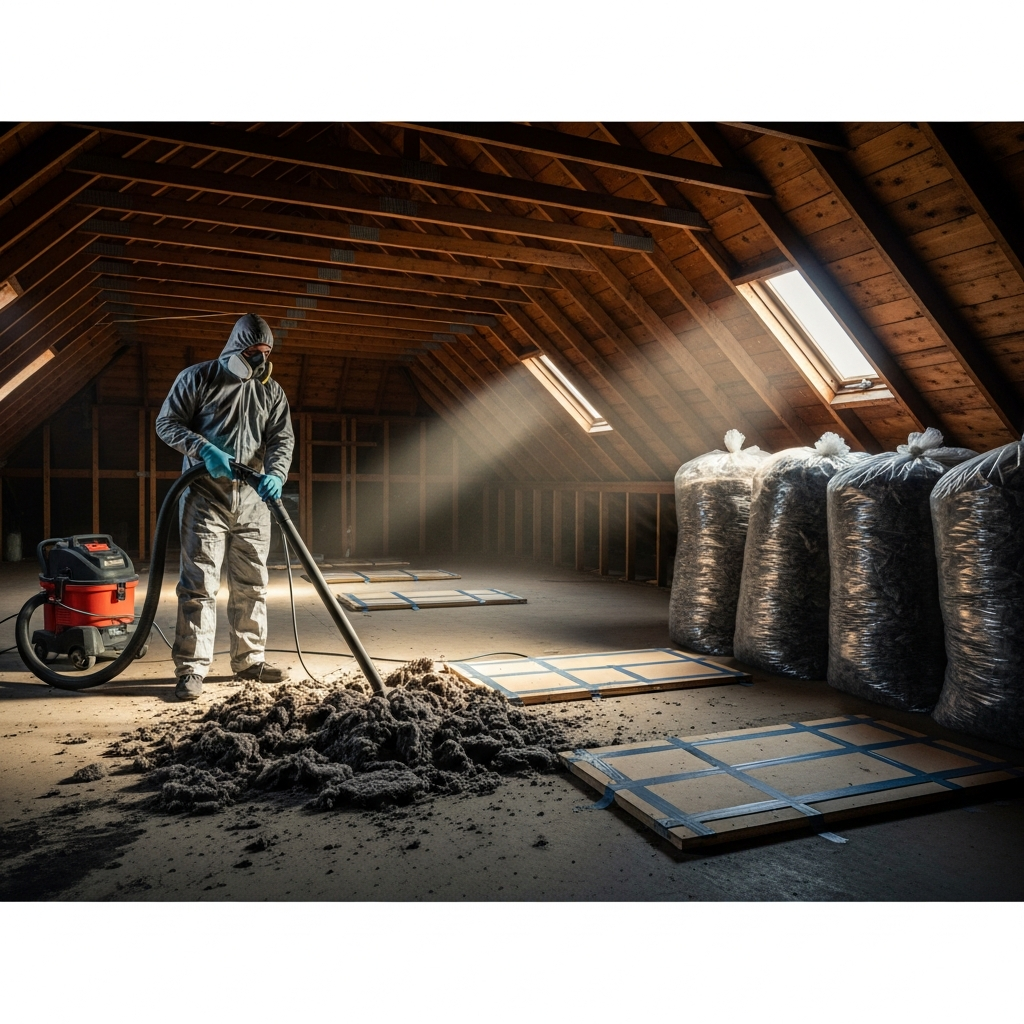
Once rodents are excluded and any live activity is addressed, the sanitation team evaluates contamination pathways. In attics, this usually means careful collection and removal of soiled insulation, bagging and sealing materials for appropriate disposal, and surface cleaning of structural members. HEPA-filtered vacuuming removes fine particulates, and a calibrated application of hospital-grade disinfectants—used in line with label guidance—treats remaining residues. Where necessary, odor neutralizers and encapsulants are applied to wood surfaces to lock in stubborn scents that might otherwise draw wildlife back or trigger respiratory irritation. In living areas, hard surfaces get detailed attention, while textiles are managed with safe cleaning practices or referred for replacement depending on saturation.
Attics, crawl spaces, and the angles no one sees
Attics and subfloors are often the engine rooms of a building’s air. Warm indoor air rises and can pull crawl-space odors upward, while attic air can migrate back into bedrooms and living areas via can lights, chases, and tiny construction gaps. I’ve worked on Los Feliz colonials where the faintest attic odor kept reappearing every afternoon when the sun warmed the roof deck. Pinpointing those migration paths and addressing both contamination and airflow is key. That can include resealing accessible penetrations after sanitation, rebalancing insulation depth, securing baffles around soffits, and confirming that bath and kitchen vents truly exhaust outdoors rather than back into attic cavities.
Odor control as a health and comfort priority
Odor isn’t just a nuisance; it can signal ongoing off-gassing from contaminated materials. The best odor control begins with source removal, not simply covering smells. After droppings and urine deposits are removed and surfaces disinfected, a neutralizing phase targets organic odors without introducing overwhelming fragrances. For dense wood members, an encapsulating coat can help, especially where staining is extensive and sanding isn’t appropriate. I always encourage clients to give the space time to air after treatment and to replace HVAC filters to prevent recirculation. When combined with targeted sealing, the result is a home or business that smells like itself again—clean, quiet, and uneventful.
Coordinating with city and county guidance
Los Angeles County Department of Public Health emphasizes integrated strategies for vector management, and sanitation is a core element. While every property is unique, aligning our work with public health expectations ensures that cleaning isn’t a one-off event but part of a sustainable plan. In multi-tenant buildings, that can mean documenting affected areas, scheduling work to limit disruption, and communicating the right aftercare steps to managers and residents. In certain commercial settings, we coordinate with facility teams to meet internal safety policies and to schedule after-hours work so operations continue without interruption.
Midway through a project, property owners often ask if a partial cleanup is enough. In some cases—limited activity, isolated waste, easy access—it can be. But even then, professional rodent sanitation proves its value by reaching the quiet corners people miss and by ensuring treatments are thorough, safe, and verifiable. The confidence that comes with a complete reset is worth the coordination it takes to get there.
Materials, methods, and a light construction touch
Responsible sanitation relies on methods that prioritize occupant safety and building integrity. HEPA-grade equipment, controlled removal techniques, and careful bagging reduce the chance of stir-up or cross-contamination. We protect finished surfaces during transit, plan routes for debris removal to minimize dust, and maintain negative air where appropriate. When re-insulating, we match materials to the building’s ventilation strategy and to local energy expectations. It’s never one-size-fits-all; it’s a conversation with the structure itself, guided by the realities of LA’s microclimates and construction history.
Aftercare that truly prevents a repeat
Long-term success is always a mix of maintenance, monitoring, and simple habits tailored to the property. For homes, that may include securing pet food, using tight-fitting lids on exterior bins, trimming vegetation that provides rodent cover, and checking foundation vents seasonally. For businesses, it can mean service schedules for loading areas, strict receiving protocols, and routine roof checks after Santa Ana winds or winter storms. I like to set a timeline for follow-up inspections; catching a small sign early—a new smear mark on a pipe, a few pellets in a mechanical closet—lets us react before an issue matures.
Working respectfully in occupied spaces
Sanitation isn’t just about what we do; it’s how we do it. In apartments from Miracle Mile to Pasadena-adjacent communities, coordination with tenants matters. We plan quiet periods, protect belongings, and explain what to expect. In homes, we walk families through the sequence so there are no surprises. In businesses, we stage equipment to maintain public-facing professionalism. The objective is a clean outcome with as little disruption as possible, and a level of communication that gives everyone confidence in the process.
Recognizing the signs you need sanitation now
Sometimes, the need is obvious: an attic thick with droppings, insulation matted and stained, or strong ammonia-like odors in the morning. Other times, the clues are subtle: a recurring scent in one room, unexplained allergies that flare when the heater kicks on, or a pet obsessed with a particular wall. If rodents were present at any scale, sanitation is the logical next step after exclusion. It completes the story, removes health risks tied to contamination, and helps decouple your indoor environment from lingering reminders of the problem.
Choosing a local partner you can trust
Local knowledge is more than a marketing phrase here. A team familiar with Los Angeles logistics understands street sweeping schedules, tight driveway access in canyons, and the difference between working in a vintage fourplex versus a steel-and-glass condo. We track seasonal patterns—why a warm fall can prolong activity, or how heavy rains push rodents to higher ground and into attics. That insight translates into efficient planning, realistic timelines, and better results. When you call, expect clear communication, photos and notes that document conditions, and a plan tailored to your building and neighborhood.
Frequently Asked Questions
How do I know if I need full sanitation or a targeted cleanup?
If you’ve had persistent activity, found waste in multiple areas, or noticed odors traveling with HVAC cycles, full sanitation is usually warranted. For isolated incidents—such as a small discovery in a garage—a targeted cleanup may suffice. A thorough inspection clarifies the scope and ensures you’re addressing the entire contamination pathway, not just the obvious areas.
Is it safe to stay in my home or keep my business open during sanitation?
In many cases, yes, with planning. We sequence work to minimize disruption, isolate affected zones, and employ ventilation and filtration. For intensive attic projects or in sensitive environments, brief absences from specific rooms can be recommended. Communication ahead of time ensures comfortable expectations and a smooth day of work.
Will sanitation stop rodents from coming back?
Sanitation removes contamination and odors that may attract return visits, but it works best paired with effective exclusion and monitoring. Think of sanitation as the reset and exclusion as the lock on the door. Together, they make recurrence far less likely.
What happens to contaminated insulation?
Soiled insulation is carefully collected, bagged, and removed to appropriate disposal streams. After surfaces are cleaned and treated, new insulation can be installed to match your home’s ventilation and energy needs, restoring comfort and efficiency.
How long does a typical job take?
Timelines vary with access, size, and the extent of contamination. A modest attic with straightforward access may be addressed in a day, while larger or more complex properties can require additional time for safe removal, treatment, and re-insulation. A site visit provides a reliable estimate of duration and sequencing.
If you’re ready to reclaim a clean, healthy indoor environment with help from a local team that understands LA’s buildings and neighborhoods, reach out to schedule professional service. The most reliable results come from coordinated planning, careful execution, and clear communication from start to finish. Start your path to a clean reset and lasting peace of mind—book your rodent sanitation today.