
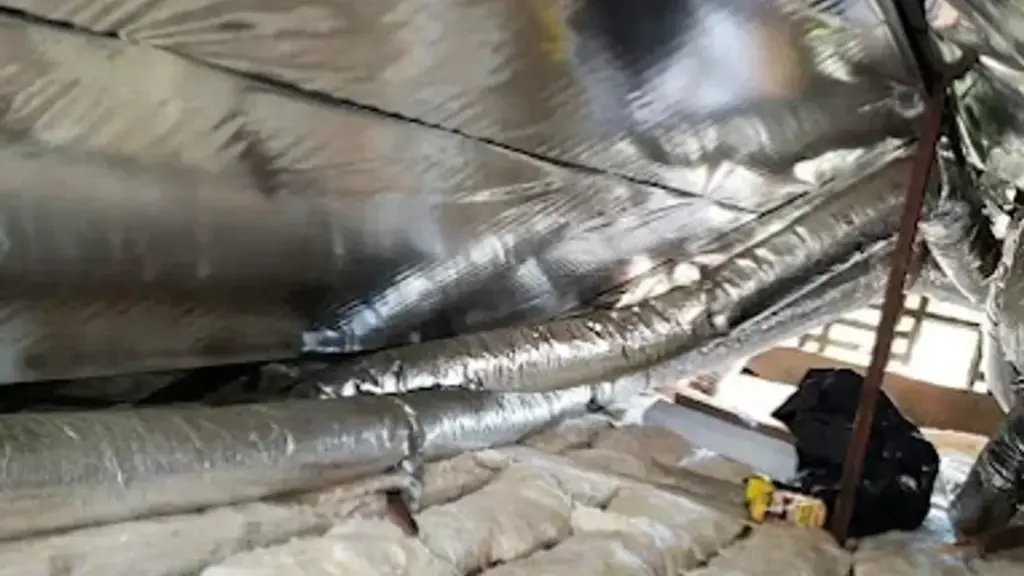
Why Attic Insulation Installation in Camarillo Fails Without Air Sealing First
You just paid to have new insulation blown into your Camarillo attic. The house still feels stuffy in July. Your energy bills barely moved. Something is wrong, but the fluffy pink or white material looks fine from the hatch. The culprit is almost always the same: air sealing was skipped, and your new insulation is working against physics it can never win. This post explains exactly why, and what a proper installation actually involves.
The Hidden Flaw in Most Attic Insulation Jobs
Insulation Slows Heat Transfer, It Does Not Stop Air Movement
Insulation is rated by R-value, a measure of thermal resistance. Fiberglass batts, blown cellulose, and blown fiberglass all slow the conduction of heat through a material. What they cannot do is block air from moving through gaps, cracks, and penetrations in your attic floor. Air carries heat with it. When conditioned air from your living space leaks up into a 140-degree Camarillo attic in August, no R-value on earth makes up for the loss.
Think of insulation like a wool sweater. A thick sweater keeps you warm on a still day. The moment wind blows through it, you feel the cold. Air sealing is the windbreaker that goes underneath. Without it, the sweater is largely decorative.
What Air Leakage Actually Looks Like in a Ventura County Home
In most homes built before the 1990s, and even in many newer ones, the attic floor is riddled with pathways that connect conditioned space to the attic. These include:
- Top plates of interior walls, which often have gaps where drywall does not fully seal against framing
- Recessed light cans that were not rated for insulation contact (IC-rated) and have large openings into the attic cavity
- Plumbing penetrations where pipes rise through the top plate
- HVAC boot connections where supply ducts meet the subfloor or ceiling
- Attic hatch frames with no weatherstripping
- Electrical junction boxes and wire penetrations
Each one of these is a pathway for air to bypass your insulation entirely. Piling more insulation on top does not close these gaps. It hides them.
Why Camarillo’s Climate Makes This Especially Costly
Camarillo sits in a coastal valley that gets warm, dry summers. Attic temperatures regularly climb well above 130 degrees Fahrenheit on clear summer afternoons. That extreme temperature differential between the attic and your living space creates strong stack-effect pressure: hot attic air wants to push down into cooler spaces, and cool conditioned air wants to rise up and escape. The greater the temperature gap, the harder the air pressure works to find every crack. Camarillo homes without proper air sealing are fighting this pressure all summer long, and paying for it on every utility bill.
Air Sealing Is Not Optional, It Is the Foundation
The Correct Order of Operations
A thorough attic insulation service follows a specific sequence. Skipping steps or reversing the order produces a result that looks complete but performs poorly. The correct process runs like this:
- Inspection and assessment: Identify existing insulation depth, material type, and condition. Note all penetrations, bypasses, and problem areas before anything is removed or added.
- Old insulation removal (when needed): If existing material is contaminated, compacted, or rodent-damaged, it comes out first. You cannot seal over a mess and expect good results.
- Air sealing: Every penetration, top plate gap, recessed light, and bypass gets sealed with the appropriate material, typically two-part spray foam for larger gaps and acoustic caulk or fire-rated caulk for smaller ones. This step happens before any new insulation goes in, because you need clear access to the attic floor.
- New insulation installation: Only after the attic floor is sealed does new material go in, at the R-value appropriate for Ventura County’s climate zone.
- Final inspection: Depth checks across the attic floor confirm consistent coverage with no thin spots or gaps.
When a contractor skips step three and goes straight from removal to installation, the homeowner ends up with a well-insulated but leaky attic. The R-value on paper means little in practice.
What Happens When Air Sealing Is Skipped
Beyond the comfort and energy-efficiency problems, skipping air sealing creates a few specific failure modes worth understanding.
Moisture migration is one. When warm, humid interior air leaks into a cooler attic space, it can condense on framing and sheathing. Over time, this contributes to wood degradation and mold growth. In Camarillo’s dry climate this risk is lower than in humid regions, but marine layer mornings and seasonal weather shifts do introduce moisture, and a leaky attic boundary makes the building more vulnerable.
Dust and particulate transfer is another. Gaps in the attic floor allow attic air, which may contain insulation fibers, rodent debris, or general particulate matter, to be drawn into living spaces through the same pathways that conditioned air escapes through. Proper air sealing reduces this pathway significantly.
Finally, HVAC efficiency suffers. When your air handler or ducts run through the attic, as they do in most Camarillo homes, an unsealed attic boundary means your system is constantly fighting leakage losses. Your AC runs longer, cycles more frequently, and wears out faster.
R-Value Requirements for Camarillo’s Climate Zone
Camarillo falls within California’s climate zone 6. The California Energy Code sets minimum R-value requirements for attic insulation in new construction and significant renovations, and local building departments may have their own requirements as well. Requirements vary by project type, so the right approach is to confirm current standards with a licensed contractor or your local building department rather than rely on a single number. What does not vary is the principle: hitting the target R-value with poor air sealing still underperforms a lower R-value installation that was properly sealed first.
How to Tell If Your Current Attic Was Properly Sealed
Signs the Job Was Done Correctly
If you had insulation installed previously and want to know whether air sealing was included, there are a few indicators a contractor can check during an inspection:
- Foam or caulk visible around top plates, pipe penetrations, and light fixtures when insulation is pulled back at those locations
- Recessed lights that are either IC-rated and sealed, or have been covered with airtight boxes before insulation was applied
- The attic hatch has weatherstripping and the hatch cover itself is insulated
- HVAC boot connections to the ceiling are sealed with mastic or foam, not just surrounded by loose insulation
Warning Signs That Air Sealing Was Skipped
Conversely, these are indicators that the previous installation skipped the critical step:
- Recessed lights visible as open cans from the attic side with no foam box or seal
- Insulation simply piled around pipe and wire penetrations with no foam or caulk underneath
- Top plates of interior walls with visible gaps or daylight from the attic side
- No weatherstripping on the attic access hatch
- Insulation depth that varies dramatically across the attic floor, suggesting it was blown in without addressing underlying gaps
If you notice any of these during an attic inspection, the correct fix is not simply adding more insulation on top. The gaps need to be sealed first, even if that means temporarily moving some of the existing material to access the attic floor.
Comparing Installation Approaches: What You Should Expect
| Step | Thorough Installation | Incomplete Installation |
|---|---|---|
| Attic inspection | Full assessment before work begins | Visual check only, or skipped |
| Old insulation | Removed if contaminated or compacted | New material blown over old regardless of condition |
| Air sealing | All penetrations sealed before insulation goes in | Skipped or done superficially after insulation |
| Recessed lights | Sealed with IC-rated boxes or foam covers | Left open, insulation piled around them |
| Attic hatch | Weatherstripped and insulated | Left as-is |
| Insulation depth | Consistent across entire attic floor | Varies, thin in corners and at eaves |
| Result | Improved comfort, lower energy use | Marginal improvement, disappointing bills |
What LA Attic Pro Does Differently in Camarillo
Air Sealing Is Standard, Not an Add-On
At LA Attic Pro, air sealing is built into every attic insulation installation we perform in Camarillo and throughout Ventura County. It is not a premium upgrade or a line item you have to specifically request. Before any new insulation material goes into an attic, our crew works through the attic floor systematically, sealing top plates, penetrations, recessed light boxes, and HVAC boots. The sequence matters, and we follow it every time.
This approach reflects how the building science actually works. Selling a homeowner on R-38 insulation while skipping air sealing is selling them a result the product cannot deliver on its own. That is not a service we are willing to provide.
The Inspection Comes First
Every project starts with a thorough attic inspection. We check existing insulation depth and condition, look for signs of rodent activity or moisture damage, assess the state of any ductwork running through the attic, and identify every penetration that will need sealing. That inspection drives the scope of work, so nothing gets missed and you understand exactly what is being done and why before work begins.
For Camarillo homeowners who suspect their previous insulation job was incomplete, an inspection is the right starting point. Sometimes the existing material can stay and the gaps can be sealed before topping up the depth. Other times, removal and a full reinstallation is the more practical path. Either way, the answer comes from looking at the actual attic, not from guessing.
Materials and Depth Matched to Your Home
LA Attic Pro works with blown fiberglass and blown cellulose, selecting the material based on the attic geometry, existing conditions, and homeowner preference. Both materials perform well when installed over a properly sealed attic floor. Blown insulation reaches into irregular spaces and around obstructions more effectively than batts, which is why it is the standard choice for attic floors in most Camarillo homes. Depth is verified with measuring tabs placed throughout the attic before blowing begins, so coverage is consistent rather than deep in the center and thin at the eaves.
Common Questions Homeowners Ask Before Scheduling
Does my attic need to be cleaned before new insulation goes in?
It depends on what is up there. If the existing insulation is in reasonable condition, free of rodent contamination and not heavily compacted, it can often stay and be topped up after air sealing. If there is evidence of rodent activity, soiling, or significant moisture damage, removal and cleaning comes first. Trying to seal and insulate over contaminated material is not a lasting solution.
How long does a full air sealing and insulation installation take?
For a typical Camarillo single-story home, a complete project including air sealing and insulation installation generally takes one day. Larger homes, homes with significant contamination requiring removal, or attics with extensive ductwork that needs attention may take longer. The inspection beforehand gives a reliable estimate of scope and time.
Will I notice a difference in comfort right away?
Most homeowners notice a meaningful change in how consistently comfortable their home feels within the first few days, particularly in rooms directly below the attic. The reduction in air leakage means your HVAC system is not fighting as hard to maintain temperature, and rooms that previously felt hot in the afternoon or drafty at night tend to stabilize. Energy bill changes typically show up over the following billing cycle.
Can I add more insulation over what I already have?
Often, yes, but only after the air sealing step is completed. If the existing material is in good condition, a contractor can pull it back in sections to seal the attic floor, then replace it and add new material on top to reach the target depth. Skipping the sealing step and just adding depth on top of existing insulation is the exact mistake this article describes.
What materials do you use for air sealing?
Two-part closed-cell spray foam is the standard choice for sealing larger gaps, top plate openings, and around recessed light boxes. Acoustic sealant or fire-rated caulk handles smaller cracks and wire penetrations. The right material depends on the size and location of the gap, and a thorough job uses both rather than relying on one product for everything.
Does air sealing affect attic ventilation?
Air sealing targets the attic floor, which is the boundary between conditioned living space and the unconditioned attic. It does not affect soffit-to-ridge ventilation, which runs through the attic itself and serves a different purpose. Proper installation maintains clear ventilation channels at the eaves so airflow through the attic is preserved while the leakage between the attic and the living space is closed off.
The Bottom Line for Camarillo Homeowners
New insulation is an investment in your home’s comfort and efficiency. That investment only pays off when the underlying air leakage is addressed first. Piling R-38 material over an unsealed attic floor produces an attic that looks insulated but behaves like a sieve. The physics of air movement does not care how much insulation is on top of the gaps.
If you are planning an attic insulation service in Camarillo, or if you had work done previously and are not seeing the results you expected, the right next step is a proper inspection. LA Attic Pro serves Camarillo and the surrounding Ventura County communities, and our process is built around doing the job in the correct order, every time.
Ready to find out what your attic actually needs? Contact LA Attic Pro to schedule your attic insulation inspection today and get a clear picture of what is happening above your ceiling before spending a dollar on new material.