
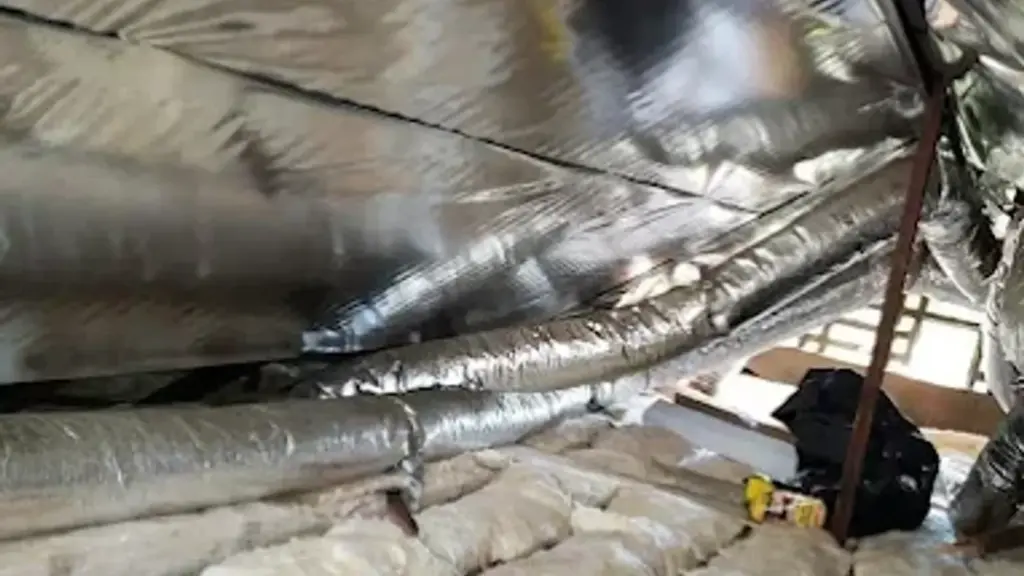
Evaluating Attic Insulation Installation in Los Angeles: Professional Air Sealing and R-Value Compliance Guide
As summer temperatures soar across Southern California and winter evenings bring a sharp chill, keeping your home comfortable requires an efficient thermal barrier. Homeowners seeking high-performance attic insulation in Los Angeles must navigate more than just material choices. Achieving true energy savings and maintaining indoor comfort relies on a complete system approach, combining proper material selection, strict adherence to California Title 24 energy standards, and comprehensive air sealing. This guide breaks down the essential steps to optimize your attic space for the local climate.
1. The Critical Role of Attic Insulation in the Los Angeles Climate
How Southern California Heat Transfers Into Your Living Space
During a typical summer in the San Fernando Valley or the Los Angeles basin, roof temperatures can easily exceed 150 degrees Fahrenheit. Without a robust thermal barrier, this intense radiant heat transfers directly through your ceiling drywall and into your living spaces. This heat transfer forces your air conditioning system to run continuously, driving up utility bills and accelerating equipment wear. High-quality thermal materials retard this downward heat flow, keeping your living spaces cooler and stabilizing indoor temperatures.
The Double-Duty Demands of Coastal and Valley Microclimates
Los Angeles is famous for its diverse microclimates. Coastal neighborhoods like Santa Monica experience high humidity and mild temperatures, whereas inland areas like Pasadena face intense, dry heat. Effective attic insulation installation must address both conditions. It prevents hot valley air from migrating downward in the summer and stops valuable indoor warmth from escaping during cool coastal nights. Selecting the right material and depth ensures year-round thermal stability, regardless of your specific ZIP code.
The Financial Impact of an Uninsulated Attic
When an attic lacks sufficient thermal resistance, your HVAC system must work overtime to compensate for constant heat exchange. This thermal inefficiency is a primary driver of high energy bills. By partnering with an experienced attic insulation contractor, homeowners can establish a continuous thermal boundary that significantly reduces daily energy consumption. The reduction in mechanical strain also extends the operational lifespan of your heating and cooling equipment.
2. Why Air Sealing Must Happen Before Installing New Insulation
The Illusion of Insulation Without Air Sealing
Many homeowners believe that blowing new fiberglass or cellulose over an existing setup will automatically lower their energy bills. However, thermal materials are designed to trap still air; they do not stop moving air. If your attic floor is full of unsealed gaps, hot attic air will drift right through the porous material into your home. Performing a thorough professional air sealing process before any new material is laid down is essential to prevent convective heat transfer.
Common Sources of Hidden Attic Air Leaks
Your attic floor is punctured by dozens of structural and utility penetrations. Some of the most common air leakage pathways include:
- Plumbing Chases: Large gaps around waste stacks and water lines that run from the crawl space to the attic.
- Electrical Wire Penetrations: Small holes drilled through the top plates of interior and exterior walls to route wiring.
- Recessed Light Canisters: Older, non-IC-rated recessed lights that leak heated or cooled air directly into the attic.
- HVAC Boots: The connections where air ducts meet your ceiling grilles.
- Chimney and Flue Chases: Essential clearance gaps around hot metal flues that must be sealed with fire-rated materials.
The Process of Professional Air Sealing
An expert insulation installation starts by clearing away dirty, degraded materials to expose the bare drywall and wooden framing. Technicians then use polyurethane expanding foam, fire-rated caulk, and flashing metal to seal every gap, crack, and penetration. This creates a continuous airtight barrier. Once this critical step is complete, the new thermal barriers can perform at their designated laboratory-tested efficiencies.
3. Understanding California Title 24 and R-Value Compliance
What is R-Value and Why Does It Matter?
R-value measures a material’s resistance to conductive heat flow. The higher the R-value, the greater the insulating effectiveness. The total R-value of your attic depends on the type of material installed, its density, and its installed thickness. Simply adding more inches of material increases the overall R-value, but achieving optimal performance requires precise calculations based on regional building codes.
Title 24 Requirements for Southern California
California’s Building Energy Efficiency Standards, known as Title 24, Part 6, set strict guidelines for residential energy conservation. For homes in Los Angeles (which covers Climate Zones 6, 8, and 9 depending on proximity to the coast or valley), the state mandates specific thermal performance targets. Currently, prescriptive standards typically require attic retrofits to achieve a minimum of R-30 or R-38, depending on the scope of the remodel and the local jurisdiction. A certified attic insulation contractor will ensure your home meets or exceeds these state-mandated targets to maintain compliance and maximize energy savings.
How R-Value Translates to Material Thickness
Achieving the target R-value requires different depths depending on the physical properties of the chosen material. The table below illustrates the approximate thickness required to reach common R-value targets for standard residential applications:
| Material Type | R-Value Per Inch | Thickness Required for R-30 | Thickness Required for R-38 |
|---|---|---|---|
| Loose-Fill Cellulose | 3.2, 3.8 | 8.0″, 9.5″ | 10.0″, 12.0″ |
| Loose-Fill Fiberglass | 2.2, 2.9 | 10.3″, 13.6″ | 13.0″, 17.3″ |
| Fiberglass Batts | 3.1, 3.5 | 8.5″, 9.7″ | 11.0″, 12.5″ |
| Open-Cell Spray Foam | 3.5, 3.8 | 8.0″, 8.6″ | 10.0″, 10.8″ |
| Closed-Cell Spray Foam | 6.0, 7.0 | 4.3″, 5.0″ | 5.5″, 6.3″ |
4. Comparing Attic Insulation Materials for Los Angeles Homes
Fiberglass: The Traditional Standard
Fiberglass remains one of the most widely used materials in residential applications. Available in pre-cut batts or loose-fill blowing wool, it is naturally non-combustible and resistant to moisture damage. Loose-fill fiberglass is particularly effective for attics with irregular joist spacing or numerous obstructions, as a pneumatic machine can blow it into hard-to-reach corners. It does not settle significantly over time, maintaining its thermal resistance for decades when properly ventilated.
Cellulose: Eco-Friendly and Dense
Made primarily from recycled newspaper and treated with boric acid for fire and pest resistance, loose-fill cellulose is an excellent choice for environmentally conscious homeowners. Because of its high density, cellulose is highly effective at blocking airflow and dampening outdoor noise. However, cellulose can hold moisture if exposed to roof leaks, which can lead to settling and a reduction in R-value if the attic is not kept dry.
Spray Foam: The Premium Airtight Solution
Polyurethane spray foam provides both thermal resistance and an air barrier in a single application. Applied directly to the underside of the roof deck (for a sealed, conditioned attic) or onto the attic floor, it expands to fill every crack and crevice. While spray foam represents a higher initial investment than loose-fill options, its superior air-sealing properties and structural durability make it a highly effective choice for complex architectural designs and hot climates.
5. The Importance of Proper Attic Ventilation
Why Sealed Attics Still Need to Breathe
Unless you are installing a fully conditioned unvented attic system with spray foam, your attic needs proper ventilation. Some homeowners worry that vents let cold or hot air in, but they are essential for regulating temperature and moisture levels. A balanced ventilation system allows fresh air to enter through the soffits or eave vents, rise as it heats up, and exit through ridge or gable vents. This continuous air movement keeps attic temperatures closer to ambient outdoor levels.
Preventing Moisture Buildup and Mold Growth
Even in dry Southern California climates, daily household activities like showering, cooking, and washing dishes generate significant water vapor. This moisture migrates upward into the attic. Without adequate ventilation, this humid air can condense on the cool underside of the roof deck, leading to wood rot, damaged roof sheathing, and mold growth. Proper air circulation carries this moisture safely outside.
Baffles and Vent Chutes: Keeping the Airway Clear
When blowing in loose-fill materials, a professional attic insulation service will install attic baffles (also called wind wash guards or vent chutes) at the eaves. These plastic or foam channels keep the insulation from blocking the soffit vents. This ensures that fresh air can flow freely into the attic space without blowing the loose fibers around or creating bare spots on your attic floor.
6. What to Expect During Professional Attic Insulation Installation
Step 1: Thorough Site Inspection and Assessment
A professional project begins with a comprehensive inspection of the existing space. Technicians assess the condition of current materials, check for signs of active roof leaks, and inspect for rodent activity or structural damage. They also map out all electrical runs, HVAC ductwork, and exhaust fans to ensure the installation proceeds safely and efficiently.
Step 2: Old Insulation Removal and Sanitation
If your old material is contaminated by rodent droppings, urine, dust, or mold, it must be removed. Using heavy-duty commercial vacuums with long hoses, the crew extracts the old materials directly into collection bags parked outside. Once the attic is empty, the team sanitizes the entire space to neutralize odors and eliminate bacteria, preparing a clean foundation for the new thermal barrier.
Step 3: Air Sealing, Detailing, and Material Installation
With the attic floor fully exposed, technicians seal all open gaps, bypasses, and penetrations. They construct protective dams around hot components like metal chimneys and recessed light fixtures. Finally, they use a pneumatic blowing machine or hand-lay fiberglass batts to the exact depth required to meet your target R-value, ensuring uniform coverage across the entire attic floor.
Frequently Asked Questions
Can I install new insulation over my old insulation?
Yes, you can add new material over old material, but only if the existing insulation is clean, dry, and free of mold, pest contamination, or significant compression. If the old material has been compromised by rodents or water damage, it must be completely removed and the space sanitized before new material is installed.
How long does the installation process typically take?
For a standard single-family home in the Los Angeles area, a professional attic insulation installation typically takes one to two days. This timeframe includes prepping the home, removing old materials, completing the air sealing process, and blowing in or laying the new thermal barriers.
How do I know if my attic needs more insulation?
Common signs that your home needs a thermal upgrade include uneven indoor temperatures, an air conditioner that runs constantly, drafts in your living areas, and high utility bills. If you peer into your attic and can see the wooden ceiling joists, the material level is too low and needs to be topped off.
Is spray foam better than fiberglass for Los Angeles homes?
Both materials have their strengths. Spray foam provides an excellent air barrier and works well for sealed attic designs, but it requires a larger initial investment. Fiberglass is highly cost-effective, naturally fire-resistant, and very effective when paired with professional air sealing on the attic floor.
Optimizing Your Home’s Efficiency
Upgrading your thermal barriers is one of the most effective ways to lower your energy bills and maintain comfortable indoor temperatures throughout the year. For homeowners in Los Angeles, Pasadena, and surrounding areas, partnering with a knowledgeable specialist ensures your project complies with Title 24 standards and incorporates the critical air-sealing steps needed for long-term performance. Contact LA Attic Pro in Los Angeles to get started on your home comfort upgrade. To protect your home’s air quality and improve thermal performance, schedule your attic insulation installation today with our experienced team.