
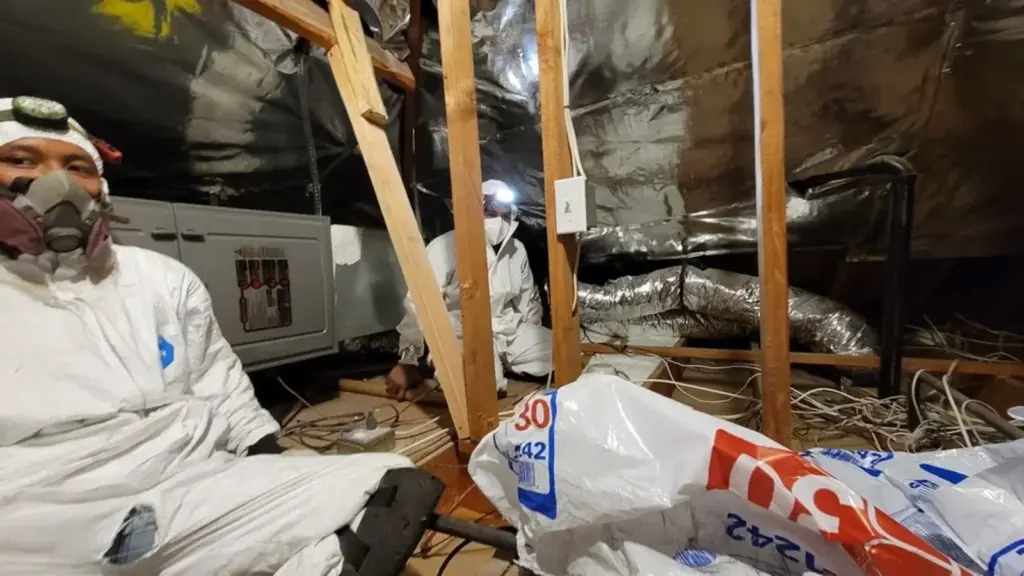
What to Expect During Attic Insulation Removal in Los Angeles
Most Los Angeles homeowners think about adding insulation, not pulling it out. But old, damaged, or contaminated insulation can quietly drain your HVAC system and create conditions you really don’t want living above your ceiling. This guide walks you through the entire removal process, from the first inspection to the final air seal, so you know exactly what a professional crew should be doing and why every step matters.
Why Removal Comes Before New Insulation Installation
Old Insulation Can Hide Bigger Problems
Blown-in fiberglass or cellulose that’s been sitting in an LA attic for 20-plus years doesn’t just lose R-value over time. It can also conceal rodent activity, moisture intrusion from roof leaks, and deteriorated air ducts. Installing new insulation on top of compromised material is like painting over rust: the surface looks fresh, but the underlying issue keeps spreading. Removing the old layer first gives a contractor a clear view of the attic deck, rafters, and any ductwork running through the space.
Los Angeles Conditions Accelerate Deterioration
Southern California’s climate is mild compared to the rest of the country, but attics in the LA basin face their own stress. Summer attic temperatures can climb well past 140°F, which degrades batt insulation faster than in cooler climates. Coastal humidity from the marine layer, combined with heat cycles, creates conditions where settled cellulose can trap moisture and lose density. If your home is near the foothills, wildfire smoke and ash infiltration over multiple fire seasons can also contaminate loose-fill material. These are LA-specific realities that make periodic inspection and, when necessary, full removal worth scheduling.
When Removal Is Actually Required
Not every attic needs a full tear-out. A reputable attic insulation contractor will tell you honestly when a top-up is sufficient. Removal is typically the right call when:
- Rodents have nested in or contaminated the existing material with droppings or urine
- There is visible mold growth or persistent moisture damage
- The insulation has been flattened to less than half its original depth and has lost effective R-value
- Asbestos-containing material is suspected (homes built before the mid-1980s)
- A full air-sealing upgrade is planned, which requires access to the attic floor
The Step-by-Step Removal Process
Step 1: Pre-Job Inspection and Hazard Assessment
Before any material comes out, a qualified crew does a thorough inspection. This means checking the insulation type (fiberglass batts, blown cellulose, blown fiberglass, or older vermiculite), looking for signs of rodent activity, assessing duct condition, and identifying any electrical hazards. In Los Angeles, homes built before 1979 may contain vermiculite insulation that could include asbestos. If there’s any suspicion of asbestos-containing material, a sample is collected and sent to a certified lab before the job proceeds. No legitimate attic insulation service skips this step.
Step 2: Sealing Off the Work Area
The attic hatch and any connected living spaces get sealed with plastic sheeting before work begins. This keeps fine particulates, allergens, and any contaminants from migrating into bedrooms, hallways, or your HVAC return air system. The crew will also set up a negative-pressure vacuum system, which pulls air out of the attic space and into a HEPA-filtered collection unit rather than letting disturbed particles circulate through your home.
Step 3: HEPA Vacuum Extraction
Industrial HEPA vacuum equipment is the standard tool for removing blown-in insulation. Long flexible hoses run from a truck-mounted or trailer-mounted unit up into the attic, and technicians work methodically across the attic floor, vacuuming up loose-fill material into sealed collection bags or a contained drum. For batt insulation, technicians manually bag the material before it gets transferred out. A properly sized crew can clear a typical LA single-story attic in a few hours, though larger homes or heavily contaminated spaces take longer.
Step 4: Rodent Dropping and Debris Cleanup
If rodent activity was found during inspection, the cleanup goes beyond just removing insulation. Droppings, nesting material, and any carcasses are removed and bagged separately. The attic deck and framing surfaces are then treated with an enzymatic disinfectant to break down biological contaminants. This step is not optional when rodent evidence is present. Skipping it and installing fresh insulation on top of contaminated surfaces just encapsulates the problem rather than solving it. LA Attic Pro treats this as a required part of the process, not an upsell.
Step 5: Air Sealing the Attic Floor
This is the step most homeowners don’t know about, and it’s one of the most important. Before new insulation goes in, all penetrations in the attic floor, such as gaps around recessed light cans, plumbing chases, electrical boxes, and top plates, get sealed with fire-rated caulk or spray foam. These gaps are the primary pathway for conditioned air to escape your living space into the attic. In older Los Angeles homes, these penetrations can be substantial. Air sealing after removal and before re-insulation is what separates a genuine energy upgrade from simply replacing one layer of material with another.
Step 6: Attic Deck Inspection and Repairs
With the attic floor clear and clean, the contractor can now inspect the wood decking, rafters, and any ductwork. Soft spots, rot, or pest damage to the framing get noted. Duct connections are checked for gaps or disconnects. If the home has aging flex duct running through the attic, this is the logical time to address repairs or replacement before new insulation covers everything back up. Handling duct issues now avoids tearing out fresh insulation later.
What Happens to the Removed Material
Disposal Requirements in Los Angeles County
Old insulation isn’t something you can toss in a standard recycling bin. In Los Angeles County, disposal requirements depend on the material type and whether contamination is present. Standard fiberglass or cellulose goes to a licensed construction and demolition waste facility. Rodent-contaminated material is treated as biohazardous waste and requires separate handling. Any material confirmed to contain asbestos must go to a state-licensed hazardous waste disposal site, and the removal itself must be performed by a California-licensed asbestos abatement contractor. Your attic insulation contractor should pull the appropriate permits and handle all disposal logistics, not leave bags on your curb.
Documentation You Should Receive
After the job, ask for a written record of what was removed, how much material was extracted (measured in bags or cubic feet), and where it was disposed. If asbestos testing was done, you should receive a copy of the lab report. This documentation matters if you ever sell the home, file an insurance claim, or need to demonstrate that remediation was performed to code.
Insulation Removal vs. Insulation Top-Up: A Quick Comparison
| Factor | Full Removal + Reinstall | Top-Up Only |
|---|---|---|
| Rodent contamination present | Required | Not appropriate |
| Mold or moisture damage | Required | Not appropriate |
| Existing R-value still adequate | Not necessary | Suitable option |
| Air sealing upgrade planned | Required for access | Cannot be done properly |
| Suspected asbestos material | Required (licensed abatement) | Not appropriate |
| Insulation simply thinned over time | Optional | Often sufficient |
What the New Insulation Installation Phase Looks Like
Choosing the Right Material for an LA Attic
Once the attic is clean, sealed, and inspected, the installation phase begins. For most Los Angeles homes, blown-in fiberglass or blown-in cellulose are the most practical choices for attic floors because they fill irregular joist bays completely and reach the R-38 to R-60 range recommended for Southern California’s climate zone. Fiberglass batts work well in accessible spaces and around obstructions. The right choice depends on your attic geometry, existing duct layout, and budget, and a good attic insulation contractor will walk you through the tradeoffs rather than defaulting to whatever material is easiest to install.
The Installation Itself
Blown-in insulation installs quickly once the prep work is done. The crew uses the same type of flexible hose system used for extraction, this time blowing material in rather than pulling it out. Technicians work from the far end of the attic toward the hatch, maintaining a consistent depth measured against depth gauges placed across the attic floor. Batt installation takes longer and requires careful fitting around joists, blocking, and any obstructions. Either way, a good crew leaves the attic clean, with the hatch area accessible and the material at a uniform, measured depth.
Post-Installation Verification
Before the crew leaves, the depth and coverage should be verified. Ask for a written completion report that includes the material type, installed R-value, and coverage area. If the contractor used blown-in material, California Title 24 energy code requires that an installed insulation certificate be left in the attic. This small card documents the material, coverage, and R-value, and it’s a standard requirement your contractor should handle automatically.
How to Prepare Your Home the Day of Service
Access and Clearance
The crew needs clear access to the attic hatch, which is usually in a hallway, closet, or garage. Move anything stored directly under the hatch opening. If the hatch is in a closet, clear the closet floor so technicians can set up their ladder safely. The vacuum hose and equipment lines will run from a truck or trailer parked outside, so let the crew know if there are any gate codes, narrow driveways, or parking restrictions near your home. In dense LA neighborhoods, this kind of coordination upfront saves everyone time.
Pets, Children, and Sensitive Household Members
During active removal, fine particulates are present even with proper containment. It’s a good idea to keep pets and children out of the home or in a separate wing away from the work area for the duration of the extraction phase. People with respiratory sensitivities may want to step out during that portion of the job. Once removal is complete and the containment sheeting comes down, the home is safe to occupy normally.
What to Ask Your Contractor Before Work Starts
A few questions worth asking before any crew enters your attic:
- Are you licensed and insured in California, and can I see your contractor’s license number?
- Will you test for asbestos if the home was built before 1980?
- What disposal method do you use for contaminated material?
- Does your quote include air sealing, or is that a separate line item?
- What R-value will the new insulation reach, and how will you verify it?
- Will I receive a Title 24 insulation certificate after installation?
Signs You May Be Overdue for an Attic Inspection in Los Angeles
Energy Bills That Don’t Match Your Usage
If your cooling costs have crept up noticeably over the past few summers without a change in your habits, degraded attic insulation is one of the first places to look. A poorly insulated attic in Los Angeles forces your air conditioner to work harder through the hottest months, and the difference in monthly energy use can be significant. An inspection will tell you quickly whether the insulation is still performing or has settled and thinned beyond its useful range.
Evidence of Rodent Activity
Scratching sounds in the ceiling, droppings near the attic hatch, or a persistent musty odor from ceiling vents are all signs that rodents may have moved into your insulation. This is common in the foothill communities and older neighborhoods across LA County. Once rodents nest in blown-in material, the insulation is effectively contaminated and should come out. LA Attic Pro also offers rodent proofing services that address entry points at the same time as the insulation work, so the problem doesn’t simply recur after new material is installed.
The Insulation Is Simply Old
If your home has original insulation from the 1970s or 1980s and has never been updated, it has almost certainly lost a significant portion of its original R-value through compression and settling. Even without contamination, material that old may no longer meet current California energy code minimums. An inspection costs you nothing but a conversation, and it gives you a clear picture of what you’re actually working with up there.
Frequently Asked Questions
How long does attic insulation removal take for a typical LA home?
Most single-story homes in the 1,500 to 2,500 square foot range take between two and five hours for the extraction phase alone. Larger homes, heavily contaminated attics, or spaces with complex duct systems take longer. The full job including cleanup, air sealing, and new insulation installation is usually completed in one day for average-sized homes.
Do I need a permit for insulation removal and reinstallation in Los Angeles?
Permit requirements vary by municipality within LA County. Some cities require a permit for insulation work; others do not. If asbestos abatement is involved, separate permits and licensed contractors are required under California law. Your contractor should know the local requirements for your specific city and pull any necessary permits before work begins. When in doubt, check with your local building department.
Can I stay home during the removal process?
Yes, in most cases. The work area is contained, and the crew operates primarily in the attic. However, people with respiratory sensitivities may be more comfortable stepping out during the active extraction phase. Once the vacuum equipment stops and the containment comes down, normal activity in the home resumes.
What if asbestos is found in my attic insulation?
If lab testing confirms asbestos-containing material, the removal must be handled by a California-licensed asbestos abatement contractor, not a standard insulation crew. Work stops until a licensed abatement company is brought in. This is a legal requirement, not a suggestion. A reputable insulation contractor will pause the job and connect you with the appropriate licensed party rather than proceeding without proper certification.
How soon after removal can new insulation be installed?
In most cases, the same day. Once the attic is clean, the air sealing is complete, and any repairs to the deck or ductwork are addressed, the installation crew can begin immediately. If asbestos abatement was required, there may be a waiting period for post-abatement clearance testing before re-insulation can proceed.
What R-value should new attic insulation reach in Los Angeles?
California’s Title 24 energy code and the Department of Energy both recommend R-38 to R-60 for attic floors in Southern California’s climate zones. The right target depends on your specific climate zone, existing conditions, and whether you’re doing a prescriptive or performance-based energy calculation. Your contractor should reference the applicable code requirements for your address rather than a one-size-fits-all number.
Conclusion
Attic insulation removal is a methodical process when it’s done right: thorough inspection, proper containment, HEPA extraction, biological cleanup if needed, air sealing, and verified reinstallation. Every step serves a purpose, and skipping any of them compromises the result. If your Los Angeles home has aging, contaminated, or damaged insulation, the best next move is a professional assessment from a crew that handles the full scope of the work. Ready to find out what’s actually happening in your attic? Schedule your attic insulation inspection with LA Attic Pro and get a clear, honest evaluation before committing to any work.