
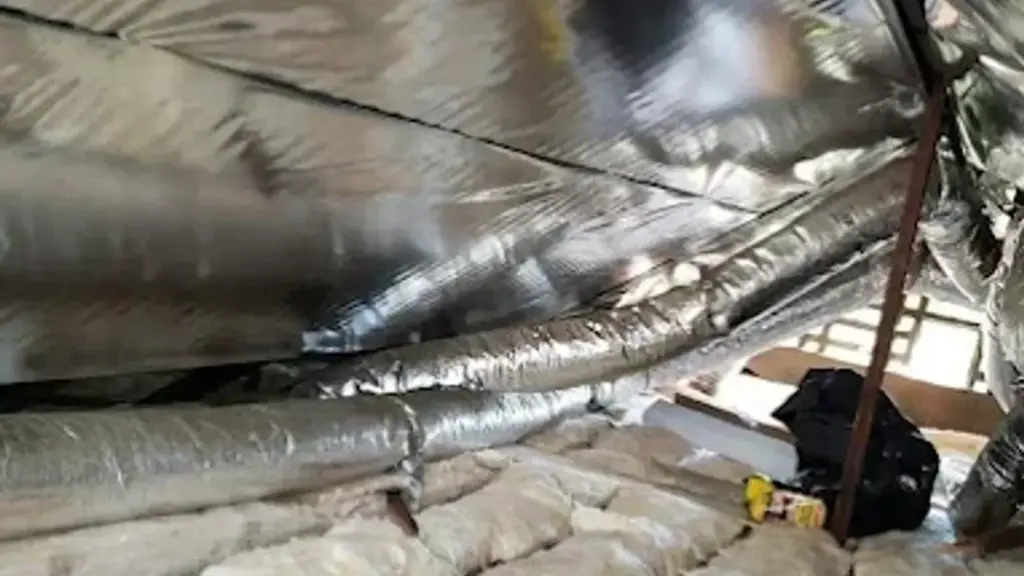
Evaluating Camarillo Attic Insulation Performance: How Summer Heat and Winter Coastal Drafts Impact Indoor Comfort
Camarillo homeowners experience a unique microclimate. Nestled in the Pleasant Valley, our homes endure intense inland summer heat while remaining vulnerable to chilly, damp coastal winds pushing in from the Pacific Ocean after sunset. While we often blame our heating and cooling systems when indoor temperatures fluctuate, the real culprit is usually hiding right above our heads. A high-performing attic insulation service camarillo acts as the primary barrier against these temperature swings, keeping your living spaces comfortable and your utility bills manageable throughout the year.
The Shocking Truth About Attic Temperatures in Pleasant Valley
The Greenhouse Effect in Your Attic Space
During a typical summer afternoon in Camarillo, the outdoor temperature might hover around a pleasant eighty-five degrees. However, solar radiation beats down relentlessly on your roof shingles. This radiant energy transfers directly into your attic, creating a greenhouse effect. Without proper resistance, attic temperatures can easily soar past one hundred and thirty degrees. This trapped heat radiates downward through your ceiling drywall, forcing your air conditioning unit to run continuously to maintain a cool indoor environment.
How Coastal Drafts Penetrate the Thermal Envelope
Conversely, winter evenings bring cool, damp coastal air sweeping through Ventura County. As the temperature drops, warm air inside your home naturally rises toward the ceiling. If your ceiling lacks a proper thermal barrier, that costly heat escapes rapidly into the cold attic space. This process, known as convective looping, draws cold drafty air from the coastal breeze into your living areas through tiny gaps around light fixtures, electrical outlets, and attic hatches.
The Real Cost of Thermal Bridging
Thermal bridging occurs when heat bypasses your insulation by traveling through highly conductive building materials, such as the wood framing joists in your attic. When wood joists are left exposed due to shallow or settled insulation, they act as conduits for heat transfer. LA Attic Pro specialists frequently observe homes in Camarillo where the insulation level has settled below the joist tops, leaving these thermal bridges wide open to drain energy from the home year-round.
Why Your Current Insulation Might Be Failing the Camarillo Climate
The Natural Settling of Loose-Fill Materials
Many older homes in Camarillo were built using loose-fill fiberglass or cellulose. Over the decades, these materials naturally settle and pack down due to gravity, humidity, and minor vibration from household activity. As the material loses its loft, it loses its ability to trap air pockets, which is how insulation resists heat flow. What once was an adequate thermal barrier can easily degrade to half its original effectiveness, leaving your home unprotected.
Rodent Intrusion and Thermal Degradation
The agricultural areas surrounding our city mean that local mice, rats, and squirrels are constantly searching for shelter, especially when agricultural fields are harvested or seasonal weather shifts. Attics provide the perfect warm, dry nesting ground. Rodents chew through batts, dig tunnels through loose-fill material, and compress large sections of insulation. Beyond the obvious sanitary concerns, this nesting activity destroys the thermal integrity of your attic space, creating massive cold and hot spots above your ceilings.
The Hidden Danger of Attic Moisture and Humidity
Our proximity to the ocean means Camarillo experiences high relative humidity, particularly during morning marine layers. If your attic lacks balanced ventilation or has air leaks from the living space below, moisture can accumulate within the insulation material. Wet insulation cannot hold heat. Damp fiberglass or cellulose loses its thermal resistance, and over time, persistent moisture can lead to wood rot in your roof trusses and rafters.
R-Value Demystified: What Ventura County Homes Actually Need
Understanding thermal resistance ratings
R-value measures a material’s resistance to heat flow. The higher the R-value, the greater the insulating power. Different materials require different thicknesses to achieve the same R-value. For instance, achieving a high R-value with fiberglass batts requires a much thicker layer than achieving it with closed-cell spray foam. When hiring an attic insulation contractor camarillo, it is vital to discuss the target R-value rather than just the depth of the material in inches.
California Title 24 Requirements for Our Zone
Under California’s Title 24 building energy efficiency standards, Camarillo falls into Climate Zone 6. This zone carries specific requirements for residential insulation projects. For new construction and major alterations, the state recommends insulating attics to at least R-38, though upgrading to R-49 or R-60 provides superior comfort and energy savings in areas subject to both hot valleys and coastal drafts. Our team ensures that every attic insulation installation camarillo meets or exceeds these stringent local energy codes.
Material Options and Their Respective R-Values Per Inch
To help you understand your options, let us look at how common insulation materials compare in thermal resistance and performance characteristics:
| Insulation Material Type | Average R-Value per Inch | Best Suited For | Key Advantage in Camarillo |
|---|---|---|---|
| Fiberglass Batts | 3.1, 3.8 | Standard joist spacing, unobstructed attics | Cost-effective thermal barrier, non-combustible |
| Blown-In Fiberglass | 2.2, 2.9 | Hard-to-reach corners, filling irregular gaps | Excellent coverage around framing and pipes |
| Blown-In Cellulose | 3.2, 3.8 | Existing attics needing top-offs | Dense structure resists airflow and nesting pests |
| Mineral Wool Batts | 3.0, 3.3 | High-humidity areas, sound dampening | Highly water-resistant, deters pests and mold |
The Multi-Step Attic Upgrade Process for Lasting Comfort
Step 1: Thorough Inspection and Old Material Removal
A successful project always begins with a detailed evaluation. Technicians inspect the attic for water damage, active rodent infestations, and structural issues. If the existing attic insulation camarillo is contaminated by pest waste, damaged by mold, or severely deteriorated, it must be carefully extracted. Using high-powered vacuum systems stationed outside the home, the old material is removed through sealed hoses, ensuring no dust or contaminants escape into your clean living spaces.
Step 2: Precision Air Sealing of the Attic Floor
Simply laying down new insulation over an unsealed ceiling is a major mistake. Air leaks let drafts bypass the material entirely. Technicians meticulously seal all penetrations through the attic floor. This includes sealing around recessed canister lights, plumbing stacks, electrical wiring runs, and chimney chases using expanding polyurethane foam or fire-rated caulk. This critical step isolates your indoor air from the attic air space.
Step 3: Correct Ventilation and Baffle Installation
An attic must breathe to stay dry and cool. Before installing the new material, technicians install rafter vents, also known as insulation baffles, at the soffits. These baffles ensure that the newly installed fiberglass or cellulose does not block the intake vents at your eaves. This guarantees a continuous, passive pathway for fresh air to enter the lower attic and exit through ridge vents, keeping the entire roof assembly cool and dry.
Financial and Environmental Benefits of Modern Attic Upgrades
Decreasing Your Dependency on Heating and Cooling Systems
By establishing a robust thermal boundary, your home retains its conditioned air far longer. Your air conditioner won’t have to cycle on every few minutes during a hot September afternoon, and your furnace can rest easy during chilly January coastal mornings. This reduced workload directly translates to lower monthly electricity and gas bills, allowing you to recoup your home improvement investment over time.
Extending the Lifespan of Your HVAC Equipment
HVAC systems are major financial investments. When your attic is poorly insulated, your heat pump or air conditioner works overtime to counteract the heat transfer through the ceiling. This constant operation accelerates wear and tear on sensitive components like compressors, blower motors, and heat exchangers. Proper insulation drastically reduces system runtimes, saving you from premature, expensive HVAC repairs and replacements.
Enhancing Indoor Air Quality and Reducing Dust
A poorly sealed attic acts as a funnel for dust, insulation fibers, and outdoor pollen to enter your living areas. As air rises and escapes through your ceiling, it pulls outdoor air into the lower levels of your home, bringing dust and allergens with it. By air-sealing the attic floor and upgrading the thermal barrier, you stop this draft cycle, which can help keep your home cleaner and reduce the amount of airborne dust circulating through your rooms.
Frequently Asked Questions
How do I know if my Camarillo attic needs new insulation?
If you notice uneven temperatures between rooms, feel cold drafts during winter evenings, or find that your air conditioner runs non-stop on warm days, your insulation may be failing. A visual inspection showing exposed ceiling joists or compressed, dirty material is another strong indicator that it is time for an upgrade.
Can I just lay new insulation over the old material?
In some cases, you can add a new layer over existing clean insulation to boost your R-value. However, if the old material is damp, compressed, moldy, or contaminated by rodents, it must be completely removed first. Adding new material over damaged insulation traps moisture and odors, degrading the performance of the new layer.
How long does the insulation installation process take?
For a typical home in Camarillo, a professional crew can complete the removal, air sealing, and new installation process within one to two days. The exact timeframe depends on the size of your attic, accessibility, and whether old material needs to be extracted before the new installation begins.
Will upgrading my attic insulation help reduce outside noise?
Yes, dense insulation materials such as cellulose and mineral wool possess excellent sound-dampening qualities. Upgrading your thermal barrier can noticeably reduce the transmission of outdoor sounds, such as traffic, wind, and low-flying aircraft, creating a quieter and more peaceful indoor environment.
Take Control of Your Indoor Comfort Today
Do not let coastal drafts and blazing valley heat dictate your home’s comfort levels. If you want to lower your energy bills and create a more consistent, cozy living environment, schedule your attic insulation inspection today with our local experts at LA Attic Pro.