
Keeping rodents out of a Los Angeles property is not a one-time victory; it is a rhythm you build into how the home is cared for. After the initial round of sealing and sanitizing, the question becomes: how do you maintain those results through heat waves, winter rains, Santa Ana winds, and the steady pace of renovations that define life here? When I talk to homeowners in neighborhoods from Highland Park to Mar Vista, I explain that the maintenance phase is where small, steady habits complement the professional work. And right at the start, it helps to ground that plan in what comprehensive rodent proofing actually accomplished—every gap closed, every vent screened, every pathway eliminated—so you know exactly what you are preserving.
Los Angeles homes are living, breathing structures. They expand under the summer sun, contract on cool nights, and flex with minor seismic activity. That movement is normal, but it can cause micro-shifts around penetrations and joins. A bead of sealant that was flush in June might pull back just enough by December to invite a small visitor. Maintenance is about staying ahead of those tiny openings. It’s also about recognizing that the exterior of a property is part of the proofing system. A perfectly sealed attic can be undermined by a messy side yard, a loose trash lid, or a vine that climbs to the eave and creates a hidden runway.
Set a Seasonal Rhythm That Fits LA
In spring, the garden surges and rodents become more active as days lengthen. That’s a perfect time for a quick perimeter check, especially after rains. In summer, heat makes shady, vented spaces attractive; a well-screened gable or a properly sealed roof penetration becomes even more valuable. Fall brings fruit drops and Santa Ana winds, which test the resilience of screens and seals. Winter’s cooler nights nudge rodents to seek warmth and shelter. Building a simple seasonal checklist around these patterns keeps you aligned with the city’s natural rhythm.
Your list doesn’t need to be complicated. Look for daylight under doors and along thresholds. Inspect the base of your garage door—pads wear and sweep edges curl. Walk your fence line and trim back branches that touch the roof. Check garden storage and sheds, which can become staging points. Take a slow lap around the property at dusk when shadows make gaps easier to see. Small observations made regularly are the backbone of long-term success.
Landscape, Storage, and Everyday Habits
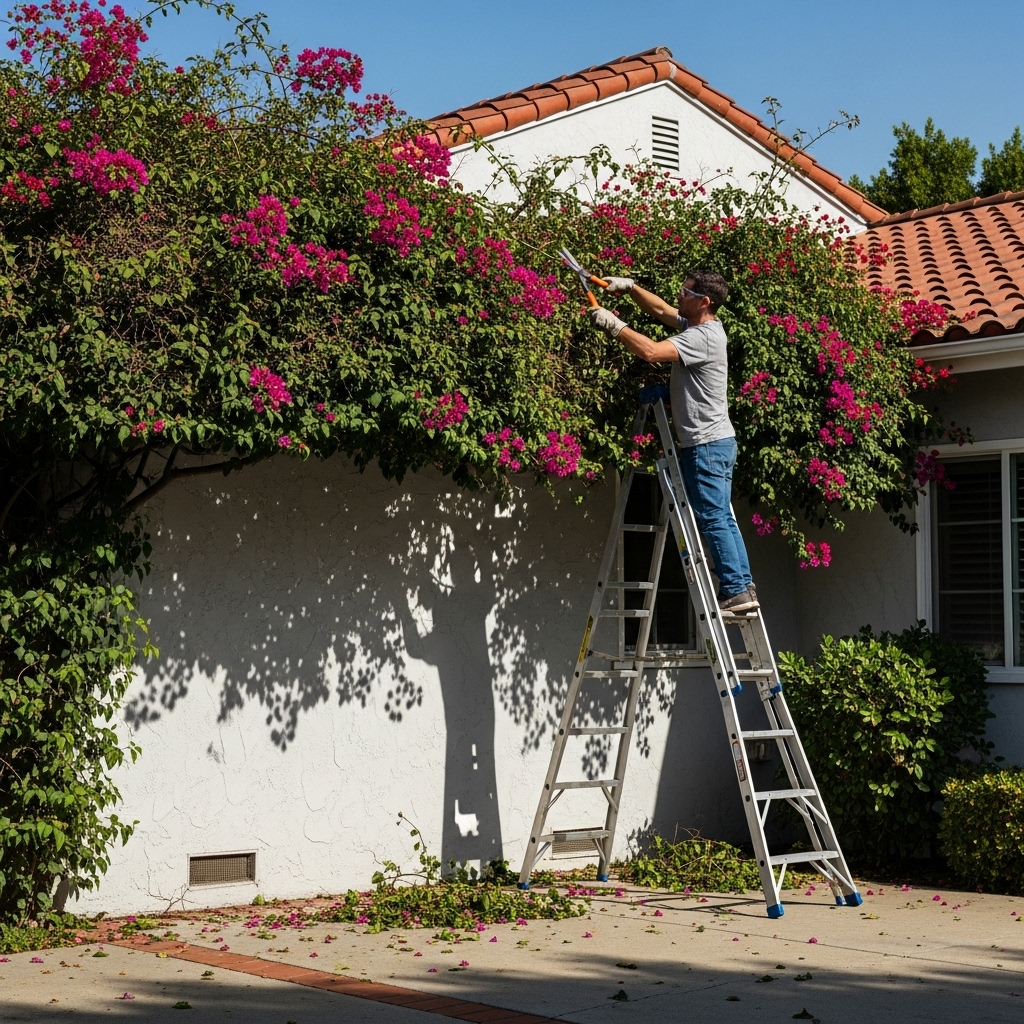
LA yards are often lush, even when drought-tolerant. Dense bougainvillea, ivy, and jade plants can hide activity at the foundation. Keep green growth from touching the structure and lift planters off the ground a bit to break cover. If you compost, use a sealed unit and keep it back from the house. Pick fruit promptly, especially figs and citrus that fall often in our neighborhoods. Store birdseed and pet food in sturdy containers, and bring the pet’s dish inside overnight. These are simple, sustainable practices that reduce the incentive for rodents to linger on your property.
Garages deserve special attention. They are utility spaces, and the gaps around a garage door are often the most dynamic in the home. Replace tired sweeps and seals, especially on doors that see daily use. Keep cardboard off the floor—rodents love it for nesting. Use plastic bins with tight lids rather than soft bags for storage. A tidy garage is not just satisfying; it makes inspection easier and limits hiding spots. When you can see the floor along the edges, you can spot droppings or gnaw marks early and address them quickly.
Post-Project Proofing Checks
Los Angeles is a city of projects. New roofs, solar arrays, mini-splits, EV chargers—each improvement adds both value and penetrations. After a contractor finishes, walk the area and look closely at the sealing. If an HVAC line set enters the wall, confirm the gap is filled with the right combination of backer, sealant, and, where appropriate, metal or mesh. Cable and internet lines, especially, tend to get quick, temporary seals that fail a few months later. A five-minute check saves months of trouble. If you are unsure, call the pro who completed your original proofing and have them inspect that new work.
It’s also wise to schedule a routine follow-up. A quick visit every six to twelve months reinforces what has been done and catches any wear before it matters. In multifamily settings, this cadence is even more important because adjacent units can change habits suddenly—new tenants, different trash routines, or a renovation two doors down can shift the local ecosystem without warning.
Attics, Crawlspaces, and the Quiet Zones
Some of the most important maintenance happens where you rarely go. In the attic, look for disturbed insulation, unusual debris, or staining around vent openings. If you have a crawlspace, peek at the vapor barrier and air ducts. Even a small tear can create a surprising amount of airflow that carries smells upward into living areas, signaling that an access point has opened. Use a flashlight and take your time; it’s the details that tell the story.
Ventilation is essential in our climate, and good proofing respects airflow while blocking intrusion. Screens should be secure, taut, and made of materials that stand up to chewing pressure. If you notice rust or corrosion near the coast, upgrade to stainless where necessary. In hot Valley neighborhoods, confirm that plastic caps and covers haven’t warped in the heat. Maintenance is less about constant work and more about thoughtful observation and timely tune-ups.
Sanitation and Scent Trails
Rodents navigate by scent. Even after exclusion, residual odors can draw newcomers to test old routes. Thorough cleanup after initial proofing—HEPA vacuuming where needed, insulation replacement if it was contaminated, and targeted sanitation—removes those lures. Over time, normal household cleaning keeps surfaces neutral. Outdoors, hose down areas near bins and around the side yard where trash is staged. Wash recycling containers periodically. These small actions break the invisible breadcrumbs that encourage repeat visits.
Inside, store grains and treats in sealed containers and keep pet feeding on a schedule. Kitchens do not need to be spotless, but they should be uninteresting to a foraging visitor. The goal is to raise the level of effort a rodent must invest to find anything at all. When the house provides no food, water, or cozy access, the exterior becomes a pass-through rather than a destination.
Working With Pros Over the Long Term
Good partnerships matter. The crew that sealed your home knows where its vulnerabilities were and how they were addressed. They can return with fresh eyes, spot weathering, and add reinforcements where needed. Many homeowners appreciate a midyear visual check and a deeper annual review, especially before or after the rainy season. This cadence keeps you off the ladder and your focus where it belongs—enjoying your home rather than inspecting it constantly. If you ever wonder whether you should escalate a concern, err on the side of a quick call to discuss what you are seeing.
For those considering additional improvements, like insulation upgrades or duct sealing, coordinate with your proofing plan. One of the most efficient times to address both is during the same visit. While you do not need to bundle everything, combining efforts can make access easier and reduce cumulative disruption. If you are comparing service options, it helps to revisit what best-in-class rodent proofing looks like so any new work aligns with the existing integrity of your home.
Signals That Maintenance Is Needed Now
A faint scratching sound at night, a single dropping in the garage, or a musty smell around the attic hatch is worth attention. None of these confirm a full intrusion, but they are the whispers that precede louder complaints. Early intervention is almost always faster and calmer than waiting. Keep notes on what you observe and when. Patterns help pros diagnose more efficiently, and clarity saves you time and repeat visits.
Neighbors can also be valuable allies. If a nearby home is undergoing major work or a new restaurant has opened around the corner, you might experience temporary upticks in rodent pressure. Communicate with your block, coordinate trash habits, and share tips on sealing common alley access points. Community-level consistency elevates the results for everyone.
FAQ: Maintaining Results in Los Angeles
Q: How often should I schedule professional follow-ups?
A: Most single-family homes do well with an annual review and a quick visual check midyear, timed around the rainy season or after major winds. Multifamily properties or homes near dense commercial corridors benefit from a slightly tighter cadence.
Q: What if I remodel after proofing?
A: Plan a post-project inspection. Penetrations for electrical, plumbing, HVAC, and data lines can create new openings. It is easier to seal right away than to backtrack later.
Q: Are exterior baits or poisons necessary to maintain results?
A: Effective maintenance focuses on exclusion, sanitation, and habit changes. Where trapping is used, it is targeted and safe. Broad poison strategies can create unintended risks and are not a substitute for strong physical barriers.
Q: How do fruit trees affect maintenance?
A: Fruit is a major attractant. Pick fallen fruit promptly and consider netting or timed harvests. Keep trees trimmed back from the roofline to prevent aerial access.
Q: What are the most overlooked areas during maintenance?
A: Garage door sweeps, attic gable screens, weep screeds along stucco, and holes around old cable lines are frequent culprits. Also check where irrigation lines and hose bibs penetrate walls.
Q: Can I handle maintenance myself?
A: Many tasks are homeowner-friendly: observing, trimming, tidying, and re-sealing tiny gaps. For roofline work, crawlspace checks, and material upgrades, partnering with pros is safer and more effective.
If you want your home to stay crisp, quiet, and secure through every LA season, keep the momentum going with mindful habits and timely check-ins. When it is time to reinforce your defenses—or if you simply want a second set of practiced eyes—reach out and explore how professional rodent proofing support can keep your property protected year after year.