
The problems Angelenos find—and how sanitation solves them
Los Angeles homeowners are accustomed to surprises in the hidden parts of their houses. Maybe it’s the moment you open the attic hatch and feel a gust of warm, dusty air, or the time you crawl under the house to retrieve a dropped tool and spot something that doesn’t belong. In a city where Spanish Revival eaves meet modern skylights and lush gardens run right up to stucco walls, the conditions are perfect for occasional rodent incursions. That’s when rodent sanitation becomes the pivot from discovery to resolution: a thorough reset that erases contamination, neutralizes odor, and prepares the home for clean living and lasting prevention.
Below are the issues we encounter most often across L.A.—from the Westside to the Valley—and how targeted sanitation addresses them with minimal disruption and maximum impact.
Contaminated insulation in attics
Roof rats love to nest in attic insulation, especially where HVAC ducts provide sheltered routes. Over time, droppings and urine compress and foul the insulation, undermining its thermal performance and broadcasting odors through tiny air leaks into living spaces. Sanitation solves this by removing contaminated insulation, HEPA vacuuming the deck, disinfecting contact areas, and installing fresh insulation at the proper R-value for our climate. Homeowners usually notice immediate improvements in odor and temperature consistency.
Attics in coastal neighborhoods may require special care due to corrosion on old screens or vents; in the Valley, extreme heat makes odor more noticeable and accelerates material breakdown. Both scenarios benefit from a careful, methodical sanitation followed by improved screening and ventilation.
Odor that lingers after control
One of the most frustrating experiences is when trapping or exclusion resolves active activity but the home still carries a faint, musky scent. That odor is anchored in porous materials—wood framing, insulation, dust. Without sanitation, it lingers, particularly during warm afternoons when attic air expands and pushes into the home. The fix is to remove the reservoir of odor and neutralize what remains on the structure, often with targeted treatments that respect the home’s materials and ventilation patterns.
After sanitation, doors and windows can be opened during cool evenings to accelerate air exchange, allowing the home to return to a neutral baseline within days.
Ductwork dust and utility chases
Ducts themselves are usually sealed systems, but dust on the exterior of ducts and within utility chases can trap odors and contaminants. In older homes, gaps around duct penetrations create small eddies where dust collects and scent markers persist. Sanitation includes careful cleaning around those penetrations and, when appropriate, minor sealing to stop air movement that carries dust into living areas. The result is a cleaner mechanical core and fewer mysterious odors near registers and returns.
Because many Los Angeles homes have undergone incremental upgrades over decades, technicians are attentive to transitions between old and new systems—places where the air moves unpredictably and where residues can hide.
Crawlspace surprises
Raised foundations are common in older parts of the city. Crawlspaces can collect windblown debris, pet food that skitters away during backyard meals, and even fruit rinds from those wonderful citrus and avocado trees. Rodent activity in these spaces often goes unnoticed until odors or noises call attention to them. Sanitation removes debris, droppings, and nesting materials, then addresses access points along the perimeter with modern screening. The improvement in smell alone can be remarkable, especially near floor vents and in rooms above the crawlspace.
For homeowners planning renovations, a crawlspace sanitation before work begins prevents old contamination from being shaken loose during construction and migrating into living areas.
Garage storage and side yards
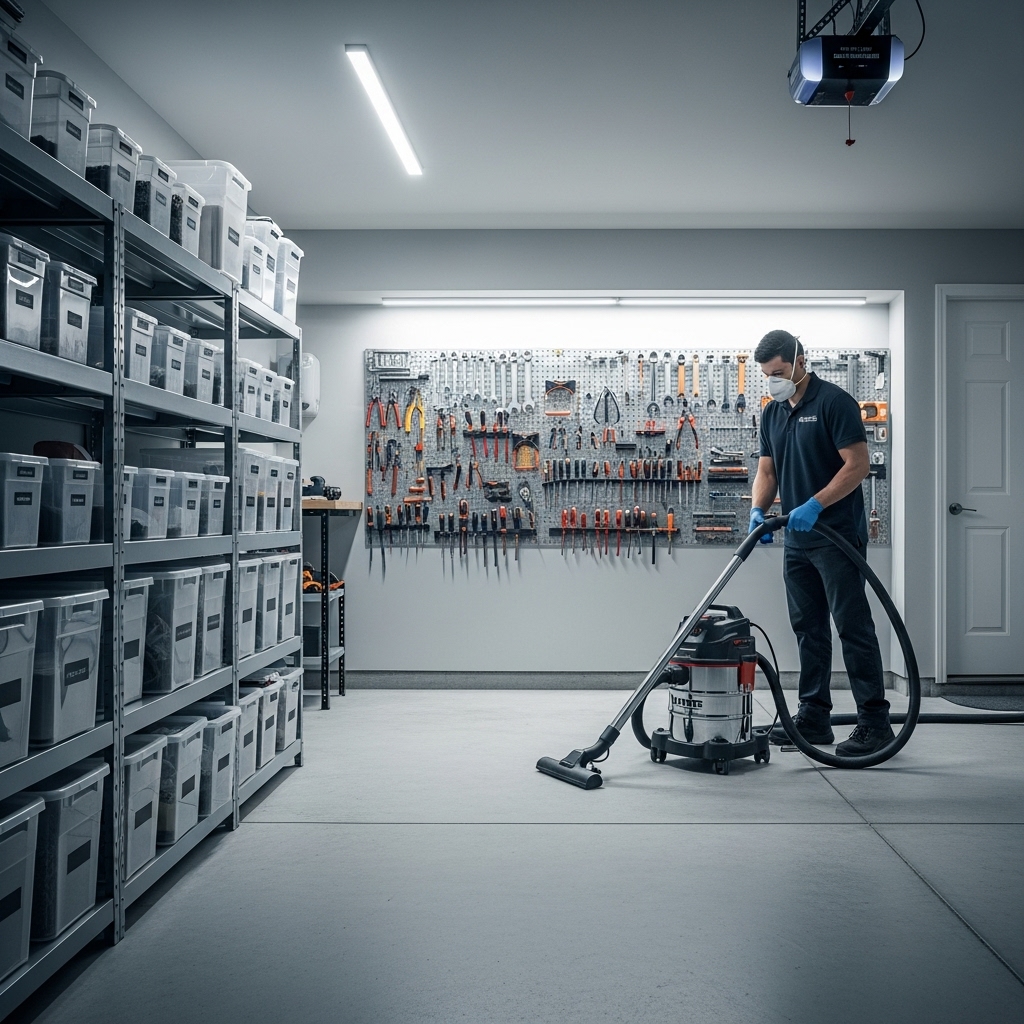
Garages and side yards are where daily life happens—sports gear, tools, garden supplies, and pantry overflow. Unfortunately, they also become staging areas for rodents if scents and food residues accumulate. Sanitation helps by cleaning shelves, corners, and utility nooks where droppings gather, then guiding homeowners toward simple, sustainable storage tweaks: sealing dry goods, elevating items off the floor, and rethinking birdseed or pet food placement.
This is one of the most gratifying parts of the work because the improvements are immediate and highly visible. Families often describe the space as “breathing” better, which is exactly the goal.
Fruit trees, ivy, and the outdoor-to-indoor connection
Our landscapes are a point of pride in Los Angeles, but they can also act as bridges. Fallen fruit becomes a food source; ivy and dense shrubs provide cover and passage. Sanitation inside the home pairs naturally with a few outdoor habits—regular fruit pickup, trimming vegetation away from the structure, and storing outdoor cushions and barbecue supplies in sealed bins. This combination reduces pressure at the house and keeps the newly sanitized interiors from carrying inviting signals to the outside world.
It’s not about eliminating the garden you love; it’s about tuning it so it supports the health of your home as much as your enjoyment of it.
Seasonal triggers and post-storm cleanups
After winter rains, crawlspaces can become humid, and rodents may shift nesting behavior. After heat waves, attic odors intensify. Sanitation keyed to these seasonal triggers catches contamination when it’s fresh and prevents layering that’s harder to remove. Homeowners who schedule a quick inspection during these windows tend to stay ahead of problems and enjoy steadier indoor air quality throughout the year.
Wildfire smoke years require special attention to ventilation during and after sanitation. Providers use filtration and plan for safe air exchange so treated spaces clear quickly without pulling in smoky air.
Coordination with exclusion and repairs
Sanitation is most effective when it’s the bridge between stopping activity and restoring the building envelope. Once entry points are sealed and control measures have done their job, the cleanup and neutralization phase ensures that the home no longer smells like a viable territory. From there, repairs and insulation reset complete the picture, turning short-term relief into long-term stability. This cadence—control, sanitize, restore—has become standard practice because it works.
Mid-project is often when homeowners really feel the tide turn. With contamination removed and odors fading, the house seems to exhale. That’s the impact of targeted rodent sanitation done with attention to detail and respect for how your home breathes.
Children, pets, and peace of mind
Families with kids and pets have specific concerns, and rightly so. Sanitation addresses them by removing materials that could transfer contamination and by using methods designed for occupied homes. Clear communication helps everyone feel comfortable—what rooms will be accessed, how pathways will be protected, and when spaces will be ready for regular use. Most families are surprised by how seamless the process can be when handled by a skilled, courteous team.
Afterward, the routines that keep everything steady are simple: sealed pantry goods, tidy trash areas, quick fruit pickup, and a seasonal peek in the attic or crawlspace during weekend chores.
Documentation that adds value
Before-and-after photos and concise service notes are more than paperwork; they’re proof of care. In a city with an active real estate market, that record can be valuable when it’s time to sell or refinance. Even if you’re staying put, knowing that the hidden parts of your home are clean and documented is deeply satisfying.
Some homeowners store these records with HVAC and roofing documents so the house’s systems tell a consistent story of maintenance and thoughtful upgrades.
Frequently asked questions
Q: How do I know if my attic insulation needs to be replaced?
A: If there’s widespread contamination, visible nesting, strong odor, or significant compression, replacement is usually recommended. An inspection with photos will clarify the extent and guide the right level of response.
Q: Can I do sanitation myself?
A: Light cleanup is possible, but attics and crawlspaces require protective gear, HEPA filtration, and safe disposal methods. Professional work is faster, safer, and more thorough, and it integrates with exclusion to prevent recurrence.
Q: Will I need to leave home during the process?
A: Most homeowners stay home. Teams stage equipment carefully, protect walkways, and communicate timing so daily routines can continue with minimal interruption.
Q: How long will odors last after sanitation?
A: Most odors drop sharply right away and continue to fade over several days as treated surfaces off-gas and fresh air circulates.
Q: What habits help maintain results?
A: Sealed food storage, tidy trash areas, exterior trimming, and seasonal check-ins. These simple steps pair perfectly with the reset accomplished by sanitation.
Take back the hidden spaces
If your Los Angeles home has shown signs of rodent activity—or if you’re ready to make sure it never does—there’s real power in a thorough reset. Restore clean air, quiet nights, and confidence in the places you rarely see but always rely on. When it’s time to reclaim your attic and crawlspace and build lasting prevention into your routine, schedule professional rodent sanitation and enjoy the peace of a home that feels truly yours again.