
Getting an accurate air duct replacement estimate in Los Angeles is less about a number and more about a process that reveals what your home actually needs. In a city where 1920s bungalows share streets with sleek new builds, a trustworthy estimate should feel like a map: it explains what will be replaced, what will be re-routed, how the return will be handled, and how the team will protect your home while they work. When you invite a professional into your attic or crawlspace, you’re asking them to interpret your house’s story—additions layered over decades, rooms that run hot or cool, and the subtle ways the building breathes. The right partner translates that story into a clear plan and a dependable schedule. If you’re at the starting line, one way to orient yourself is by learning what comprehensive air duct replacement estimating looks like in Los Angeles.
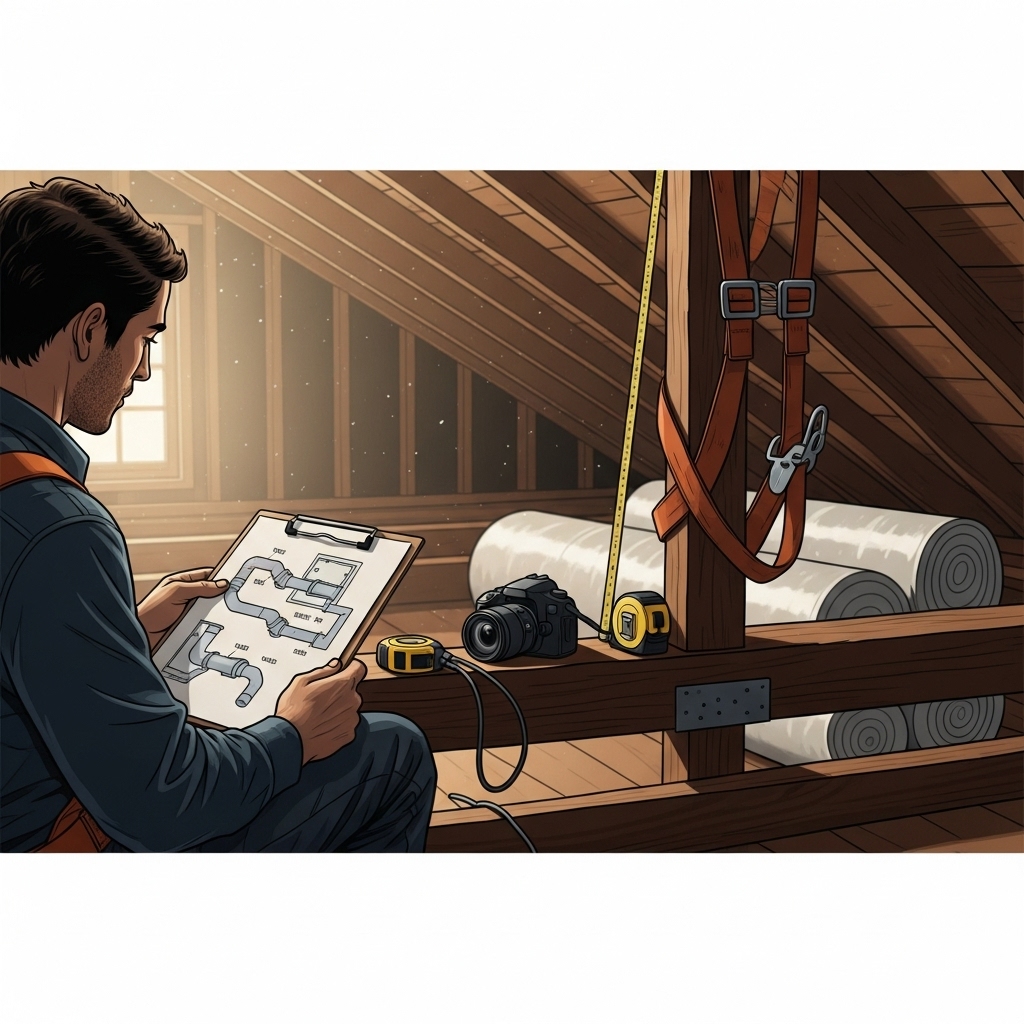
Unlike a quick quote over the phone, an accurate estimate comes from a deliberate site visit. It starts at the curb, where access and staging are considered, and continues through the front door with floor protection and a respectful walk-through. The pro listens to your concerns—dust, noise, uneven temperatures—then climbs into the attic or crawlspace to take measurements, trace duct paths, photograph constraints, and assess the state of plenums, boots, and returns. They note insulation levels, roof pitch, and any existing blockages or tight turns. Only after this work do they build an estimate that’s an honest reflection of your home.
What a thorough estimate includes
A good estimate lists components and actions in plain language. You’ll see line items that describe supply runs to be replaced or resized, return modifications, plenum repairs or replacement, boot and register updates, and any rigid sections recommended for noise control. It should explain sealing and support methods, specify materials, and outline how balancing will be achieved. If drywall or minor carpentry is needed to open or close a chase properly, that’s included. If permitting is necessary, you’ll see it. The idea is visibility: you know what is happening and why.
Photos and simple diagrams are incredibly helpful. A snapshot of a pinched run, a long unsupported span, or a starved return focuses the conversation. A sketch of the proposed layout clarifies intent: which runs will be shortened or straightened, where a new return will live, and how registers will be positioned to improve comfort. When an estimate provides this level of detail, you’re set up to compare proposals apples-to-apples, rather than on vague promises.
Why site conditions in LA change the equation
Los Angeles homes are full of surprises. Attics can be low and cluttered or expansive yet segmented by trusses. Crawlspaces in hillside homes reward careful planning and safety. Additions made over decades sometimes leave residual duct runs that no longer serve a space well. A truly accurate estimate accounts for these realities. It gives the crew time to move safely and methodically, it budgets for proper supports and tight sealing, and it makes room for minor redesign that elevates the end result.
Neighborhood microclimates matter too. Valley heat may suggest slightly different balancing than a coastal home that sees cooler mornings and warmer afternoons. If you have rooms with large west-facing windows, a designer may recommend register placement that specifically washes those surfaces. Those suggestions won’t look like padding; they’ll read as targeted solutions born from experience in our climate.
Permits, inspections, and transparency
An accurate estimate treats permitting and inspections as part of the plan, not afterthoughts. It outlines who will pull permits, how inspections will be scheduled, and what is expected at each stage. Inspectors typically check support spacing, sealing, and insulation integrity. When your plan anticipates those checkpoints, you avoid delays and enjoy confidence that the installation will meet energy and safety standards. Transparency here also helps future resale and appraisals—proof that the work was done to code and documented properly.
Equally important is a clear timeline. Reliable contractors describe the steps: protection and staging, removal of old ductwork, installation and sealing of new runs, register alignment, return upgrades, balancing, cleanup, and final walkthrough. They also leave space for fine-tuning after you’ve lived with the system for a few days. This post-install attention is part of the estimate’s promise, and it’s where many projects truly earn their reputation.
Turning your goals into scope
Before a pro writes the estimate, they should ask about your goals beyond basic temperature control. Are you aiming for a quieter system? Do you work from home and need peaceful afternoons in a particular room? Are allergies a concern? Do you plan future remodels that might alter room use? Talk openly; the best estimators are great listeners. They’ll weave those priorities into the design, specifying materials and register choices that deliver on what matters most to you.
Home life influences duct decisions more than most people think. If your living room hosts movie nights, a low-velocity register may suit that space better. If a nursery is sensitive, a short rigid section before a final flex transition can reduce rustle and ensure gentle airflow. An estimate that calls out these details demonstrates understanding—and earns trust.
Comparing estimates the right way
When two proposals differ, focus on scope clarity and method, not just the headline. Does each plan address returns? Are support and sealing methods specified? Will they balance and commission the system and return for adjustments if needed? Do they include documentation with photos and as-builts? These questions separate a comprehensive plan from a quick swap. The more explicit the plan, the fewer surprises you’ll encounter during installation—and the happier you’ll be with the final feel of your home.
It’s also worth asking who will be on site. A crew that installs day in and day out builds rhythms that protect your home: floor protection, tidy staging, careful removal of old ducts, and respectful communication. This professional cadence is a good predictor of a smooth project.
What installation looks like when the estimate is right
A well-estimated job flows. The team arrives with the right materials, sized and staged. They protect floors, isolate work zones, and move with purpose because the plan anticipated challenges. Old ducts come out in a controlled sequence and new runs go in at measured lengths, supported and sealed as specified. Registers are aligned with the room design and returns are adjusted or rebuilt to quiet operation. Balancing happens with the plan’s targets in mind, and the final walkthrough confirms that your rooms feel even and calm.
Somewhere mid-project you may think, “This is going exactly like they said.” That moment is the payoff for an accurate estimate. It means the details on paper were real, and the crew in your home was set up to do their best work. It’s also the moment when many homeowners lean into fine-tuning, asking for a touch more air in a kitchen or a whisper less in a bedroom. Good teams welcome this collaboration and deliver it gracefully. And if you reach that moment while still comparing options, remember that the quality of your air duct replacement estimate often foreshadows the quality of the installation itself.
Aftercare and the value of documentation
At completion, your installer should provide photos and a simple map of the duct system. Keep those on file—they empower efficient future service and help you spot changes over time. Ask for guidance on filter schedules and tips for keeping returns clear. Plan a check-in after the first heat wave or cold snap to confirm the balancing feels right. These small steps turn a good project into a great, long-lived one.
Ultimately, an accurate estimate is an act of respect: for your home, your time, and your comfort. It acknowledges that a Los Angeles house isn’t average; it’s a particular place with its own history and patterns. When your estimate speaks that language, the path to an excellent result becomes clear and dependable.
Frequently asked questions
What information should I have ready for an estimator?
Share your comfort concerns, room-by-room priorities, and any schedules or sensitivities (like a baby’s nap time or a home office). Provide access to attic or crawl areas, and point out past additions or remodels that may have changed airflow needs.
How detailed should a professional estimate be?
Expect clarity on components, materials, methods, permits, and timelines. Look for photos and simple diagrams. The plan should describe return strategy, balancing, and post-install tune-ups. Detail is your ally; it makes the work predictable and comparable.
Do accurate estimates always require an in-person visit?
Yes for most homes. Photos help, but only a site visit reveals access constraints, attic conditions, and subtle issues like pinched runs or long spans without support. In-person assessments are the foundation of reliable planning.
How do I compare two estimates that look very different?
Focus on scope and method. Does each address returns, sealing, support, register placement, and balancing? Are permits and inspections included? Does the company commit to post-install fine-tuning? Differences in these areas explain differences in approach.
Will the final result match the estimate’s promise?
It should, if the estimate was built on careful observation and clear communication. Your installer’s willingness to document and to commission the system is a strong indicator that what’s promised will be delivered in your rooms.
What happens if conditions differ from what the estimate anticipated?
A professional will pause, show you the issue, and offer options with clear implications. Because the estimate was detailed, adjustments are easier to understand and decisions are simpler to make together.
Ready to see what a clear, dependable plan looks like for your home? Start with an accurate, conversation-driven air duct replacement estimate that turns your goals into a scope of work you can trust.