
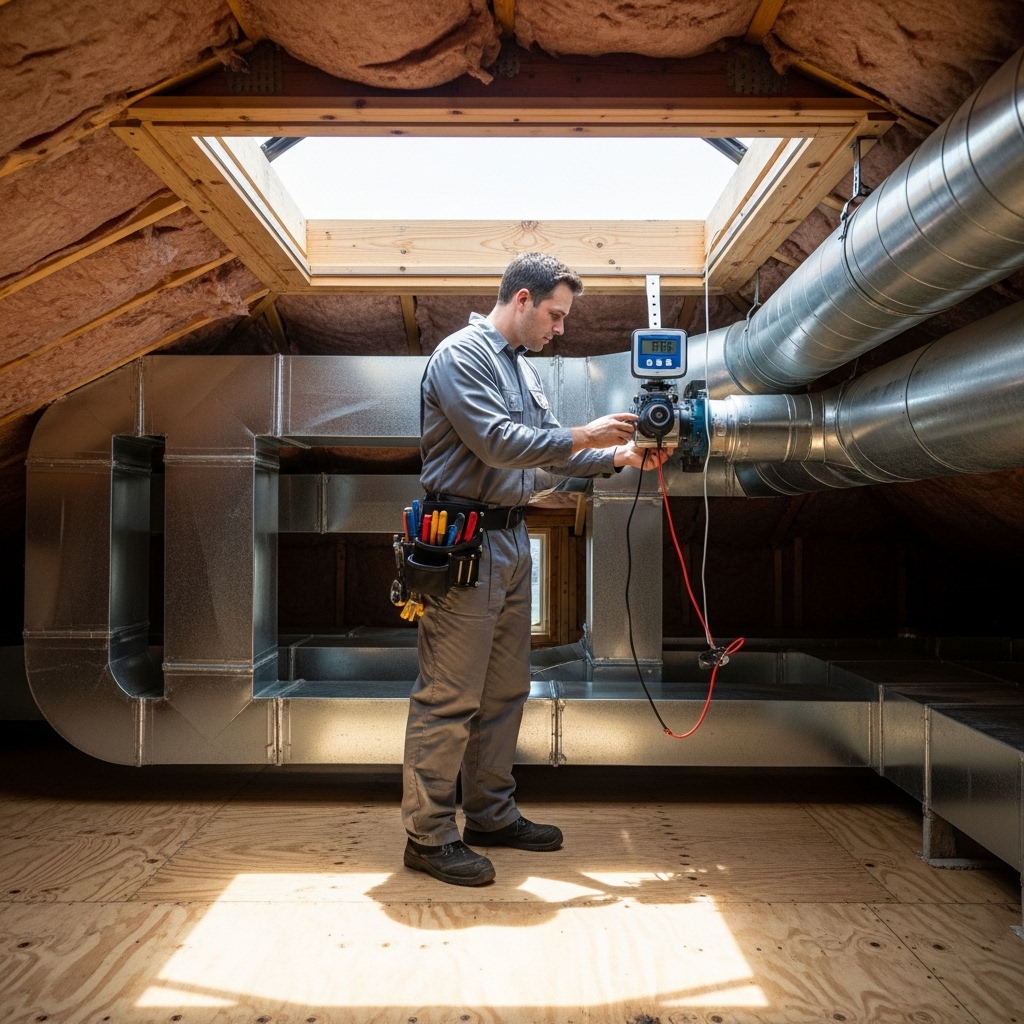
In Los Angeles, certified professional air duct replacement is about more than swapping old ductwork for new. It’s about craftsmanship grounded in credentials, code knowledge, and a commissioning mindset that ensures your home feels calm and comfortable on the hottest Valley afternoon and the chilliest coastal morning. I’ve watched outstanding crews move through homes from Brentwood to Burbank with the same careful rhythm: protect, assess, plan, execute, document, and follow up. That rhythm comes from training, certification, and a culture of accountability that respects both the building and the people who live in it. If you’re evaluating options, begin with the fundamentals that distinguish truly professional air duct replacement from a simple swap.
Certification speaks to a technician’s foundation in safety, airflow dynamics, and code compliance. In California, licensed HVAC contractors work within a framework shaped by energy standards and local building codes. The best firms combine licensing with additional training in system design and commissioning, so the duct layout they install aligns with equipment needs and real-world living patterns. That means matching duct sizes to airflow targets, choosing where rigid and flex sections belong, and balancing rooms so the system runs quietly and predictably.
What training brings to the jobsite
Trained professionals approach attics and crawlspaces with a practiced eye. They spot where a long span needs added support, where a tight radius bend is starving a room, and where a return should be adjusted for quieter operation. They plan material staging to keep your home clean and your schedule intact. Just as importantly, they communicate clearly—explaining options, tradeoffs, and the reasoning behind recommendations in plain language. This communication is as much a professional skill as sealing a joint or hanging a run.
On installation day, you’ll notice the hallmarks of trained crews: floor protection laid out consistently, registers removed without damaging finishes, old ducting bagged neatly, and new runs cut to measured length, not guessed. Flex is stretched to reduce turbulence, rigid pieces are used where they lower noise and improve flow, and every connection is secured with mechanical fasteners and sealed with mastic. Support spacing is correct and consistent, preventing future sagging that would slowly erode performance and increase sound.
Design and commissioning as core practices
Professional work starts with design. A certified team listens to how your rooms are used, studies the home’s architecture, and builds a layout that serves your life. That might mean relocating a supply to wash a sunlit wall, adding a secondary return to quiet a living area, or specifying a different register style in a nursery. Design is followed by commissioning: testing, balancing, and adjusting after installation to confirm that the system’s behavior matches the plan. This is where many projects fall short—what’s drawn must be proven. Certified teams build time for this, and they return after a few days if needed to fine-tune.
Commissioning also protects your equipment. When ducts are sized and sealed correctly and returns are adequate, the air handler operates in a gentler, more predictable way. This supports longevity and steadier comfort. It also reduces the chance of that telltale whoosh or whistle that signals turbulence or air leaks at transitions.
Code compliance and documentation
Los Angeles inspectors look for correct support, sealed joints, and proper insulation. A certified team expects this scrutiny and documents the job thoroughly with photos and simple diagrams. They pull permits, coordinate inspections, and explain what each step evaluates. For you, this record is a resource. It helps future service technicians work efficiently and supports appraisals and resale by demonstrating that the work was done correctly and transparently.
Documentation extends to the layout itself. A clean as-built diagram labels supply runs and returns and notes register locations and damper positions. If you later remodel or repurpose a room, that map makes it easy to revisit and adapt the design without guessing.
Why Los Angeles experience matters
Certification is the foundation; local experience is the multiplier. Our climate swings from coastal cool to valley heat, and our housing stock spans a century of construction practices. Professionals who work here daily know the common attic layouts in Mid-City, the crawlspace quirks of hillside homes, and the register styles that complement Spanish and Craftsman interiors. They’ve solved for vaulted ceilings, skylight chases, and additions layered over time. That familiarity shortens installation time, improves outcomes, and minimizes disruption.
Local teams also understand how permitting nuances can vary and how to plan for inspector preferences without compromising design quality. They think about parking and staging on narrow streets and about protecting landscapes and finishes along the path from the curb to the attic hatch. These logistics matter as much as airflow because they shape your experience from start to finish.
Safety and respect on site
Professionalism shows in safety practices: stable ladders, protective gear, clear walkways, and careful handling of old materials. Crews communicate when they’ll be in a room, what noise to expect, and how long each phase will take. Pets are considered, nap times respected, and work zones isolated to keep dust contained. Respect is a value you can see and feel.
Cleanup is thorough. Registers are reinstalled with gaskets, return grilles align cleanly, and edges are caulked or sealed where appropriate to prevent dust lines. Floors are vacuumed along the work path. The job isn’t done when the last duct is hung; it’s done when your home looks and feels like it did before—only quieter and more comfortable.
What to expect during a certified replacement
Expect a start-to-finish plan. You’ll review scope, timeline, and access. The team protects surfaces, removes old ducting in a controlled sequence, and installs new runs as designed. Balancing dampers are marked for ease of future reference, and the system is tuned while you’re there to feel the difference room by room. You’ll receive photos and a simple map at completion, plus an invitation to live with the system for a few days and request fine-tuning if needed. This invitation is a sign of confidence and a promise of support.
One of the quiet advantages of certified work is that it often looks unremarkable from the living room—and that’s the point. Registers sit straight and flush, the whoosh is gentle, and temperatures don’t announce themselves. What you notice is the absence of distraction, the steady background comfort that lets you focus on life instead of your HVAC.
Choosing the right professional
When interviewing contractors, listen for how they talk about design and commissioning. Ask how they handle returns, what materials they prefer and why, and how they document the job. Request references in your neighborhood and photos of similar projects. Look for a clear explanation of permits and inspections, and for a plan that respects your routine. Above all, choose a team that listens closely to your goals and explains their recommendations in terms that connect to your day-to-day life.
Think of this as a partnership. The best results come from honest conversations about how you use each room, what sounds you hear from your current system, and when comfort drifts during the day. The more your installer understands your life, the more precisely they can tailor the design to fit it.
Frequently asked questions
Why does certification matter for air duct replacement?
Certification indicates training in airflow, safety, and code compliance. It correlates with better design decisions, cleaner installations, and thorough commissioning—the ingredients of a duct system that performs quietly and reliably.
How long does a certified replacement usually take?
Timelines vary with access and scope, but professional teams plan carefully, protect your home, and sequence work to minimize disruption. They build time for testing and balancing so the system performs as designed before they call it complete.
Will certified pros handle permits and inspections?
Yes. They pull permits, coordinate with inspectors, and document the job with photos and as-builts. This protects you and provides a clear record for future service and resale.
Can a professional redesign improve my home’s quietness?
Absolutely. Thoughtful routing, correct sizing, rigid sections where they reduce turbulence, and adequate returns all contribute to a calmer sound profile. Small design choices add up to a big difference in how your home feels.
What should I do to prepare for installation?
Clear access to the attic or crawlspace, move delicate items away from registers and returns, and coordinate with the crew lead on parking and staging. Share any schedule constraints so they can align noisy phases with your day.
How will I know the system is performing correctly?
You’ll feel even temperatures and a gentle sound profile. The team will also walk you through their balancing adjustments and provide documentation. If a room still lags after a few days, they’ll return to fine-tune until the system matches your expectations.
If you’re ready for a smooth, credentialed process that puts your comfort first—from design and permitting to commissioning and follow-up—choose certified air duct replacement from a local team that treats your Los Angeles home with the care it deserves.