
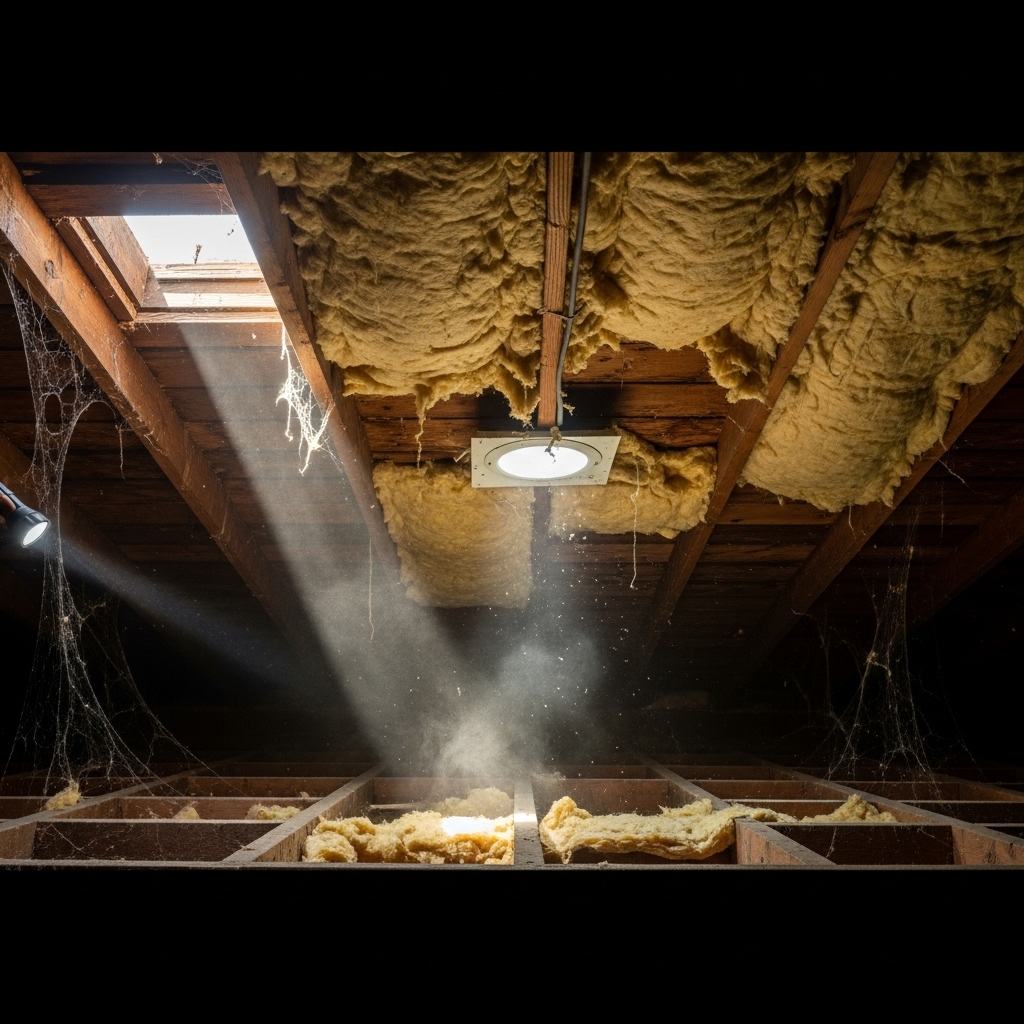
Every Los Angeles neighborhood has its own rhythm—morning fog on the Westside, long blazing afternoons in the Valley, canyon breezes that shift with the sun. Yet across the city, homeowners share a set of attic challenges that show up in familiar ways: bedrooms that overheat by late day, dust that seems to refill shelves just after you wipe them, and air conditioners that never quite catch up during a heatwave. The common thread is what is happening above the ceiling. Understanding the issues specific to LA attics, and how to resolve them, turns hot summers into something your home takes in stride. Upgrades like attic insulation play a central role, but success comes from addressing the whole picture, from air leaks to ventilation to the details at eaves and hatches that quietly shape daily comfort.
One of the most prevalent issues is uneven or insufficient coverage. Many attics contain a patchwork of old batts and thin layers of blown material that have settled or been displaced over time. Exposed joists are a giveaway, but even attics that look “fluffy” at a glance can hide thin spots near the edges and around obstacles. Heat finds those paths readily, and in Los Angeles that means steady afternoon gain that drifts through the ceiling long after the sun sets. Achieving consistent depth across the entire attic floor is not cosmetic; it is the heart of effective thermal control.
Settling, compression, and the slow loss of performance
Materials age. In older houses, insulation may have compacted under stored items or been stepped on by trades over the years. Compression reduces effective R-value and creates channels for heat to move. Cellulose that has been disturbed without being topped up can leave valleys, while batts that were never cut and fitted properly leave gaps at joists and obstacles. The fix is a combination of careful prep—removing or redistributing old material as appropriate—and a fresh, evenly applied layer that restores uniform resistance to heat flow. The result is a home that feels less restless as the day warms and retains its cool after sunset.
Compression often pairs with another culprit: blocked airflow at the eaves. Insulation pushed into soffit cavities can choke the attic’s ventilation, leading to hotter attic air and potential moisture issues in shoulder seasons. Proper baffles guide air from soffits while preserving full insulation depth at the perimeter. In a city where rooflines vary wildly—from low-slope Mid-Century stretches to complex tiled peaks—those edge details make a bigger difference than many realize, and they are essential to long-term roof health.
Air leaks that undermine the best intentions
Even generous insulation cannot do its job when air sneaks around it. In Los Angeles attics, common leakage points include the tops of interior walls, plumbing chases, bath fan housings, and the backs of knee walls in rooms carved from attic space. Recessed lights are another classic path, especially older models that invite hot attic air to spill into living areas. Sealing these routes before adding or topping up insulation is the difference between a number on a brochure and comfort you can feel. Homeowners often report that once leaks are sealed and insulation is installed to full depth, rooms that used to swing five or six degrees across the day hold steady with barely a whisper from the AC.
Attic hatches and pull-down ladders deserve special attention. An unsealed, uninsulated access point can undo a surprising amount of good work. Think of it as a window in your ceiling. Insulated covers, weatherstripping, and small containment dams around the opening ensure that the top of your home remains a continuous boundary instead of a patchwork. The comfort payoff shows up most in the rooms closest to that access, which often go from the worst offenders to the most stable spaces in the house.
Rodents, contamination, and starting fresh
Los Angeles is an old city in building terms, and many attics have hosted pests at some point. Contamination from droppings, nesting, and tracked dust does more than create odors; it compromises insulation performance and indoor air quality. The responsible fix is to remove affected material, sanitize as needed, and then rebuild the thermal layer with clean, even coverage. While it is tempting to bury the past under new material, starting fresh prevents the old issues from lingering and ensures the new insulation performs to its rating. Homeowners often notice cleaner-smelling air and fewer dust issues after a thorough remediation and upgrade.
Pest entry points frequently coincide with the very gaps you want sealed for energy performance. The same meticulous approach that reduces heat gain blocks common routes for rodents. Screening at vents, sealing at chases, and tidy work around penetrations all add up. The attic becomes not only a better thermal buffer but also a less hospitable environment for unwanted guests.
Ducts in a hot attic and the comfort tax they impose
Many Los Angeles homes route supply and return ducts through the attic. In an overheated attic, those ducts absorb heat, and the air delivered to bedrooms can arrive warmer than designed. Leaky joints add to the problem, spilling conditioned air where you do not need it. An attic that is properly insulated and air-sealed helps just by cooling the surrounding environment, but it is also an opportunity to evaluate duct condition and layout. Sealed connections, appropriate insulation on the ducts themselves, and smarter routing complement the thermal upgrade, turning your system into a coherent whole rather than a set of parts working at cross-purposes.
The effect is most noticeable on late afternoon runs when the thermostat calls for sustained cooling. Instead of blasting to catch up, the system can run smoother and maintain the setpoint without drama. Bedrooms located beneath sunlit roof planes benefit first, but the entire house feels calmer because the distribution system is not battling extreme attic conditions.
Lighting, safety, and the details that matter
Recessed fixtures, junction boxes, and bath fan housings mark critical points for both safety and performance. IC-rated fixtures allow insulation contact; older non-IC cans require clearances. A professional approach respects these limits, builds appropriate barriers where needed, and ensures that sealing does not compromise ventilation for mechanical devices. It is detailed, hands-and-knees work that pays back in predictable comfort and peace of mind.
Electrical updates sometimes surface during attic projects, especially in homes that have grown through additions. Addressing suspect splices, old cables, or powered but abandoned runs before burying them under insulation prevents future headaches. The goal is a well-organized attic where the thermal layer is continuous and the infrastructure remains accessible and safe.
Flat roofs, knee walls, and architectural quirks
Los Angeles architecture brings unique attic puzzles. Flat-roof sections in Mid-Century homes offer little clearance and require careful planning to ensure insulation achieves its target without blocking ventilation. Knee-wall attics carved behind second-floor rooms create awkward voids that bypass the thermal boundary unless they are closed and insulated correctly. Tile roofs, while beautiful, can load the attic with radiant heat if the floor below is not insulated evenly. Each of these scenarios has a sound solution, and the common thread is attention to continuity. Wherever the boundary between conditioned and unconditioned space runs, it must be unbroken.
Additions layered across decades often leave thermal seams. You might see modern insulation in one section and none in another, or you may find a chase that opens into an old roof cavity. The cure is methodical: trace the boundary, close the gaps, and bring every zone up to the same standard. Once done, the home behaves like a single, coherent structure under summer stress rather than a collection of rooms with separate weather patterns.
Moisture in a dry city
Los Angeles is famously dry in summer, but shoulder seasons and coastal neighborhoods tell a more nuanced story. Warm interior air can carry moisture upward where it condenses on cooler attic surfaces overnight. Bathrooms that vent into the attic, or ducts that leak conditioned air, compound the issue. Sealing the ceiling plane, correcting vent terminations, and managing attic ventilation guard against this. Insulation then helps keep attic temperatures more stable, reducing the swing that encourages condensation. The payoff is a roof structure that stays sound and an attic that smells clean, even after damp mornings.
Moisture control also relates to indoor comfort. A well-sealed, well-insulated home allows mechanical systems to manage humidity more effectively. Even in our dry climate, those gains show up in how fresh rooms feel and how stable finishes remain across the year. The strategy is not complicated; it just requires looking beyond inches of insulation and making sure the surrounding context is right.
Homeowner expectations and real results
Many people expect fireworks after an attic upgrade, but the best outcome is subtler and more satisfying: a home that feels predictably comfortable day after day. You will notice that the thermostat becomes less of a battleground, that rooms hold their cool through late afternoon, and that air does not feel as dusty or heavy at the end of a hot day. Sound levels drop a notch, too, as the attic blanket softens outside noise. Most telling is bedtime during a heatwave, when ceilings no longer radiate stored heat and sleep comes without the whir of extra fans.
The long view matters as well. Your roof and equipment experience less stress, your ducts run in a friendlier environment, and the small nuisances—like a sweating supply boot or a stubborn hot spot above the garage—quietly disappear. Taken together, those wins shift daily life from coping with heat to enjoying a home that simply behaves.
FAQ
Q: My attic looks full. Why is my house still hot? A: Coverage may be uneven, compressed, or bypassed by air leaks. Thin spots at eaves, gaps around lights, and unsealed chases allow heat to slip past insulation. A professional assessment can identify and correct these weak links.
Q: Do I have to remove old insulation to fix problems? A: Not always. If existing material is clean and evenly distributed, topping up can work. Contaminated, compacted, or patchy insulation is best removed so the new layer performs as intended.
Q: Will sealing the attic make my house too tight? A: Sealing at the ceiling plane stops hot attic air from entering living spaces while roof ventilation maintains attic health. The home breathes through designed pathways rather than random leaks, which improves comfort and air quality.
Q: What about recessed lights and safety? A: Installers respect fixture ratings, maintain clearances where needed, and build safe barriers. This keeps insulation effective without compromising electrical safety or fixture performance.
Q: My ducts run through the attic. Can insulation alone help? A: Yes. A cooler attic improves delivered air temperature immediately. Pairing insulation with duct sealing and appropriate duct insulation delivers the best, most noticeable results.
Turn your attic from liability to asset
Los Angeles homes can feel serene even in the heart of summer when the attic is calm and well managed. The fix is rarely a single product; it is a coordinated effort that seals, stabilizes, and insulates the space above your head so the rooms below feel consistently comfortable. If you are ready to leave hot spots, dusty air, and late-night heat behind, start with a professional look at attic insulation and the details that support it. With the right plan, your home will handle the heat with confidence and make every afternoon and evening easier to enjoy.