
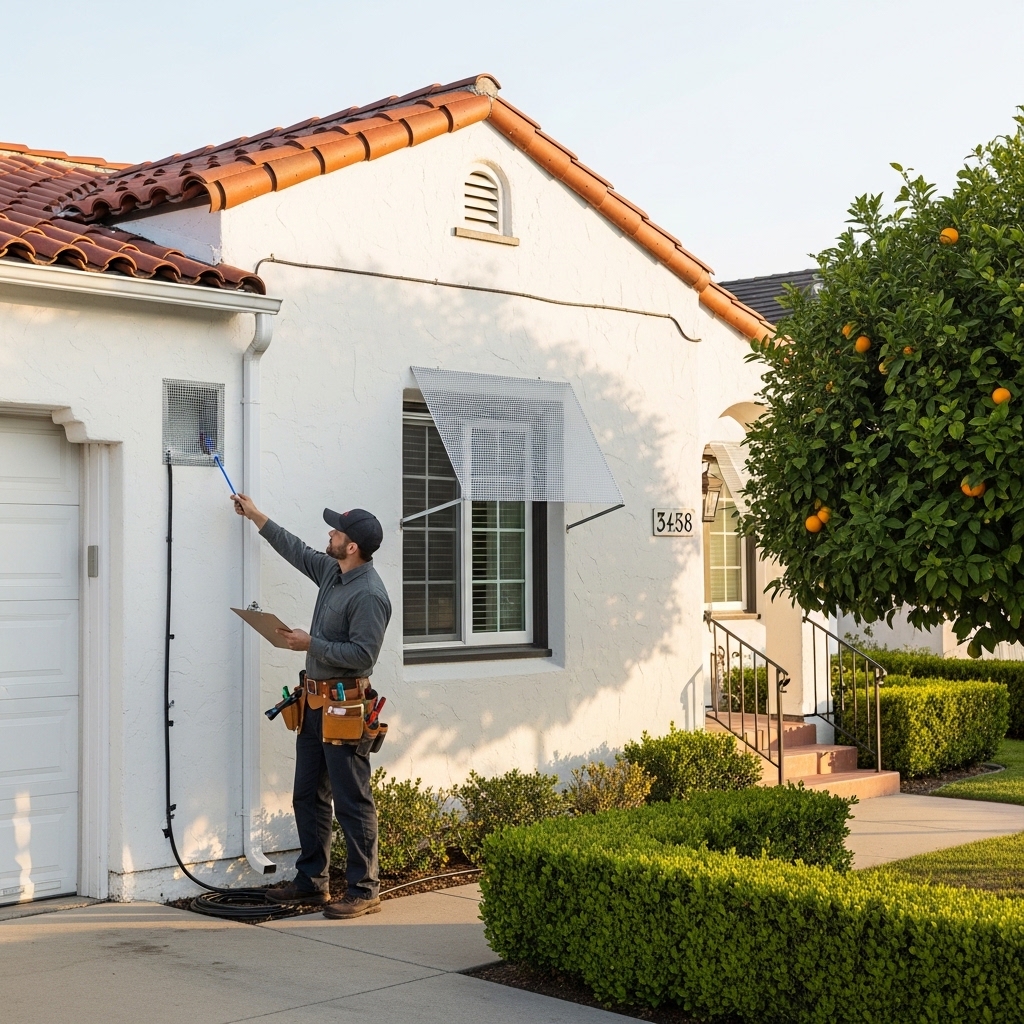
Living and working in Los Angeles gives you a feel for the rhythms of the city that don’t make it into brochures: the way marine layer mornings cool the Westside, how the afternoon sun bakes the Valley, and how older hillside homes shift ever so slightly with the changing seasons. Those rhythms also shape how rodents behave, where they nest, and the subtle entry points they exploit. When neighbors ask about rodent proofing, I always begin with the local context. A solution that works for a stucco Spanish bungalow in Mid-Wilshire might not fit a 1920s Craftsman in Highland Park or a contemporary glass-and-steel property in the Hollywood Hills. That’s why truly local rodent proofing services matter: the climate, architecture, and even landscaping traditions all influence the plan, and the best results come from a methodical, neighborhood-informed approach.
Los Angeles is a city of microclimates and micro-habitats. In Santa Monica and Venice, sea breezes carry sand and salt inland, swelling wood and corroding unprotected metals; in Echo Park and Silver Lake, hillside steps and terraced yards create retainers and voids where rodents can travel unseen; in the Valley, heat drives thirsty wildlife toward irrigation-driven landscaping. Each condition nudges rodents toward water, shelter, and steady food sources. The hallmark of effective local service is respecting those patterns, walking a property with an eye for soil movement, roofline geometry, utility chases, and the history told by faint smudges called rub marks. It’s a patient, hands-on process, and it’s the foundation for sealing out intruders without relying on toxins or quick fixes that don’t hold up through Santa Ana winds and winter rains.
What Makes Los Angeles Homes Vulnerable
Rodents exploit gaps as small as a marble, and Los Angeles architecture offers plenty of opportunities. Attic vents on classic Mission Revival homes, decorative eaves on Tudor cottages, weep holes in brick accents, and the patchwork around retrofitted HVAC lines can all serve as gateways. Earthquakes—even minor ones—create hairline separations along sill plates and foundation interfaces, and over time those slivers can widen. Meanwhile, city living means lots of shared borders: fence lines, alleyways, utility easements, and the edges where commercial and residential zones touch. All of this creates highways for rodents that ignore our property lines and move fluently from block to block. Understanding this interconnectedness is key; local services consider not just your home, but how adjacent structures and terrain influence rodent pressure.
Beyond architecture, local vegetation and water are decisive. Citrus trees dropping fruit, dense hedges that shade soil, ivy clinging to stucco, and drip irrigation masking small leaks: these are classic Los Angeles features that welcome rodent activity. Rats especially appreciate the verticality of our landscapes—palm trees, jacarandas, and privacy hedges act like ladders to roofs and gutters. Skilled technicians look up as much as they look down, tracing the path from fence to vine to eave to attic hatch. The goal is to think like the animal, to see the property as a network of routes and shelters, and then to interrupt that network carefully and thoroughly.
How a Local Inspection Sets the Stage
Every strong service begins with a full perimeter walk, paying close attention to grade changes and building transitions. Crawl space vents, garage door thresholds, and utility penetrations receive extra scrutiny. Inside, the attic and any accessible subfloor areas tell a story through droppings, nesting material, trails in insulation, and grease marks along rafters. In Los Angeles, we also pay attention to how HVAC and plumbing retrofits have been performed over the decades. Many houses have lived several lives, and each remodel may have left behind tiny shortcuts or gaps that need modern closure techniques. The inspection culminates in a prioritized plan: what to seal, reinforce, screen, and monitor—and in what order—so that exclusion comes first and any necessary trapping follows with minimal disruption.
Communication is essential. Local services should explain why a ridge vent guard matters on your specific roof, or how a narrow gap behind a downspout is allowing persistent entry. It’s not about mystifying the process; it’s about making the homeowner a partner in maintaining a sealed home. When everyone understands the why behind each step, the results last. In many Los Angeles neighborhoods, changes in season or nearby construction can shift rodent traffic patterns; informed homeowners notice early signs and call for adjustments before small issues become big ones.
Sealing the Building Envelope the Right Way
Exclusion is a craft. It means choosing materials that stand up to our salty coastal air and hot inland summers, selecting mesh gauges that resist gnawing without choking off ventilation, and applying sealants that remain flexible through temperature swings. On a stucco façade, the termination points at window frames and service lines need attention; on wood siding, it’s the meeting of trim boards and the interface at soffits. Hardware cloth, proper flashing, and secure fasteners are the backbone, and high-quality sealants fill the remaining hairline gaps. The result should look clean—nearly invisible from the curb—but be unyielding to teeth and claws.
Garage doors deserve special focus in Los Angeles because so many homes use them as primary entries. The daylight you see under a garage door is daylight a rodent sees as opportunity. Quality door sweeps and side seals, properly adjusted tracks, and thresholds that sit flat against the slab can solve what was once a nightly invitation. Equally important are attic vents and gable ends; these are portals that branch into the entire roof system. Fitted screens and guards must be robust enough for the long term yet allow proper airflow to protect your roof and insulation.
Attics, Crawl Spaces, and the Hidden Highways
Attics tell on intruders. Flattened insulation that forms visible trails, gnawed sheathing near daylight edges, and little caches of nesting fluff all point to where exclusion work is needed. In crawl spaces, sill plates and foundation vents are common weak points. Many Los Angeles homes have had piecemeal repairs over the years; a layered approach of mesh, flashing, and sealant often replaces quick patches that failed. Trapping follows sealing to address any rodents that were inside when the perimeter was closed. The sequence matters: you never want to trap the property open or seal it with residents still inside without a plan for removal.
Sometimes the hidden highway is vertical. Service chases that carry plumbing and wiring from crawl space to attic can act like express lanes. When we identify such paths, we install barriers at choke points where they don’t interfere with service access. The craftsmanship here is subtle—clean, removable panels and discretely placed mesh closures that maintain the home’s aesthetic while shutting down transit routes. It’s this blend of practical function and respectful installation that marks seasoned local work.
Sanitation and Exterior Environment
Rodent proofing is about more than holes and mesh; it includes guiding the exterior environment into balance. Fruit trees may need more frequent gleaning, compost bins benefit from secure lids, and dense foundation plants sometimes need a trim to allow airflow and visual inspection. In Los Angeles, we also examine irrigation schedules that keep soil constantly damp near the foundation. Adjustments here not only discourage rodents but also protect the home from moisture issues. Trash storage should be tight-lidded and away from direct house contact, and pet feeding areas should be managed so that bowls don’t invite evening visitors.
Neighborhood collaboration helps. If we notice a common thoroughfare—say, a utility easement running behind several properties—sharing what we’ve learned with neighbors can make everyone’s work more successful. Rodents ignore fences; a block-wide improvement in sanitation lowers pressure on each individual yard. Local services often facilitate these conversations by offering observations and practical tips tailored to the block’s quirks, whether that’s alley pick-up schedules or the way vines travel along shared walls.
Monitoring and Maintenance Over Time
Even when a property is thoroughly sealed, it lives. Sun, rain, and movement act on materials; gardeners and contractors come and go; roofs are replaced; and new utilities are added. A monitoring schedule—simple exterior checks and quick attic look-ins—helps catch changes early. Humane snap traps set at protective stations may be used initially to confirm that the interior is clear after exclusion, and a handful of observation points, such as non-toxic tracking blocks, can verify that pressure remains outside. The aim is not a one-time fix, but a durable state of being where the home resists intrusion and small issues don’t have time to become infestations.
In the middle of a project, homeowners often ask about the best place to put their energy once the sealing is complete. The answer is usually consistency: keep the exterior tidy, look for new daylight around doors and vents after windstorms, and reach out if you notice fresh rub marks. A trusted professional can fine-tune the system season by season, and if you’re shopping for help, make sure the team emphasizes exclusion first. It’s the heart of successful rodent proofing in Los Angeles and the single best predictor of results that last.
Working With a Professional Team
Local teams carry a map of the city in their heads: which neighborhoods have aging clay sewer laterals, where hillside retaining walls commonly hide voids, how decorative breeze blocks near mid-century carports become recurring weak spots. They also bring a toolbox tuned to Los Angeles’s materials—galvanized mesh that stands up to coastal air, sealants that remain flexible in heat, and fasteners that hold in stucco without spalling. Clear documentation matters as well: before-and-after photos, a checklist of sealed points, and guidance on what to monitor. That record becomes your baseline, a way to track changes after a roof replacement or a new air conditioning line set.
Another hallmark of good service is respect for the home’s design. Exclusion is not an excuse for ugly patches; it’s an invitation to craft solutions that disappear into the architecture. Painted flashing that blends with trim, screens that sit flush to vent frames, and neatly routed barriers that don’t interfere with attic ventilation all make the work feel like it belongs. When technicians proceed this way, homeowners feel confident hosting contractors for future projects without worrying about undone work or surprise gaps.
Aftercare: Living Comfortably in a Sealed Home
Once your home is secured, daily life gets easier. Nighttime sounds quiet down, the attic becomes just an attic again, and maintenance shifts toward prevention rather than reaction. You notice how much calmer it feels to open the pantry without the nagging fear of chewed packaging or to step into the garage without wondering what’s scurrying behind the bins. That comfort is the payoff of steady, practical work matched to the realities of Los Angeles properties. It’s also contagious: when one neighbor invests in a high standard of upkeep, others often follow, and the whole block benefits.
FAQ
Q: How long does a typical local service take? A: It depends on the home’s size and complexity, but the process generally includes an initial inspection, targeted sealing, a trapping phase if needed, and a follow-up check. Many single-family homes can be addressed within a handful of focused visits arranged to minimize disruption to your schedule.
Q: Do you use poisons during proofing? A: Exclusion does not require rodenticides. The emphasis is on sealing, structural fixes, and cleaning. If trapping is needed, humane snap traps in protected stations are preferred because they are predictable, quick, and allow for precise monitoring without introducing toxins into the home environment.
Q: Is this safe for pets and children? A: Yes, when performed by trained professionals who prioritize tamper-resistant devices and careful placement. Any traps used are enclosed and located out of reach. The sealing materials are chosen for durability and safety, and technicians provide guidance on keeping curious hands and paws away from work areas during the brief trapping phase.
Q: How do I know the rodents are gone? A: Verification includes a combination of visual inspection, monitoring devices, and the absence of new signs such as droppings, rub marks, or noises. The property’s perimeter should remain sealed, and any observation points can be rechecked at follow-up to confirm that activity is outside and pressure is declining.
Q: What time of year is best? A: Anytime is fine, although cooler months can concentrate activity indoors and make signs more obvious. In Los Angeles, heat waves and rain events can also shift behavior, so a responsive schedule that adapts to the season often yields the quickest results.
Q: Do older homes require special techniques? A: Many older Los Angeles homes have character features and layered upgrades that require a careful eye. The principles are the same—exclusion, sanitation, and monitoring—but materials and techniques are chosen to respect the architecture and to anchor securely to the existing structure.
If you’re ready for a home that is quiet, secure, and aligned with the rhythms of Los Angeles living, reach out to a local team that focuses on exclusion first and communicates clearly at every step. The right partner will walk the property with you, explain each decision, and leave you with confidence that your home is protected for the long term. When you want durable results crafted for our city’s unique conditions, start with expert rodent proofing and enjoy the comfort that comes from a well-sealed home.