
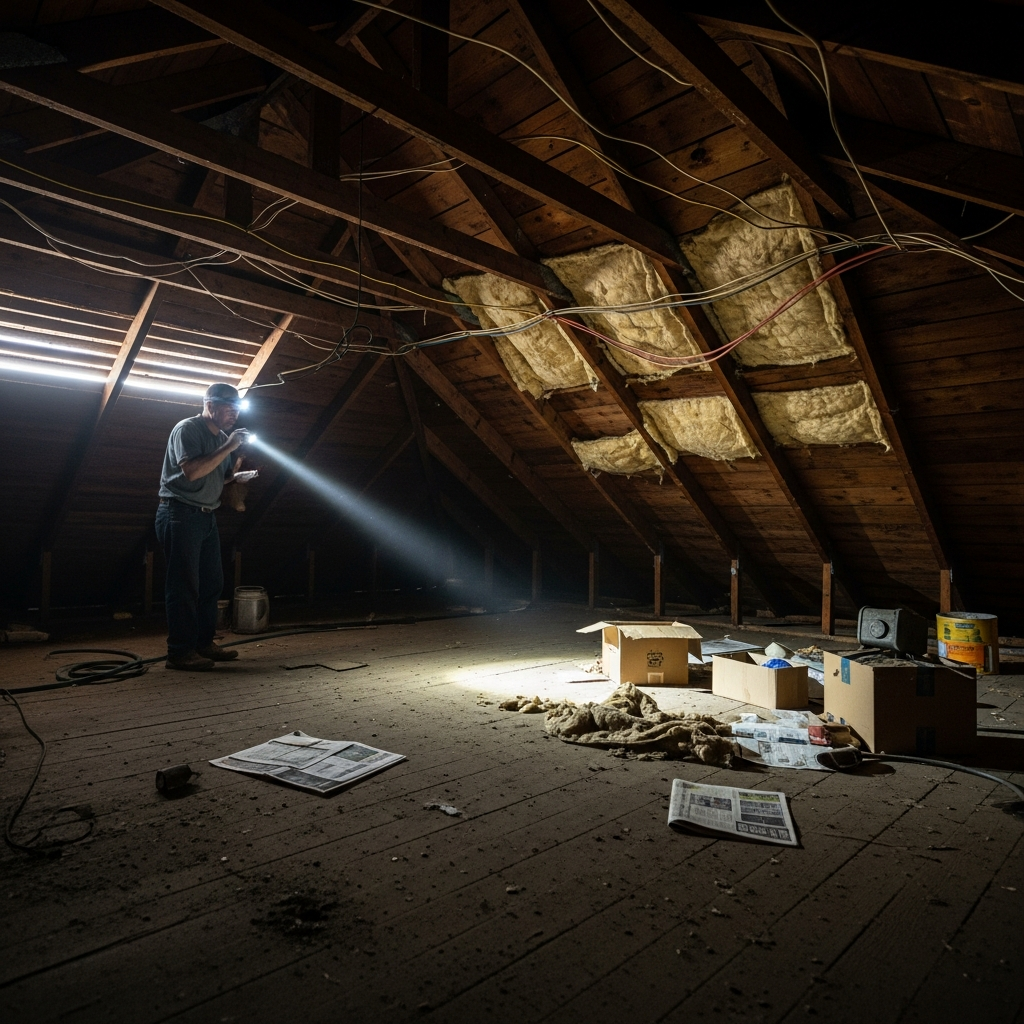
From Craftsman bungalows in Eagle Rock to Spanish revivals in Miracle Mile and modest post-war ranches in the Valley, older Los Angeles homes carry a lot of charm—and a lot of quirks hidden above the ceiling. When summer heat settles over the basin and the afternoon sun pours onto our rooftops, those quirks can translate into sweltering upstairs hallways, musty odors, and AC systems that seem to run yet never quite satisfy. After years clambering through attics across the city, I have seen the same patterns of trouble recur in these older structures, and almost all of them trace back to insulation and the gaps, voids, and design choices made decades ago.
If you feel like your house heats up faster than your neighbor’s or cools unevenly from room to room, the likely culprit is not a mysterious curse from the era of your home’s first owner, but the simple physics of heat moving through an attic that was never set up to resist it. Upgrading and repairing attic insulation in older Los Angeles homes is as much about diagnosing the inherited condition as it is about adding new material. It begins with a careful look at what is up there, why it underperforms, and how to bring it into line with what today’s homes need to stay comfortable without overworking the cooling system. Early in these conversations, I often point people to reliable resources on attic insulation so we have a shared foundation as we plan solutions tailored to the idiosyncrasies of their house.
Settled, patchy, and tired: the legacy of yesterday’s installs
One of the first common issues is simple settling. Older loose-fill products, especially those placed decades ago, can slump over time, leaving rafter tops and wiring pathways exposed. I find bare patches in corners, shallow coverage near the eaves where installers were cautious around ventilation, and compressed areas where storage boxes have migrated like glaciers. These inconsistencies are heat highways. Even if the attic appears insulated at first glance, the gaps undermine performance and allow hot attic air to push heat through the ceiling in streaks and blotches that map onto your comfort complaints below.
Then there is the patchwork created by years of small projects. New recessed lights added in the 90s, a bathroom fan cut in without proper ducting, a cable installer who tunneled through without backfilling insulation—each leaves a scar. These disturbances interrupt the continuity of the thermal blanket and usually introduce air leaks that pull dusty attic air into living spaces. Over time, the result is a ceiling posture that looks like it has been combed in many directions, with no single, even layer doing the job it was meant to do.
Air leakage: the invisible accomplice
In older houses, air sealing is often the bigger missing piece than sheer R-value. Balloon framing, open stud bays, cracked plaster, and the sheer number of penetrations in a home that has evolved across decades all conspire to connect your rooms with the attic. On a hot July afternoon, that connection means hot, pressurized attic air sneaks into your home through every can light, attic hatch, and chimney chase. Insulation does not stop this airflow by itself; it needs a companion: thoughtful sealing of the ceiling plane. Without that, you can pour more insulation into the attic and still feel like the house is breathing heat into your evenings.
Common pathways for leakage in older Los Angeles homes include the tops of interior walls (especially where plaster has cracked away from lath), open plumbing penetrations, unsealed electrical boxes, and bathroom or kitchen vents that were never fully ducted to the exterior. I also encounter older recessed lights that are not rated for insulation contact, which means the installer pulled insulation back for safety, leaving heat-bleeding rings around each fixture. The glow of heat you feel under those spots is not your imagination—it is a localized breach in your ceiling’s armor.
Rodents, dust, and the mess they leave
Another recurring theme is contamination. Attics in older homes sometimes double as critter corridors. Roof rats love our palm-lined streets and citrus trees, and they find their way into eaves where screens have rusted away. Left unchecked, they create runways through insulation, compacting it and leaving droppings that compromise cleanliness and, frankly, comfort. Even when pests are not currently active, the legacy of past visitors can linger. In those cases, removal, sanitation, and targeted repairs must come before new insulation is installed, because you do not want to bury a problem that will later seep into your living spaces as odor or allergens.
Dust is its own issue. In the decades before tight building envelopes became standard, attics accumulated all manner of grit: roofing granules, soot, and the fine gray film of city dust that drifts inland on dry days. If your ceiling leaks, that dust will find its way through, and it magnifies summer discomfort by making the indoor air feel stale and heavy. A thorough remediation plan, often including HEPA vacuuming and sealing of the ceiling plane, pays dividends in cleaner air and cooler-feeling rooms because your AC is no longer fighting an endless loop of attic-sourced contamination.
Outdated materials and special hazards
On rare occasions, I encounter legacy materials like vermiculite, which can be associated with asbestos in some older sources. In those cases, stop, test, and proceed only with professional guidance. Older electrical wiring, including knob-and-tube, also requires care. You cannot bury live knob-and-tube in insulation; the wiring needs to be assessed and often updated first. Chimneys and flues require clearances and heat-safe barriers. These are not reasons to avoid upgrades; they are reminders that older homes have layers of history we must respect as we make them more comfortable and energy-wise.
Knee walls, odd bays, and sloped ceilings
Architectural features that make older LA homes charming also complicate insulation. Sloped ceilings in finished attics, short knee walls in expansions, and blocked rafter bays near eaves become pathways for heat. I often find that a knee wall is insulated on the room side but left open to a hot attic behind it, turning the wall into a radiator by mid-afternoon. The solution is to treat the entire assembly as a system: insulate and air seal the knee wall, provide a solid backing, and ensure the attic space beyond is not bypassing your efforts with open chases and unbaffled vents.
Ducts in the attic: a double whammy
Many older homes have their ductwork running through the attic. In a poorly insulated, leaky space, these ducts absorb heat before air ever reaches your rooms. If the ducts themselves leak, you lose conditioned air into the attic and pull even more hot air in from outside to make up the difference. Sealing and insulating ducts, or better yet relocating them to a conditioned space if a remodel permits, can completely change the comfort profile of a home. When relocation is not practical, burying well-sealed ducts beneath new insulation helps protect the cool air heading to your bedrooms and living spaces.
The inspection that sets the plan
A careful attic inspection is non-negotiable in older homes. I look for the depth and condition of existing insulation, signs of moisture, the presence and rating of recessed lights, the continuity of air barriers, and the shape and cleanliness of ventilation paths. Ridge, gable, and soffit vents all play a role in keeping the attic itself from becoming a superheated chamber. Baffles preserve those vents’ airflow while keeping insulation out of the eaves. This step-by-step evaluation leads to a tailored plan that might include removal of contaminated material, targeted structural fixes, comprehensive air sealing, and then the addition of new insulation to the appropriate level.
Midway through planning, I sit with homeowners to connect the dots between fixes and comfort outcomes. It is at this stage that pairing thorough air sealing with upgraded attic insulation makes intuitive sense. We are not just topping off fluff; we are correcting the history of the house, addressing the leaks and gaps that have silently shaped how hot the home feels every afternoon, and then laying down a protective blanket that finally performs as intended.
What improvement feels like in daily life
After the work, people report that the house feels like it has exhaled. The upstairs hallway, once a heat trap, aligns with the downstairs by evening. The primary bedroom is no longer five degrees warmer than the rest of the house at bedtime. Dusting becomes less of a ritual because attic particulates are no longer sifting through the ceiling. The AC no longer churns as loudly at 6 p.m., and the home coast-throughs the dinner hour without a temperature spike. These are small quality-of-life gains that add up to a different relationship with summer in the city.
Staying vigilant without being obsessive
Older houses benefit from a light maintenance routine. Peek into the attic a couple of times a year, especially after roof work or utility additions, to confirm that your insulation is undisturbed. Look for daylight at eaves that suggests missing baffles, check that the attic hatch is insulated and weatherstripped, and listen for rustling that might hint at unwelcome visitors. None of this is about fussing over your home; it is about keeping an eye on the quiet system that does so much to stabilize your comfort.
Frequently Asked Questions
Q: Do I have to remove all old insulation in my older home?
A: Only if it is contaminated, damp, or the wrong type for safe coverage. Clean, dry material can often be left in place and supplemented. An inspection will show what is salvageable.
Q: My recessed lights are hot to the touch—what does that mean?
A: Older non-IC-rated recessed lights require clearance from insulation, which creates a heat leak. Upgrading to IC-rated fixtures or installing proper covers and then insulating can solve the problem.
Q: How do I know if air leakage is my main problem?
A: Signs include dusty drafts around light fixtures, temperature differences between floors, and musty odors in the evening. A blower door test can quantify leakage, and visual inspection in the attic will reveal common gaps.
Q: Is vermiculite insulation dangerous?
A: Some vermiculite was contaminated with asbestos. If you suspect you have vermiculite, stop disturbing it and have a sample tested. Professional guidance is essential if removal is needed.
Q: Will adding insulation fix my duct problems?
A: Insulation helps, but duct sealing and proper insulation around the ducts themselves are critical. If ducts leak or run through extreme attic heat, they undermine comfort regardless of ceiling insulation levels.
Q: How long does an upgrade take in an older home?
A: It depends on the scope—removal, air sealing, electrical updates, and installation—but many projects complete within a couple of days. Complex histories can add time, but the payoff is immediate once finished.
When you are ready to bring the upstairs of your older Los Angeles home back into harmony with the rest of the house, a thoughtful plan will respect the home’s character while correcting the hidden issues overhead. The right team will clean, seal, and insulate in a way that honors the structure and transforms your daily comfort. Start the conversation by exploring your options for improved attic insulation, and let this summer be the one where your vintage home finally feels as gracious as it looks.