
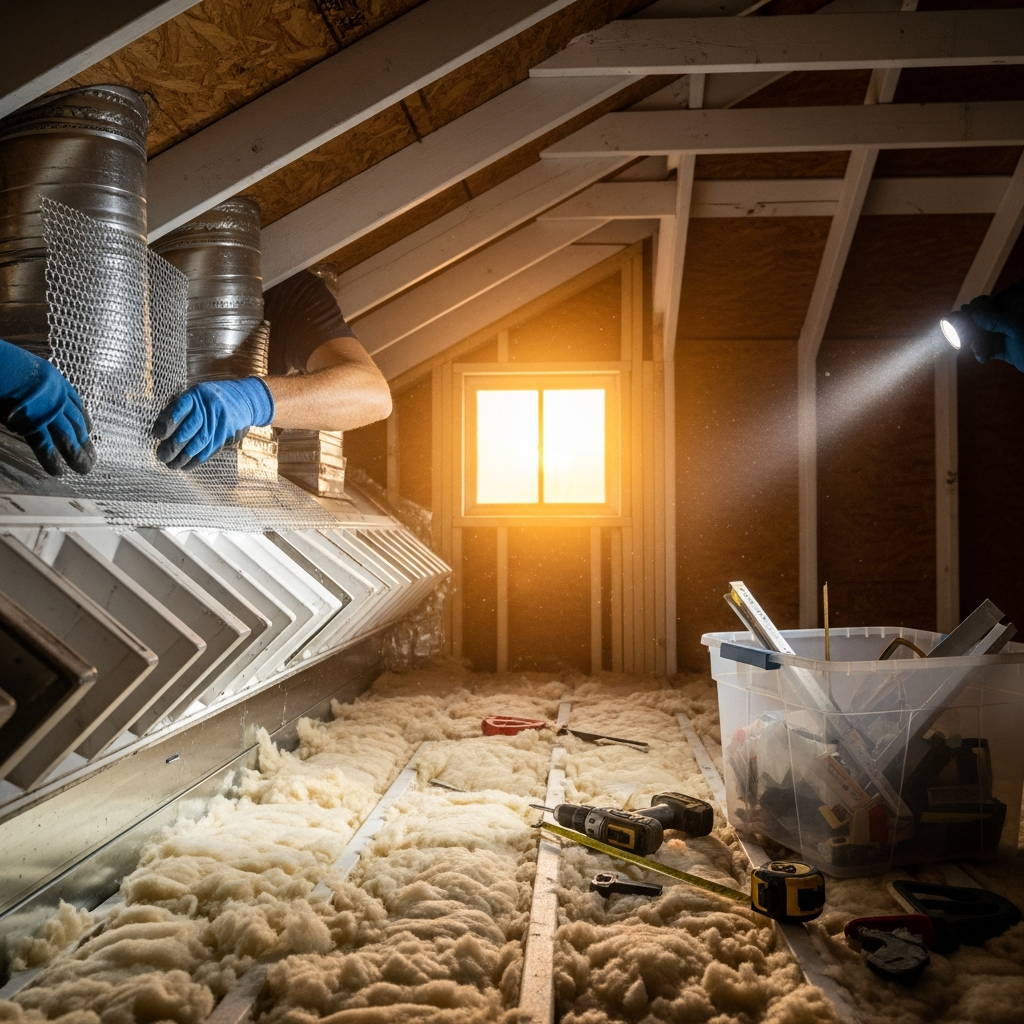
Ask anyone who has owned a home in Los Angeles long enough and they will tell you the same thing: our attics are a favorite crossroads for wildlife, especially roof rats that treat palm fronds and utility lines like their private highways. In neighborhoods from Sherman Oaks to Boyle Heights, the warm shelter of an attic is irresistible to pests, and that reality complicates how we maintain the insulation that keeps our homes calm during summer heat and insulated from winter chills. I have spent countless evenings crawling through rafters at dusk, when activity is highest, and learned that the best attic insulation maintenance in rodent-prone parts of LA is a mix of vigilance, smart repairs, and habits that make your attic a poor place for uninvited guests.
If you have ever opened your attic hatch and caught a whiff of something stale or noticed trails pressed through your loose-fill, you already understand what is at stake. Rodents do not just make a mess; they compress insulation, create air pathways where none should exist, and, left unchecked, can turn your ceiling into a sponge for odor. The good news is that with the right approach—and a few simple routines—you can keep your attic insulation performing as intended while discouraging pests from moving in. Early in this process, I often point homeowners to reliable overviews of attic insulation so we share a vocabulary as we plan maintenance and prevention steps unique to their rooflines, soffits, and eaves.
Read the signs before they multiply
Attic insulation tells stories if you know how to read it. Narrow runways through loose-fill often outline the nightly commute of a rodent. Small divots, compressed pads, or areas where the insulation looks shiny and matted indicate movement and nest building. Dark specks or a sharp, acrid odor suggest droppings and urine. Near eaves, daylight shining through bent or corroded screens reveals entry points. Around plumbing stacks, electrical penetrations, and the attic hatch, you may find gaps that animals exploit as easy paths.
Regular visual inspections—twice a year and after any roofing or tree-trimming work—help you catch problems early. Bring a bright light, walk only on framing or installed catwalks to avoid compressing your insulation, and take photos so you can compare conditions over time. If you are squeamish about climbing in, a quick look from the hatch can still be revealing; odors, visible trails, and movement noises carry plenty of information.
Seal first, then clean, then insulate
When contamination is present, the order of operations matters. Start with exclusion: seal exterior entry points with materials that match the opening. For gaps larger than a quarter inch, heavy-gauge galvanized mesh secured with screws and washers is your friend. Replace or reinforce eave screens, upgrade gable vent screens, and cap utility penetrations with rodent-resistant covers. Only after the attic is sealed from the outside should you move to cleanup; otherwise, you may find new visitors before the old traces are even gone.
Cleanup is best handled methodically. Light contamination can sometimes be spot-remediated: remove soiled sections of insulation, HEPA vacuum the deck, and deodorize surfaces. For heavier contamination, full removal followed by sanitation is more appropriate. Use protective gear—gloves, eye protection, and a respirator suited for particulates—and bag waste according to local guidelines. After cleaning, allow the attic to dry and outgas before installing new insulation. This pause helps ensure you are not trapping residual odors or moisture beneath a fresh layer.
Choose the right materials for a rodent-prone zone
No insulation is truly rodent-proof, but some materials and installation techniques hold up better. Dense-pack cellulose, when properly installed behind netting in knee walls or cavities, creates a firm, uninviting surface for nesting. Blown-in fiberglass performs well in open attics when it maintains full loft and is paired with rigorous air sealing that eliminates cozy, warm drafts. Mineral wool batts used as blockers around chases and at eaves resist compression and provide fire resistance, which matters around recessed lights and flues. The goal is not to make the attic uninhabitable by brute force, but to remove the incentives that make it comfortable for pests.
Equally important is the detail work that protects insulation from being disturbed. Rigid air barriers around open chases, sealed can light covers for insulation contact, and snugly fitted baffles at eaves prevent insulation from migrating and keep ventilation pathways intact. When every inch is held in place, rodents find fewer easy runways and the insulation maintains the uniform depth that delivers consistent thermal performance.
Air sealing: cutting off the scent highways
Rodents follow scent and airflow as much as structural paths. If your ceiling leaks air into the attic, warm, food-scented room air can entice animals to explore. By sealing top plates, wire penetrations, and gaps at the attic hatch, you remove a key attractant while also improving energy performance. Use fire-safe sealants where required, and verify that any recessed lighting is rated for insulation contact or is protected by proper covers before adding insulation over them.
I often explain that air sealing is the invisible backbone of any rodent-resilient attic plan. It prevents heat and odor from your home from rising into the attic and masks the thermal cues that can draw pests. It also keeps attic particulates from filtering down into rooms, which is a quiet but meaningful improvement in indoor air quality.
Ventilation that supports cleanliness
Healthy attics breathe, but they breathe in a controlled way. Balanced soffit and ridge or high gable vents help flush heat and moisture so your insulation stays dry and lofted. Dry insulation not only works better—it is less likely to mat down into the compacted pathways pests prefer. Good ventilation also reduces lingering odors that might otherwise marinate the attic and encourage exploration. Just remember to protect every vent opening with sturdy, corrosion-resistant screens secured to framing, not thin staples that loosen over time.
Storage habits that protect your insulation
Attics in Los Angeles frequently become catchalls for boxes, holiday decorations, and heirloom furniture. When those items sit directly on loose-fill or batts, they crush the insulation and create open corridors that rodents love. If you must store items overhead, build or upgrade a raised platform that stands above the insulation level, supported by framing that does not compress the surrounding material. Keep storage concentrated and pathways defined so maintenance checks do not trample your thermal layer into submission.
Coordinate with pest control without overreliance
Professional pest control can be an ally, especially during the initial exclusion and cleanup phases. Trapping and monitoring are far more compatible with attic insulation longevity than broad-spectrum poisons, which create secondary hazards for pets and wildlife and can leave you with odor problems if animals die in inaccessible spaces. Work with providers who understand building science and will help you identify structural entry points rather than simply laying bait and leaving.
Mid-season check-ins and the value of documentation
Twice-yearly inspections are a baseline, but in neighborhoods with heavy rodent pressure, a quick mid-season check-in can catch early signs before they become expensive problems. Photograph suspect areas, note any odor changes, and keep a simple log. This record helps you spot patterns and decide whether to adjust your approach. It also informs professionals if you bring in help, saving time and reducing guesswork. At the midpoint of the year, it is also smart to revisit broader home performance tasks—filter replacements, bath fan function, and the effectiveness of your upgraded attic insulation—so the whole system continues to operate in harmony.
When to remove and start fresh
There is a threshold where spot repairs no longer make sense. If odors persist despite cleaning, if insulation has been broadly matted and contaminated, or if the attic layout has changed with new mechanicals, starting fresh is the responsible choice. Full removal allows you to sanitize thoroughly, upgrade air sealing everywhere, and reinstall materials to modern standards. Homeowners often report that after a comprehensive reset, the home feels not only cleaner but also more temperate, with less of that late-afternoon heat rise that used to define summer days.
Safety above all
Attics are not friendly workspaces. Watch your footing, protect yourself from nails and splinters, and never cover or crowd around flues and chimney components. Confirm electrical safety before moving or removing materials around older wiring. If you encounter anything suspect—strange granules that might hint at legacy insulation materials, or wiring that looks original to the 1930s—pause and call a qualified professional. A careful, unhurried approach keeps both you and your home safe while you restore your attic’s performance.
Frequently Asked Questions
Q: How can I tell if rodents are currently active in my attic?
A: Fresh droppings, new gnaw marks, recent trails through insulation, and nighttime noises are clues. A thin layer of talc or contractor’s chalk near suspected entries can also reveal footprints by morning.
Q: Is there an insulation that rodents will not touch?
A: No material is completely rodent-proof. The best strategy is exclusion and air sealing, combined with durable, well-installed products that maintain their shape and leave fewer inviting voids.
Q: Can I just cover soiled insulation with new material?
A: It is not recommended. Odors and contaminants can migrate through new layers, and you risk sealing in moisture. Remove affected sections, sanitize, and then replace.
Q: Do ultrasonic devices or repellents work?
A: Results are mixed and often temporary. Structural exclusion and habitat changes are more reliable. Repellents may complement a plan but should not replace sealing and cleanup.
Q: How often should I inspect the attic?
A: Twice a year is a good baseline—before peak summer and before winter rains. Add a mid-season glance if you live in a neighborhood with known rodent pressure or after major tree trimming.
Q: Will better insulation reduce rodent interest?
A: Indirectly. Insulation paired with air sealing reduces heat and food odors moving into the attic. Fewer scent cues mean less exploration. But exclusion at entries is still essential.
Q: Is professional remediation worth it for heavy contamination?
A: Yes. Pros bring protective equipment, HEPA filtration, and the experience to spot structural issues. A thorough reset lays the groundwork for long-term comfort and cleanliness.
If you are ready to reclaim your attic from pests and restore the calm, cool comfort you expect indoors, bring in a team that understands both building science and the realities of LA’s rodent ecology. With exclusion, sanitation, and carefully specified materials working together, your home can stay clean, quiet, and steady through the hottest stretches. Begin by exploring your options for upgraded attic insulation, and give your rooms below the peaceful, protected environment they deserve.