
The Camarillo Homeowner’s Guide to Attic Insulation Services
Camarillo sits in a climate sweet spot, mild coastal air most of the year, with summer heat spikes and cool inland nights that quietly push your HVAC system harder than you might expect. If your energy bills feel higher than they should, or certain rooms never quite reach the temperature on the thermostat, your attic is often the first place worth investigating. This guide walks you through exactly what a quality attic insulation service involves in Camarillo, what to look for in a contractor, and how to make a confident decision for your home.
Why Camarillo’s Climate Makes Attic Insulation a Specific Challenge
The Ventura County Temperature Swing
Camarillo’s position in Ventura County means homeowners deal with a wider daily temperature range than coastal cities to the south. Summer afternoons can push into the 90s while evenings drop significantly. That thermal cycling puts constant stress on whatever insulation sits between your living space and the roof deck. Insulation that performs adequately in a more stable climate may underperform here, especially if it has settled, been disturbed by pest activity, or was installed to a lower R-value than current California Title 24 standards recommend.
Title 24 and Local R-Value Requirements
California’s Title 24 energy code sets minimum insulation standards for new construction and significant renovations. For Ventura County’s climate zone (Climate Zone 6), attic insulation is generally expected to reach R-38 or higher in new builds. Many older Camarillo homes, particularly those built in the 1970s and 1980s during the city’s rapid growth period, were originally insulated to far lower standards. A professional assessment will measure your current R-value and compare it against what your home actually needs. Requirements vary by project type, so consulting a licensed contractor is the right call before committing to a scope of work.
Moisture, Marine Layer, and Material Choice
The marine influence from the Pacific means Camarillo occasionally sees morning fog and elevated humidity, particularly in late spring and early summer. This matters when choosing insulation material. Blown-in fiberglass and cellulose each respond differently to moisture exposure. A knowledgeable local contractor will account for your specific attic ventilation setup, any existing vapor barriers, and the orientation of your roof when recommending a material. Generic advice from a non-local source may miss these nuances entirely.
What a Thorough Attic Insulation Installation Actually Involves
The Pre-Installation Attic Assessment
A professional attic insulation installation in Camarillo should never start with a crew showing up and blowing material in. Before any work begins, a qualified technician needs to get into the attic space and document what’s there. That means checking the current R-value with a depth gauge, looking for air bypasses around recessed lights and plumbing penetrations, identifying any signs of rodent activity or moisture damage, and confirming that existing ductwork is intact. Skipping this step is one of the most common ways homeowners end up paying for new insulation that underperforms because the underlying issues were never addressed.
At LA Attic Pro, this assessment drives the entire project plan. If rodent contamination is present, insulation removal and attic cleaning needs to happen before new material goes in. Laying fresh insulation over damaged or soiled material wastes your investment.
Air Sealing: The Step Most Contractors Skip
Here’s a counterintuitive truth about attic insulation: adding more material without air sealing first often delivers disappointing results. Insulation slows the transfer of heat through solid surfaces. It does very little to stop conditioned air from escaping through gaps. Attics in older Camarillo homes frequently have significant air leakage points around top plates, recessed lighting cans, attic hatches, and where interior walls meet the ceiling plane. Sealing these bypasses with spray foam or caulk before installing new insulation can meaningfully improve the thermal performance of the finished job. Ask any contractor you’re evaluating whether air sealing is included in their process, and get specifics about where they seal.
Material Installation and Depth Verification
Once air sealing is complete, the actual insulation installation follows. For blown-in applications, depth markers are placed throughout the attic before blowing begins so the installer can verify consistent coverage. Batts need to be fitted without compression or gaps, particularly around framing members and in irregular spaces. After installation, a reputable contractor will walk the attic with you (or provide photos if the space is too tight) showing depth measurements at multiple points. This verification step protects you and confirms the job was done to spec.
How to Evaluate an Attic Insulation Contractor in Camarillo
Licensing, Insurance, and Local Familiarity
California requires contractors performing insulation work to hold a valid C-2 (Insulation and Acoustical) license or work under a general B license. Before signing anything, verify the contractor’s license number through the California Contractors State License Board (CSLB) website. Confirm they carry general liability insurance and workers’ compensation. Beyond the paperwork, ask how many projects they’ve completed specifically in Ventura County. A contractor who works regularly in Camarillo and the surrounding area will understand local permit requirements, typical construction styles in the region, and the specific pest pressures (particularly roof rats and squirrels) that affect attic conditions here.
What a Legitimate Quote Should Include
A written quote for attic insulation in Camarillo should specify the material type, the target R-value, the square footage being covered, whether air sealing is included, how existing insulation will be handled (left in place, topped off, or removed), and the cleanup process after installation. Vague quotes that list only a total figure without breaking down scope leave room for misunderstandings. If a contractor won’t put the details in writing, that’s a meaningful signal about how the project will be managed.
Questions Worth Asking Before You Commit
A few specific questions help separate contractors who know their craft from those who don’t:
- What R-value will the finished job achieve, and how will you verify it?
- Do you perform air sealing before installing insulation, and where specifically?
- How do you handle attic bypasses around recessed lights?
- If you find evidence of rodents or moisture damage during the assessment, what’s the process?
- Will you provide before-and-after photos of the attic?
- Are you licensed through the CSLB, and can I have your license number to verify?
A contractor who answers these questions specifically and confidently is worth taking seriously. Vague or dismissive answers to technical questions are worth noting.
Insulation Material Comparison: Fiberglass vs. Cellulose vs. Spray Foam
Most residential attic insulation in Camarillo falls into three categories. Here’s a straightforward comparison of how they perform in this climate:
| Material | Typical R-Value per Inch | Best For | Considerations for Camarillo |
|---|---|---|---|
| Blown-In Fiberglass | R-2.2 to R-2.7 | Topping off existing insulation, irregular spaces | Performs well in low-moisture attics; lightweight, won’t add structural load |
| Blown-In Cellulose | R-3.2 to R-3.8 | Full attic coverage, older homes with air leakage | Higher density helps reduce air movement; moisture management matters in marine-influenced climates |
| Spray Foam (Open-Cell) | R-3.5 to R-3.7 | Air sealing specific penetrations and bypasses | Excellent for sealing gaps; typically used in targeted areas rather than full attic coverage |
| Spray Foam (Closed-Cell) | R-6.0 to R-6.5 | Roof deck application, areas with moisture concerns | Higher upfront investment; creates a conditioned attic space when applied to roof deck |
| Fiberglass Batts | R-3.1 to R-3.4 | New construction, accessible open bays | Requires careful installation to avoid gaps; can be disturbed by pest activity over time |
The right choice depends on your attic’s current condition, your goals (energy savings vs. comfort vs. both), and whether you’re topping off existing material or starting fresh after a removal. A qualified contractor will walk you through the tradeoffs for your specific situation rather than defaulting to whatever they happen to have on the truck.
Signs Your Camarillo Home Needs Attic Insulation Attention Now
Energy and Comfort Red Flags
Several patterns suggest your attic insulation may be underperforming. Rooms on the top floor of your home that are noticeably warmer in summer or cooler in winter than the rest of the house often point to inadequate attic coverage. If your HVAC system runs for long cycles without reaching the set temperature, thermal loss through the ceiling plane is a likely contributor. Unusually high utility bills during Camarillo’s warmer months, especially compared to similar-sized homes in your neighborhood, are worth investigating.
Physical Signs in the Attic Itself
If you’re comfortable doing a visual check (and the attic is safely accessible), a few things are worth noting. Insulation that has settled to a depth of three inches or less in a flat attic is almost certainly below current R-value recommendations. Visible gaps, compressed batts, or areas where insulation has been pushed aside (often by pest activity or previous HVAC work) reduce performance significantly. Any signs of rodent droppings, nesting material, or chewed insulation mean the attic needs professional attention before any new material is installed.
After Pest Activity or Remediation
Roof rats and squirrels are common in Ventura County, and Camarillo homes are not immune. When rodents nest in attic insulation, they contaminate it in ways that make it unsuitable to leave in place. A proper remediation sequence involves removing the compromised insulation, sanitizing the attic space, sealing entry points to prevent re-entry, and then installing fresh insulation. LA Attic Pro handles this full sequence, which matters because each step depends on the previous one being done correctly. Rodent-proofing after new insulation is installed, for example, risks damaging the new material during the sealing process.
The Relationship Between Insulation and Your HVAC System
How Duct Condition Affects Insulation Performance
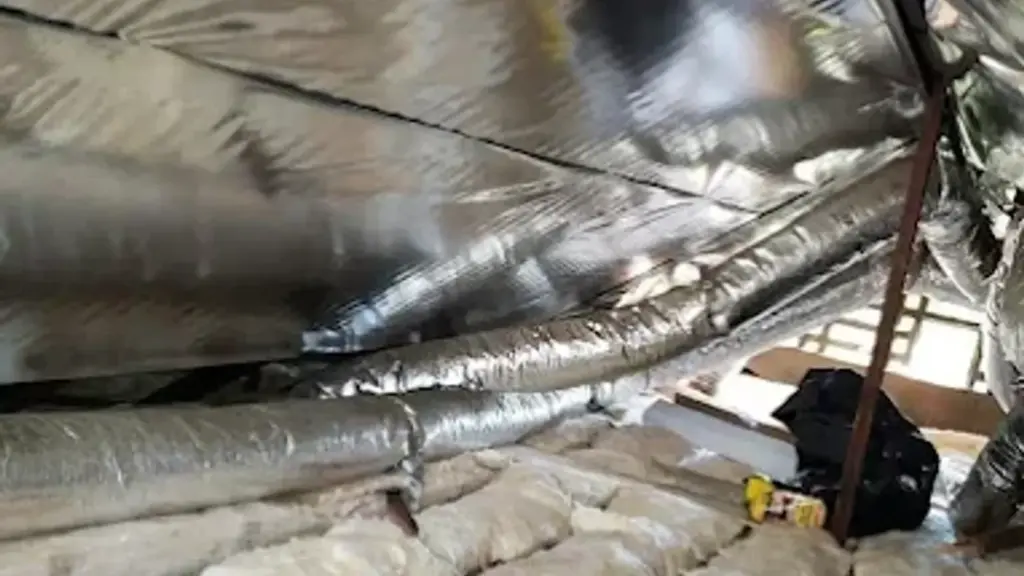
Attic insulation and attic ductwork are closely linked systems. If your ducts run through the attic (as they do in most Camarillo homes with central HVAC), leaky or uninsulated ducts can offset the benefits of even excellent attic insulation. Conditioned air escaping into the attic before it reaches your living space is a direct energy loss. During an attic assessment, a thorough contractor will note the condition of visible ductwork and flag any obvious issues. If duct problems are found, air duct repair or replacement should be addressed as part of the overall project plan, not as an afterthought.
Ventilation: The Balance That Protects Your Investment
Proper attic ventilation is what makes insulation last. Without adequate airflow from soffit vents to ridge vents (or equivalent), heat and moisture build up in the attic space. Over time, that moisture can degrade insulation, damage roof sheathing, and create conditions that attract pests. A good insulation contractor will check that your ventilation baffles are clear and that the net free area of your vents is appropriate for your attic’s square footage. Blocking soffit vents during insulation installation is a common mistake that creates problems years later.
Thinking About the Project as a System
The most effective attic projects treat the space as a connected system: insulation, air sealing, ductwork, ventilation, and pest exclusion all interact. Homeowners who address only one piece often find that the results fall short of expectations. A contractor worth hiring in Camarillo will assess all of these components during the initial visit and be transparent about what needs attention and in what order.
Frequently Asked Questions About Attic Insulation in Camarillo
How long does attic insulation installation typically take?
Most residential attic insulation jobs in Camarillo can be completed in a single day. Larger homes, or projects that include insulation removal and attic cleaning beforehand, may take two days. Your contractor should give you a realistic timeline before work begins.
Do I need a permit for attic insulation work in Camarillo?
Permit requirements vary based on the scope of work and whether the project involves structural changes or HVAC modifications. Simple insulation top-offs often don’t require a permit, while full removal and replacement projects may. Your contractor should clarify this upfront, and requirements can change, so checking with the City of Camarillo’s Building and Safety division is always a reliable step.
Can I add new insulation over existing insulation?
Often, yes, but not always. If the existing insulation is contaminated by rodents, wet, or severely degraded, it needs to be removed first. If it’s in reasonable condition and at a serviceable depth, adding new material on top is a common and cost-effective approach. A proper assessment will tell you which situation applies to your attic.
What R-value should I aim for in a Camarillo attic?
For Ventura County’s Climate Zone 6, R-38 is a commonly referenced target for attic floors in existing homes, with R-49 or higher recommended in new construction. The right target for your specific home depends on current conditions, your HVAC setup, and your energy goals. A licensed contractor can give you a site-specific recommendation.
How do I know if my current insulation is performing well?
Comfort consistency across floors, reasonable utility bills relative to your home’s size, and an attic that doesn’t feel like an oven in summer are all positive signs. The most reliable way to know is a professional assessment that measures actual R-value and checks for air bypasses. Visual inspection alone doesn’t tell the whole story.
Does LA Attic Pro serve Camarillo and the surrounding Ventura County area?
Yes. LA Attic Pro works throughout Ventura County, including Camarillo and neighboring communities. The team is familiar with the construction styles, pest pressures, and climate conditions specific to this area, which informs every assessment and installation recommendation.
Making a Confident Decision for Your Home
Attic insulation is one of those home improvements that works quietly in the background, but the difference between a well-insulated attic and a neglected one shows up consistently in comfort and utility costs over many years. Camarillo homeowners have a clear advantage in addressing this: the climate here is forgiving enough that a properly insulated, well-ventilated attic can perform reliably for decades with minimal maintenance.
The key is starting with a thorough, honest assessment from a contractor who understands the full system, not just the insulation material. Ask the right questions, get the scope in writing, and make sure air sealing and duct condition are part of the conversation from the beginning.
Ready to find out exactly what your attic needs? Schedule your attic insulation assessment with LA Attic Pro and get a clear, no-pressure evaluation of your Camarillo home’s current condition and what it would take to bring it up to where it should be.