
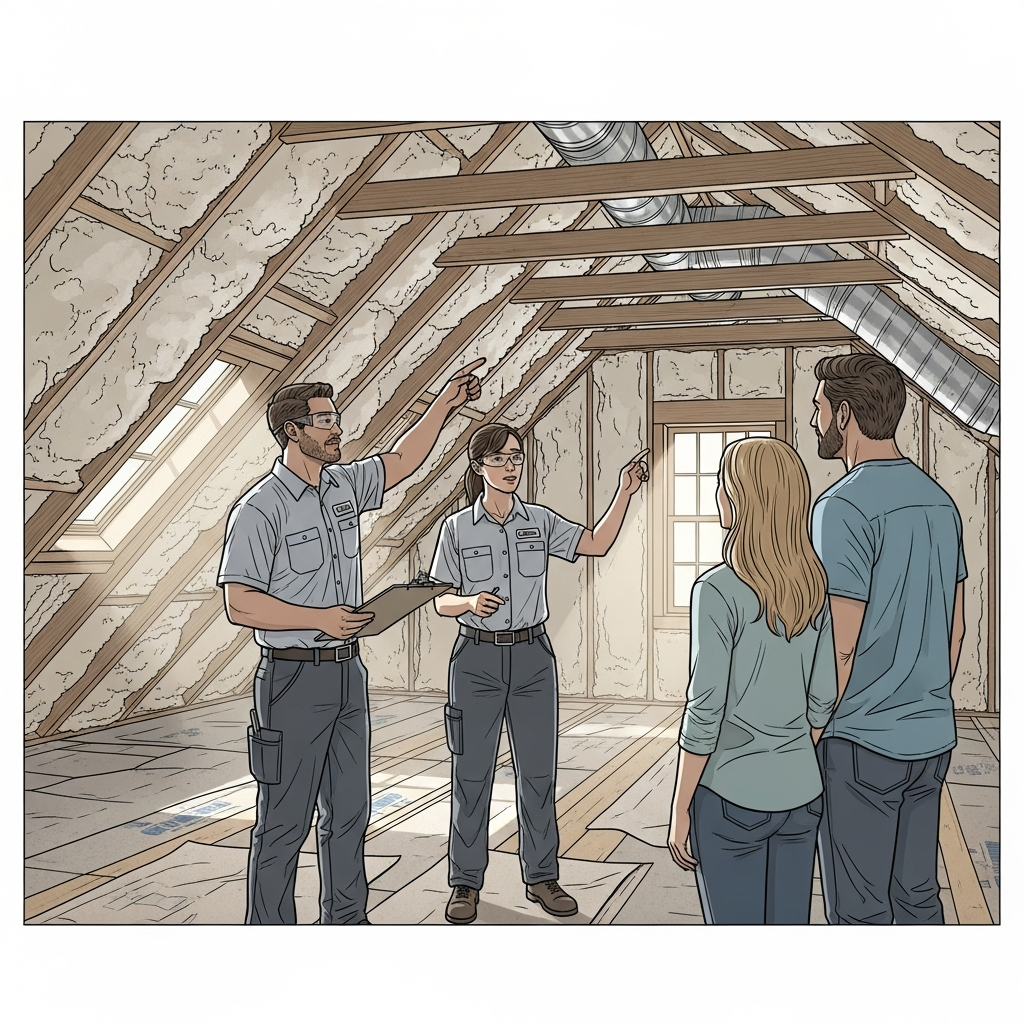
Choosing a home insulation installation company in Los Angeles is as much about craftsmanship and communication as it is about materials. Our city’s eclectic housing—from 1920s Spanish revivals to glass-lined modern builds—demands installers who can read a structure, anticipate its quirks, and plan a sequence that respects the way families live. If you are beginning your search, start by clarifying your goals, then look for a partner adept at translating those goals into a well-orchestrated project. Early conversations with a local expert in insulation installation can help you prioritize comfort, quiet, and durability while preserving the character that makes your home uniquely Los Angeles.
A great company does more than add insulation; it improves the building envelope as a system. That means air sealing where the home leaks, aligning insulation with ventilation strategies that keep roof assemblies healthy, and coordinating with HVAC to ensure the newly tightened shell supports steady, efficient operation. The end result is a home that feels calmer—temperatures stabilize, noise fades, and the air itself seems cleaner because dust and pollutants have fewer ways in.
What defines a standout insulation company
Standout firms begin with listening. They ask about the rooms that frustrate you, how your home feels at different times of day, and which noises interrupt your routines. They layer those lived experiences onto a technical assessment—inspecting attics, crawl spaces, and wall assemblies to see where heat and air are moving. Then they translate findings into a clear, written plan. You should understand what will be sealed, which materials fit each area, and how the crew will protect finishes and daily life while work is underway.
Communication continues during the project. Good teams share photos of air sealing, explain decisions when conditions on site diverge from assumptions, and document materials installed. That transparency builds trust and gives you a record that helps with future maintenance or remodeling.
Local expertise across neighborhoods
Los Angeles is a city of microclimates and eras. Coastal homes manage cool mornings and salt air; valley homes bake under extended summer heat; hillside properties wrestle with winds and dramatic temperature swings. A seasoned company knows how to tailor assemblies for each environment. In older neighborhoods, they handle plaster and lath with care, protect historic details, and understand the safe approach to legacy wiring or quirky framing. In newer builds, they coordinate with advanced HVAC, smart controls, and specialized roof assemblies to ensure all systems harmonize.
Equally important is logistical savvy. Parking, HOA rules, narrow side yards, and busy weekday schedules all shape a project’s rhythm. Experienced installers plan staging and protection so that your routine remains intact while work proceeds smoothly.
The assessment that starts it all
Every strong project begins with a comprehensive assessment. The company will map your home’s thermal boundaries, identify leakage paths around chases and top plates, check ventilation at eaves and ridges, and note any signs of moisture or prior roof issues. They will evaluate recessed lighting, bath fans, and chimney penetrations to determine clearances and covers. If wall insulation is part of the plan, they will probe representative areas and discuss approaches that respect finishes.
Many teams complement visual inspection with optional diagnostics such as pressure testing or thermal imaging. While not always required, these tools can reveal hidden connections between rooms and attics or spotlight areas where dense framing creates temperature striations.
Designing the right assembly for each area
Attics, walls, floors, and crawl spaces each demand distinct solutions. Open attics may favor blown-in materials for continuous coverage around irregular framing, backed by robust air sealing and baffle installation at the eaves. Cathedral ceilings call for careful attention to ventilation channels or, in some cases, sealed strategies that follow code to the letter. Walls might be dense-packed to reduce drafts and street noise, while floors over garages benefit from materials with strong sound and fire properties.
An experienced company is comfortable with a range of materials—fiberglass, cellulose, mineral wool, and spray foam—and knows when a hybrid assembly provides the best balance. They avoid one-size-fits-all prescriptions and instead stage the right material in the right place for the right reason.
Sequencing, protection, and cleanliness
How the work happens matters as much as what is installed. Crews should protect floors and finishes, set up containment where dust could travel, and create safe pathways to attics or crawl spaces. They will sequence noisy or disruptive tasks during windows that work for your household. Daily cleanup keeps your home usable, and final cleanup ensures it feels as if a careful guest, not a construction crew, was there.
Good sequencing also prevents rework. For example, if roof or electrical upgrades are planned, your insulation company coordinates timelines so that crucial areas are accessible at the right moments. That kind of foresight saves headaches later.
Documentation and code compliance
California’s energy standards and local building codes require attention to detail. A reliable company documents insulation types, coverage, and depth; shows how ventilation was preserved or assemblies encapsulated appropriately; and provides proof of required barriers around heat sources. If third-party verification or inspections are part of the process, they prepare the package so approvals move quickly and predictably.
This documentation becomes part of your home’s story. It helps future contractors understand what is inside walls and attics, and it reassures future buyers that improvements were done professionally and with care.
Comfort you can feel, day and night
Homeowners often report that the first night after installation feels different. Bedrooms that ran warm now settle into a steady comfort. Family rooms that used to echo with street noise take on a quieter hush. HVAC systems cycle with less drama, and the home seems cleaner as fine dust pathways are blocked. These tangible shifts are the whole reason to invest in the building envelope: everyday life gets easier and more pleasant.
Over time, that comfort translates into resilience. During heat waves, indoor temperatures remain steadier. On cool mornings, the home warms more quickly and evenly. Everyone—from toddlers playing on floors to remote workers in attic-adjacent offices—benefits from a calmer interior environment.
How to choose among companies
Look for clarity and curiosity. A good company is curious about your experience of the home and clear about how their plan addresses it. They provide references and photos of work similar to your project. They explain how they will handle your specific challenges—tight attic access, legacy fixtures, or the need for staged work around your schedule. Their proposal reads like a roadmap, not a catalog.
Ask how they will communicate once work begins and how they approach findings in the field that differ from assumptions. Do they call you to discuss options before proceeding? Do they show you photos and explain tradeoffs? The company willing to educate you is the company most likely to deliver a result you will love.
Integration with other home improvements
Insulation plays best when coordinated with other upgrades. If duct sealing, HVAC tuning, or smart controls are on your list, your insulation company should be ready to collaborate so that each improvement amplifies the others. Roof replacements and solar installs are natural partners as well; planning together avoids undoing finished work and ensures your home’s envelope and equipment are aligned.
Communication across trades is a hallmark of professionals who think systemically. It keeps the project efficient and the final product cohesive.
Aftercare and longevity
Post-install, a brief walkthrough helps you understand what changed and how to maintain it. You will know where baffles were installed, which fixtures received covers, and how access paths were secured for future service. If wall cavities were dense-packed, you will see where small, carefully patched openings were made. The company may offer optional checks after a season of use to confirm performance matches expectations and answer any new questions.
Insulation is low-maintenance, but a little attention goes a long way. After any roof work, peek at the attic edges to ensure coverage remains intact. Keep bath fan ducts venting outdoors. If you later add recessed lighting or a skylight, loop your insulation partner into the conversation so details stay consistent.
FAQ
How soon can work begin after the assessment? Scheduling depends on scope and the need for any remediation. Good companies outline timelines at the proposal stage and coordinate around your calendar.
Will installation be messy? Professional crews minimize dust with containment, careful removal of old materials when required, and thorough cleanup. You should expect a tidy home at day’s end.
Do I need to upgrade my HVAC first? Not necessarily. In many cases, improving the envelope reduces the workload on existing systems. If equipment changes are planned, your insulation partner can coordinate sequencing.
What materials do you recommend? It depends on the assembly. Blown-in products often excel in attics; dense-pack provides benefits in walls; mineral wool helps with sound and fire; spray foam can solve complex air sealing challenges. The right mix is project-specific.
How long does an attic-focused project take? Many complete in a day. Larger whole-home upgrades can take longer, especially if wall work or remediation is included. Your proposal should set clear expectations.
Can insulation help with noise? Yes. Dense materials and sealed assemblies noticeably reduce street and neighbor noise. Many homeowners describe a calmer, quieter home immediately.
Will someone walk me through the finished work? Absolutely. A final walkthrough, with photos and explanations, is part of a professional handoff and ensures you understand how your home changed.
If you are ready to partner with a team that treats your house like a system, connect with a trusted local company for insulation installation designed around Los Angeles living. With a thoughtful plan and meticulous execution, your home can feel cooler, quieter, and more comfortable in every season.