
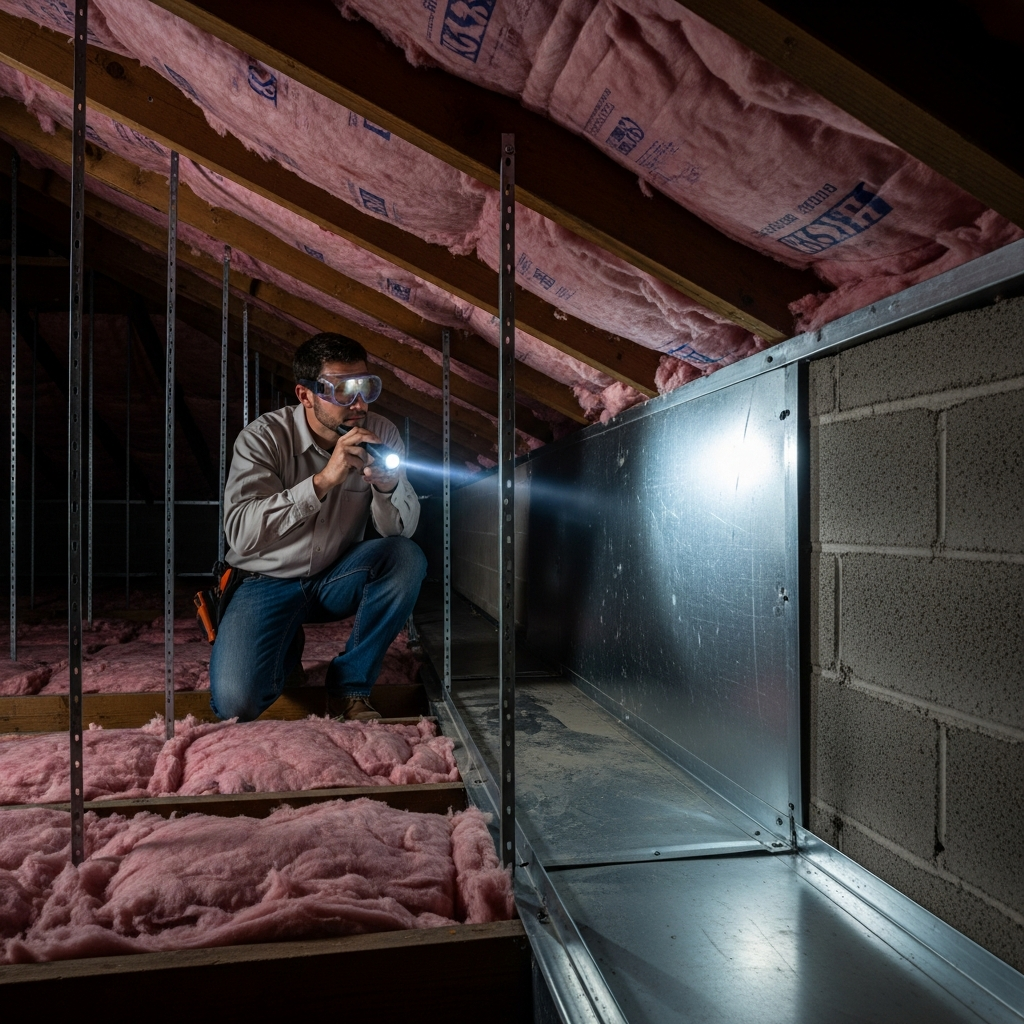
Los Angeles is a city of layers—old neighborhoods tying into new infrastructure, hillside homes perched above mid-century flats, and sun-baked valleys connected to cool, marine mornings. When you repair or alter the air ducts that move conditioned air through these homes, you’re not just tightening joints and smoothing bends. You’re working within a framework of local and state requirements designed to protect safety, performance, and long-term durability. Understanding how inspections fit into that framework helps projects move smoothly and ensures the benefits of the work last. If you’re considering professional air duct repair, it pays to know when inspections apply, who performs them, and what they look for in Los Angeles specifically.
Because our housing stock spans a century of building practices, the path to inspection isn’t always identical from one property to the next. A 1920s Spanish Revival with a compact attic faces different access and material questions than a 1970s ranch with long, low trusses. Apartment buildings add shared spaces and fire-rated assemblies to the mix. The common thread is that when work rises beyond minor maintenance—when it changes system performance, affects fire barriers, or accompanies equipment alterations—inspections and verifications are part of doing it right.
When inspections typically come into play
Not every patch or reseal triggers an inspection. Minor maintenance such as reseating a boot or applying mastic to a small seam inside an attic is usually considered routine. But when the scope broadens—replacing sections of duct, altering returns, changing plenum configurations, or performing work tied to new equipment—permits and inspections often apply. Projects that add or remove ducts in ways that affect airflow distribution, or that modify components passing through fire-resistance-rated assemblies in multifamily buildings, also tend to land within the inspection framework.
Equipment changeouts bring their own checkpoints. When you install a new furnace or air handler, related ductwork may be subject to verification of leakage rates and proper sizing to support the system. Inspections in those cases focus on ensuring the ducts provide safe, efficient airflow to and from equipment and that penetrations are protected appropriately.
What inspectors and verifiers look for
Inspections aim to confirm both safety and performance. Safety elements include proper clearances from combustibles where applicable, secure fastening of ducts, and protection of penetrations through fire-resistance-rated barriers in multifamily settings. Performance checks focus on airtightness of joints and seams, adequate support spacing for flexible ducts, gentle bend radii, and insulation levels appropriate to attic or crawl space conditions common across Los Angeles microclimates.
Return air sizing receives particular attention in older homes where original grilles are often undersized. Inspectors and verifiers want to see that the system can breathe without excessive static pressure. They also look at how ducts transition at the plenum and whether boots seat tightly to ceilings or floors without gaps that could bypass conditioned air or pull in dust from building cavities.
Documentation that smooths the process
Clarity helps. Before-and-after photos of duct connections, supports, and insulation make it easier to demonstrate that hidden work meets expectations. Simple line diagrams showing changes to runs or returns can also be useful. For projects paired with equipment changes, documentation of airflow measurements and static pressure before and after work helps verify that the duct system supports the new unit properly.
In multifamily buildings where ducts intersect with common areas, notes about rated assemblies and how penetrations were protected keep the conversation with inspectors focused and efficient. In older single-family homes, photos proving that existing metal ducts were re-sealed and insulated to modern expectations go a long way toward a smooth approval.
Los Angeles context: microclimates, access, and materials
A good inspection appreciates local realities. In the Valley, attic temperatures soar, so insulation quality and duct supports matter because materials expand and soften under heat. Along the coast, morning dampness can challenge insulation jackets and sealants. Hillside homes force ducts through tight chases that demand careful supports and gentle turns. Inspectors accustomed to these conditions look for choices that stand up to them—secure hangers, durable mastics, and insulation with intact vapor barriers.
Material compatibility is another local nuance. Older homes may have a mix of original metal ducts and later flexible additions. A sound repair honors the strengths of each, sealing metal seams with appropriate products and supporting flex to prevent sag. Inspections check that those details are more than cosmetic and that the combination delivers airtight, reliable performance.
Coordination with other trades and phases
Air ducts weave through the same spaces used by electricians, plumbers, and low-voltage installers. When inspections happen after multiple trades, good coordination prevents conflicts—no one wants to see a perfectly sealed duct nicked open by a cable pull. Scheduling inspections at logical milestones, and protecting completed work, keeps the project clean. Inspectors appreciate job sites where responsibilities are clear and previous phases are documented, which speeds their review.
For homeowners, a simple calendar with target dates for rough work, any necessary firestopping, insulation reinstatement, and final review helps maintain momentum. In occupied homes, that planning also reduces disruption, a priority for inspectors and residents alike.
Performance verification and homeowner experience
Beyond visual checks, performance verification links the work to real-life outcomes. Measuring static pressure before and after repair, checking temperature splits at registers, and confirming balanced delivery demonstrate that the ducts now support efficient operation. In many Los Angeles inspections tied to equipment updates, verifiers will review leakage targets and ensure the system meets or exceeds them. While homeowners don’t need to master the numbers, you will feel the result: fewer hot spots, quieter operation, and steadier setpoint control.
On the documentation side, a concise summary of readings and photos becomes part of your home’s mechanical history. The next time you renovate or service equipment, that record shortens conversations and guides decisions.
Multifamily realities: rated assemblies and shared systems
Apartment and condo buildings add layers of complexity. Ducts may cross or terminate in fire-resistance-rated walls and ceilings, and shared plenums or returns can exist from past designs. Inspections in these settings emphasize maintenance of ratings at penetrations and the separation of air paths to prevent odor and particle transfer between units. The practical upshot is that repair teams plan access with property management, protect common areas, and sequence work to respect quiet hours and safety rules.
Residents notice the benefits immediately when ducts are corrected in multifamily buildings: less noise through walls, cleaner air in corridors, and more even comfort from floor to floor. Inspectors often view those outcomes as signs that the project addressed root issues, not just surface symptoms.
Homeowner preparation: what to expect during inspection
On the day of inspection, expect a walk-through of accessible areas—attics, mechanical closets, and any visible runs through garages or crawl spaces. The inspector may ask to see registers and returns from inside the home to verify boot seating and grille fit. If part of a larger project, they’ll confirm permits on display and compare work to submitted scope. Courteous access and a tidy site make everything smoother.
If questions arise, your contractor should be ready with photos and measurements. The best experiences feel like a conversation: here’s what we found, here’s how we fixed it, and here’s how the system now performs. That shared understanding sets everyone up for success, from the homeowner to the inspector and the future service tech.
Why inspections protect long-term value
Some homeowners view inspection as a hurdle, but it’s better seen as a safeguard. A verified, well-repaired duct system pays you back for years through lower runtime, quieter operation, and air that simply feels better to breathe. For older Los Angeles homes, that verification also builds confidence when it’s time to sell or refinance. Prospective buyers appreciate documentation that invisible systems are sound, especially in a market that values both character and performance.
There’s also a stewardship angle. Our city’s building stock is a shared asset. When individual homes meet modern performance expectations without sacrificing heritage, neighborhoods feel better to live in and more resilient in the face of heat waves or smoke days. Inspections are one way we align private upgrades with public good.
Frequently asked questions
Do all duct repairs require a permit and inspection?
No. Small maintenance tasks often do not. Larger scope repairs—replacing sections, altering returns, modifying plenums—typically do, especially when connected to equipment updates or when work occurs in or through fire-resistance-rated assemblies.
What will an inspector focus on in an older home?
Expect attention to airtight seams, secure supports, appropriate insulation, and return sizing. They’ll also look at how ducts meet boots and grilles, watching for bypass gaps common in vintage ceilings and floors.
How do inspections differ in apartments and condos?
In multifamily buildings, maintaining ratings at penetrations and preventing cross-unit air movement are priorities. Inspectors verify that repairs respect shared walls and ceilings and that air paths serve only the intended units.
Can I prepare anything to speed approval?
Yes. Provide before-and-after photos, simple diagrams of any reroutes, and basic measurements like static pressure before and after repair. Having this ready demonstrates thoroughness and reduces back-and-forth.
Will an inspection confirm energy improvements?
Visual inspections confirm workmanship; performance verification helps tie that to outcomes. Measurements of leakage, static pressure, and temperature splits support the story that your home now uses energy more wisely.
What if my ducts are a mix of old metal and newer flex?
That’s common. Inspections look for proper sealing of metal seams, secure fastening, and well-supported flex with gentle bends. The mix can perform excellently when each material is used to its strengths.
How disruptive is the inspection process?
Brief. Inspectors focus on accessible areas and key connections. With a prepared contractor and tidy access, the visit is typically straightforward and respectful of your routine.
At its best, inspection is a moment of alignment—your goals for comfort and efficiency meeting the city’s standards for safety and durability. When those meet in the middle, the result is a home that feels good to live in and a system that quietly does its job, day after day. If you’re planning work and want to move confidently from idea to approval to lasting performance, start by inviting a local team to walk your home and outline the path. For a conversation grounded in Los Angeles experience and a plan that integrates verification from the start, reach out to discuss air duct repair aligned with local expectations.