
There’s a particular kind of quiet that settles over a Los Angeles home after a well-executed duct repair. The registers sigh rather than rush, rooms meet you at the temperature you expect, and the air takes on a clean, neutral quality that’s hard to describe until you feel it. Keeping that new harmony alive isn’t complicated, but it does call for a thoughtful routine shaped by our city’s climate and the quirks of older and newer housing alike. If you’ve just invested in professional air duct repair, the next step is learning how to care for the system so it stays efficient, quiet, and clean through summer heat, winter cool spells, and the occasional burst of Santa Ana winds.
Post-repair maintenance is mostly about observation and small, regular tasks. When ducts are sealed and runs are smoothed, the equipment can finally operate as designed. Your job is to support that balance by protecting airflow, keeping filtration effective, and watching for early signs that conditions in the attic or crawl space have changed. What follows is a practical guide, shaped by years of work in bungalows near the beach, hillside homes with tight chases, and Valley houses that feel the full weight of August sun.
Start with a baseline: how does your home feel now?
Right after the repair, take a mental snapshot of how the home behaves. Note how quickly rooms respond to thermostat changes, whether any space still lags, and how the system sounds at start-up and during steady operation. Walk from room to room and feel the airflow at each register with your hand. This baseline will help you notice subtle shifts months later. In Los Angeles, where seasonal changes can be gentle, those subtleties matter.
If you work from home or maintain a consistent routine, you’ve got an advantage. Pay attention to how the home holds temperature during long afternoons, especially in west-facing rooms that catch late sun, and on cool morning hours along the coast when marine layers drift in. When you get used to the home’s new normal, you’ll spot small deviations that hint at a filter past its prime or a register that needs a minor adjustment.
Filters: the simplest habit with the biggest payoff
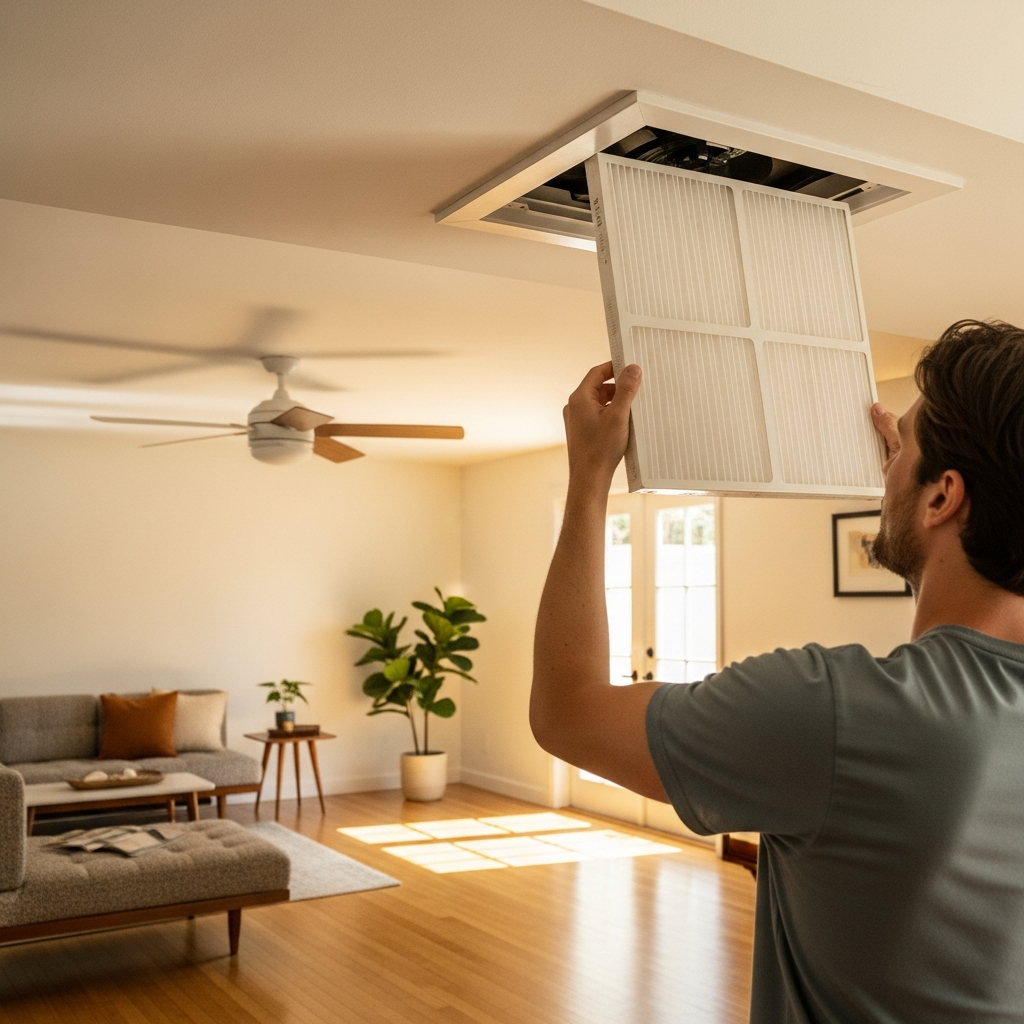
With ducts tight, your filter finally has the chance to do its full job. Make filter checks a habit. Most Los Angeles homes do well with monthly quick looks, even if replacements happen less frequently. In periods of heavy use—first heat wave of the year, holiday gatherings, or wildfire smoke days—the filter will load faster. A clean filter supports airflow and protects coils from dust that could undo some of the gains your repair delivered.
Choose a filter appropriate for your equipment’s airflow tolerance. After repair, static pressure often drops, giving you a bit more flexibility on filtration without stressing the blower. Ask your technician what rating makes sense for your system and lifestyle, especially if allergy control is a priority. When you change the filter, check the old one for unusual patterns, like dark streaks that suggest bypass at the frame. Tighten the fit or use a gasket to prevent air from sneaking around the media.
Mind the registers and returns
Registers and returns are the visible part of your system and the easiest to maintain. Dust the grilles gently when you clean. Keep furniture, curtains, and rugs from blocking airflow. In smaller Los Angeles homes and apartments, it’s common to slide a sofa just close enough to starve a register on a wall or floor; a few inches of clearance can transform that room’s comfort.
After repair, returns should be quieter and more efficient. If you hear new whistling or feel a strong draft where none existed, consider whether a new rug, door sweep, or décor change is affecting the air path. These details sound minor, but in tightly tuned systems they add up.
Watch the attic or crawl space like a hawk
Los Angeles attics run hot and dry in summer and can develop cool, damp corners in winter near coastal areas. After duct repair, it’s worth peeking into those spaces a couple of times per year, or asking your service tech to take photos during seasonal tune-ups. You’re looking for sagging supports, signs of animal activity, or any crushed sections where someone stepped or stored a box. Even with careful contractors, life happens above the ceiling—electricians, cable installers, and insulators come and go. A quick glance keeps you ahead of problems.
In crawl spaces, focus on insulation integrity and any standing moisture after heavy winter rains. Ground moisture can raise humidity around duct insulation, and while good materials resist trouble, prevention is better than repair. If you smell mustiness in a room that never had it before, put “quick crawl space check” on your weekend list.
React to seasons, not just dates on a calendar
Instead of changing filters or scheduling service on rigid dates, align habits with our weather patterns. Before the first extended heat wave, change the filter and give the grilles a cleaning. When onshore flow returns and mornings cool, plan a quick walk-through to listen for rattles as metal expands and contracts more gently. During Santa Ana events, consider running the system on lower fan speeds or using recirculation modes if your equipment allows it, keeping dusty, dry air from entering unnecessarily. When wildfire smoke drifts into the basin, keep windows closed and let your well-sealed ducts and filtration protect your indoor air.
That season-led mindset respects the way Los Angeles actually feels to live in, rather than a generic national schedule. Your home will respond with steadier comfort and fewer surprises.
Thermostat wisdom for duct longevity
After corrections to your ducts, the system should reach setpoints more reliably. Use that to your advantage by avoiding large, frequent swings in thermostat settings. Gentle adjustments reduce runtime spikes and minimize pressure extremes in the ductwork. In multi-story homes, experiment with setpoints that reflect how air now distributes more evenly; you may find you no longer need to overcool downstairs to make upstairs bearable.
Smart thermostats can help smooth operation, but only when set thoughtfully. Avoid features that aggressively ramp equipment up and down if they create noticeable drafts or noise. In well-repaired systems, a calm, steady fan profile often feels best.
Keep an ear out: sound is an early teacher
One benefit of a tight system is quieter operation. That makes new sounds stand out. If you notice a whistle at a particular register, a rattle at startup, or a change in the hum of the air handler, pay attention. Often the cause is simple—an object near a return, a filter that has shifted, or a newly placed rug over a floor register. If those checks don’t solve it, a quick service visit can catch small issues before they grow.
Sound also tells you about balance. In homes where a door now closes with a slight pull when the system runs, it may be reacting to improved return airflow. That’s normal, but you can ease it by trimming door bottoms or nudging a register damper slightly, especially in older houses with tight interior doors.
Protect your gains during other home projects
Remodels and minor upgrades are part of Los Angeles living. When contractors enter your attic or open soffits, ask them to flag any duct contact, and request photos of the area before and after their work. Remind them that ducts are not walkways and that storage should keep clear of suspended runs. A short conversation prevents a lot of rework later.
For painters and drywall crews, cover grilles and returns while sanding and spraying. Those fine particles are exactly what your newly efficient system keeps at bay; don’t feed them in during a renovation. When the project wraps, swap the filter and run the fan to clear the air before settling back into normal operation.
Filtration upgrades and indoor air goals
Many homeowners pair duct repair with a step up in filtration. If you or someone in your home is sensitive to pollen, dust, or wildfire smoke, consider media that balances filtration with airflow. After repair, the system’s improved static pressure profile may allow a slightly higher-performance filter without penalty. Gauge how the home feels and smells over a few weeks. If air seems too still or the equipment grows noisier, step back to a less restrictive option. Comfort is the test.
Remember the basics too: a tidy home helps your filtration do less heavy lifting. Regular vacuuming with a HEPA-capable unit and wiping of surfaces reduces particulate load. The goal isn’t sterility; it’s a home that feels fresh with minimal effort.
Vent and grille adjustments with a light touch
Now that airflow is more predictable, use register dampers sparingly to fine-tune rooms. Small tweaks are better than big closures that can spike pressure. In Los Angeles’s microclimates, a bedroom might need a bit more air during late-afternoon sun in summer and a bit less in winter mornings. A quarter-turn on a damper can make that shift gracefully. Keep notes on what works, and reset if you hear noise changes.
In homes with multiple returns, keep those pathways unblocked at all times. Laundry baskets, pet beds, and seasonal décor migrate; give returns a clear zone so the system doesn’t starve for air.
Stay ahead of pests and dust in utility spaces
Attics and garages invite visitors—from curious raccoons to the occasional bird that finds a way in through a soffit. A quick glance at access points after windy nights or heavy rains can prevent nesting or debris buildup near duct insulation. Seal obvious gaps and keep storage away from suspended runs. If you notice insulation tugged or torn, note the location and share it at your next service call.
In utility closets, maintain a clean floor and avoid stacking items against the air handler. Clear space encourages airflow and makes it safer and simpler for technicians to service equipment without bumping carefully routed ducts.
Document and communicate
Keep a simple record of what was repaired, with photos if you have them. Note the filter size and preferred rating, the date of your last change, and any small balance adjustments that made a difference. If your home is part of a small HOA or shared building, share successes. One neighbor’s experience often convinces others to maintain their systems similarly, which benefits everyone through quieter operation and steadier shared spaces.
Technicians appreciate informed homeowners. When you can describe a new sound, a room that changed behavior, or the timing of a symptom, diagnosis moves quickly. Your notes are an asset.
Prepare for wildfire and Santa Ana seasons
We live with the reality of smoke days and dry, fast winds. When forecasts suggest poor outdoor air quality, close windows and doors and let your repaired system’s sealed ducts and filtration earn their keep. Check the filter sooner afterward; smoke particulates load media quickly. If your system allows, use a recirculation mode to limit intake of outdoor air during the worst periods, then refresh the home when conditions improve.
Santa Ana winds can rattle roof vents and move dust into odd corners. After a strong event, glance at attic access points and look for disturbed insulation or small debris piles around registers. These are easy checks that protect your gains.
When to call for service
Annual or semi-annual HVAC service pairs well with a repaired duct system. Ask your technician to include a quick duct review as part of the visit—verifying seals at boots, checking insulation integrity, and measuring static pressure. Call sooner if you notice sharp changes in comfort, persistent new noises, visible damage, or smells that weren’t present before. Small course corrections keep the system in that sweet spot you felt on day one.
Frequently asked questions
How often should I change filters after duct repair?
Check monthly and change as needed, more frequently during heat waves, high-use periods, or smoke events. The goal is to maintain smooth airflow and protect coils; your eyes and the home’s feel are good guides.
Do I need to rebalance vents seasonally?
Minor tweaks can help. In summer, slightly open vents in west-facing rooms; in cooler months, ease them back. Keep changes small to avoid creating noise or pressure issues.
What if dust returns a few months after repair?
Start with the filter and register cleaning. If dust persists, ask for a quick inspection to confirm that return seals remain intact and that no one disturbed ducts during other work.
Can I use higher-rated filters now?
Often yes, within reason. Because repaired ducts reduce static pressure, the system can handle slightly better filtration. Confirm compatibility with your technician and monitor for noise or reduced airflow.
Is it normal for my system to feel quieter?
Yes, and it’s one of the nicest outcomes. Quieter operation is a sign of less turbulence and better balance. Treat any new loudness as a clue to investigate.
Should I have ducts rechecked every year?
A quick look during routine HVAC service is smart. Formal testing isn’t necessary annually, but an informed eye on seals and supports keeps things on track.
Will opening windows hurt anything?
Not at all. Just be mindful during high-pollen days or smoke events. When outdoor air is fresh, natural ventilation complements your system nicely. When conditions are poor, rely on your sealed ducts and filtration.
The best part of maintaining repaired ducts is how simple it becomes to enjoy your home. Comfort stops being an active project and becomes the backdrop to daily life. If you’re ready to build on that calm, keep your routine light but consistent, stay curious about small changes, and celebrate the quiet competence of a system that finally works the way it should. And if you’re just beginning this journey and want guidance from a local team that understands Los Angeles homes and climate, consider starting with a conversation about air duct repair that sets you up for years of easy comfort.