
What to Expect During Attic Insulation Installation in Camarillo
Scheduling attic insulation work for the first time can feel like a black box. What happens up there? How long will it take? Will your household be disrupted for days? This guide walks Camarillo homeowners through every stage of the process, from the initial assessment to the final cleanup, so you know exactly what a professional installation looks like and how to prepare for it.
Why Camarillo Homes Have Specific Insulation Needs
The Local Climate Factor
Camarillo sits in a coastal inland valley where temperatures can swing more than people expect. Mornings are often cool and marine-influenced, but afternoons in summer can push well into the 90s. That daily thermal cycling puts consistent pressure on your attic envelope. Insulation that performs well in a stable climate may underperform here if it is not installed to the right depth and density.
The California Energy Code sets minimum R-value requirements for attic insulation, and those requirements have tightened over the years. Homes built before the mid-2000s frequently fall short of current standards, meaning they are losing conditioned air every single day. An attic insulation contractor in Camarillo who knows local code will assess your current R-value before recommending a solution, not just quote a material and start blowing.
Common Problems Found in Camarillo Attics
Before any new insulation goes in, a thorough inspection almost always turns up a few of the same issues in Ventura County homes. Settled or compressed fiberglass batts are common in houses from the 1970s through the 1990s. Cellulose that has absorbed moisture from a past roof leak loses density and R-value even when it looks intact from below. Air sealing gaps around recessed lights, plumbing penetrations, and top plates are frequently missed during original construction, and no amount of new insulation compensates for unaddressed air leaks.
Rodent activity is another reality in this region. Nesting material, droppings, and compromised vapor barriers are all reasons why a reputable attic insulation service in Camarillo will inspect and, if needed, recommend attic cleaning and rodent proofing before laying new material. Insulating over contaminated existing insulation is not a shortcut worth taking.
Choosing the Right Insulation Material
Two materials dominate residential attic work in Southern California: blown-in fiberglass and blown-in cellulose. Both are installed using a blowing machine that fills the attic floor cavity evenly, which is why they are preferred over batt insulation for retrofit projects where framing is already in place.
| Feature | Blown-In Fiberglass | Blown-In Cellulose |
|---|---|---|
| R-value per inch | Approximately R-2.2 to R-2.7 | Approximately R-3.2 to R-3.8 |
| Moisture resistance | Higher, does not absorb water | Moderate, treated but can hold moisture |
| Settling over time | Minimal | Some settling expected; depth accounts for this |
| Fire rating | Non-combustible | Treated with fire retardant (Class I or II) |
| Recycled content | Typically 20-30% recycled glass | Typically 75-85% recycled paper |
| Best for | Homes with moisture concerns, coastal influence | Homes prioritizing higher R-value per inch |
Your contractor should walk you through this comparison based on your attic’s specific conditions, not just default to whatever material they have on the truck.
The Step-by-Step Installation Process
Step 1: The Pre-Installation Assessment
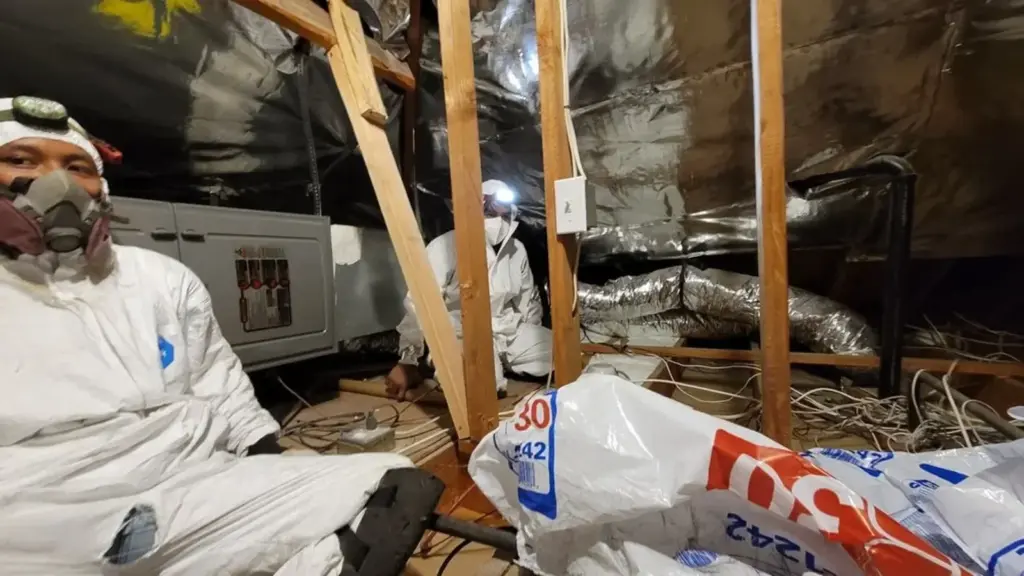
A professional attic insulation service starts with a proper inspection, not a sales pitch. A technician accesses the attic and measures the existing insulation depth at multiple points, checks the current R-value, inspects for moisture damage or pest activity, examines the condition of any ductwork running through the attic space, and identifies air sealing opportunities.
At LA Attic Pro, this assessment also looks at ventilation. Attic ventilation and insulation work together. Blocking soffit vents with new insulation is a common installation error that can cause moisture buildup and reduce the effectiveness of what you just paid for. Proper baffles (also called rafter vents or vent chutes) are installed along the eaves before any new material goes down, maintaining a clear air channel from soffit to ridge.
You will receive a scope of work from this visit, including the target R-value, the material recommended, the depth to be achieved, and whether any preparatory work like air sealing, old insulation removal, or attic cleaning needs to happen first.
Step 2: Preparing Your Home and Attic Access
Most homeowners are surprised by how little disruption the actual installation causes inside the house. The access hatch, usually a panel in a hallway ceiling or a closet, is the primary entry and exit point. The crew will lay down drop cloths to protect flooring and walls near the access point, since the blowing hose runs from a machine outside (typically parked in the driveway) up through the hatch.
A few things you can do the day before to make the process smoother:
- Clear a path to the attic access hatch, removing furniture or stored items directly below it.
- Move any vehicles out of the driveway so the equipment truck has clear access.
- Confirm that the attic hatch opens freely and is not painted shut or blocked by shelving.
- If you have items stored in the attic, ask your contractor in advance whether they need to be moved. Most attic floors are not safe for heavy storage once new insulation is installed to full depth, since the joists become obscured.
If old insulation removal is part of the scope, that step happens before new material goes in. Removal uses a high-powered vacuum that feeds into a collection bag in the truck, so contaminated material never passes through your living space.
Step 3: Air Sealing Before Insulation Goes Down
This step is often skipped by less thorough contractors, and it is the single biggest factor separating a good installation from a great one. Air sealing means applying foam or caulk to every gap where conditioned air can escape from the living space into the attic. Common locations include:
- Top plates where interior walls meet the attic floor
- Recessed light fixtures (unless they are rated IC/AT, meaning insulation contact and airtight)
- Plumbing and electrical penetrations through the ceiling
- Attic hatch frames
- Gaps around HVAC equipment or ductwork connections
Air sealing adds time to the job, but the energy savings it produces often exceed those from the insulation itself. Think of insulation as a blanket and air sealing as the zipper that keeps the blanket closed.
Step 4: Installation Day
Once prep work is complete, the actual blowing process moves quickly. A two-person crew typically handles it: one technician operates the blowing machine outside while the other guides the hose inside the attic, working from the far corners toward the access hatch.
Depth markers, small plastic rulers stapled to the joists at regular intervals, are placed throughout the attic before blowing begins. They give the installer a visual target and provide documentation that the correct depth was reached. A finished attic in Camarillo targeting R-38 will typically show roughly 10 to 12 inches of blown fiberglass or 8 to 10 inches of cellulose, depending on the product’s specific R-value per inch.
For an average Camarillo home with roughly 1,200 to 1,800 square feet of attic floor area, the blowing phase itself often takes two to four hours. If old insulation removal and air sealing are included, plan for a full day.
You can remain in your home during the work. The main inconvenience is the sound of the blowing machine, which is similar in volume to a leaf blower running outside. HVAC systems are typically shut off during installation to prevent insulation fibers from being drawn into the return air system.
Step 5: Post-Installation Walkthrough and Documentation
Before the crew leaves, a walkthrough confirms that depth markers are visible and consistent, the attic hatch has been re-insulated and sealed, soffit baffles are in place and clear, and the work area inside your home has been cleaned up.
A good attic insulation contractor in Camarillo will provide written documentation of the work completed, including the material used, the installed R-value, and the square footage covered. Keep this paperwork. It is useful for permit records, future home sales, and any applicable utility rebates. Southern California Edison and SoCalGas have periodically offered rebates for insulation upgrades that meet certain efficiency thresholds. Your contractor should be able to tell you whether current programs apply to your project.
What a Quality Installation Actually Looks Like (And What to Watch For)
Signs the Job Was Done Right
After the crew leaves, you can do a quick visual check from the attic hatch without climbing in. Properly installed blown insulation should be level and consistent in depth across the visible attic floor. Depth markers should be partially buried but still readable. You should not see bare spots near eaves, around recessed lights, or along the perimeter where the roof slope meets the floor.
Within a few days of installation, many homeowners notice that rooms that previously felt drafty or hard to heat and cool become more comfortable. The HVAC system may run for shorter cycles. These are the practical results of a properly air-sealed and insulated attic.
Questions Worth Asking Your Contractor Before Work Begins
Not every attic insulation service in Camarillo approaches the job the same way. Before signing a contract, these questions help you understand what you are getting:
- What is the target R-value, and how does that meet California Energy Code for my climate zone? Camarillo falls in CEC Climate Zone 6. Your contractor should know the applicable minimums.
- Will you air seal before insulating, and what locations will you address?
- How will you protect my soffit ventilation? Ask specifically about baffles.
- What happens if you find pest damage or moisture during the inspection? Know the process before work starts.
- What documentation will I receive after the job?
- Are you licensed and insured in California? Insulation installation requires a C-2 (Insulation and Acoustical) or B (General Building) contractor license in California.
When Removal Is Necessary Before New Insulation
Adding new insulation on top of old is sometimes appropriate, but not always. Removal is the right call when existing insulation shows signs of rodent contamination (droppings, nesting, urine saturation), visible mold or moisture damage, significant compression that has destroyed its R-value, or when the old material contains vermiculite (a potential asbestos concern in homes built before the mid-1980s).
attic insulation removal is a service LA Attic Pro handles before new installation in these situations, ensuring the new material goes down on a clean, properly prepared surface rather than on top of a problem.
How Long Will the Results Last?
Expected Lifespan of Blown-In Insulation
Blown fiberglass and cellulose, when properly installed and not disturbed by pests or moisture, can maintain their performance for decades. Fiberglass does not settle significantly and does not degrade unless it gets wet repeatedly. Cellulose may settle by 15 to 20 percent over the first few years, which is why installers account for this by adding extra depth at installation. Neither material requires replacement on any fixed schedule as long as the attic stays dry and pest-free.
The bigger threat to insulation longevity in Camarillo is rodent activity. Roof rats are common throughout Ventura County. A single rodent intrusion can contaminate and compress insulation in a matter of weeks. This is why rodent proofing, sealing entry points around the roofline and eaves, is worth considering alongside any insulation project if your attic shows signs of past activity.
Maintenance After Installation
Attic insulation is largely a set-it-and-forget-it improvement, but a few habits help protect your investment. Check your attic hatch seal annually to make sure it has not warped or pulled away from the frame. After any roof work, confirm that roofers have not displaced insulation near penetrations or access panels. If you ever notice a sudden change in your home’s comfort or energy use, an attic inspection can catch problems early before they require a full reinstall.
Working With LA Attic Pro on Your Camarillo Installation
What Makes a Local Contractor the Right Choice
Hiring a local attic insulation contractor in Camarillo means working with a team that understands the specific climate conditions, building stock, and permitting environment in Ventura County. LA Attic Pro serves homeowners throughout the area and approaches each project with a full inspection first, not a one-size-fits-all quote. The goal is to identify what your attic actually needs and deliver that, whether it is a straightforward top-up of existing insulation or a complete removal, air sealing, and reinstall.
With a 5-star rating across 34 Google reviews, the team has built its reputation on transparent communication and thorough work. Homeowners consistently mention that the process felt clear and the results were noticeable.
Services That Often Pair With Insulation Installation
Attic insulation rarely exists in isolation. Depending on what the inspection turns up, your project may also involve attic cleaning and sanitation to address existing contamination, insulation removal if old material is compromised, rodent proofing to seal entry points and prevent future damage, or air duct inspection and repair if ductwork running through the attic shows signs of leakage or deterioration. LA Attic Pro handles all of these services, which means you work with one contractor rather than coordinating multiple trades.
Frequently Asked Questions About Attic Insulation Installation in Camarillo
How long does attic insulation installation typically take?
For most Camarillo homes, a straightforward blown-in installation takes four to six hours. If old insulation removal and air sealing are included, the full project usually runs a full day. Your contractor should give you a time estimate as part of the written scope.
Do I need to leave my home during the installation?
No. You can stay home during the work. The main inconvenience is noise from the blowing machine outside. The HVAC system will be shut off temporarily, so plan for that if the weather is extreme. Dust and fiber exposure inside the home is minimal when the access hatch is properly managed.
What R-value do I need for my Camarillo home?
Camarillo falls in California Energy Code Climate Zone 6. Current code minimums for attic insulation in new construction are R-38 or higher, and most energy efficiency programs recommend R-49 for maximum benefit. Your contractor should measure your existing R-value and recommend the appropriate upgrade depth.
Can new insulation be added on top of old insulation?
Yes, in many cases. If existing insulation is dry, uncontaminated, and structurally intact, adding new blown-in material on top is a common and effective approach. If the old material is damaged, contaminated, or contains potentially hazardous materials, removal first is the right call.
Will attic insulation help reduce my energy bills?
A properly air-sealed and insulated attic reduces the load on your HVAC system by limiting heat transfer through the ceiling. Most homeowners notice shorter run cycles and more consistent room temperatures. The actual reduction in energy use varies based on your home’s size, existing insulation levels, and how well the rest of the building envelope is sealed.
Is a permit required for attic insulation installation in Camarillo?
Permit requirements vary. In many California jurisdictions, adding insulation to an existing attic does not require a permit, but replacing or significantly altering the structure may. Requirements vary by project scope and local ordinance, so confirm with the City of Camarillo’s building department or ask your contractor, who should be familiar with local requirements.
Ready to Schedule Your Attic Insulation Project?
A well-insulated attic is one of the most cost-effective improvements a Camarillo homeowner can make to improve comfort and reduce energy waste. The process is straightforward when you work with a contractor who takes the time to assess your attic properly, air seal before insulating, and document the finished work. If you are ready to move forward, schedule your attic insulation inspection with LA Attic Pro and get a clear picture of what your attic needs before any work begins.