
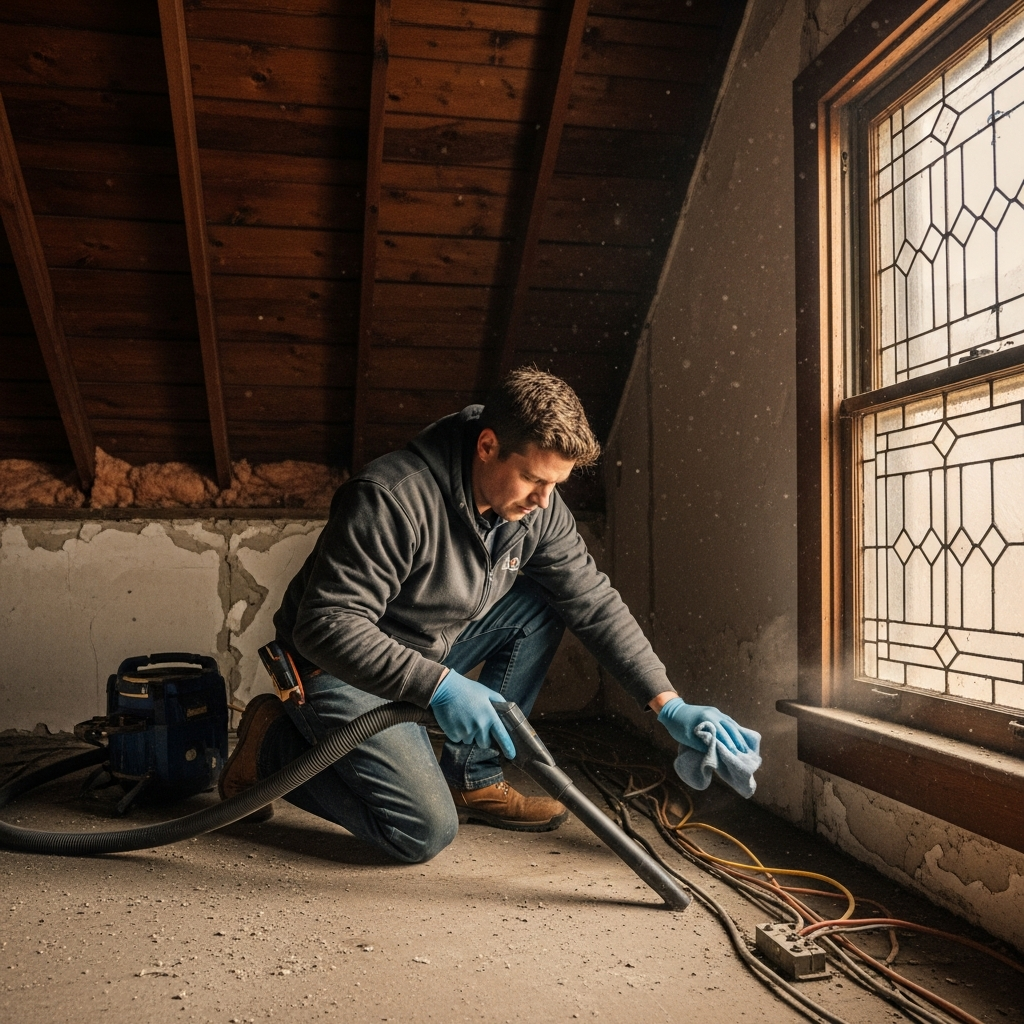
Step into an older Los Angeles home and you can feel its history in the cool touch of original plaster, the creak of well-seasoned joists, and the play of light through leaded glass. These houses—Craftsman bungalows in Highland Park, Spanish Revival gems in Mid-City, mid-century ranches in the Valley—reward care with beauty and comfort. They also have quirks that make them especially inviting to rodents: generous attic volumes, decorative vents, clay tile eaves, and utility penetrations that have accumulated across decades of upgrades. When activity occurs, thorough rodent sanitation is what restores the quiet, clean equilibrium you love without compromising the character you cherish.
As someone who has crawled through knee walls and navigated low-slope roofs from Echo Park to San Marino, I have learned that older homes need a tailored approach rooted in respect for materials and an understanding of how these structures breathe. The goal is not only to clean but to preserve, to leave spaces safer and fresher without accidental damage to vintage finishes or fragile assemblies.
Start with a gentle, thorough assessment
Before a single bag is filled, walk the house with a historian’s eye and a technician’s checklist. Note original vents that might crumble if pulled, fragile lath-and-plaster that transmits vibration, and under-house access points that are tight or offset. In many older Los Angeles homes, attics contain knob-and-tube electrical remnants and brittle wiring insulation; sanitation must proceed with low-disturbance methods and clear sight lines. In crawlspaces, watch for shallow clearances and post-to-beam connections that collect debris. This unhurried assessment shapes a plan that balances care with effectiveness.
Photograph problem areas and discuss priorities with the homeowner: which storage boxes hold sentimental items, which built-ins conceal access hatches, which rooms require special protection. When clients feel heard about their home’s story, they are more comfortable with the work and more willing to grant the access that a thorough sanitation requires.
Containment is kindness to the house
Older finishes reward restraint. Use painter-friendly tape and wrap to protect door casings and baseboards; set up zipper barriers that do not tug at delicate plaster; and deploy HEPA air scrubbers to keep fine dust from migrating into living spaces. The idea is to leave the home cleaner than you found it, with work zones that feel like carefully staged sets rather than construction sites. This level of containment reduces cleanup time inside the rooms that mean the most—nurseries with restored wainscoting, dining rooms with original built-ins, and hallways where family photos line the wall.
HEPA vacuuming and selective removal
Older attics often hold a patchwork of insulation—some original, some added—along with decades of dust. The first pass with a HEPA vacuum captures fine particulates from top plates, joists, and the upper surfaces of plaster ceilings. Selective removal of insulation follows where contamination is heavy. The key is to avoid over-demolition; remove what is necessary to eliminate reservoirs of odor and bacteria while preserving intact, uncontaminated material where appropriate. In many Spanish Revival homes, for example, the curve of the roofline means insulation tucks into hard-to-reach eave spaces; special nozzles and patient technique help clean these areas without stressing clay tiles above.
In crawlspaces, begin by lightly damping areas to prevent dust migration, then remove droppings and nesting with slow, deliberate motions. Bag materials at the source and keep pathways short to avoid brushing against foundation walls or ductwork that may have aged mastic and fragile seams. The rhythm should be careful rather than hurried, respecting the way old wood and old plaster carry sound and vibration.
Product selection that respects vintage materials
Disinfectants and cleaners should be chosen for both efficacy and compatibility. Low-odor products help maintain the home’s calm, and formulations suitable for wood, metal, and masonry protect finishes. Allow proper contact times, ventilate thoughtfully, and use microfiber wipes that do not shed. On stained or sealed wood in attics—rafters, purlins, or decking—apply treatments that will not raise grain or leave a sticky film. In living areas, avoid harsh agents on original tile or stone; thorough wiping and air exchange often accomplish the goal after source materials have been removed.
Odor control without overpowering character
No one wants a historic home to smell like chemicals. Once contaminated materials are gone, air the space. Cross-ventilate attics with care, use negative air during the process, and let the structure dry completely. Enzymatic treatments can help neutralize persistent residues on framing, especially in concentrated areas. The litmus test is simple: when you open the attic hatch or kneel near a floor vent, you should sense nothing but the neutral smell of clean, aged wood and dry air.
Mind the details unique to older LA homes
Clay tile roofs hide voids that invite nesting. Decorative gable vents may be wide open behind their screens. Built-in ironing boards, laundry chutes, and unused chimneys can become dust pathways. During sanitation, inspect these features so that no hidden reservoir remains. In hillside homes with pier-and-beam foundations, note where slope has carried debris into one corner; in flatland bungalows, check for low spots near plumbing where moisture lingers. Each small detail you address improves the whole.
Equally important is how you exit. Clean your way out, leaving hatches and access points dusted and edges wiped. A neat exit reassures homeowners that the sanctity of their space has been honored. It also makes the final walkthrough a pleasure rather than a punch list.
Middle-of-the-project wisdom: pace and presence
There is a distinctive quiet that settles into an older home mid-sanitation. Dust settles into sealed bags, air scrubbers hum steadily, and the house feels lighter. This is the moment to verify that progress matches plan, that no fragile vent or wire has been stressed, that boxes of keepsakes remain pristine. It is also the moment to remind owners about habits that keep results strong: careful food storage, weekly checks of fruit on the counter, and steady attention to yard waste bins. This is where the quiet power of rodent sanitation becomes part of the home’s routine rather than a one-time event.
Conversation as a preservation tool
Older homes are personal. Share findings in plain language. Show a photo of a dust-choked soffit, explain why a specific disinfectant was chosen for old-growth framing, and outline the next steps without jargon. When homeowners understand what you have done and why, they become allies in protecting the results. They will check that attic hatch twice a year, trim bougainvillea off the eaves, and call early if a new odor appears.
What success looks and feels like
After a proper sanitation, you open a linen closet that backs to the attic and smell only linen. You kneel by a floor register and breathe neutral air. You cook without an odd undertone in the kitchen. The character of the home feels intact, yet the background is quieter and cleaner. That is success. It is subtle, but it changes daily life—especially in Los Angeles, where we rely on open windows and fans to keep cool, and where our pets and kids move easily between indoors and out.
Frequently asked questions
Will sanitation damage my home’s original materials?
When planned and executed with attention to the building’s age, sanitation protects rather than harms. Crews use containment that is gentle on plaster and wood, select compatible cleaners, and remove only what is necessary. The aim is a cleaner, healthier home with its vintage details preserved.
Do I need to vacate during the process?
Most homeowners remain in place. With good containment, negative air, and low-odor products, daily routines continue with minimal disruption. You may prefer to step out during the noisiest phases, but bedrooms and living areas typically stay comfortable.
How do older roofs and vents affect sanitation?
Decorative vents, clay tiles, and aging screens create hidden pockets where debris collects. Sanitation plans include special attention to these features to ensure no reservoir remains. The work is careful and considerate of fragile elements.
Is insulation replacement always required?
No. It depends on the level of contamination. Light, localized issues may be addressed with HEPA vacuuming and targeted treatment. Heavier contamination or urine saturation often warrants removal and replacement for lasting odor and health benefits.
How can I keep results strong after cleanup?
Adopt simple habits: manage counter fruit, store dry goods in sealed containers, keep pet food picked up, and maintain vegetation and yard waste. Schedule quick seasonal checks of attics and crawlspaces to catch small issues early.
If your beloved Los Angeles home needs a quieter, cleaner backdrop, bring in a team that respects history as much as hygiene. With careful planning, light hands, and proven rodent sanitation, you can protect your home’s character while restoring the fresh, neutral air that makes every room more inviting.