
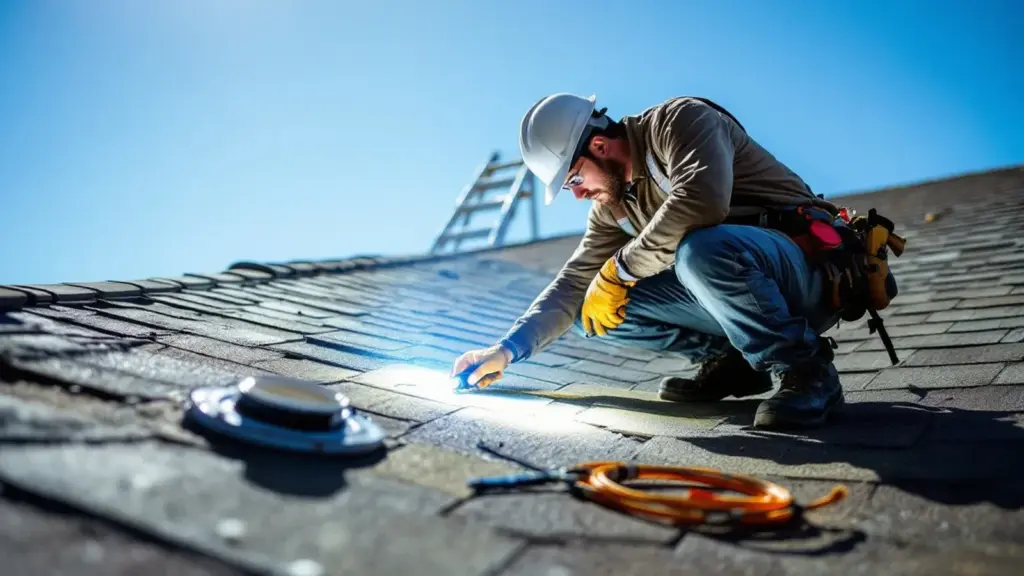
Attic Insulation in Los Angeles: What Buyers Actually Need to Know Before Hiring Anyone
You searched, you found a few listings, and then… nothing felt right enough to click. That hesitation is not irrational. Hiring an attic insulation contractor in Los Angeles is a real investment, and most search results offer almost no information that helps you decide who to trust. This guide cuts through the noise: what a legitimate contractor does, what red flags look like, and what a proper quote should actually contain.
Why Los Angeles Homes Have Unique Insulation Challenges
The Climate Is Deceptive
Los Angeles weather feels mild, so many homeowners assume insulation is less critical here than in colder climates. The opposite is often true. Southern California attics bake in summer heat, routinely reaching temperatures well above what you feel indoors. Without adequate insulation, that radiant heat pushes straight into your living space, forcing your air conditioner to run longer and work harder. The result shows up on your utility bill every month, not just in July.
Older homes across Los Angeles neighborhoods, from the San Fernando Valley to the Westside, were frequently built with insulation levels that made sense under older energy codes. Those standards have since been updated significantly. Many homes are running on decades-old fiberglass batts that have settled, compressed, or been disturbed by pest activity, losing much of their original thermal performance.
Pest Activity Complicates Everything
Rodent intrusion is a persistent reality in LA attics. Rats and mice nest in insulation, contaminate it, and compress it in ways that destroy its R-value. A contractor who quotes you new insulation without first assessing for pest damage or recommending rodent proofing is skipping a step that will cost you later. The insulation you install today should go over a clean, sealed attic, not on top of compromised material.
LA Attic Pro addresses this directly: rodent proofing and sanitation are part of the service offering because insulation installation done without that foundation rarely holds its value.
Air Sealing Is the Step Most Contractors Skip
Here is a fact that surprises many homeowners: adding new insulation on top of existing air leaks delivers a fraction of the expected benefit. Insulation slows conductive heat transfer. It does almost nothing to stop conditioned air from escaping through gaps around recessed light cans, plumbing chases, top plates, and attic hatches. Those gaps need to be sealed before insulation goes in. A contractor who skips air sealing is not cutting a corner quietly. They are leaving your biggest efficiency opportunity on the table.
Ranking Doesn’t Mean Trustworthy: What to Look for in Search Results
The Information Gap That Keeps Buyers from Clicking
Most attic insulation listings in Los Angeles look identical at a glance: a business name, a star rating, a phone number, and a generic tagline. Nothing in that snippet tells you whether the company will show up on time, pull permits if required, or explain what they found in your attic before they start work. Buyers who hesitate are right to hesitate. The problem is not that they are too cautious. The problem is that most listings give them nothing to act on.
What actually builds trust before a first call? Specificity. A contractor who explains their process, names the materials they use, and describes what a real inspection involves signals competence. One who leads with a vague promise and a discount signal signals the opposite.
Reviews Tell You More Than Star Counts
A 5-star average matters less than what the reviews actually say. Look for mentions of specific process steps: did the crew inspect before quoting, did they explain the R-value recommendation, did they clean up after the job? LA Attic Pro carries 34 Google reviews with a 5-star average, and the pattern in those reviews matters more than the number itself. Generic five-star reviews that say only “great service” are nearly impossible to evaluate. Reviews that describe the job, the crew behavior, and the outcome give you something real to weigh.
Licensing, Insurance, and Permits
California requires contractors to hold a valid CSLB license for this type of work. Ask for the license number before any work begins, and verify it on the CSLB website. Insurance is equally non-negotiable: general liability and workers’ compensation protect you if something goes wrong on your property. As for permits, requirements vary by municipality and scope of work, so the honest answer is to ask your contractor and, when in doubt, check with your local building department. A contractor who dismisses the permit question is not someone you want on your roof.
What a Real Attic Insulation Quote Should Include
An Actual Attic Inspection Comes First
A legitimate quote starts with someone physically going into your attic. They should measure the existing insulation depth, assess its condition, check for moisture or pest damage, identify air leakage points, and note any ductwork concerns. If a contractor quotes you over the phone based on square footage alone, that quote is not reliable. Attic conditions vary enormously, even between houses on the same street.
After the inspection, a good contractor explains what they found in plain language: current R-value, target R-value for your climate zone, whether removal is needed, and whether air sealing should happen first. You should leave that conversation understanding why they are recommending what they are recommending.
Material Specifications Matter
Your quote should name the material being installed, not just say “insulation.” The main options for attic applications are blown-in fiberglass, blown-in cellulose, and spray foam (typically used for air sealing rather than bulk insulation). Each has different performance characteristics, installation requirements, and appropriate use cases.
- Blown-in fiberglass: Lightweight, non-combustible, resistant to moisture absorption, and well-suited to Los Angeles’s dry climate. Settles less than cellulose over time.
- Blown-in cellulose: Made from recycled paper treated with borate for fire and pest resistance. Dense-pack installation reduces air movement through the insulation layer itself.
- Spray foam (open or closed cell): Used primarily to seal gaps and penetrations before bulk insulation is installed. Closed-cell foam also adds structural rigidity and a vapor barrier. Open-cell foam is more vapor-permeable and typically used in specific applications.
The quote should also specify the installed depth and the resulting R-value. California’s Title 24 energy code sets minimum R-value requirements that vary by climate zone. Los Angeles County spans multiple climate zones, so the right target for your home depends on your specific location. A contractor who cannot tell you the target R-value they are designing to is not someone who knows the code.
What Removal and Disposal Involves
If your existing insulation is contaminated, compressed beyond usefulness, or simply too thin to build on effectively, removal comes first. This is not a minor step. Old insulation is vacuumed out using commercial-grade equipment, bagged, and hauled away. The attic is then cleaned and, if pest activity was present, sanitized before new material goes in. Your quote should specify whether removal is included, how disposal is handled, and what the attic will look like before installation begins.
attic insulation removal and installation done as a complete process, from inspection through air sealing through new material, consistently outperforms piecemeal approaches where each step is treated as optional.
Red Flags That Should Stop a Hire in Its Tracks
The Quote Arrives Before the Inspection
This is the single most reliable warning sign. If a contractor sends a quote, gives a price range, or describes a scope of work before anyone has physically been in your attic, walk away. There is no legitimate way to scope an attic insulation job without seeing the attic. A quote built on assumptions protects the contractor, not you.
No Discussion of Air Sealing
A contractor who never mentions air sealing, or who treats it as an unnecessary add-on, is either unaware of how building science works or is cutting scope to win on price. Either outcome is bad for you. Ask directly: do you air seal before installing insulation? What penetrations do you typically address? If the answer is vague or dismissive, that tells you something important.
Pressure to Decide Immediately
Legitimate contractors give you a written quote and time to consider it. High-pressure tactics, urgency framing, or offers that disappear if you don’t sign today are not signs of a busy, in-demand company. They are signs of a sales process designed to prevent you from comparing options carefully. Take the time you need. A good contractor expects that.
The Duct Connection: Why Insulation Alone Is Sometimes Not Enough
Leaky Ducts Undermine New Insulation
Your attic likely contains HVAC ductwork. If those ducts are leaking, conditioned air is escaping into the attic space before it ever reaches your living areas. You can install the best insulation available and still see disappointing results on your energy bills if the duct system is compromised. A thorough attic assessment should at minimum note the visible condition of ductwork and flag obvious disconnections or damage.
LA Attic Pro offers air duct replacement and repair alongside insulation services precisely because these systems interact. Addressing insulation without considering duct condition is like fixing one side of a leaking bucket.
When Duct Replacement Makes Sense
Flex duct that has been crushed, kinked, or disconnected at joints is not repairable in any meaningful sense. Older duct systems with fiberglass duct board that has deteriorated, or metal ducts with failing mastic seals, often cost more to repair repeatedly than to replace once. An honest contractor will tell you when replacement is the more practical path and when targeted repair is sufficient. If every job they do involves full replacement, that is worth questioning. If they never recommend it regardless of conditions, that is also worth questioning.
How to Compare Multiple Quotes Without Getting Lost
Build a Comparison Framework
When you collect quotes from multiple contractors, the numbers alone are not comparable unless the scope is identical. Use this framework to evaluate each quote on equal terms:
| What to Compare | What a Strong Quote Includes | What a Weak Quote Leaves Out |
|---|---|---|
| Inspection process | Physical attic entry, written findings | Phone estimate, square footage only |
| Material specification | Named product, R-value, installed depth | “Insulation” with no further detail |
| Air sealing | Explicitly included, penetrations listed | Not mentioned or offered as costly add-on |
| Existing insulation | Removal scope defined, disposal included | Assumes installation over existing material |
| Pest assessment | Noted in inspection, addressed if present | Not discussed |
| Licensing and insurance | CSLB number provided on request | Deflected or unverifiable |
| Timeline and cleanup | Clear completion window, cleanup included | Vague or not addressed |
The Lowest Quote Is Rarely the Best Value
This is not a knock on affordability. It is a structural reality of how attic insulation jobs are scoped. A quote that omits air sealing, skips removal of contaminated material, or uses a lower-grade product will look cheaper on paper. The comparison only holds if the scope is the same. When you force apples-to-apples comparison using the framework above, the gap between quotes often narrows considerably, and the reasons for remaining differences become visible and evaluable.
Ask About What Happens After
What does the contractor do if you notice a problem after the job is done? A reputable company stands behind its work. Ask directly: what is your warranty on labor, and what is the manufacturer warranty on the material? Get the answers in writing as part of the quote. A contractor who hedges on this question is telling you something about how they handle problems.
What Working with LA Attic Pro in Los Angeles Actually Looks Like
The Inspection-First Approach
LA Attic Pro starts every job with a physical attic inspection. The crew assesses existing insulation condition and depth, checks for pest evidence, identifies air leakage points, and reviews visible ductwork. You get a clear picture of what is actually in your attic before any scope or recommendation is made. That inspection informs everything: whether removal is needed, which material makes sense, and whether air sealing should be prioritized.
This is not a sales tactic. It is the only way to write a quote that reflects the actual job.
Serving Los Angeles and the Surrounding Area
LA Attic Pro works across Los Angeles and extends into Ventura County, including Camarillo and surrounding communities. The climate and building stock vary across this service area, and the team’s familiarity with local attic conditions, common pest pressures, and applicable code requirements reflects years of work in these specific markets. That local knowledge changes how a job gets scoped and what recommendations make sense for your specific home.
A Complete Service, Not a Single Step
The full range of services, from attic cleaning and insulation installation through rodent proofing, sanitation, and air duct work, exists because attic problems rarely arrive in isolation. A homeowner who needs new insulation often also has compromised ductwork or past pest activity that needs to be addressed first. Being able to handle the complete picture in one engagement means fewer handoffs, cleaner accountability, and a result that actually holds.
Frequently Asked Questions
How do I know if my attic insulation actually needs replacing?
Signs include visible settling or thinning of existing material, evidence of rodent nesting or moisture damage, and energy bills that seem high relative to your home’s size and age. The only reliable answer comes from a physical inspection that measures current depth and assesses material condition. Guessing from the outside is not reliable.
What R-value do I need for a Los Angeles home?
California’s Title 24 energy code sets minimum requirements that vary by climate zone. Los Angeles County spans several zones. A contractor working in your specific area should be able to tell you the applicable target R-value for your location. As a general reference, most LA-area attics benefit from reaching at least R-38, with some climate zones calling for R-49 or higher.
Is it worth air sealing if I’m already adding new insulation?
Yes, almost always. Air sealing addresses a different mechanism than insulation does. Insulation slows conductive heat transfer. Air sealing stops convective heat loss through gaps and penetrations. Doing one without the other leaves significant efficiency on the table. The cost of air sealing at the time of insulation installation is almost always lower than returning later to do it as a separate job.
How long does an attic insulation installation take?
For most single-family homes, a complete job including removal of old material, air sealing, and installation of new blown-in insulation takes one to two days. Larger homes, complex attic configurations, or significant pest remediation work can extend that timeline. Your contractor should give you a realistic completion window as part of the quote.
Do I need a permit for attic insulation in Los Angeles?
Permit requirements vary by municipality and project scope. Some jurisdictions require permits for insulation work, particularly when it involves removal or when the project is tied to an HVAC change. Check with your local building department or ask your contractor to clarify what applies to your specific project and location.
What should I do to prepare before the crew arrives?
Clear a path to the attic access point and remove any stored items near the hatch. If the attic is accessed through a closet or bedroom, move clothing and furniture away from that area. Your contractor should give you a specific prep list based on your home’s configuration. Beyond that, most of the preparation work happens on the contractor’s side, not yours.
Conclusion
Choosing an attic insulation contractor in Los Angeles comes down to one thing: specificity. Contractors who inspect before quoting, explain their material choices, include air sealing in the scope, and stand behind their work are worth your time. Those who skip steps, pressure quick decisions, or offer vague scopes are not. You now have the framework to tell the difference. When you’re ready to get a real assessment of your attic, schedule your attic insulation inspection with LA Attic Pro and find out exactly what your home needs.