
Keeping your home comfortable throughout the year does not have to mean constantly adjusting the thermostat. When insulation is inadequate, heated or cooled air can escape through the attic, walls, floors, and other parts of the building envelope. This forces your heating and cooling system to work harder to maintain a comfortable temperature. Professional Insulation Installation helps reduce unwanted heat transfer, improve indoor comfort, and limit energy waste.
Many homeowners overlook insulation because it remains hidden behind walls or above ceilings. However, its condition can significantly affect how efficiently a home maintains its temperature. Identifying weak spots and improving insulation coverage can help create a more comfortable living environment while supporting better energy performance.
How Insulation Helps Prevent Energy Waste
Insulation creates a barrier that slows the movement of heat between indoor and outdoor spaces. During colder months, it helps keep warmth inside. In summer, it slows outdoor heat from entering the home. Without sufficient insulation, indoor temperatures can fluctuate more quickly, increasing the demand on heating and cooling equipment.
Attics and roofs are common areas where insufficient insulation can contribute to heat loss or heat gain. Exterior walls, floors, and crawl spaces may also need attention, depending on the home’s construction and local climate. A professional assessment can identify areas where insulation is missing, damaged, compressed, or no longer performing as intended.
Proper coverage is essential for achieving reliable results. Even high-quality materials may perform poorly when installers leave gaps or overlook difficult-to-reach spaces. Well-planned Insulation Installation addresses these weaknesses and helps your home maintain more consistent temperatures with less unnecessary energy use.
Improve Indoor Comfort and HVAC Performance
Energy waste often goes hand in hand with uneven indoor temperatures. You may notice that upstairs bedrooms become warmer than other rooms in summer or that certain areas remain chilly during winter. These differences can result from inadequate insulation, air leakage, ventilation problems, or a combination of factors.
Insulation helps reduce temperature fluctuations by slowing heat transfer through the building envelope. When combined with appropriate air sealing, it can also help reduce drafts caused by gaps around pipes, attic access points, windows, and other openings. Since insulation does not automatically seal every air leak, addressing both issues can produce better overall results.
When conditioned air stays inside more effectively, your HVAC system may not need to run as frequently to maintain the desired temperature. Actual energy savings depend on the home’s condition, climate, equipment efficiency, and existing insulation levels, but improving weak areas can be an important step toward greater efficiency.
Choose the Right Insulation for Your Home
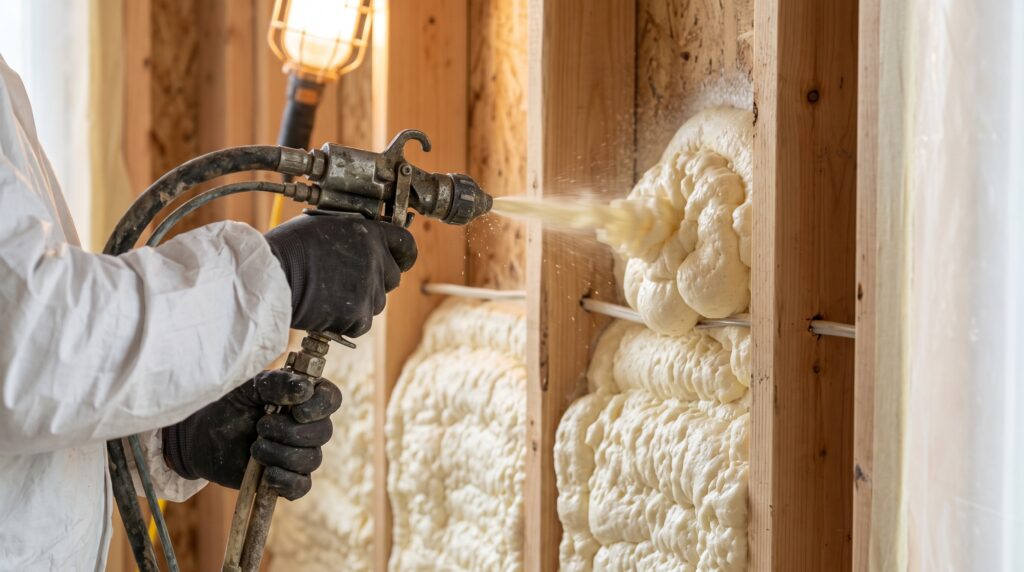
Different insulation materials offer different benefits. Fiberglass is commonly used in attics and wall cavities, cellulose can be suitable for certain enclosed or open spaces, and spray foam can help insulate and seal selected areas when installed appropriately. The right choice depends on the property’s structure, moisture conditions, and performance requirements.
Professional installers can evaluate existing materials, identify potential air leaks, and recommend improvements based on your home’s needs. They also consider ventilation and moisture control, which are important for maintaining a healthy and durable building envelope.
Investing in suitable Insulation Installation can help reduce avoidable energy loss while supporting comfort in every season.
Frequently Asked Questions
Can insulation lower energy consumption?
Yes. Effective insulation slows heat transfer and may reduce the amount of heating or cooling needed to maintain comfortable indoor temperatures. Results vary depending on the home and its existing systems.
Where should insulation improvements begin?
The attic is often a useful starting point, but exterior walls, floors, and crawl spaces may also require attention. A home assessment can help determine the most important areas.
Does insulation eliminate drafts?
Not always. Insulation reduces heat transfer, while air sealing addresses gaps that allow outside air to enter. Combining both approaches can improve comfort and energy performance.
How often should home insulation be inspected?
Consider an inspection when you notice drafts, uneven temperatures, moisture issues, or unusually high energy use. An assessment is also useful when renovating or upgrading your home’s energy efficiency.
Take a practical step toward a more efficient and comfortable home by addressing insulation problems before they continue wasting energy. Contact a professional to evaluate your property’s needs and identify the most effective improvements. With properly planned Insulation Installation, you can help maintain consistent indoor temperatures, reduce unnecessary energy use, and enjoy greater comfort throughout the year.