
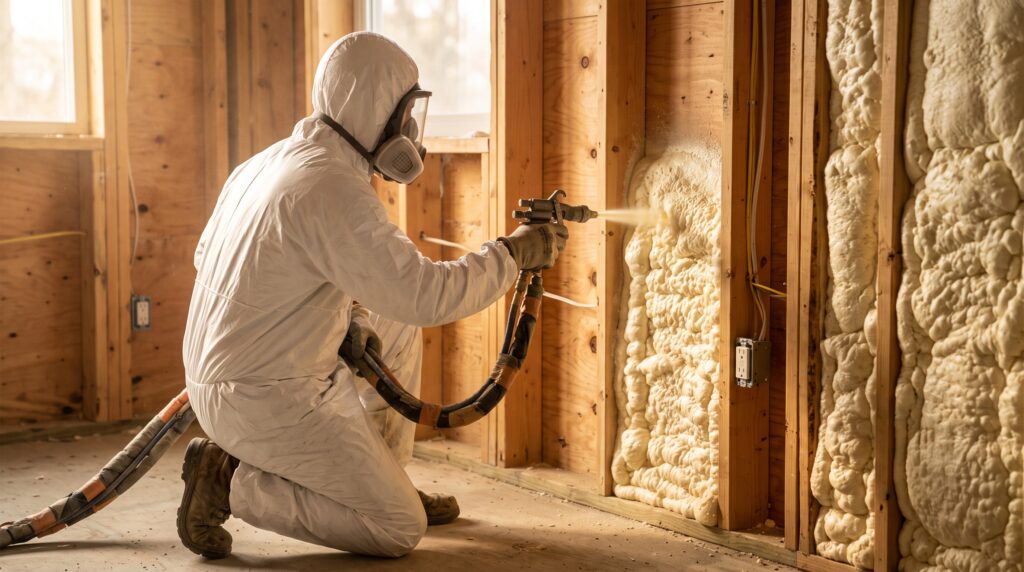
Maintaining a comfortable home throughout the year starts with effective insulation. When outdoor temperatures change, poorly insulated areas can allow heat to escape during colder months and enter during warmer weather. These fluctuations can make rooms uncomfortable and force heating and cooling systems to work harder. Professional Insulation Installation helps regulate indoor temperatures, reduce unwanted heat transfer, and create a more consistent environment for your household.
Although insulation often remains hidden behind walls and above ceilings, it plays an essential role in your home’s overall performance. Choosing the right materials and ensuring proper coverage can help address common comfort problems while supporting energy efficiency. Whether you are upgrading an older property or improving a recently purchased home, a well-planned insulation project can provide lasting benefits.
How Quality Insulation Supports Indoor Comfort
Insulation slows the movement of heat between your home and the outdoors. During winter, it helps retain warmth inside the building. During summer, it reduces the amount of outdoor heat entering through the roof, walls, and other insulated areas. This thermal barrier helps maintain more stable indoor conditions, even when temperatures outside fluctuate.
Different areas of a home may require different insulation solutions. Attics, exterior walls, floors, and crawl spaces all contribute to overall thermal performance. Fiberglass, cellulose, and spray foam are commonly used materials, but the appropriate option depends on the building’s structure, climate, moisture conditions, and existing insulation.
Proper installation is equally important. Gaps, compressed materials, and uneven coverage can reduce insulation effectiveness. Professional Insulation Installation focuses on identifying vulnerable areas and applying suitable materials to help improve comfort throughout the home.
Reduce Drafts and Improve Energy Efficiency
Persistent drafts can make certain rooms feel colder or warmer than the rest of the house. These problems often occur when outside air enters through gaps around windows, doors, plumbing penetrations, electrical fixtures, or attic access points. Insufficient insulation can make the resulting temperature differences even more noticeable.
Insulation and air sealing work together, but they serve different purposes. Insulation slows heat transfer, while air sealing limits the movement of air through unwanted openings. Addressing both issues can help reduce drafts and improve the performance of your home’s heating and cooling systems.
When indoor temperatures remain more consistent, your HVAC equipment may not need to work as hard to maintain the thermostat setting. Actual energy savings depend on factors such as your climate, equipment, and existing insulation levels. However, correcting insulation deficiencies is an important step toward reducing unnecessary energy use and improving everyday comfort.
Why Professional Installation Makes a Difference
Effective insulation requires more than simply filling empty spaces. Installers must consider the building envelope, ventilation requirements, moisture control, and the condition of existing materials. Poorly planned work can leave thermal gaps or create moisture-related concerns in certain building assemblies.
A professional evaluation helps determine where insulation is missing, damaged, or insufficient. It can also reveal whether air leaks or ventilation issues need attention before new materials are installed. This approach helps homeowners choose appropriate improvements rather than relying on guesswork.
Investing in expert Insulation Installation can support more reliable performance and help your home remain comfortable through changing seasons. Regularly checking accessible insulation areas and addressing moisture problems promptly can further protect long-term effectiveness.
Frequently Asked Questions
How can I tell if my home needs better insulation?
Uneven room temperatures, noticeable drafts, cold interior surfaces, and frequent heating or cooling cycles may indicate insulation problems. A professional inspection can help identify the cause.
Can insulation improve comfort during summer?
Yes. Insulation slows outdoor heat from entering through roofs, walls, and other parts of the building envelope, helping indoor spaces remain more comfortable in warm weather.
Which parts of a home benefit most from insulation?
Attics, exterior walls, floors, and crawl spaces are common areas to evaluate. The best priorities depend on your home’s construction, climate, and existing insulation.
How long does insulation remain effective?
Many insulation materials can perform for years when installed correctly and protected from moisture, damage, and unwanted disturbance. Periodic inspections can help identify problems that affect performance.
Make lasting indoor comfort a priority by ensuring your home has the insulation it needs. Contact a professional insulation specialist to assess your property, identify areas for improvement, and recommend a suitable solution. With properly planned Insulation Installation, you can enjoy more consistent temperatures, improved comfort, and better energy efficiency throughout the year.