
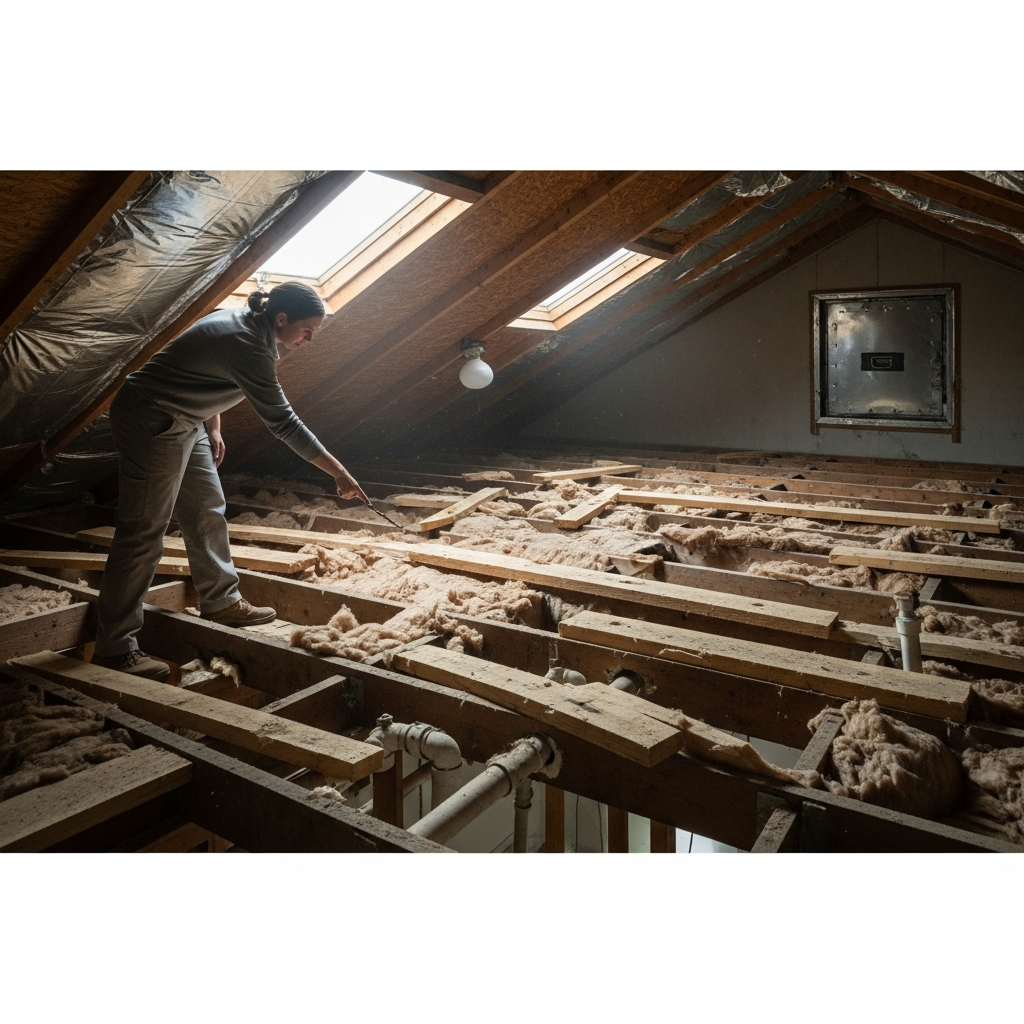
Ask any seasoned Los Angeles homeowner what most affects comfort on a long summer afternoon, and you will likely hear about the space no one sees: the attic. When the sun angles high over the basin or beats down on the Valley, the roof turns into a heat collector, and the attic’s condition—good or bad—decides how much of that heat finds its way into living spaces. Over years of assessments across LA neighborhoods, a handful of recurring attic insulation issues show up again and again. Understanding them is the first step toward prioritizing repairs that truly move the needle on comfort, indoor air quality, and energy use. And when it is time to address them, a focused plan centered on quality attic insulation work makes all the difference.
Insulation That Is Too Thin, Too Patchy, or Both
Many LA homes still carry the insulation legacy of earlier decades: a light dusting of material that barely covers the joists or batts that sit haphazardly between framing members. Even when labels promised respectable R-values, real-world performance suffers if coverage is inconsistent or the insulation is not in full contact with the ceiling. Thin or patchy layers create hot and cold spots that you can often map room by room. The living room ceiling bakes above recessed lights, the hallway feels oddly warm, and the guest room under a roof transition chills faster in winter. Uniform depth matters because insulation only works to its rating when it is continuous, properly installed, and not compressed.
Spotty coverage usually has a story: a past electrical job that disturbed batts and never reset them, a storage platform that compresses insulation, or duct repairs that left behind voids. Solving this problem starts with cleaning up the work area, air sealing critical penetrations, and then establishing a true blanket of insulation to the desired depth.
Air Leaks That Undercut Good Insulation
Attic insulation slows conductive heat flow, but air leaks allow conditioned air and attic air to trade places freely. In LA homes, we see this around can lights, bath fan housings, plumbing and wiring penetrations, chimney chases, and the attic access itself. Even a well-insulated attic will underperform if these pathways stay open. The symptoms are familiar: surprising dust on surfaces, warm air dumping into the hallway near the attic hatch, or the smell of the attic drifting into living spaces during hot afternoons.
The remedy is meticulous. Seal penetrations with appropriate materials, install covers or enclosures for recessed lights where code allows, weatherstrip and insulate the attic hatch, and box in open chases before insulating. These steps convert the ceiling plane into a true air barrier so that the insulation can do its job without being undermined by air movement.
Rodent Disturbance and Contamination
Attics can attract pests that tunnel through insulation, leaving voids and contaminating materials. Aside from the health concerns associated with droppings and nesting materials, the physical displacement reduces R-value and creates channels for heat movement. In coastal neighborhoods or older homes with generous roof venting, rodents can become recurring visitors unless entry points are addressed. A proper remediation plan removes soiled materials, closes openings, and restores uniform insulation coverage, bringing both performance and cleanliness back to the space above your ceiling.
Many homeowners report a noticeable improvement in indoor air quality after sealing gaps and replacing contaminated insulation. Reduced dust, fewer odors, and a calmer indoor environment often follow—a benefit that matters in a city where outdoor air quality can vary by season.
Wind-Washing and Edge Losses
In attics with strong intake at soffits and exhaust at ridges or gables, moving air can skim over the surface of insulation, especially at the edges, stripping away performance. This “wind-washing” effect is common where batts are missing backing or where blown material is not protected by baffles and edge dams. The result is a perimeter zone that behaves like a thermal weak point, disproportionately influencing the rooms below.
The fix is straightforward but detail-heavy: install proper baffles at eaves to maintain ventilation air channels, add edge dams to keep insulation in place, and ensure full-depth coverage right to the top plates. With that protection, the perimeter performs like the field, and those drafty corners and chilly edges disappear.
Ducts in the Attic and the Heat Above Them
Many LA homes route HVAC ducts through the attic. When ducts run through a space that can exceed outdoor temperatures by dozens of degrees, even well-sealed, insulated ductwork faces a tough assignment. Any leakage compounds losses. While moving ducts into conditioned space is ideal, it is not always feasible. What homeowners can do is ensure that duct leakage is minimized and that the attic’s insulation and air sealing lighten the thermal load overhead. A cooler, more stable attic environment makes every foot of ductwork more effective.
Beyond efficiency, a stabilized attic protects duct materials and mastic seals from extreme thermal cycling. Over years, that helps preserve airflow and system performance, translating into more consistent comfort throughout the home.
Radiant Barriers Without a Thermal Base
Radiant barriers are sometimes installed with the hope of curbing attic heat. They have a place, especially in sun-exposed roofs, but they do not replace the need for insulation at the attic floor. Without a robust thermal layer, radiant barriers alone cannot stop conductive heat from moving into living spaces. Homeowners disappointed by modest results often discover that their attic floor insulation is inadequate or poorly installed. Pairing a barrier with full-depth floor insulation aligns the strategy with the physics at play.
Moisture Missteps in a Dry Climate
Los Angeles is largely dry, but coastal fog, occasional winter storms, and steamy bathrooms can introduce moisture into attics. If vents from baths or kitchens dump into the attic instead of outdoors, damp air can condense on cooler surfaces, inviting mold and degrading insulation. The solution is simple: ensure all exhausts terminate outside and that attic ventilation pathways are open and balanced. Insulation itself does not cause moisture issues, but it works best in a well-vented, dry environment.
The Midpoint Reality Check
Halfway through any attic improvement plan, pause and verify coverage, depth, and sealing. This is where attention to attic insulation quality decides the final outcome. Are eave baffles in place? Is the attic hatch sealed and insulated? Do recessed lights have proper treatments? Are edges protected against wind-washing? Taking stock here prevents the classic scenario of a great-looking field with weak spots that undermine the whole.
Wildfire Ash, Dust, and Seasonal Intrusions
During late summer and fall, wildfire smoke and ash can ride the winds across parts of Los Angeles. In attics with leaky ceiling planes, tiny particulates can find their way down into living spaces, settling on surfaces and aggravating allergies. While sealing is not a fireproofing measure, creating a tight ceiling plane dramatically reduces particulate transfer, making your home a cleaner haven during challenging air quality days.
Comfort Is the Ultimate Metric
Energy bills matter, but what most homeowners notice first is how different a home feels once attic issues are resolved. Rooms even out, afternoon spikes soften, and thermostats are no longer part of an hourly ritual. That comfort dividend often confirms that the details—air sealing, uniform depth, edge protection—were worth the focus. Over time, fewer HVAC cycles deliver the quieter, steadier life that makes a house feel more like a refuge from the city’s shifting weather.
Frequently Asked Questions
Why does my home still feel hot after adding insulation?
If air leaks remain open, heat and attic air can still reach living spaces. Insulation needs a solid air barrier to perform. Check for sealing around lights, hatches, and penetrations, and verify that edges are protected from wind-washing.
How do I know if rodents have affected my attic insulation?
Look for tunneling, droppings, and disturbed material. A musty odor or unusual dust inside the home can also be clues. Professional remediation followed by new insulation restores both cleanliness and performance.
Are radiant barriers enough for LA homes?
Not by themselves. Radiant barriers work best alongside full-depth attic floor insulation and proper ventilation. The thermal layer is the backbone of performance.
Can I store items in the attic without hurting insulation?
Storage often compresses insulation, reducing its R-value. If storage is essential, consider raised platforms that keep insulation at full depth underneath, and limit storage to areas designed for it.
Will fixing my attic help rooms over the garage or under roof peaks?
Yes, especially if those rooms suffer from uneven temperatures. Addressing air leaks and ensuring uniform insulation depth across transitions can dramatically improve comfort in those tricky zones.
Ready to Solve Your Attic’s Trouble Spots?
If your home shows signs of the issues described here, you do not have to accept them as part of LA living. A methodical plan that removes contamination, seals the ceiling plane, and restores uniform coverage can transform your day-to-day comfort. To chart the right course for your home, start with a professional review focused on attic insulation and commit to the details that deliver lasting results.