
In Los Angeles, the seasons do not march in dramatic steps so much as they glide and swirl. Morning fog on the Westside, sun-baked afternoons in the Valley, cool canyon breezes in the evening—our city’s microclimates shape the way homes gain and lose heat across the year. That rhythm means the space above the ceiling deserves attention on a seasonal schedule. With a measured approach to attic upkeep, you preserve comfort, protect your roof assembly, and keep your energy use steady. At the center of that plan is reliable attic insulation, supported by ventilation and sealing that help it perform month after month.
Spring: Prepare for Heat and Coastal Moisture
Spring in LA brings a double dynamic. Inland neighborhoods warm quickly, while coastal areas ride a persistent marine layer. This is the moment to confirm that insulation coverage is even and that edges at the eaves are protected. Baffles should maintain a clear path for intake air, and any winter disturbances—rodent activity, contractor footprints, or shifted material—should be corrected. A uniform blanket now pays dividends when the first heat waves arrive, keeping afternoon spikes from taking over the home.
Spring is also a smart time to verify that bathroom and kitchen vents discharge outdoors. In a season with cool, damp mornings near the coast, stray moisture in the attic can condense on cooler surfaces. Insulation does not cause condensation, but it performs best in a dry, well-vented space. Addressing vent terminations and opening blocked soffits helps keep the roof assembly healthy and the thermal layer effective.
Summer: Guard Against Peak Heat and Wind Events
By summer, the sun can drive attic temperatures far above outdoor levels. On the hottest afternoons, any gaps in insulation or air sealing become glaring weak points. Inspect the attic hatch for a tight seal and adequate insulation. Look for light shining through penetrations around pipes or wires—those pinpoints often mark air leaks. Consider the house as a system: insulation slows heat transfer, while sealing stops air movement that carries heat and dust into living spaces. In combination, they calm the indoor environment even when the thermometer climbs.
Summer also brings Santa Ana winds and, in some years, wildfire smoke. While attic improvements are not a fireproofing measure, a tight ceiling plane reduces the infiltration of fine particulates. Insulation that is protected at the edges with proper dams resists wind-washing, maintaining its full value despite airflow at the eaves. Taken together, these details help your home ride out hot, dry stretches with less stress on mechanical systems.
Fall: Reset After Heat and Before Cool Nights
As days shorten, LA homes often enjoy mild afternoons but face cooler nights. This shoulder season is ideal for topping up thin spots identified during summer checks and for confirming that ventilation remains balanced. If you found storage boards compressing insulation, consider raised platforms that preserve full depth underneath. Make sure any radiant barriers or reflective roof components are working in tandem with a full-depth thermal layer on the attic floor; the reflective measure alone will not control conductive heat flow once evenings turn cool.
Fall is also the time to revisit ductwork that runs through the attic. Sealing small leaks, ensuring insulation jackets are intact, and stabilizing the attic’s thermal environment with uniform coverage all contribute to steadier temperatures in rooms served by those ducts. As nights become crisp, you will appreciate how much more gently the house releases its stored warmth.
Winter: Keep Warmth In, Let Moisture Out
LA winters are generally mild, but cool mornings and occasional storms create a different test for the attic. Insulation depth becomes the barrier that slows warmth from drifting upward, while ventilation allows any incidental moisture to escape. Check once more that bath fans connect to exterior hoods, not to the attic, and verify that soffit and ridge vents are clear of debris. If you have recessed lights below the attic, confirm that any necessary enclosures are intact so you are not unintentionally venting heat into the attic through those fixtures.
On clear winter nights, you will notice the advantage of a well-sealed and insulated ceiling: rooms hold steady, and the urge to nudge the thermostat fades. That stability sets the baseline for spring, when coastal fog or early heat waves return to test the home in new ways.
Maintaining Insulation Quality: What to Look For
Across the seasons, a pattern of careful observation makes the biggest difference. Look for displaced material that exposes joist tops; those stripes are a telltale sign of reduced R-value. Watch for dark streaks around penetrations, which can indicate air movement through the insulation. Note any areas near eaves where the insulation looks thinner or wind-swept—edge losses often account for outsized comfort issues. When you find problems, correct them promptly so each season begins with a consistent thermal foundation.
In older homes or those with complex rooflines, bring special attention to transitions: knee walls behind dormers, low-slope connectors, and awkward corners. These are the spots that benefit from custom baffles, rigid backing, or targeted dense-pack treatments. The goal is always continuity—an unbroken barrier that does not let the seasons find their way in.
Pairing Insulation With Smart Ventilation
Ventilation is the quiet partner of insulation. In summer, it helps purge superheated air; in winter, it lets incidental moisture escape. The trick is balance. Too little airflow allows heat and moisture to linger; too much, especially at the edges, can undermine insulation through wind-washing. Properly installed baffles protect the insulation while preserving the channel from soffit to ridge. When you maintain that balance, the attic becomes a stable buffer that supports comfort below, no matter the month.
Midyear Tune-Up: A Practical Checklist
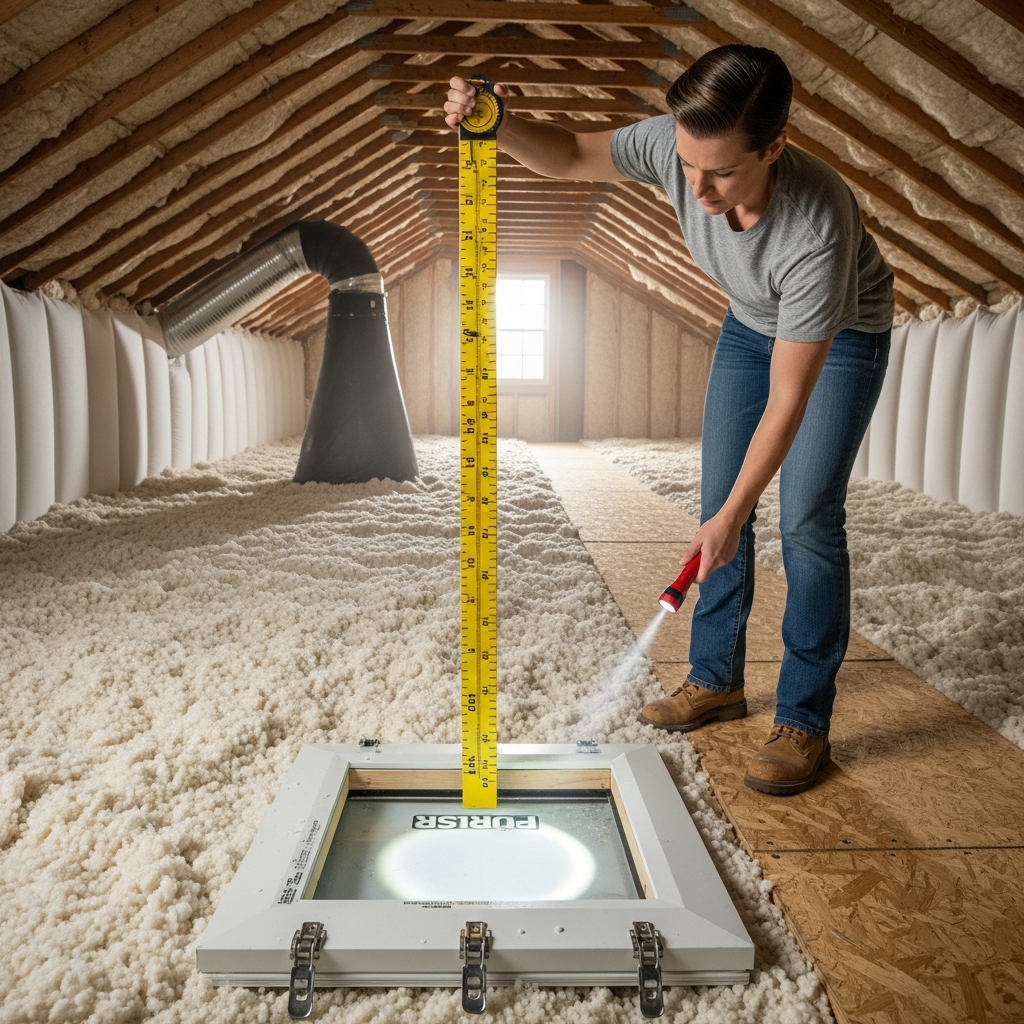
At least once a year, plan a midyear tune-up focused on attic insulation quality. Verify uniform depth with a ruler or marked stick. Check the attic hatch for weatherstripping and insulation. Confirm that bath and kitchen vents reach the exterior. Look for signs of pests and address any openings where they might enter. Ensure that ductwork is intact and supported. This quick circuit takes little time and keeps small issues from growing into seasonal headaches.
For many homeowners, this tune-up becomes a ritual, like changing HVAC filters or testing smoke alarms. The payoff is a home that feels predictably comfortable through LA’s soft-edged but very real seasons.
Comfort, Bills, and the Calm of Predictability
The beauty of seasonal attic maintenance is cumulative. Each check and correction strengthens the home’s thermal shell, which shrinks peaks and valleys in energy use. Comfort becomes more predictable, and bills follow that rhythm. You are not chasing the thermostat on the first hot day of June or waking to an unexpectedly chilly living room in January. Instead, your home glides through Los Angeles’s shifting weather much like the city itself—easily, with fewer jolts.
Frequently Asked Questions
How often should I check my attic in Los Angeles?
Twice a year is a good baseline—once heading into summer and once before winter. If your home has a history of rodent activity or if you recently had electrical or roof work, add an extra check to ensure nothing disturbed the insulation or ventilation.
What signs show my insulation needs attention?
Visible joist tops, uneven depth, dusty streaks that trace air movement, or rooms that swing hot and cold with the weather. If cooling cycles run long in the afternoon, the attic is a prime suspect.
Do I need a radiant barrier for LA summers?
Radiant barriers can help under intense sun, but they work best when combined with full-depth insulation on the attic floor and proper ventilation. Conductive heat control from insulation remains the foundation.
Can I handle maintenance myself?
Basic inspections and light corrections are within reach for many homeowners. For air sealing, contamination removal, or complex rooflines, consider bringing in pros who understand local construction and code requirements.
Will improving my attic affect indoor air quality?
Yes. Sealing gaps and maintaining clean, uniform insulation reduce dust and attic odors entering the living space. Many households notice fresher air and fewer irritants after an attic tune-up.
Ready for a Home That Glides Through the Seasons?
With a steady routine and attention to detail, you can keep your attic performing like a quiet partner in comfort. If you are ready to stabilize temperatures, soften afternoon spikes, and make your home feel calmer year-round, start with a focused look at attic insulation. A thoughtful plan tailored to your microclimate transforms seasonal shifts into a smooth ride.