
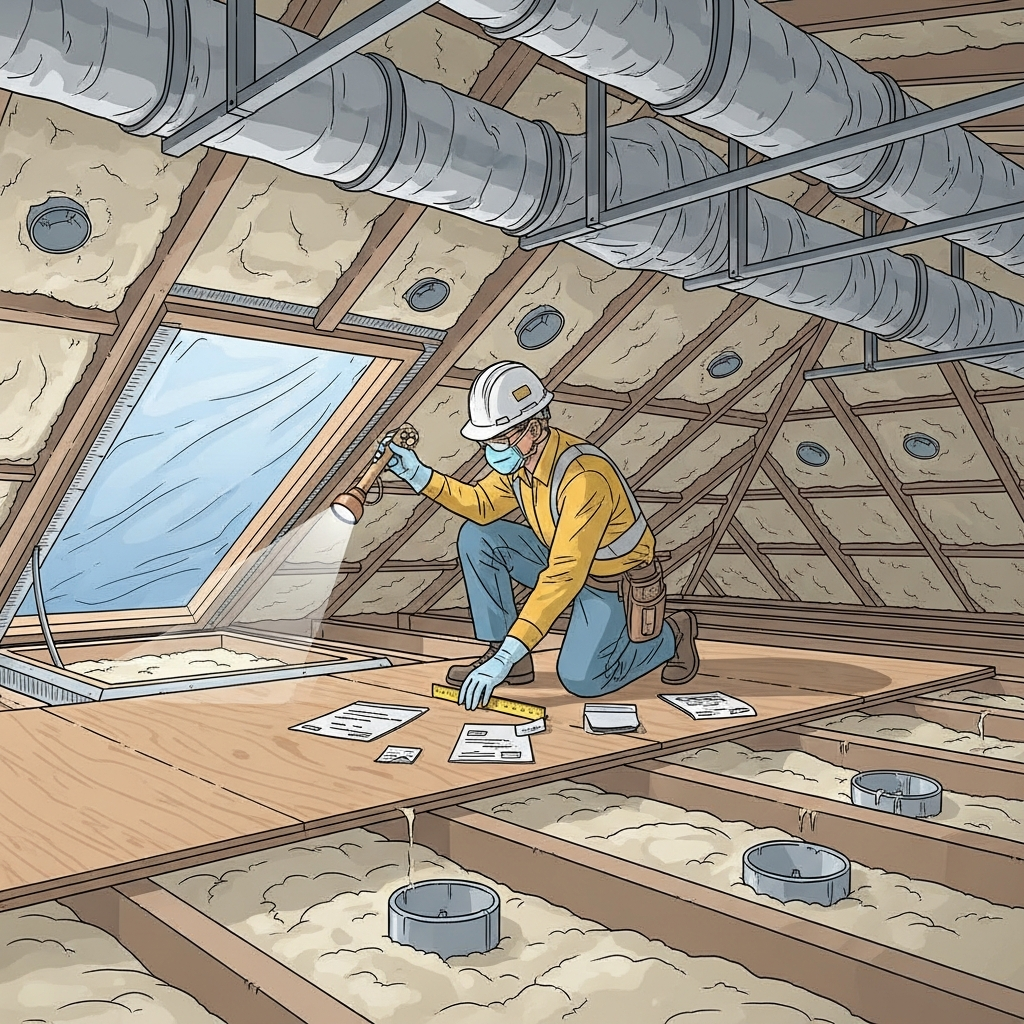
In a city as varied as Los Angeles, no two attics tell the same story. A beachside bungalow with a low-slope roof breathes differently than a Valley ranch during a heat wave. A 1920s Spanish revival in the hills has quirks that a mid-century in the basin does not. Yet, all of these homes rely on the attic to moderate heat and protect comfort below. Conducting a thoughtful attic insulation inspection helps homeowners understand what is happening above the ceiling and where targeted improvements can deliver the biggest benefits. A clear-eyed review centered on quality attic insulation can turn guesswork into a confident plan.
Start With Safety and a Plan
Before stepping into the attic, think safety. Wear appropriate clothing, eye protection, and a dust mask. Use boards for stable footing if joists are exposed, and bring a reliable light. In many LA homes, attics are cramped or crisscrossed with ducts and wiring. Planning your path avoids damaging materials or compressing insulation. A simple checklist—coverage, depth, air sealing, ventilation, and cleanliness—keeps the inspection focused on the features that most affect comfort and energy use.
Take a moment at the attic hatch. Is it weatherstripped and insulated? Many inspections uncover a well-insulated field but a bare, leaky access panel that acts like an open window. Remedying the hatch is one of the highest-return fixes and sets the tone for the rest of the review.
Assess Coverage and Depth
Stand back and scan the attic floor. Can you see the tops of joists? Are there areas where insulation looks thin or disturbed? Uniform coverage matters more than the label on a bag. If joist tops are visible across the field, you likely need additional depth to approach modern targets. Use a marked stick to check depth in several locations, including corners and edges where wind-washing can thin the layer. In LA’s sunny climate, a deep, even blanket is your best defense against late-afternoon heat migrating downward.
Where batts are in place, check for gaps along edges and around obstacles. Compressed or misaligned batts perform below their rating. In awkward bays or around knee walls, consider whether a switch to blown-in material or the addition of rigid backing would create a more continuous barrier.
Look for Air Leaks
Air movement can quietly undo good insulation. With your light, search for penetrations around plumbing stacks, wiring, and the tops of interior walls. Bath fan housings and recessed lights are frequent culprits. If you see daylight or feel air movement, mark those spots. Weatherstripping for the hatch, foam or caulk for small gaps, and proper enclosures for fixtures where code allows turn the ceiling into a real air barrier.
During warm afternoons, some homeowners can feel heat sinking through leaky fixtures or smell the attic after climbing stairs. Those experiences are clues that air sealing will deliver an immediate comfort boost once addressed.
Verify Ventilation Paths
Insulation is only half the story; ventilation helps the roof assembly shed heat and moisture. Check that soffit vents are open and that baffles maintain a clear channel from eaves to ridge or gable vents. If you find insulation stuffed into the eaves or see staining that suggests condensation, note it. Balanced airflow supports the insulation’s performance and extends the life of roof materials—important in a region with intense sun exposure much of the year.
Check Ducts, Wires, and Services
Many LA attics double as highways for ducts and wires. Look for duct insulation that is intact and for joints that are sealed rather than taped with generic cloth duct tape, which fails over time. While your inspection may not include full duct testing, visual checks can reveal obvious gaps that waste energy. Securely supported ducts and tidy wiring pathways also reduce the risk of disturbing insulation during future service calls.
Note Cleanliness and Possible Contamination
Rodent tunneling, droppings, or nesting materials compromise both cleanliness and performance. If you find signs of pests, consider a remediation plan before adding new insulation. Similarly, look for debris from past projects that may have scattered across the field, creating voids or compressing the layer. A clean attic sets the stage for an insulation layer that performs to its rating.
Consider the Home’s Microclimate
Factor in where you live and how your roof sees the sun. Coastal homes need special attention to moisture control at vents and to wind-washing at the edges. Valley and foothill homes with intense afternoon sun may benefit from strategies that reduce radiant gain in addition to a robust thermal layer at the floor. The inspection is the moment to tailor your plan to your neighborhood’s daily rhythm.
Document With Photos and Notes
As you move through the attic, take photos of representative areas: the hatch, a typical field section, the eaves with baffles, any recessed lights, and notable gaps. Label them by location if possible. A simple photo log helps you or a professional turn observations into an actionable scope of work. It also creates a baseline for future tune-ups so you can see whether anything shifted or degraded with time.
The Midpoint Pause: Are You Targeting the Right Fixes?
Halfway through planning, ask whether the scope addresses the fundamentals—an insulated hatch, sealed penetrations, protected edges, and uniform depth. If any one of these is missing, performance will fall short of expectations. When you align the plan with these pillars and frame it around attic insulation quality, the results tend to show up quickly in comfort and in gentler HVAC cycles.
Setting Priorities and Next Steps
With your inspection complete, rank actions by impact. Air sealing often sits at the top because it multiplies the value of every inch of insulation. Next, bring the field to uniform depth, paying extra attention to edges and transitions. Confirm ventilation pathways, then address secondary items like storage platforms that compress insulation or minor duct supports. A stepwise approach ensures that your time and resources deliver the greatest benefit.
In many LA homes, these targeted improvements can be completed with minimal disruption. The attic does the heavy lifting, quietly, and you begin to notice calmer afternoons and fewer thermostat adjustments within days.
What You Should Feel When the Job Is Done
After the upgrades, afternoons should be steadier, with less of the late-day heat creep that used to command the thermostat. Even spaces under complex rooflines should hold closer to the rest of the home. In winter, mornings feel less bracing, and the HVAC system runs shorter, more measured cycles. These are the signs that your inspection translated into meaningful improvements.
Frequently Asked Questions
How deep should attic insulation be in an LA home?
Depth varies by material, but the goal is to reach a modern target R-value across the entire attic floor. Focus on uniform coverage rather than chasing a number in one corner. If joist tops are visible, you are likely below where you need to be.
Do I need a professional for air sealing?
Homeowners can seal small gaps, but fixtures, large chases, and code-sensitive areas benefit from professional attention. The best results come from a comprehensive approach that treats all major penetrations and the attic hatch together.
Will better attic insulation help if my ducts run through the attic?
Absolutely. Lower attic temperatures and sealed ceiling planes make ducts more effective. Reducing the thermal load above duct runs helps deliver cooler air in summer and warmer air in winter with less loss.
How often should I re-inspect?
Plan on a check at least once a year, plus after any roof or electrical work. Quick seasonal looks help you catch disturbances before they grow into performance problems.
What if my attic has tight access?
Limited access is common in older LA homes. Professionals have tools and methods for working in tight spaces, including long-reach hoses for blown-in materials and specialized enclosures for fixtures. A good plan adapts to the space you have.
Ready to Turn an Inspection Into Real Comfort?
An informed look above the ceiling reveals opportunities that change how your home feels every day. If you are ready to translate notes and photos into steadier rooms and calmer energy use, start a conversation about attic insulation. With a clear plan, Los Angeles microclimates become just another backdrop to a consistently comfortable home.